

 معاينة الحجم الواقعي
 إرسال
إرسال مشاركة
 عرض التفاصيل
 دليل الأعمال الفنية للطلاب

 تحميل
تحميل
 قطع مشابهة
 الأشعة السينية
 عرض شرائح متتابع
 Q&A
Q&A الإحصائيات
الخاطم بعد تساقط الثلج
 أكريليك على كانفاس
- لوحات جدارية
- Tang Dynasty Calligraphy
 23.0 x 14.0 cm
 متحف القصر الوطني
 اقرأ المزيد
احصل على ملف جاهز للطباعة يتجاوز بمراحل جودة المعاينة عبر الإنترنت. فكل صورة رقمية نبيعها مستمدة من نسخة أصلية عالية الدقة في قاعدة بياناتنا — تتراوح عرضها عادةً بين 5,000 إلى 15,000 بكسل — مما يتيح لك الطباعة بأحجام كبيرة، أو الاقتصاص بدقة، أو إعادة إنتاج التفاصيل الدقيقة بكل ثقة.
لا تخرج أي صورة من استوديو الخاص بنا دون أن تمر بعملية معالجة دقيقة؛ حيث يقوم خبير رقمي بمطابقة الألوان مع اللوحة الأصلية وتصحيحها عند الضرورة، ثم يعمل على تحسين الوضوح والتفاصيل باستخدام أدوات ترميم احترافية — مع الحفاظ دائماً على أمانة نقل ضربات فرشاة الفنان وأسلوبه. والنتيجة هي صورة تبدو كأنها اللوحة ذاتها، وليست مجرد مسح ضوئي خاضع للفلاتر.
تتم عملية الاعتماد قبل الإتمام النهائي: حيث يرسل خبيرنا الصورة عبر البريد الإلكتروني في غضون 72 ساعة لمراجعتها من قبلك. هل لم تنل النتيجة إعجابك؟ يمكنك طلب تحسينات أو تصحيحات، أو طلب استرداد الأموال إذا لم تكن الجودة بالمستوى المطلوب.
هذه هي الجودة التي يعتمد عليها الناشرون، واستوديوهات التصميم، والمعارض، والمطابع.
صورة رقمية
حمّل ملفاً عالي الدقة للعرض الشخصي، والطباعة، والمشاريع الإبداعية. ( التبديل إلى المطبوعات اطلب نسخة مرسومة يدويًا)
مزايا مُضمّنة مع كل طلب صورة رقمية
خدمة تسليم رقمي احترافية ومضمونة
عندما تختار OriginalUniqueArt.com، فأنت لا تحصل على مجرد صورة فحسب، بل ستحصل على عمل فني رقمي مُحسّن باحترافية، صُمم بدقة متناهية ومصحوب بضمان الرضا. إليك كل ما يتضمنه طلبك تلقائياً:

تسليم سريع عبر البريد الإلكتروني
ستصلك ملفات صورك الرقمية عالية الدقة عبر البريد الإلكتروني في غضون 72 ساعة من إتمام الطلب - لتكون جاهزة للاستخدام الفوري.

ملف رقمي مُعزز بالذكاء الاصطناعي
يتم تحسين عملك الفني باحترافية باستخدام أدوات الذكاء الاصطناعي المتقدمة والتحرير اليدوي، لضمان أقصى درجات التفاصيل والوضوح ودقة الألوان.

إعادة إرسال مجانية مدى الحياة
هل حذفت ملفك أو فقدته عن طريق الخطأ؟ لا تقلق - سنعيد إرساله إليك في أي وقت، مجاناً.

بدون رسوم استيراد - على الإطلاق
استمتع بأعمالك الفنية فوراً دون أي رسوم جمركية أو ضرائب أو مصاريف شحن - فالتحميلات الرقمية دائماً ما تكون معفاة من الضرائب.

ضمان دقة الألوان
نضمن لك دقة انعكاس الألوان الأصلية في صورتك الرقمية بأقصى قدر ممكن، وذلك باستخدام أدوات احترافية وتقنيات متطورة لإدارة الألوان.

ضمان الرضا لمدة 100 يوم
إذا لم تكن راضياً عن صورتك الرقمية، فسنقوم بتعديلها أو استرداد 100% من قيمتها خلال 100 يوم - دون طرح أي أسئلة.

ضمان استعادة الأموال بنسبة 100%
لم تكن راضياً؟ استرد كامل المبلغ خلال 100 يوم من استلام ملفك الرقمي - دون طرح أي أسئلة.

خصومات الطلبات الكبيرة
اشتري 3 صور، ووفر 10% - اشتري 5، ووفر 15% - اشتري +10، ووفر 20%. مثالية للمشاريع الإبداعية، والمعارض، والوكالات.
Wang Xizhi: Timely Clearing After Snowfall - أثر العودة الساطعة بعد الثلج في عالم الخط الصيني
في قلب تاريخ الخط الصيني، يتربع عمل فني فريد يحمل اسم "العودة الساطعة بعد الثلج"، ويُعد تحفةً أدبيةً حقيقيةً للفنان الكبير Wang Xizhi، الذي يُعتبر الأب الروحي للخط الصيني وتحديدًا أسلوب الإيساو، ويعتبره الكثيرون أعظم خطاطٍ في التاريخ. لم يكن هذا العمل مجرد رسالة عادية بين صديقين، بل كان تعبيرًا عن روح العصر، وعلامةً على التوازن والجمال الذي يسعى إليه الخطاط المتمكن، وتحديدًا عندما كتبها Wang Xizhi في عام 353م، ويُعرف بـ "إعادة التألق بعد تساقط الثلج"، وهو جزء من مجموعة اللانتيجي التي يُعتبر أحد أهم الأعمال الأدبية في تاريخ الصين.- الخلفية التاريخية: لم يكن Wang Xizhi مجرد خطاطٍ، بل كان أيضًا سياسيًا ومسؤولًا حكوميًا بارزًا ينتمي إلى النبلاء، وعاش في نهاية العصر الذهبي للجين (265-316م)، حيث رافق والده في الانتقال جنوبًا، وتدرج في مناصب مختلفة، ليصبح إداريًا للمقاطعة ويُعيّن قاضيًا للأركيلة، مما يعكس مكانته الاجتماعية والأدبية العالية.
- أسلوب الإيساو: تميز Wang Xizhi ببراعته في أساليب الخط المختلفة، بدءًا من خط الصخرة الملكي الذي يعود إلى العصر القيني (221-206م)، ومرًا بخط الهان الذي يمثل العصر الثاني والعشرين قبل الميلاد، وصولًا إلى خط الإيساو القياسي والخط الجريء والخط المتدفق، حيث قام بدمج هذه الأساليب لإنشاء أشكال خط مثالية، وتجاوزت مكانته كل المتمكنين في هذا المجال.
- رمزية العمل الفني: لم تقتصر أهمية هذه الرسالة على جمالها اللغوي، بل حملت رمزًا عميقًا يعكس حالة الطبيعة والروح الإنسانية، حيث يمثل الثلج التوازن بين القوة والضعف، وبين الظلام والنور، ويُعبر عن الحنين إلى الأيام الخوالي والتجديد الروحي الذي يسعى إليه الخطاط المتمكن.
- التأثير على الخط العربي: أثّر هذا العمل الفني بشكل كبير على الخط العربي، حيث استلهم الخطاطون من جمال الخط المتدفق وتوازنه، وأسلوب البراعة والهدوء الذي يميزه، ليضيفوا لمساتًا فنيةً فريدةً إلى أعمالهم الأدبية.
الأسئلة والأجوبة
من الذي أبدع "الخاطم بعد تساقط الثلج"؟
تم إبداع "الخاطم بعد تساقط الثلج" بواسطة Wang Hsi-Chih. وتصف المعلومات الواردة في هذه الصفحة العمل الأصلي لـ Wang Hsi-Chih.
كيف يمكنني عرض "الخاطم بعد تساقط الثلج" للفنان Wang Hsi-Chih كعرض شرائح؟
يتوفر عرض متتابع للصور في صفحة عرض متتابع الخاصة بـ "الخاطم بعد تساقط الثلج" للفنان Wang Hsi-Chih.
ما مدى تناغم ألوان "الخاطم بعد تساقط الثلج" للفنان Wang Hsi-Chih؟
يُصنف التناغم اللوني لـ "الخاطم بعد تساقط الثلج" على أنه لوحة ألوان متناغمة.
سيرة الفنان
The Sage of Calligraphy: A Life Dedicated to the Art of Brush and Ink
Wang Xizhi, born around 303 CE in Linyi, Shandong province, China, stands as a monumental figure in East Asian art history—a calligrapher whose name resonates with reverence even today. Often hailed as the “Sage of Calligraphy” (Shu Sheng), Wang didn’t simply practice calligraphy; he embodied it, elevating the art form to unprecedented heights and establishing standards that would influence generations of artists across China, Korea, and Japan. His life, though documented through historical accounts and anecdotes, reveals a journey marked by both aristocratic privilege and profound dedication to aesthetic pursuit.
Born into a prominent family during the Jin dynasty, Wang’s early years offered little indication of his future mastery. Accounts suggest he initially struggled with writing, yet driven by an unwavering commitment, he devoted himself tirelessly to honing his skills. Legend has it that he practiced so diligently, even inscribing characters on his arm with his finger, and that the pond beside his studio was perpetually stained black from the constant flow of ink. This relentless pursuit laid the foundation for a revolutionary approach to calligraphy.
A Flourishing Career Amidst Political Turmoil
The Jin dynasty was a period of significant political upheaval, and Wang Xizhi’s life mirrored this instability. Following the collapse of the Western Jin dynasty, his family fled south, seeking refuge from the turmoil. Despite these challenges, he managed to secure various government positions between 324 and 354 CE, reaching the esteemed title of “General of the Right Army” in 347 and later becoming administrator of Kuaiji (present-day Shaoxing, Zhejiang). However, Wang’s true passion lay not in politics but in the refinement of his artistic expression. He eventually retired from public service in 355 to fully immerse himself in Taoist practices and calligraphy.
His engagement to Xi Xuan around 323 CE proved pivotal, resulting in eight children, including Wang Xianzhi, who would also achieve renown as a calligrapher—cementing the family’s legacy within the art world. The collaborative spirit and shared dedication to calligraphy within the Wang family further amplified their influence on subsequent generations.
The Lantingji Xu: A Masterpiece Born of Celebration
Wang Xizhi's most celebrated work, composed in 353 CE, is the Lantingji Xu (蘭亭集序; “Preface to the Poems Composed at the Orchid Pavilion”). This remarkable piece emerged from a convivial gathering hosted by Wang for forty-one friends, relatives, and pupils at Mount Kuaiji. The occasion involved a "winding stream party," where participants composed poetry as they enjoyed wine flowing down a creek. It was during this spirited event that Wang penned the Lantingji Xu, a preface to the collection of poems created that day.
Written in the Running Style (xingshu), the Lantingji Xu is lauded for its effortless fluidity, dynamic brushwork, and harmonious balance between legibility and artistic expression. The work captures not only the joy of the gathering but also Wang’s profound connection to nature and his philosophical reflections on life's transience. While no original versions survive today—only rubbings and tracing copies remain—the Lantingji Xu continues to be revered as the pinnacle of Chinese calligraphy, studied and emulated by artists for centuries.
Legacy and Enduring Influence
Wang Xizhi’s mastery extended beyond the Running Style; he excelled in Regular Script (kaishu) and Cursive Script (caoshu) as well. However, his true innovation lay in his ability to synthesize these styles, creating a unique aesthetic that prioritized naturalness, spontaneity, and emotional resonance. He didn’t merely copy existing texts; he infused them with his own personality and artistic vision.
His impact on the art world was profound. Emperor Taizong of Tang (626-649 CE) recognized Wang Xizhi as the defining standard for Chinese calligraphy, mandating that imperial court scholars study his techniques. He commissioned calligraphers to create handwritten tracing copies and ink rubbings of Wang’s works, ensuring their preservation and dissemination. This patronage solidified Wang's position as a cultural icon and established his style as the benchmark for excellence.
Today, Wang Xizhi remains an enduring symbol of artistic dedication and innovation. His influence permeates East Asian calligraphy, inspiring artists to strive for balance, harmony, and emotional depth in their work. The “Sage of Calligraphy” continues to captivate audiences with his timeless masterpieces, reminding us of the power of brush and ink to transcend time and culture.
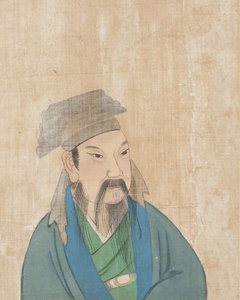
Wang Hsi-Chih
China
حقائق سريعة
- Artistic Movement Or Style: Chinese calligraphy
- Artists Or Movements Influenced By This Artist:
- Wang Xianzhi
- Tang calligraphy
- Artists Who Influenced This Artist:
- Wei Shuo
- Zhao Mengfu
- Date Of Birth: c. 303
- Date Of Death: c. 361
- Full Name: Wang Xizhi
- Nationality: Chinese
- Notable Artworks:
- Lantingji Xu
- Timely Clearing After Snowfall
- Place Of Birth: Linyi, China