التبديل إلى نسخة مطبوعة
 عرض المزيد







































 بالنسبة للأعمال الفنية أو النسخ المطبوعة التي يتجاوز طول أي من أضلاعها 105 سم (حوالي 41 بوصة)، سيتم شحن الإطار كمجموعة مفككة؛ حيث تضمن هذه الطريقة سلامة التوصيل وتمنع حدوث أي أضرار أثناء النقل.


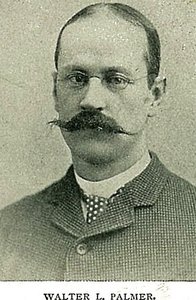
Walter Launt Palmer’s “Dwarf Sunflower”: A Portrait of Contemplation
Walter Launt Palmer's "Dwarf Sunflower," painted in 1881, offers a poignant glimpse into the tonalist movement and the burgeoning interest in psychological portraiture within American art. This evocative work, depicting a young woman lost in thought, immediately draws the viewer into her quiet introspection. The red background, far from being merely decorative, acts as a dramatic counterpoint to the pale tones of the subject’s clothing and skin, intensifying the sense of melancholy and drawing attention to her expressive face. Palmer's masterful use of light and shadow – a hallmark of his style influenced by Frederic E. Church – creates a palpable atmosphere, suggesting both a physical space and an emotional one.
Style and Technique: Tonalism and Romantic Influence
Palmer’s technique is firmly rooted in the principles of tonalism, a movement that prioritized atmospheric effects and subtle gradations of color over precise detail. He achieves this through meticulous layering of thin washes of paint, building up rich textures and luminous surfaces. The brushwork is loose yet controlled, contributing to the painting's dreamlike quality. The influence of Frederic E. Church, particularly his emphasis on capturing the essence of a scene rather than a photographic representation, is readily apparent. Notice how Palmer doesn’t attempt to render every detail of the woman’s clothing or the surrounding flowers; instead, he focuses on conveying mood and emotion through color and light. The scattered wildflowers – dwarf sunflowers specifically – are not merely decorative elements but subtly reinforce the theme of natural beauty and perhaps a yearning for connection with the outside world.
Historical Context: The American Winter Painter
"Dwarf Sunflower" was created during a pivotal moment in Palmer’s career, solidifying his reputation as “the painter of the American winter.” Born in Albany, New York, into a family deeply involved in the arts – his father, Erastus Dow Palmer, was a celebrated sculptor – Palmer benefited from an early exposure to artistic ideals. His training under Charles Loring Elliott and, crucially, Frederic E. Church, shaped his approach to landscape painting. The Hudson River School’s emphasis on romantic landscapes and dramatic light effects resonated with Palmer, influencing his ability to capture the sublime beauty of the American wilderness. This work reflects a broader shift in American art towards more introspective subjects and a greater focus on individual experience.
Symbolism and Emotional Impact
The young woman’s pensive expression invites interpretation. Her gaze directed into the distance suggests a moment of quiet contemplation, perhaps a reflection on life's complexities or a yearning for something beyond her immediate surroundings. The red background, often associated with passion and intensity, adds another layer to this emotional reading. The inclusion of flowers – particularly dwarf sunflowers, known for their resilience – could symbolize hope, beauty, and the enduring power of nature. Ultimately, “Dwarf Sunflower” is not simply a portrait; it’s an exploration of human emotion and the profound connection between individuals and the natural world. It evokes a sense of quiet melancholy and invites viewers to share in the woman's moment of introspection.
الأسئلة والأجوبة
ما هي الغرفة المقترحة لعرض "Dwarf Sunflower"، مع مراعاة لوحة ألوانه؟
تتناغم ألوان Earthy في لوحة "Dwarf Sunflower" للفنان والتر لونت بالمر مع المساحة الموصى بها لها: وهي Living Room.
ما هي تقنية وتاريخ إنشاء "Dwarf Sunflower" للفنان والتر لونت بالمر؟
أُنجزت لوحة "Dwarf Sunflower" في عام 1881، باستخدام Acrylic On Canvas.
ما مدى تناغم الألوان في "Dwarf Sunflower" للفنان والتر لونت بالمر؟
تتميز لوحة "Dwarf Sunflower" للفنان والتر لونت بالمر بتناغم لوني Strong Color Unity.
 معاينة الحجم الواقعي
 مشاركة
 مشاركة
 التفاصيل
 دليل
دليل

 تحميل الملف
 قطع مشابهة
 الأشعة السينية
 عرض شرائح
 الأسئلة والأجوبة
 الإحصائيات