

 معاينة الحجم الواقعي
 إرسال
إرسال مشاركة
 عرض التفاصيل
 دليل الأعمال الفنية للطلاب

 تحميل
تحميل
 قطع مشابهة
 الأشعة السينية
 عرض شرائح متتابع
 الإحصائيات
Let Us Now Praise Famous Men


 اقرأ المزيد
إن العمل الفني المعروض في هذه الصفحة محمي بموجب قوانين حقوق الطبع والنشر، مما يعني أنه لا يحق لنا قانوناً إنشاء أو بيع نسخ مطابقة له. وتُطبق هذه الحماية بموجب الاتفاقيات الدولية مثل الـ اتفاقية برن ووفقاً للقوانين الوطنية، بما في ذلك تلك المنصوص عليها في قانون حقوق الطبع والنشر في الولايات المتحدة - الباب 17.
تتوافق هذه الطريقة تماماً مع لوائح حقوق النشر لأنها لا تتضمن نسخ أو تكرار العمل الفني المحمي، بل هي إعادة تفسير إبداعية؛ أي أنها لوحة جديدة مستوحاة من الأصل ولكنها ليست مطابقة له.
طباعة جيلي / مطبوعات فنية
طباعة جيكلي أو كانفاس بجودة المتاحف، مع سرعة في التنفيذ وخيارات متنوعة للتشطيب. ( اطلب نسخة مرسومة يدويًا التحويل إلى الصورة الرقمية)




P118B E£10

P118H E£10

P118W E£10

P438Z E£10

P508JH E£12

P508YH E£12

P805H E£10

P805Z E£10

P919BZ E£10

P919G E£10

P919XJ E£10

P959ZH E£10

P968JZ E£12

W106C E£8

W218G E£10

W218JH E£8

W218Y E£10

W307PJ E£10

W316G E£10

W316PJ E£8

W316Y E£10

W398PJ E£8

W4111J E£10

W500HY E£15

W500JH E£15

W692G E£12

W849H E£8

W940BG E£15

W953PJ E£8




اختر من بين أحجامنا المُعدّة مسبقاً والتي تتوافق مع النسب الأصلية للعمل الفني.

أدخل العرض والارتفاع اللذين تحتاجهما، ليتناسب مع إطارك أو جدارك. يمكن قص المطبوعة فقط، ولا يمكن أبداً جعلها أكبر من الصورة الأصلية، لذا فإن أي مقاس بشكل مختلف سيؤدي إلى فقدان جزء من الصورة. سنرسل لك نموذجاً رقمياً تجريبياً لاعتماده قبل البدء في عملية الطباعة. الصورة المعروضة في هذه الصفحة لا توضح القص الفعلي — النموذج التجريبي فقط هو ما يظهر ذلك.
توصيل عالمي إلى خلال أسبوعين بدلاً من المدة القياسية البالغة 4/5 أسابيع. (23 أكتوبر)

شحن سريع ومجاني لجميع أنحاء العالم

قماش كتان فاخر

تأمين شامل على الشحن

ضمان استرداد الرسوم الجمركية

ضمان دقة مطابقة الألوان

سياسة الإرجاع خلال 100 يوم (في حالات العيوب فقط)

ضمان استرداد نقدي بنسبة 100%

عرض خصم الكميات
 خيار الزجاج متاح فقط للمقاسات التي تقل عن 110 سم

Let Us Now Praise Famous Men
طباعة جيلي / مطبوعات فنية
مقاس النسخة المطبوعة
-


إجمالي السعر
E£ 4113
A Testament to Resilience: Walker Evans’ “Let Us Now Praise Famous Men”
Walker Evans' "Let Us Now Praise Famous Men," born from a 1936 assignment for *Fortune* magazine, isn’t merely a photographic record; it’s a profound meditation on the dignity of human existence amidst crushing poverty. Published in 1941, this seminal work transcends its documentary origins to become a hauntingly beautiful exploration of rural America during the Great Depression. Evans, initially tasked with capturing the realities of sharecropping families in Alabama, quickly recognized that simply documenting hardship wasn’t enough. He sought to reveal something deeper – the quiet strength and enduring spirit of individuals facing unimaginable challenges.
The photographs themselves are characterized by a stark, almost brutal honesty. Evans employed his large-format 8x10 view camera, a deliberate choice that demanded meticulous attention to detail and forced him to truly *see* his subjects. The images aren’t romanticized; they present the families in their rawest state – weathered faces etched with worry, threadbare clothing clinging to gaunt bodies, humble dwellings offering little protection from the elements. Yet, within this austerity lies a remarkable grace. Evans's masterful use of light and shadow, coupled with his deliberate cropping and composition, elevates these portraits beyond simple documentation, transforming them into powerful statements about human endurance.
The Collaboration: Agee’s Voice and Evans’ Vision
Crucially, "Let Us Now Praise Famous Men" is a collaborative effort between photographer Walker Evans and writer James Agee. Initially rejected by *Fortune* for its unconventional approach – eschewing sensationalism in favor of nuanced observation – the project was eventually published as a book, with Agee’s accompanying text providing invaluable context and emotional depth. Agee's writing isn’t simply descriptive; it’s deeply empathetic, offering glimpses into the families’ lives through intimate conversations and detailed observations. He avoids judgment, instead focusing on capturing their humanity – their hopes, fears, and quiet dignity.
The dynamic between Evans and Agee is a fascinating one. Evans, often described as a reticent and solitary figure, provided the visual anchor of the project, while Agee served as the interpreter, weaving together the photographs with his prose to create a cohesive narrative. Their partnership represents a rare example of artistic synergy – a testament to the power of collaboration in capturing truth and conveying complex emotions.
Symbolism and Context: A Nation in Crisis
“Let Us Now Praise Famous Men” is inextricably linked to the historical context of the Great Depression and the New Deal era. The photographs offer a stark visual representation of the economic devastation that gripped America during this period, exposing the plight of countless rural families who had been displaced by industrialization and left vulnerable in the wake of the Dust Bowl. The title itself – borrowed from Sirach— carries significant weight, suggesting a recognition of the inherent worth and dignity of these individuals, elevating them beyond mere statistics.
Beyond the immediate circumstances of poverty, the images resonate with broader themes of displacement, resilience, and the search for meaning in a rapidly changing world. The simple, almost austere settings – the dilapidated shacks, the barren fields – evoke a sense of isolation and vulnerability, while the subjects’ unwavering gaze conveys an enduring spirit of hope.
A Legacy of Influence: Art, Journalism, and Beyond
The impact of “Let Us Now Praise Famous Men” extends far beyond its initial publication. It profoundly influenced generations of photographers, writers, and artists, establishing a new standard for documentary photography that prioritized empathy, observation, and the dignity of the subject. Aaron Copland’s opera, *The Tender Land*, directly inspired by the book, stands as a testament to its enduring power.
Today, reproductions of Evans' photographs continue to captivate audiences worldwide, serving as poignant reminders of America’s past and offering valuable insights into the human condition. Whether displayed in a museum or adorning a wall, “Let Us Now Praise Famous Men” remains a powerful and enduring work of art – a testament to the resilience of the human spirit and the transformative power of photography.
الأسئلة والأجوبة
هل يغلب على "Let Us Now Praise Famous Men" الطابع الفاتح أم الداكن بشكل عام؟
سُجلت درجة سطوع "Let Us Now Praise Famous Men" للفنان ووكر إيفانز عند brilliant، مع مستوى لمعان يبلغ Luminous.
ما مدى حدة الألوان في "Let Us Now Praise Famous Men" للفنان ووكر إيفانز؟
تتميز الألوان في "Let Us Now Praise Famous Men" للفنان ووكر إيفانز بكثافة Monochromatic.
ما مدى التناغم بين ألوان "Let Us Now Praise Famous Men"؟
تُظهر ألوان "Let Us Now Praise Famous Men" للفنان ووكر إيفانز تناغماً Unified Palette. ويصف التناغم كيفية ترابط الألوان مع بعضها البعض.
نبذة عن الفنان
شاهد على أمريكا: حياة وإرث ووكر إيفانز
برز ووكر إيفانز، الذي ولد في سانت لويس عام 1903، كشخصية محورية في تاريخ التصوير الفوتوغرافي الأمريكي، حيث ارتبط اسمه ارتباطاً وثيقاً بالسجل البصري لفترة الكساد الكبير. ومع ذلك، فإن حصره في هذه الحقبة وحدها من شأنه أن يقلل من اتساع رؤيته الفنية وتأثيره الخالد. كانت رحلته رحلة استكشاف مستمر، تطورت من طموحات أدبية إلى أسلوب فوتوغرافي مراقب بدقة فريدة، لم يكتفِ بتوثيق ما كانت عليه أمريكا فحسب، بل جسد أيضاً كيف كان شعورها؛ بكرامتها الهادئة، وواقعها القاسي، وجمالها الذي غالباً ما يتم تجاهله. إن نشأة إيفانز، التي اتسمت بالانتقالات المتكررة بين مدن مثل توليدو وشيكاغو ونيويورك، غرست فيه وعياً مبكراً بالجوانصل المتنوعة للحياة الأمريكية. ورغم تلقيه تعليمه في مؤسسات مرموقة مثل أكاديمية فيليبس أندرو وكليات عريقة، إلا أن تعليمه الحقيقي تجلى من خلال الدراسة الذاتية والانغماس في التيارات الثقافية لعصره. وقد مكنته سنة قضاها في باريس عام 1926 من التعرف على الاتجاهات الفنية الأوروبية، ولكن عند عودته إلى نيويورك اكتشف شغفه الحقيقي، حيث بدأ ككاتب قبل أن يتجه بشكل حاسم نحو التصوير الفوتوغرافي في حوالي عام 1928.صياغة رؤية وثائقية
كانت المؤثرات الأولى على نهج إيفانز الفوتوغرافي عميقة للغاية؛ فقد أعجب بالتوثيق الدقيق لأوجين أتجي، الذي بدت صوره لشوارع باريس خالدة وفورية في آن واحد، وأغسطس ساندر، الذي هدفت بورتريهاته إلى فهرسة موضوعية للمجتمع الألماني. ولم تكن الشخصيات الأدبية مثل تي إس إليوت، ودي إتش لورانس، وجيمس جويس، وإي إي كومينجز أقل أهمية، وهم الكتاب الذين قدروا دقة اللغة والملاحظة الثاقبة للحالة الإنسانية. انصهرت هذه المؤثرات في جمالية إيفانز المتطورة: الالتزام بالوضوح، والمباشرة، وتجنب العاطفية المفرطة. وقد وجد هذا النهج أقوى تعبيراته خلال فترة عمله مع إدارة أمن المزارع (FSA) بدءاً من عام 1935. فبتكليفه بتوثيق آثار الكساد على المجتمعات الريفية في جنوب الولايات المتحدة، سافر إيفانز على نطاق واسع، ملتقطاً صوراً أصبحت تمثيلات أيقونية للمعاناة والصمود. ويظل تعاونه مع الكاتب جيمس أجي في كتاب دعونا الآن نمدح الرجال المشهورين (1941) - وهو عمل رائد يجمع بين الصور القاسية والنثر الغنائي الذي يصور ثلاث عائلات من المزارعين المستأجرين في ألاباما - حجر الزاوي في الأدب والتصوير الوثائقي. ورغم رفض مجلة "فورتشن" للمشروع في البداية بسبب طوله وأسلوبه غير التقليدي، إلا أن هذا العمل يقف شاهداً على التزامهما المشترك بتصوير حياة الناس العاديين بصدق وتعاطف. كما ساهم استخدام إيفانز لكاميرا المنظر ذات مقاس 8x10 بشكل كبير في أسلوبه المميز؛ حيث أنتج هذا التنسيق الكبير صوراً ذات تفاصيل استثنائية ووضوح شكلي، مما أضفى إحساساً بالخلود على موضوعاته.ما وراء إدارة أمن المزارع: بورتريهات وتغير في المنظور
بعد عمله مع إدارة أمن المزارع، استمر المسار الفني لإيفانز في التطور. وقد رسخ المعرض التاريخي "ووكر إيفانز: صور أمريكية" في متحف الفن الحديث عام 1938 سمعته كقوة رئيسية في التصوير الفوتوغرافي، حيث كان أول معرض فردي مخصص لمصور فوتوغرافي في المتحف. ومع ذلك، فقد قاوم محاولات حصره في إطار المصور الوثائقي فحسب، بل وجه اهتمامه بشكل متزايد نحو الصور الشخصية وتصوير الشوارع، ملتقطاً لحظات عفوية من الحياة الحضرية في مدينة نيويورك بأناقة هادئة. تكشف هذه الأعمال المتأخرة عن تحول دقيق في التركيز؛ حيث أصبح أقل اهتماماً بالتعليق الاجتماعي وأكثر اهتماماً باستكشاف الخصائص الجمالية للمشاهد اليومية. وفي الستينيات، احتضن إيفانز التصوير الفوتوغرافي الملون، منتجاً صوراً نابضة بالحياة للتصميمات الداخلية، والعمارة، والأشياء الشائعة. وقد أظهر هذا التجريب رغبة في تحدي المفاهيم التقليدية للتمثيل الفوتوغرافي واستكشاف مسارات جديدة للتعبير الفني. وغالباً ما تفاجئ الجودة المرحة والزخرفية لهذه الأعمال المتأخرة أولئك الذين يعرفون فقط صوره بالأبيض والأسود من حقبة إدارة أمن الممو المزارع، كاشفة عن جانب لم يكن مرئياً من قبل في شخصيته الإبداعية.تأثير دائم على تاريخ التصوير الفوتوغرافي
يمتد إرث ووكر إيفانز إلى ما هو أبعد بكثير من الصور الأيقونية التي أبدعها خلال فترة الكساد الكبير. فهو يُعتبر على نطاق واسع أحد أهم الشخصيات في تاريخ التصوير الوثائقي، بعد أن وضع معياراً جديداً للواقعية والموضوعية في التمثيل الفوتوغرافي. لقد أثر عمله بعمق في أجيال من المصورين، ملهماً إياهم للنظر إلى العالم بعيون جديدة وإيجاد الجمال والمعنى في الأشياء العادية. إن تأثيره على الواقعية الاجتماعية لا يمكن إنكاره، حيث أصبحت صوره الفوتوغرافية رموزاً قوية للمعاناة والصمود خلال لحظة محورية في التاريخ الأمريكي. ولكن ربما تكمن أعظم مساهماته في إثبات كيف يمكن للتصوير الفوتوغرافي أن يعمل ليس فقط كأداة للتعليق الاجتماعي، بل أيضاً كوسيط للاستكشاف الجمالي. لقد أثبت أنه حتى أكثر الموضوعات التي تبدو عادية يمكن تحويلها إلى أعمال فنية من خلال الملاحظة الدقيقة، والتكوين المحكم، والالتزام بالحقيقة البصرية. إن أعمال إيفانز لا تزال تتردد أصداؤها اليوم، لتذكرنا بقدرة التصوير الفوتوغرافي على توثيق عالمنا، وتحدي تصوراتنا، وربطنا بالتجربة الإنسانية المشتركة.
ووكر إيفانز
1903 - 1975 , الولايات المتحدة الأمريكية
لمحة سريعة
- Artistic Movement Or Style: التصوير الفوتوغرافي الوثائقي
- Artists Or Movements Influenced By This Artist:
- شيري ليفين
- الواقعية الاجتماعية
- Artists Who Influenced This Artist:
- أوجين أتجيه
- أوغست ساندر
- Date Of Birth: 1903
- Date Of Death: 1975
- Full Name: ووكر إيفانز
- Nationality: أمريكي
- Notable Artworks:
- دعونا الآن نمدح الرجال المشهورين
- أدوات فضية
- حظيرة مع إضافة شرفة
- Place Of Birth: سانت لويس، الولايات المتحدة الأمريكية
مقالات ذات صلة

أعمال كاتسوشيكا هوكوساي الـ 25 الأكثر روعة: تحف فنية تزين منزلك بجمال اليابان
اكتشف 25 تحفة فنية آسرة لكاتسوشيكا هوكوساي، رائد فن الأوكييو-إي الياباني. موجة كاناغاوا وجبل فوجي وأكثر! استلهم ديكور منزلك بألوان مائية يابانية خالدة. تسوق لوحات هوكوساي عالية الجودة على OriginalUniqueArt.com.

أعمال كلود مونيه الخالدة: 25 تحفة فنية تزين منزلك بجمال الانطباعية
اكتشف 25 تحفة فنية لكلود مونيه، رائد الانطباعية. استكشف قصص لوحاته الخالدة وتقنياته الفريدة وألوانه الساحرة. احصل على نسخ عالية الجودة لديكور منزلك الفاخر على OriginalUniqueArt.com
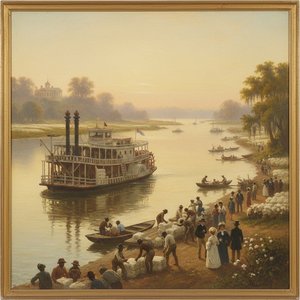
William Aiken Walker: A Southern Luminist's Vision of River Life & Antebellum Society
Explore the evocative paintings of William Aiken Walker, a master of Southern Luminism. Discover his poignant depictions of post-Civil War life, African American culture & antebellum landscapes. Learn about this important artist's legacy.
Documentary Photography's Defining Moments: 10 Masterpieces for Your Home |
Explore 10 defining documentary photography masterpieces – from Dorothea Lange to Robert Capa. Discover powerful stories, iconic images & timeless art for your home. Museum-quality prints at .
أروع 25 لوحة فنية في بينالي فينيسيا: تحف فنية تزين منزلك
اكتشف أروع 25 لوحة فنية في بينالي فينيسيا! رحلة عبر تاريخ الفن الإيطالي، روائع تجريدية وواقعية من أشهر الرسامين. ديكور فاخر ولوحات زيتية عالية الجودة على OriginalUniqueArt.com