
 معاينة الحجم الواقعي
 مشاركة
 مشاركة
 التفاصيل
 دليل
دليل

 تحميل الملف
 قطع مشابهة
 الأشعة السينية
 عرض شرائح
 الأسئلة والأجوبة
 الإحصائيات
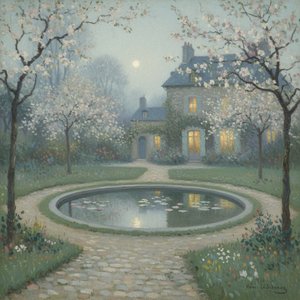
Mrs Richard Le Doux

- 1115.0 x 2000.0 cm


 عرض المزيد
طباعة جيلي / مطبوعات فنية
طباعة جيكلي أو كانفاس بجودة المتاحف، مع سرعة في التنفيذ وخيارات متنوعة للتشطيب. ( شراء لوحة مرسومة يدويًا الانتقال إلى الصورة الرقمية)




P118B E£10

P118H E£10

P118W E£10

P438Z E£10

P508JH E£12

P508YH E£12

P805H E£10

P805Z E£10

P919BZ E£10

P919G E£10

P919XJ E£10

P959ZH E£10

P968JZ E£12

W106C E£8

W218G E£10

W218JH E£8

W218Y E£10

W307PJ E£10

W316G E£10

W316PJ E£8

W316Y E£10

W398PJ E£8

W4111J E£10

W500HY E£15

W500JH E£15

W692G E£12

W849H E£8

W940BG E£15

W953PJ E£8




اختر من بين أحجامنا المُعدّة مسبقاً والتي تتوافق مع النسب الأصلية للعمل الفني.

أدخل العرض والارتفاع المطلوبين ليتناسب المقاس مع إطارك أو جدارك. يرجى الملاحظة أن المطبوعة يمكن قصها فقط ولا يمكن تكبيرها لتتجاوز أبعاد الصورة الأصلية، لذا فإن اختيار مقاس بأبعاد مختلفة سيؤدي إلى فقدان جزء من الصورة. سنرسل لك نموذجاً رقمياً تجريبياً لاعتماده قبل البدء في عملية الطباعة. الصورة المعروضة في هذه الصفحة لا توضح شكل القص الفعلي — النموذج التجريبي فقط هو ما يظهر ذلك بدقة.
توصيل عالمي إلى خلال أسبوعين بدلاً من المدة القياسية البالغة 4/5 أسابيع. (4 نوفمبر)

شحن سريع ومجاني لجميع أنحاء العالم

قماش كتان عالي الجودة

تأمين شامل على الشحن

ضمان استرداد الرسوم الجمركية

ضمان مطابقة الألوان الحقيقية

سياسة الإرجاع خلال 100 يوم (في حالات العيوب فقط)

ضمان استرداد نقدي بنسبة 100%

خصم عند طلب كميات
 خيار الزجاج متاح فقط للمقاسات التي تقل عن 110 سم

Mrs Richard Le Doux
طباعة جيلي / مطبوعات فنية
مقاس النسخة المطبوعة
-


إجمالي السعر النهائي
E£ 4237
السيرة الذاتية للفنان
A Life Painted Across Continents: The Journey of Vlaho Bukovac
Born Biagio Faggioni in 1855, amidst the sun-drenched shores of Cavtat, Croatia, Vlaho Bukovac’s life was a testament to artistic ambition and cultural fusion. His heritage—an Italian father from Genoa and a Croatian mother—instilled within him a unique perspective, one that would ripple through his canvases and define his eclectic style. Early hardship marked his youth; the sea beckoned not as a romantic ideal but as a necessity, leading him on voyages between Istanbul, Liverpool, and Odessa. These formative years, though physically demanding, broadened his horizons and ignited a restless spirit, ultimately steering him toward the world of art. A brief sojourn in America further fueled this burgeoning passion before he found formal training under Domenico Tojetti in San Francisco, laying the groundwork for his future artistic endeavors. It was in Paris, however, at the prestigious École des Beaux-Arts under the tutelage of Alexandre Cabanel, that Bukovac truly blossomed, embracing a classical academic style that would initially define his success. He soon adopted the name Vlaho Bukovac, a deliberate act of reclaiming and celebrating his Croatian identity—a theme that would resonate throughout his career.From Parisian Salons to Zagreb’s Artistic Awakening
Bukovac's early artistic period unfolded within the vibrant atmosphere of the French Salon, where he quickly gained recognition for his “sugary” realistic style. His paintings were fashionable, technically proficient, and catered to the tastes of a discerning audience. This success afforded him opportunities to travel extensively—to England, Dalmatia, the Black Sea, even as far afield as Chile, Peru, and North America—and to cultivate patronage from influential figures like Samson Fox and Richard LeDoux in England. These commissions allowed him to hone his skills and experiment with various subjects, including large-scale religious works such as “Suffer the Little Children to Come to Me,” a piece that garnered significant attention for its emotional depth and skillful execution. Portraits became another cornerstone of his practice, capturing the likenesses of prominent individuals from British society and the Serbian court with meticulous detail. However, it was his return to Croatia in 1893 that marked a pivotal turning point. He arrived in Zagreb at a moment ripe for artistic innovation, becoming a central figure in the city’s burgeoning art scene and introducing French influences that would reshape Croatian painting. This period saw a shift towards lighter colors, liberated brushstrokes, and an increased emphasis on capturing the fleeting effects of light—a departure from the rigid constraints of academic realism.A Palette of Innovation: Style and Key Works
Bukovac’s artistic evolution was characterized by a willingness to experiment and embrace new techniques. While initially rooted in academic tradition, he gradually moved towards Impressionism and Pointillism, demonstrating an openness to the avant-garde movements sweeping across Europe. This stylistic fluidity is evident in his diverse body of work. “Une Fleur” (A Flower), created in 1887 during his French period, remains one of his most celebrated paintings—a reclining nude that achieved significant recognition and commanded a substantial price at auction. Other popular subjects included "The White Slave," "Potiphar’s Wife," and "Adam and Eve," all showcasing his mastery of the human form and his ability to evoke sensuality and emotion. Back in Croatia, he undertook ambitious projects such as painting the theatre curtain for the Croatian National Theatre, a testament to his commitment to fostering national identity through artistic expression. Works like “Gundulić’s Dream” (1894), "Montenegran Woman", "Minstrel," "Autumn Landscape" and "A Little Dream" further exemplify his evolving style and his deep connection to the Croatian landscape and culture.Legacy of a Transnational Artist
Vlaho Bukovac’s influence extended beyond his paintings; he was also a dedicated educator, serving as a professor at the Academy of Fine Arts in Prague where he introduced Pointillism to a new generation of artists, including Mirko Rački. His death in Prague in 1922 marked the end of a prolific and multifaceted career that spanned multiple locales and artistic styles. He is remembered not only for his technical skill and aesthetic sensibility but also for his role as a cultural bridge—a painter who seamlessly blended Italian heritage, Croatian identity, and French artistic influences. Bukovac’s work represents a crucial transition in modern Croatian art, moving away from rigid academicism towards greater experimentation and individual expression. He remains a significant figure in the history of fine arts in Zagreb, celebrated for his contributions to national identity and his enduring legacy as an artist who dared to embrace change and explore new horizons. His paintings continue to captivate audiences with their beauty, emotional depth, and timeless appeal.
Vlaho Bukovac
1855 - 1922 , Croatia
حقائق سريعة
- Full Name: Vlaho Bukovac
- Nationality: Croatian
- Date Of Birth: 1855
- Date Of Death: 1922
- Place Of Birth: Tivat, Croatia
- Notable Artworks:
- Une Fleur
- Suffer the Little Children
- Samson Fox
- Gundulić's Dream
- Artistic Movement Or Style: Impressionism, Realism
- Artists Who Influenced This Artist: ['Alexandre Cabanel']
- Artists Or Movements Influenced By This Artist:
- Mirko Rački
- Croatian Nationalism
مقالات ذات صلة
Henri Le Sidaner: Evoking Atmosphere & Intimacy in Post-Impressionist Landscapes
Discover the evocative world of Henri Le Sidaner, a master of Intimist painting. Explore his tranquil landscapes & atmospheric interiors – a celebration of light and intimacy. Learn about his life, style, and lasting legacy.

ما وراء الضوء واللون: الانطباعية وما بعد الانطباعية لهواة جمع التحف المميزين
استكشف عالم الانطباعية وما بعد الانطباعية مع OriginalUniqueArt. دليلك الشامل لجمع روائع سيزان، فان غوخ وغيرهم. نصائح استثمارية وتقييم فني احترافي.

أعمال بول سيزان الخالدة: 25 تحفة فنية تزين منزلك بجمال الألوان والضوء
اكتشف 25 تحفة فنية لبول سيزان، رائد الانطباعية وما بعد الانطباعية. استكشف قصص لوحاته الزيتية الشهيرة وألوانه الجريئة وتقنياته الفريدة. احصل على إلهام لديكور منزلك الفاخر مع OriginalUniqueArt.com.

Impressionism's Masterpieces: 10 Paintings That Defined a Movement | OriginalUniqueArt
Journey through Impressionism's heart with 10 iconic paintings by Monet, Renoir & Degas. Explore light, color & the stories behind these masterpieces. Find museum-quality art reproductions and elevate your home decor on OriginalUniqueArt.com.

Richard Hayley Lever: A Study in British Impressionism & Coastal Light
Explore the captivating world of Richard Hayley Lever (1876-1958), a master of Impressionism renowned for his vibrant coastal scenes. Discover his life, style & legacy with OriginalUniqueArt.