Early Renaissance
SAINT JULIEN (فيتوري كريفيللي)
أبدع فيتوري كريفيللي (1440–1501) في SAINT JULIEN. تنتمي إلى حركة Early Renaissance. صُنعت من Tempera On Panel. تُحفظ في Musée du Petit Palais في أفينيون, فرنسا.
- Tempera On Panel
- Musée du Petit Palais, أفينيون

 معاينة الحجم الواقعي

 لوحة زيتية مرسومة يدوياً
 مشاركة
 مشاركة
 بطاقة المعلومات


 تحميل الملف
 قطع مشابهة
 الأشعة السينية
 عرض شرائح
 الأسئلة والأجوبة

 الإحصائيات
SAINT JULIEN باختصار
- العنوان
- SAINT JULIEN
- الفنان
- فيتوري كريفيللي (1440–1501)
- تاريخ ميلاد الفنان
- البندقية, إيطاليا
- الوسيط الفني
- Tempera On Panel
- أماكن العرض
- Musée du Petit Palais, أفينيون, فرنسا
- الحركة
- Early Renaissance
- الحقبة الزمنية
- Renaissance
- الموضوع
- saint, man, staff, grass, gold, red
ماذا يصور SAINT JULIEN؟
Identification of the Portrait of Saint Julien
SAINT JULIEN is a portrait-like representation of an Italian saint, executed by the Early Renaissance painter Vittore Crivelli. The work focuses on the figure of the saint, presenting him in a manner that emphasizes his individual presence against a dark, minimalist background.
The subject is identified through specific iconographic attributes. He is depicted holding a staff and a bundle of grass, objects that characterize his traditional representation. These elements provide the primary visual cues for his identity within the devotional tradition.
Composition and Visual Elements
The vertical panel arrangement centers the figure of the saint against a dark, receding background. This placement creates a portrait-like focus, isolating the subject to emphasize his presence. A simple landscape provides the setting, featuring stylized foliage that suggests a natural environment without requiring deep perspectival complexity. The saint is identified by specific attributes: a staff held in one hand and a bundle of grass in the other.
The color palette relies on a series of warm tones. Gold, red, blue, and brown dominate the visual field, creating a devotional atmosphere. These colors define the figure's form and the folds of the drapery. The use of gold leaf adds a sense of opulence to the composition, contrasting with the darker, more muted tones of the background. Light appears diffused, as if emanating from a single, steady source like candlelight.
Technique and Material Composition
The work is executed in tempera on a wood panel. The artist employed a binding medium of egg tempera to achieve a precise, controlled application of pigment. This method requires meticulous layering of colors to build depth and form, particularly within the drapery and the figure's anatomy. Such technical rigor ensures a smooth surface texture, though subtle variations in the application suggest the deliberate movement of the brush.
The palette relies on high-quality pigments to establish a sense of divine luminosity. Notable materials include ultramarine blue and red lake, which provide deep, saturated tones. To enhance the visual impact and create a sense of sacred space, the panel is likely gilded. This use of gold leaf contributes to the opulent atmosphere characteristic of the period's devotional objects.
Artistic Style and Visual Characteristics
The work is characteristic of Early Renaissance Venetian art, maintaining a balance between decorative tradition and emerging naturalism. A prominent feature is the meticulous rendering of clothing, where precise lines define the figure's form and the complex folds of the drapery. These linear details provide a sense of structure to the saint's silhouette against the dark background. The application of gold leaf adds a layer of material opulence, typical of the period's devotional aesthetic.
Lighting is handled with a certain flatness, simulating a diffused light source similar to candlelight. This approach avoids dramatic shadows, instead creating a steady, even illumination across the subject. Such lighting, combined with the centered composition, produces an atmosphere of solemnity and reverence. The visual language relies on these controlled elements to direct the viewer's focus toward the saint's attributes, specifically the staff and the bundle of grass.
أي متحف يضم SAINT JULIEN؟
Musée du Petit Palais
أفينيون, فرنسا
جوهرة تاريخ الفن في بروفانس في قلب مدينة أفينيون، تلك المدينة الضاربة بجذورها في أعماق التاريخ البابوي وعصر الرعاية الفنية، يربض متحف Musée du Petit Palais ككنز ثمين لكل من سحرته بدايات ازدهار الفن الأوروبي. إن الخطو عبر أبوابه يعني الدخول إلى ملاذ تلتقي فيه أصداء العصور الوسطى مع فجر عصر النهضة المشرق. ولا يتميز هذا المتحف بكونه مجرد مستودع للوحات الفنية فحسب، بل كشاهد على تلاقي مجموعتين استثنائيتين: وصية جيامبيترو كامبانا وإرث مدرسة أفينيون.


صور عالية الدقة لـ SAINT JULIEN
فيتوري كريفيللي, SAINT JULIEN, Musée du Petit Palais. ملك عام
أسئلة وإجابات حول SAINT JULIEN
أين يمكنني مشاهدة العمل الأصلي "SAINT JULIEN" للفنان فيتوري كريفيللي؟
تُحفظ النسخة الأصلية من "SAINT JULIEN" للفنان فيتوري كريفيللي في Musée du Petit Palais, أفينيون, فرنسا، بينما تتيح لك هذه النسخة المطبوعة عرض العمل الفني في منزلك.
ما هي التقنية المستخدمة في تنفيذ "SAINT JULIEN" للفنان فيتوري كريفيللي؟
تعتمد التقنية المستخدمة في "SAINT JULIEN" للفنان فيتوري كريفيللي على Tempera On Panel، وتهدف النسخ المطبوعة إلى محاكاة مظهر هذه التقنية.
ماذا يصور "SAINT JULIEN"؟
تتضمن الموضوعات المتضمنة في "SAINT JULIEN" للفنان فيتوري كريفيللي كلاً من saint, man, staff, grass, gold, red, blue, cloak، والتي تلخص مجتمعةً فحوى العمل الفني.
هل "SAINT JULIEN" للفنان فيتوري كريفيللي ضمن الملكية العامة؟
أما بخصوص حقوق الطبع والنشر، فإن "SAINT JULIEN" تندرج ضمن ملك عام - انتهت مدة حماية حقوق الطبع والنشر الخاصة به.
من هو الفنان الذي أبدع "SAINT JULIEN"؟
يُنسب العمل "SAINT JULIEN" إلى فيتوري كريفيللي.
إلى أي حركة فنية ينتمي العمل "SAINT JULIEN" للفنان فيتوري كريفيللي؟
تنتمي لوحة "SAINT JULIEN" للفنان فيتوري كريفيللي إلى حركة Early Renaissance الفنية، ويضع هذا التصنيف العمل ضمن سياق مجموعة من الفنانين والأعمال الفنية ذات الصلة.
ما هي الأسباب الكامنة وراء الوضع القانوني لحقوق الطبع والنشر لـ "SAINT JULIEN" للفنان فيتوري كريفيللي؟
تعتمد حالة حقوق الطبع والنشر لـ "SAINT JULIEN" - ملك عام - انتهت مدة حماية حقوق الطبع والنشر الخاصة به - على تاريخ وفاة الفنان في 1501.
هل بقيت "SAINT JULIEN" في الموطن الأصلي لفنانها؟
لا - العمل الفني موجود خارج البلاد. وُلد فيتوري كريفيللي في إيطاليا، بينما يقع المتحف الذي يحتفظ بالنسخة الأصلية من "SAINT JULIEN" في فرنسا.
كيف تندرج لوحة "SAINT JULIEN" ضمن المسيرة الفنية لـ فيتوري كريفيللي؟
تندرج لوحة "SAINT JULIEN" ضمن النتاج الفني لـ فيتوري كريفيللي، حيث تجسد أسلوب Early Renaissance وتستعرض موضوعات gothic and renaissance synthesis, venetian and flemish influences, religious devotional work, part of venetian renaissance.
عن الفنان، فيتوري كريفيللي

1440–1501, إيطاليا
فيتوري كريفيللي
فيتوري كريفيللي: صدى البندقية للتصوف القوطي يبرز فيتوري كريفيللي (المولود حوالي 1440 في البندقية، والمتوفى 1501/2 في البندقية) كشخصية ساحرة ضمن عصر النهضة في البندقية؛ فهو الرسام الذي احتضن عظمة عصره وفي الوقت ذاته احتفظ بآثار الحماس التعبيري الذي ميز الفن القوطي. ولد في البندقية حوالي عام 1440، ونشأ في عائلة متجذرة في التقاليد الفنية، مرتبطة بشكل وثيق بأخيه كارلو كريفيللي، الذي شكل أسلوبه المتميز ملامح أعمال فيتوري بعمق. وبينما كانت أعمال كارلو تميل نحو السرديات الدرامية المصبوغة بالعمق الرمزي—حيث يصور القديسين والشخصيات الكتابية مغمورين في ضوء أثيري—سعى فيتوري نحو جمالية أكثر انضباطاً، واضعاً الأولوية لـ التفاصيل الدقيقة والواقعية النفسية. وتعكس هذه الثنائية التيارات الفنية الأوسع في البندقية خلال القرن الخامس عشر، حيث استمرت التأثيرات القوطية جنباً إلى جنب مع المثل الإنسانية المتنامية.
أعمال أخرى لـ فيتوري كريفيللي
 Saint Jerome (panel from an altarpiece)1481
 Madonna and Child with Two Angels1481
 Madonna and Child Enthroned with Two Angels and a Donor1481
 Madonna and Child with a clove.1450
مقالات حول SAINT JULIEN
 25 Iconic Piero di Cosimo Paintings: A Visual Journey Through His Mythical and Realistic ArtExplore 25 iconic Piero di Cosimo paintings from the Florentine Renaissance. Discover the full collection online at OriginalUniqueArt.com.
 25 Essential Works by Sebastiano del Piombo: A Visual GuideExplore 25 iconic works by Sebastiano del Piombo. Trace his High Renaissance journey and explore the full collection online at OriginalUniq…
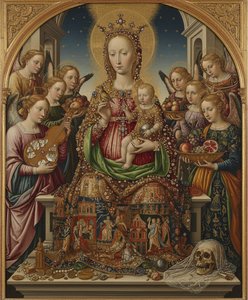 Carlo Crivelli: Mysticism & Materiality in Renaissance VeniceExplore the captivating world of Carlo Crivelli, a Renaissance master blending Gothic detail with profound symbolism. Discover his unique s…