

 معاينة الحجم الواقعي
 إرسال
إرسال مشاركة
 عرض التفاصيل
 دليل الأعمال الفنية للطلاب

 تحميل
تحميل
 قطع مشابهة
 الأشعة السينية
 عرض شرائح متتابع
 الإحصائيات
كوسيمو كأوغسطس


 اقرأ المزيد
طباعة جيلي / مطبوعات فنية
طباعة جيكلي أو كانفاس بجودة المتاحف، مع سرعة في التنفيذ وخيارات متنوعة للتشطيب. ( اطلب نسخة مرسومة يدويًا التحويل إلى الصورة الرقمية)




P118B E£10

P118H E£10

P118W E£10

P438Z E£10

P508JH E£12

P508YH E£12

P805H E£10

P805Z E£10

P919BZ E£10

P919G E£10

P919XJ E£10

P959ZH E£10

P968JZ E£12

W106C E£8

W218G E£10

W218JH E£8

W218Y E£10

W307PJ E£10

W316G E£10

W316PJ E£8

W316Y E£10

W398PJ E£8

W4111J E£10

W500HY E£15

W500JH E£15

W692G E£12

W849H E£8

W940BG E£15

W953PJ E£8




اختر من بين أحجامنا المُعدّة مسبقاً والتي تتوافق مع النسب الأصلية للعمل الفني.

أدخل العرض والارتفاع اللذين تحتاجهما، ليتناسب مع إطارك أو جدارك. يمكن قص المطبوعة فقط، ولا يمكن أبداً جعلها أكبر من الصورة الأصلية، لذا فإن أي مقاس بشكل مختلف سيؤدي إلى فقدان جزء من الصورة. سنرسل لك نموذجاً رقمياً تجريبياً لاعتماده قبل البدء في عملية الطباعة. الصورة المعروضة في هذه الصفحة لا توضح القص الفعلي — النموذج التجريبي فقط هو ما يظهر ذلك.
توصيل عالمي إلى خلال أسبوعين بدلاً من المدة القياسية البالغة 4/5 أسابيع. (24 أكتوبر)

شحن سريع ومجاني لجميع أنحاء العالم

قماش كتان فاخر

تأمين شامل على الشحن

ضمان استرداد الرسوم الجمركية

ضمان دقة مطابقة الألوان

سياسة الإرجاع خلال 100 يوم (في حالات العيوب فقط)

ضمان استرداد نقدي بنسبة 100%

عرض خصم الكميات
 خيار الزجاج متاح فقط للمقاسات التي تقل عن 110 سم

كوسيمو كأوغسطس
طباعة جيلي / مطبوعات فنية
مقاس النسخة المطبوعة
-


إجمالي السعر
E£ 4134
فيلم عن الفن والجمال: استعادة صورة القديس يوحنا في عالم الفنون الإيطالية
تعتبر скульпة القديس يوحنا الرأسية للفنان الإيطالي فينشينزو دانتي تحفة فنية فريدة تجسد روح عصر النهضة وتثير تساؤلات عميقة حول العلاقة بين الفن والدين والرمزية الأثرية. هذه العملة، التي أنشأها دانتي عام 1568، ليست مجرد تمثيل بصري للرأس القديس يوحنا، بل هي تعبير عن رؤية فنية متطورة ومؤثرة في سياق تاريخي وثقافي محدد.
- الموضوع والرمزية: يمثل العمل القديس يوحنا يوحنا المعترف، أحد أكثر الشخصيات الدينية شهرة في المسيحية، ويجسد التضحية والإيمان والتوبة. يُعتبر القديس يوحنا رمزًا للسلام والحكمة والقيادة الروحية، وهي قيم أساسية كانت تحظى بأهمية كبيرة في المجتمع الإيطالي آنذاك.
- الأسلوب والتقنية: يتميز العمل بتأثير قوي لعصر النهضة الإيطالية، حيث يركز على التعبير عن الجمال الطبيعي والتوازن بين الشكل والمادة. استخدم دانتي تقنيات النحت البارزة، مثل التشكيل اليدوي الدقيق والتفاصيل الزخرفية المتقنة، لتحويل الحجر إلى عمل فني حيوي يبدو وكأنه ينبض بالحياة.
- التشكيل اليدوي الدقيق: يظهر التشكيل اليدوي الدقيق للعمل مدى براعة الفنان وقدرته على التقاط تفاصيل دقيقة، مما يعكس الاهتمام بالتفاصيل التي كان يميز الفن الإيطالي في تلك الفترة.
- التفاصيل الزخرفية المتقنة: تضفي التفاصيل الزخرفية المتقنة على العمل جمالًا إضافيًا وتزيد من تأثيره العاطفي، حيث تعكس الأناقة والرقي الذي كان يسود الفنون الإيطالية في عصر النهضة.
السياق التاريخي والاجتماعي: تم إنتاج العمل في إطار حركة النهضة الإيطالية التي شهدت تحولًا كبيرًا في الأفكار والفنون، حيث عُدّ الفن وسيلة للتعبير عن القيم الروحية والأخلاقية والتاريخية. كان العمل جزءًا من مجموعة كبيرة من الأعمال الفنية التي تهدف إلى تزيين الكنائس والمباني العامة وتعزيز مكانة الدين في المجتمع الإيطالي.
التأثير العاطفي والإلهام الفني: لا شك أن скульпة القديس يوحنا تثير مشاعر الإعجاب والرهبة لدى المشاهد، وتذكرنا بأهمية القيم الروحية والتضحية والإيمان. يمكن اعتبار العمل مصدر إلهام للفنانين والمصممين الذين يسعون إلى التعبير عن الجمال والحكمة في أعمالهم الفنية، ويستلهمون منه الأساليب التقنية والرمزية التي كانت سائدة في عصر النهضة الإيطالية.
إن استعادة صورة القديس يوحنا هذه في عالم الفنون الإيطالية تذكرنا بقوة الفن وقدرته على إثارة العواطف والتأثير في نفوس الناس، وتدعونا إلى تقدير التراث الثقافي والإنساني الذي تركته لنا الأجيال السابقة.
الأسئلة والأجوبة
أين تُعرض "كوسيمو كأوغسطس" للفنان Vincenzo Danti اليوم؟
تُحفظ النسخة الأصلية من "كوسيمو كأوغسطس" للفنان Vincenzo Danti في المتحف الوطني دل برادو, فلورنسا, إيطاليا. وتتيح لك النسخة المطبوعة عرض هذا العمل الفني في منزلك.
هل يتوفر "كوسيمو كأوغسطس" كنسخة مطبوعة فنية فاخرة؟
يمكن طلب نسخة مطبوعة من "كوسيمو كأوغسطس" للفنان Vincenzo Danti مباشرة عبر صفحة مطبوعة فنية فاخرة الخاصة بها: مطبوعة فنية فاخرة على قماش قطني أو ورق كانفاس أرشيفي.
ما مدى إشراق "كوسيمو كأوغسطس" بشكل عام؟
من حيث السطوع الملحوظ، فإن "كوسيمو كأوغسطس" للفنان Vincenzo Danti يتميز بـ متألق.
نبذة عن الفنان
The Sculptural Legacy of Vincenzo Danti
Born in the vibrant artistic atmosphere of Perugia, Italy, Vincenzo Danti emerged as a profound figure of the Italian Renaissance, carving his name into the history of sculpture through a mastery of form and classical reverence. The son of an architect and goldsmith, Danti’s early exposure to the delicate precision of metalwork and the structural grandeur of architecture laid the foundation for a career defined by anatomical rigor and monumental ambition. His journey took him from the formative studies in Rome to the prestigious artistic circles of Florence, where he would eventually become one of the leading court sculptors of the late sixteenth century.
Danti’s artistic development was deeply shaped by the shadows of the masters who preceded him. In his early years, the influence of Donatello is evident in his bronze reliefs, such as his depiction of Moses and the Brazen Serpent, where he explored the nuances of low relief with a sensitivity to texture and narrative. As his career progressed, the monumental presence of Michelangelo Buonarroti became a guiding light, particularly in Danti's ability to imbue stone and bronze with an elegant, elongated grace characteristic of the Mannerist style. This stylistic evolution allowed him to navigate the complex tension between realistic anatomical detail and the stylized, sophisticated beauty demanded by his high-profile patrons.
Mastery of Form and Patronage
The trajectory of Danti’s career was inextricably linked to the powerful dynasties of the era, most notably the Medici. His ability to translate political ambition into physical permanence is perhaps best captured in his work Cosimo as Augustus. In this striking sculpture, Danti utilized Carrara marble to elevate Cosimo I de’ Medici to the legendary status of a Roman Emperor, blending meticulous musculature with the idealized aesthetics of antiquity. Such works were not merely artistic endeavors but powerful instruments of propaganda, designed to project stability and divine authority through the language of classical iconography.
Danti's technical prowess was frequently tested by the scale and difficulty of his commissions. His achievements include:
- The Beheading of St John the Baptist: A breathtaking bronze group positioned above the doors of the Baptistero di San Giovanni in Florence, showcasing the elegant, elongated limbs and dramatic drapery of the Mannerist tradition.
- Honour Triumphant over Falsehood: A remarkable feat of skill where Danti carved a statue in the round from a single block of marble, a testament to his extraordinary command over his medium.
- Bronze Statuary for Perugia: His early success in securing commissions, such as the bronze statue of Pope Julius III, which established his reputation far beyond his native city.
Beyond the chisel and the forge, Danti was a man of intellectual depth, attempting to codify the very principles of his craft. He dedicated himself to writing a treatise on the rules of order and proportion in architecture, seeking to bridge the gap between the physical act of sculpting and the mathematical harmony of design. Though much of his theoretical work remained unfinished, his life remains a testament to the Renaissance ideal: a seamless integration of technical skill, classical scholarship, and the pursuit of eternal beauty.

Vincenzo Danti
1530 - 1576 , Italy
لمحة سريعة
- Artistic Movement Or Style: Renaissance, Mannerist
- Artists Who Influenced This Artist:
- Donatello
- Michelangelo Buonarroti
- Full Name: Vincenzo Danti
- Nationality: Italian
- Notable Artworks:
- Cosimo as Augustus
- Moses and the Brazen Serpent
- Beheading of St John the Baptist
- Honour Triumphant over Falsehood
- Place Of Birth: Perugia, Italy
- Date Of Birth: 1530
- Date Of Death: 1576
مقالات ذات صلة

Bronze Age to Modern Masters: 10 Sculptures That Redefined Art | OriginalUniqueArt
Journey through art history with 10 legendary bronze sculptures – from Michelangelo's David to Rodin’s Thinker. Explore the stories, techniques & timeless beauty of these masterpieces. Find museum-quality reproductions & elevate your home decor on OriginalUniqueArt.com.

The Enduring Form: Exploring Themes & Techniques in Sculpture Across Historical Periods
Explore the rich history of sculpture from ancient masterpieces to contemporary innovations. Discover key techniques, influential artists & investment potential for discerning art collectors.

Bronze Sculptures That Defined Art History | OriginalUniqueArt
Journey through art history with our Top 10 bronze sculptures! Explore masterpieces by Rodin, Michelangelo & more. Discover stories behind iconic statues and find museum-quality reproductions for your home decor at OriginalUniqueArt.com.

The Enduring Form: Sculpture Across History, Technique & Emotional Resonance
Explore the rich history of sculpture with OriginalUniqueArt. Discover key techniques, influential artists & investment potential for discerning collectors. Expert insights into valuing and collecting timeless masterpieces.
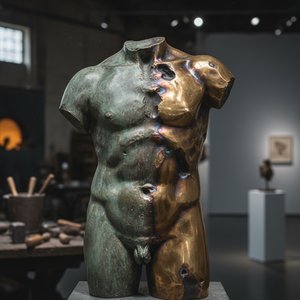
الإرث الدائم للنحت البرونزي: تاريخ، تقنيات، وتفسيرات معاصرة
استكشف تاريخ النحت البرونزي وتقنياته العريقة، من صب الشمع المفقود إلى التحف المعاصرة. دليل شامل لجامعي الفن والمستثمرين والمهتمين بتقييم الأعمال الفنية.
