

 معاينة الحجم الواقعي
 إرسال
إرسال مشاركة
 عرض التفاصيل
 دليل الأعمال الفنية للطلاب

 تحميل
تحميل
 قطع مشابهة
 الأشعة السينية
 عرض شرائح متتابع
 الإحصائيات
Ferruccio Busoni


 اقرأ المزيد
طباعة جيلي / مطبوعات فنية
طباعة جيكلي أو كانفاس بجودة المتاحف، مع سرعة في التنفيذ وخيارات متنوعة للتشطيب. ( اطلب نسخة مرسومة يدويًا التحويل إلى الصورة الرقمية)




P118B E£10

P118H E£10

P118W E£10

P438Z E£10

P508JH E£12

P508YH E£12

P805H E£10

P805Z E£10

P919BZ E£10

P919G E£10

P919XJ E£10

P959ZH E£10

P968JZ E£12

W106C E£8

W218G E£10

W218JH E£8

W218Y E£10

W307PJ E£10

W316G E£10

W316PJ E£8

W316Y E£10

W398PJ E£8

W4111J E£10

W500HY E£15

W500JH E£15

W692G E£12

W849H E£8

W940BG E£15

W953PJ E£8




اختر من بين أحجامنا المُعدّة مسبقاً والتي تتوافق مع النسب الأصلية للعمل الفني.

أدخل العرض والارتفاع اللذين تحتاجهما، ليتناسب مع إطارك أو جدارك. يمكن قص المطبوعة فقط، ولا يمكن أبداً جعلها أكبر من الصورة الأصلية، لذا فإن أي مقاس بشكل مختلف سيؤدي إلى فقدان جزء من الصورة. سنرسل لك نموذجاً رقمياً تجريبياً لاعتماده قبل البدء في عملية الطباعة. الصورة المعروضة في هذه الصفحة لا توضح القص الفعلي — النموذج التجريبي فقط هو ما يظهر ذلك.
توصيل عالمي إلى خلال أسبوعين بدلاً من المدة القياسية البالغة 4/5 أسابيع. (23 أكتوبر)

شحن سريع ومجاني لجميع أنحاء العالم

قماش كتان فاخر

تأمين شامل على الشحن

ضمان استرداد الرسوم الجمركية

ضمان دقة مطابقة الألوان

سياسة الإرجاع خلال 100 يوم (في حالات العيوب فقط)

ضمان استرداد نقدي بنسبة 100%

عرض خصم الكميات
 خيار الزجاج متاح فقط للمقاسات التي تقل عن 110 سم

Ferruccio Busoni
طباعة جيلي / مطبوعات فنية
مقاس النسخة المطبوعة
-


إجمالي السعر
E£ 4113
A Window into Modernity: Decoding Boccioni’s “Portrait of Ferruccio Busoni”
Umberto Boccioni's 1916 portrait of the celebrated composer Ferruccio Busoni is more than a likeness captured on canvas; it’s a vibrant distillation of an era, a testament to artistic kinship, and a poignant reflection on the cusp of change. Painted in the final months of Boccioni’s tragically short life, the work embodies the core tenets of Futurism while simultaneously reaching beyond its boundaries, hinting at a deeper exploration of form and emotion. The scene unfolds outdoors, immersing Busoni within a lush environment that feels both grounding and dynamic. He is seated, partially obscured by a hat, creating an intriguing sense of mystery – not hiding, but rather inviting contemplation on the intellectual energy radiating from within.
The Energetic Brushstroke: Technique and Futurist Principles
Boccioni’s masterful technique is immediately apparent in the vigorous impasto—the thick application of oil paint that lends a tactile quality to the surface. This isn't merely about depicting texture; it’s about conveying energy, mirroring the dynamism Busoni himself embodied as a composer constantly pushing boundaries. The brushstrokes aren’t blended or smoothed but remain visible, swirling and flowing like currents of thought. Lines are predominantly organic, echoing the natural forms surrounding Busoni, yet they possess an underlying sense of controlled chaos characteristic of Futurist principles. Boccioni wasn't interested in strict realism; he sought to capture not just *what* Busoni looked like but the very essence of his presence and the intellectual atmosphere that enveloped him. The layering of colors builds depth while deliberately flattening perspective, prioritizing emotional impact over photographic accuracy. This approach allows the painting to vibrate with life, a visual equivalent of Busoni’s complex musical compositions.
A Moment Suspended: Historical Context and Artistic Dialogue
The year 1916 was a pivotal one, shadowed by the immense upheaval of World War I. Italy found itself embroiled in conflict, and even the celebratory fervor that initially defined Futurism began to grapple with the harsh realities of war. This portrait emerges from this tumultuous context as a quiet moment of contemplation amidst chaos. It’s a tribute not just to Busoni as an artist but also to the power of intellectual connection during times of uncertainty. Boccioni and Busoni shared a mutual respect, both innovators in their respective fields who challenged conventional norms. The painting can be seen as a visual dialogue between two forward-thinking minds, a recognition of kindred spirits navigating a rapidly changing world. The warm hues dominating Busoni’s clothing – oranges, reds, and yellows – contrast beautifully with the cooler blues and greens of the foliage, drawing the eye and creating a harmonious tension that reflects this artistic exchange.
Beyond Representation: Emotional Resonance and Interior Appeal
“Portrait of Ferruccio Busoni” transcends mere representation; it’s an evocation of mood and atmosphere. The swirling brushstrokes, vibrant colors, and dynamic composition create a sense of movement and energy that draws the viewer in. The partially obscured face invites projection, fostering a personal connection with the artwork. It's a painting that doesn't simply *show* you Busoni; it allows you to *feel* his presence. For collectors and interior designers, this piece offers a striking focal point for modern or eclectic spaces. Its Italian avant-garde sophistication adds depth and character to any room, particularly living rooms, studies, or music rooms where its energy and intellectual weight can be fully appreciated. It’s an investment not just in a beautiful object but in a powerful statement about artistic vision and the enduring legacy of Futurism.
الأسئلة والأجوبة
ما هو حجم النسخة المطبوعة المقترح لـ "Ferruccio Busoni" للفنان أمبيرتو بوكيوني؟
يُنصح بطباعة "Ferruccio Busoni" بحجم Large. تتوفر أحجام أخرى بنفس النسب.
كم كان عمر أمبيرتو بوكيوني عندما أُبدع العمل "Ferruccio Busoni"؟
عندما أُبدع العمل "Ferruccio Busoni" في عام 1916، كان عمر الفنان أمبيرتو بوكيوني - المولود في 1882 - هو 34 عاماً.
هل يوجد دليل لـ "Ferruccio Busoni" للفنان أمبيرتو بوكيوني؟
تتوفر صفحة دليل تعليمي لعمل "Ferruccio Busoni" للفنان أمبيرتو بوكيوني: وهي عبارة عن ورقة حقائق قابلة للطباعة حول العمل الفني، مُصممة خصيصاً للطلاب والاستخدام في الفصول الدراسية.
نبذة عن الفنان
أومبرتو بوكيوني: الرائد الإيطالي في الحركة الفنية المستقبلية
في قلب مدينة رجيو كالابريا، وُلد أومبرتو بوكيوني عام 1882، ليصبح لاحقًا أحد أبرز الشخصيات المؤثرة في حركة الفن المستقبلي الإيطالية. لم تكن حياته القصيرة، التي انتهت بشكل مأساوي في عام 1916 عن عمر يناهز الثالث والثلاثين عامًا، مجرد مسار فني، بل كانت تجسيدًا لإيمانه العميق بالتقدم والسرعة والطاقة المحفزة لعصر الآلة. شهدت سنواته الأولى تنقلاً مستمرًا بسبب عمل والده في الخدمة المدنية، مما عرّضه لمناظر طبيعية متنوعة وأشعل بداخله روحًا مضطربة. قاده هذا الترحال إلى روما، حيث بدأ دراسته في الفنون الزخرفية قبل أن ينحاز نحو الرسم، مستوعبًا تأثيرات أسلوب "ليبرتي" الإعلاني. لكن اللقاء الحاسم مع المستقبلية، الذي أشعله كتابات فيليبو تومmaso مارينيتي، هو ما حدد مساره الفني بشكل قاطع.من التجريد إلى الحركة: صعود فنان مستقبلي
شكل عام 1910 نقطة تحول حاسمة في حياة بوكيوني؛ فقد وقع على "مَنِفستو دي بيتوري Futuristi" (بيان الفنانين المستقبليين)، مؤكدًا بذلك التزامه بحركة احتفت بالتكنولوجيا والسرعة بل وحتى العنف كرموز للعصر الحديث. لم يكن هذا مجرد خيار جمالي، بل كان تمردًا فلسفيًا ضد أعباء التقليد، ورغبة في التقاط جوهر عالم يتسارع نحو مستقبل غير مؤكد. سرعان ما أصبح بوكيوني أحد أبرز منظري المستقبلية، حيث وسّع نطاق إعلانات مارينيتي الأولية وطبّقها على الفنون البصرية. جادل بضرورة الانفصال التام عن الدقة التمثيلية، والدعوة بدلاً من ذلك إلى لوحات تنقل ليس فقط شكل الأشياء، بل أيضًا شعورها بالحركة—إحساس بالسرعة، وتجزئة الشكل، والطاقة الهائلة للحياة الحضرية. بدأت أعماله المبكرة، على الرغم من أنها لا تزال تحمل آثارًا من التأثيرات الانطباعية والتجزئية، في إظهار هذا الهوس المتنامي بالحركة. لوحات مثل "المدينة ترتفع" (1910-1911) ضخمة في الحجم والطموح، تصور بناء مدينة حديثة فوضوية—دوامة من الأشكال البشرية والمباني والآلات تجسد المثال المستقبلي.فك شفرة الواقع: التقنية والموضوعات
تميز التطور الفني لبوكيوني بنهج متزايد الجرأة تجاه الشكل. ابتعد عن مفاهيم المنظور والتكوين التقليدية، واحتضن التجزئة كوسيلة لنقل الحركة والطاقة. تم تفكيك الأشياء إلى مكوناتها الأساسية، وتشع خطوط القوة للخارج، وتمزج الألوان في أنماط دوامية—كل ذلك مصمم لخلق إحساس بالاهتزاز البصري. لم يكن هذا التفکیک مجرد أسلوب، بل كان متجذرًا في اعتقاده بأن الواقع نفسه سائل ومتغير باستمرار. سعى إلى تمثيل ليس المظهر الثابت للأشياء، ولكن جوهرها الديناميكي. ظهرت موضوعات رئيسية طوال أعماله: الحركة، والاحتفال بالحداثة، وشغف بالجسم البشري كأداة للتعبير عن الطاقة والحركة. يتجلى هذا بقوة في الأعمال مثل "ديناميكية الجسم البشري" (1913)، حيث لا يتم تصوير الشكل ككيان صلب بل كسلسلة من الأشكال المجزأة التي تشير إلى الحركة عبر الفضاء. ربما يكون إبداعه الأكثر شهرة، "أشكال استمرارية فريدة في الفضاء" (1913)، يتجاوز الرسم تمامًا—تمثال برونزي يجسد المثال المستقبلي بقوة مذهلة. يبدو الشكل وكأنه تم التقاطه أثناء الحركة، وأطرافه وجذعه ممدودان ومشوّهان، مما ينقل إحساسًا بالزخم الذي لا يمكن وقفه.إرث وتأثير دائم
لقد حرمت وفاة بوكيوني المبكرة في عام 1916، خلال الحرب العالمية الأولى، العالم الفني من موهبة حقيقية ذات رؤية ثاقبة. ومع ذلك، استمرت أفكاره وأعماله في صدى طويلًا بعد وفاته. لقد أثر بعمق ليس فقط على الفنانين المستقبليين اللاحقين ولكن أيضًا على الحركات مثل البنائية والتعبيرية التجريدية. لقد مهد استكشافه للحركة والديناميكية وتمثيل الحياة الحديثة الطريق لأشكال جديدة من التعبير الفني، وتحدي المفاهيم التقليدية للجمال والتمثيل.- التأثيرات: تقنيات Divisionism الخاصة بجياكومو بالا، وتجزئة الشكل في التكعيبية، وكتابات نيتشه الفلسفية.
- الأعمال البارزة: "ديناميكية الجسم البشري"، "أشكال استمرارية فريدة في الفضاء"، "المدينة ترتفع"، "ديناميكية راكب الدراجة".
- الأهمية التاريخية: شخصية محورية في فن القرن العشرين، تحدى بوكيوني الأعراف الفنية وساعد في تشكيل مسار الفن الحديث. لا تزال نظرياته حول الحركة والديناميكية تلهم الفنانين اليوم.
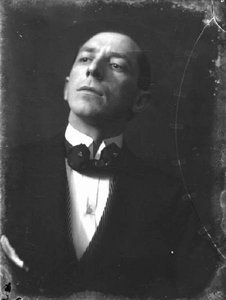
أمبيرتو بوكيوني
1882 - 1916 , إيطاليا
لمحة سريعة
- أعمال فنية بارزة:
- ديناميكية جسم الإنسان
- أشكال استمرارية في الفضاء
- مدينة ترتفع
- ديناميكية دراج
- اضطراب في غاليريا
- الاسم الكامل: أومبرتو بوكشوني
- الجنسية: إيطالي
- الحركات الفنية المتأثرة:
- البنائية
- التعبيرية المجردة
- الحركة الفنية: التقعيديّة
- الفنانون المؤثرون:
- جاكومو بالا
- التقطيعية
- التكعيبية
- تاريخ الميلاد: 19 أكتوبر 1882
- مكان الميلاد: ريجيو كالابريا، إيطاليا
مقالات ذات صلة

Oil on Canvas: A Historical & Technical Exploration of a Timeless Artistic Medium
Explore the rich history & enduring techniques of oil painting on canvas. Discover the science behind its longevity, conservation practices, and contemporary relevance. Expert insights for art enthusiasts.

Umberto Boccioni: Dynamism, Futurist Ideals & the Evolution of Modern Sculpture
Explore the revolutionary art of Umberto Boccioni, a leading figure of Futurism. Discover his iconic sculptures & paintings, and delve into the movement's impact on modern art history with OriginalUniqueArt.

الرسم الزيتي: تاريخ عريق، تقنيات متطورة، وممارسات معاصرة لفن خالد
اكتشف تاريخ الرسم الزيتي وتقنياته المتطورة مع دليل شامل لفن خالد. تعلم عن المواد، الأساليب الكلاسيكية والمعاصرة، وكيفية العناية بلوحاتك الثمينة. خبراء OriginalUniqueArt يرشدونك!

The Enduring Legacy of Oil on Canvas: Technique, History & Aesthetic Impact
Explore the rich history & techniques of oil painting – from Renaissance masters to Impressionism. Discover pigments, layering methods, and why this timeless medium endures. Expert insights for artists & art enthusiasts.

Speed, Power, and Motion: A Journey Through the Energetic Soul of Futurism
Explore the exhilarating energy of Futurism. From Italian dynamism to Russian Cubo-Futurism, journey through a masterclass in speed, power, and motion in art history with our expert cultural reflections.


