
 معاينة الحجم الواقعي
 مشاركة
 مشاركة
 التفاصيل
 دليل
دليل

 تحميل الملف
 قطع مشابهة
 الأشعة السينية
 عرض شرائح
 الأسئلة والأجوبة
 الإحصائيات
Wakan Hyaku Monogatari

 عرض المزيد
طباعة جيلي / مطبوعات فنية
طباعة جيكلي أو كانفاس بجودة المتاحف، مع سرعة في التنفيذ وخيارات متنوعة للتشطيب. ( شراء لوحة مرسومة يدويًا الانتقال إلى الصورة الرقمية)




P118B E£10

P118H E£10

P118W E£10

P438Z E£10

P508JH E£12

P508YH E£12

P805H E£10

P805Z E£10

P919BZ E£10

P919G E£10

P919XJ E£10

P959ZH E£10

P968JZ E£12

W106C E£8

W218G E£10

W218JH E£8

W218Y E£10

W307PJ E£10

W316G E£10

W316PJ E£8

W316Y E£10

W398PJ E£8

W4111J E£10

W500HY E£15

W500JH E£15

W692G E£12

W849H E£8

W940BG E£15

W953PJ E£8




اختر من بين أحجامنا المُعدّة مسبقاً والتي تتوافق مع النسب الأصلية للعمل الفني.

أدخل العرض والارتفاع المطلوبين ليتناسب المقاس مع إطارك أو جدارك. يرجى الملاحظة أن المطبوعة يمكن قصها فقط ولا يمكن تكبيرها لتتجاوز أبعاد الصورة الأصلية، لذا فإن اختيار مقاس بأبعاد مختلفة سيؤدي إلى فقدان جزء من الصورة. سنرسل لك نموذجاً رقمياً تجريبياً لاعتماده قبل البدء في عملية الطباعة. الصورة المعروضة في هذه الصفحة لا توضح شكل القص الفعلي — النموذج التجريبي فقط هو ما يظهر ذلك بدقة.
توصيل عالمي إلى خلال أسبوعين بدلاً من المدة القياسية البالغة 4/5 أسابيع. (7 نوفمبر)

شحن سريع ومجاني لجميع أنحاء العالم

قماش كتان عالي الجودة

تأمين شامل على الشحن

ضمان استرداد الرسوم الجمركية

ضمان مطابقة الألوان الحقيقية

سياسة الإرجاع خلال 100 يوم (في حالات العيوب فقط)

ضمان استرداد نقدي بنسبة 100%

خصم عند طلب كميات
 خيار الزجاج متاح فقط للمقاسات التي تقل عن 110 سم

Wakan Hyaku Monogatari
طباعة جيلي / مطبوعات فنية
مقاس النسخة المطبوعة
-


إجمالي السعر النهائي
E£ 4242
Subject and Composition
This exquisite artwork masterfully blends traditional Japanese aesthetics with a contemporary illustrative sensibility. At its core, the scene centers around a luminous golden candlestick or incense holder, symbolizing enlightenment and spiritual remembrance. Surrounding this focal point are delicately inscribed paper fans, each bearing elegant calligraphy that evokes poetic reflection and cultural reverence. The arrangement of these fans, layered and overlapping, guides the viewer’s eye across the composition, creating a dynamic yet harmonious visual narrative. Subtle botanical motifs, such as bamboo or fern leaves, add a touch of natural serenity, reinforcing themes of harmony between nature and spirituality.Style and Technique
This piece exemplifies a refined fusion of traditional Japanese painting techniques with modern illustrative elements. The use of flat, smooth textures and precise line work reflects the meticulous craftsmanship characteristic of ukiyo-e prints. The color palette is soft and muted, dominated by shades of teal, cream, pink, and black, contrasted by the warm glow of gold on the central object. Ink and watercolor are skillfully employed to create delicate shading and highlights, giving the scene a subtle depth while maintaining a flat, two-dimensional aesthetic typical of Japanese printmaking. The calligraphy adds an additional layer of artistry, emphasizing the importance of written language and poetic expression within the scene.Historical and Cultural Context
Rooted in Japan’s rich cultural tradition, this artwork draws inspiration from the Edo period’s emphasis on poetry, calligraphy, and symbolic objects. The scene likely references spiritual or ritualistic practices, emphasizing themes of enlightenment, remembrance, and the transient nature of life. The integration of calligraphic inscriptions and natural motifs reflects a deep appreciation for the harmony between human expression and the natural world. The artwork’s modern illustrative style bridges past and present, making it relevant for contemporary collectors and interior designers seeking to incorporate traditional Japanese elegance into modern spaces.Symbolism and Emotional Impact
Every element within this composition carries symbolic weight. The central golden candlestick or incense holder signifies illumination and spiritual awakening, while the inscribed fans represent poetic messages and cultural continuity. Botanical motifs evoke serenity and the enduring beauty of nature, fostering a contemplative mood. The layered arrangement and balanced composition evoke a sense of harmony and introspection, inviting viewers to pause and reflect. This piece’s understated elegance and poetic symbolism create an emotional resonance that can inspire tranquility, reverence, and cultural appreciation in any setting.Perfect for Collection and Interior Design
Ideal for art lovers, discerning collectors, and interior designers, this high-quality reproduction offers a timeless glimpse into Japan’s artistic heritage. Its refined aesthetic complements both traditional and contemporary interiors, adding a touch of cultural sophistication and poetic grace. Whether displayed in a living room, study, or gallery space, this artwork serves as a captivating focal point that sparks conversation and inspires reflection. Its meticulous craftsmanship and layered symbolism make it a valuable addition to any curated collection, embodying the enduring beauty and depth of Japanese artistic tradition.الأسئلة والأجوبة
أين يمكنني العثور على أعمال فنية مشابهة لـ "Wakan Hyaku Monogatari" للفنان يوشيتوشي تسوكيوكا؟
تجد الأعمال الفنية المشابهة لـ "Wakan Hyaku Monogatari" للفنان يوشيتوشي تسوكيوكا في صفحة أعمال مشابهة الخاصة بالعمل الفني.
هل يمكنني فحص "Wakan Hyaku Monogatari" بمزيد من التفصيل؟
تُعد صفحة الأشعة السينية لعمل "Wakan Hyaku Monogatari" للفنان يوشيتوشي تسوكيوكا عارضاً تفاعلياً يتيح لك التنقل عبر إحدى عشر طبقة بصرية لصورة العمل الفني، بما في ذلك عرض بأسلوب الأشعة السينية (X-ray).
هل تُعد "Wakan Hyaku Monogatari" نموذجاً لما اعتاد يوشيتوشي تسوكيوكا على إبداعه عادةً؟
يصور "Wakan Hyaku Monogatari" موضوعات japanese calligraphy, symbolic objects, botanical motifs, traditional scene, cultural reverence, poetic elegance, layered visual narrative, illustrative style، بينما تتمثل الثيمات المتكررة لدى يوشيتوشي تسوكيوكا في calligraphy, symbolic objects, cultural reverence, poetic elegance, modern illustrative style. وتُظهر المقارنة بينهما مدى ارتباط هذا العمل بالموضوعات المعتادة للفنان.
السيرة الذاتية للفنان
رحلة فنان في عالم الطباعة الخشبية: تسوكي أوكا يوشيتوشي
في قلب مدينة إيدو الصاخبة، التي تعرف اليوم باسم طوكيو، وُلد تسوكي أوكا يوشيتوشي عام 1839، ليصبح أحد أبرز الأسماء في تاريخ الفن الياباني. لم يكن مجرد فنان للطباعة الخشبية – وهو النمط المعروف باسم "أوكييو-إيه" (صور العالم العائم) – بل كان رائداً فنياً، وقصّاصاً بصرياً تجسد روحه في حقبة من التحولات الجذرية. شهدت حياته صعود وسقوط نظام الشوغون توكوغاوا، وإعلان استعادة ميجي، وتدفق الأفكار الغربية، وكل هذه الأحداث تركت بصمات واضحة على رؤيته الفنية. من خلفية متواضعة كابن تاجر ارتقى إلى صفوف الساموراي، انطلق يوشيتوشي في رحلة فنية قادته إلى ورشة أوتagawa كونيوشي، حيث اكتسب المهارات الأساسية والتقدير العميق للسرد القصصي والتكوين الديناميكي.من التلمذة إلى الاستقلالية الفنية
قضى يوشيتوشي سنواته الأولى في إتقان فن الطباعة الخشبية تحت إشراف كونيوشي، مستوعباً تقنياته وتعلم كيفية تحويل القصص إلى صور آسرة. لكن سرعان ما بدأ في تتبع طريقه الخاص، متجاوزاً التقاليد الراسخة، خاصةً في تصويره للعنف والموت. لم تكن هذه الصور مجرد مشاهد قاسية، بل كانت انعكاساً لزعزعة الاستقرار في عصره ومعاناته الشخصية – فقدان والده وكونيوشي أثرا بشكل كبير على مساره الفني. في منتصف ستينيات القرن التاسع عشر، اكتسب يوشيتوشي اعترافاً بـ "الطباعة الدموية"، وهي سلسلة تتميز بصورها العنيفة وتأثيراتها الدرامية القوية. أعمال مثل *إيمي نيجوهاسشو* (اثنين وعشرين جريمة شهيرة مع أبيات شعرية) أثارت دهشة الجمهور، وكشفت عن قدرته على تصوير مشاهد القتل ببراعة واقعية مذهلة.ابتكار في عالم متغير
يكمن عبقرية يوشيتوشي ليس فقط في اختياره للمواضيع، بل أيضاً في تقنياته الفنية. لقد مزج بمهارة الجماليات اليابانية التقليدية بالتأثيرات الغربية، ودمج عناصر المنظور والتكوين المستمدة من الطباعة والنقش الأجنبي. أدى هذا الدمج إلى إنشاء لغة بصرية فريدة تجمع بين الأصالة اليابانية والحداثة المذهلة. مع تبني اليابان للتحديث، هددت التقنيات الجديدة مثل التصوير الفوتوغرافي والليثوغرافيا وجود الطباعة الخشبية. أدرك يوشيتوشي هذا التحدي واستجاب برفع مستوى حرفته إلى مستويات فنية غير مسبوقة. جرب لوحات الألوان، وحسن تقنيات النحت الخاصة به، ودفع حدود سرد القصص داخل وسيط الطباعة الخشبية. سلسلة *موشا بوروي* (طباعة المحارب) تجسد هذا التفاني – كل طباعة انفجار ديناميكي من الحركة والعاطفة، تعرض مهارته في تصوير الشخصيات البطولية والبطولات الدرامية. لقد أدرك أنه لكي تنجو الطباعة الخشبية، يجب أن تتطور، وقد كرس نفسه لضمان استمرار أهميتها.إرث وتأثير دائم
على الرغم من مواجهة تحديات هائلة – صعوبات مالية وصراعات شخصية وتراجع الأشكال الفنية التقليدية – ظل يوشيتوشي ملتزماً بفنه. عمل بلا كلل حتى وفاته عام 1892، تاركاً وراءه أعمالاً فنية واسعة النطاق لا تزال تلهم الإعجاب والتقدير. على الرغم من أن تأثيره المباشر على الأجيال اللاحقة من الفنانين اليابانيين محل نقاش، إلا أنه لا يمكن إنكار أهميته التاريخية. يظل يوشيتوشي سيد الطباعة الخشبية الأخير، وشخصية محورية حافظت على هذا الفن ورفعه خلال فترة من التغيير العميق. اليوم، تُعرض أعماله في المتاحف والمجموعات حول العالم، وهي شهادة على إرثه الفني الدائم.لمسة أخيرة: تأثير يوشيتوشي المستمر
- الحفاظ على التقاليد: في اليابان التي تتجه نحو التحديث بسرعة، دافع يوشيتوشي عن تقنيات الطباعة الخشبية التقليدية.
- الابتكار الفني: لقد مزج ببراعة الجماليات اليابانية مع التأثيرات الغربية، مما أدى إلى إنشاء أسلوب فريد وديناميكي.
- قوة السرد القصصي: تشتهر أعماله بقصصها المقنعة وتأثيراتها الدرامية القوية.
- التوثيق التاريخي: توفر أعمال يوشيتوشي رؤى قيمة حول المشهد الاجتماعي والسياسي والثقافي في اليابان في القرن التاسع عشر.
- إن تقدير هواة جمع التحف والمتحمسين للفن لأعماله في جميع أنحاء العالم هو شهادة على إرثه الدائم.
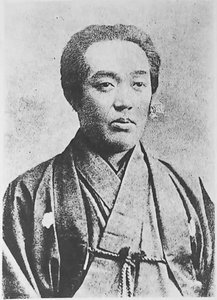
يوشيتوشي تسوكيوكا
1839 - 1892 , اليابان
حقائق سريعة
- أعمال فنية بارزة:
- Tokugawa Iemitsu receiving lords
- Warrior (Yamanaka Shikanasake)
- Musha-e Series
- Sukune - Yoshitoshi Musha Burui
- The Moon And The Abandoned Old Woman
- Sumidagawa- Koji Of Umewaka
- الاسم الكامل: Tsukioka Yoshitoshi
- الجنسية: يابانية
- الحركة الفنية: أُكيُو-إي
- الفنانون المؤثرون: ['Utagawa Kuniyoshi']
- الفنانون المتأثرون: ['فنانون يابانيون مستقبليون']
- تاريخ الميلاد: 30 أبريل 1839
- تاريخ الوفاة: 9 يونيو 1892
- مكان الميلاد: طوكيو، اليابان
مقالات ذات صلة
Masterpieces of Japan: A Definitive Guide to Ukiyo-e and the Art of the Floating World
Explore the profound beauty of Japanese Ukiyo-e. From Hokusai's iconic waves to the elegance of the Edo period, discover the history and masters behind the 'Floating World' in this expert art-history guide for collectors and enthusiasts.

The Floating World: Unveiling the Timeless Beauty and Soul of Japanese Ukiyo-e Artistry
Journey through the ephemeral beauty of Japanese Ukiyo-e. Uncover the profound history of woodblock prints, the mastery of Hokusai, and the captivating link between the 'Floating World' and Impressionism. A sophisticated guide for the discerning art enthusiast.

Floating Worlds: A Definitive Guide to the Mastery and Philosophy of Japanese Ukiyo-e Woodblock Prints
Explore the profound beauty of Ukiyo-e. Discover the history, philosophy, and legendary masters of Japanese woodblock prints, from Hokusai to Kuniyoshi, in this expert guide to the 'Floating World'.
Tsukioka Yoshitoshi: A Master of Ukiyo-e's Final Flourish – Narrative, Innovation, and the Meiji Transition
Explore the life & art of Tsukioka Yoshitoshi, the last great master of ukiyo-e woodblock printing. Discover his dramatic warrior prints, innovative series like 'One Hundred Aspects of the Moon,' and legacy reflecting Japan's Meiji transition.

أعمال كاتسوشيكا هوكوساي الـ 25 الأكثر روعة: تحف فنية تزين منزلك بجمال اليابان
اكتشف 25 تحفة فنية آسرة لكاتسوشيكا هوكوساي، رائد فن الأوكييو-إي الياباني. موجة كاناغاوا وجبل فوجي وأكثر! استلهم ديكور منزلك بألوان مائية يابانية خالدة. تسوق لوحات هوكوساي عالية الجودة على OriginalUniqueArt.com.


