
 معاينة الحجم الواقعي
 مشاركة
 مشاركة
 التفاصيل
 دليل
دليل

 تحميل الملف
 قطع مشابهة
 الأشعة السينية
 عرض شرائح
 الأسئلة والأجوبة
 الإحصائيات
Three Tabletop Games

- 43.0 x 31.0 cm

 عرض المزيد
طباعة جيلي / مطبوعات فنية
طباعة جيكلي أو كانفاس بجودة المتاحف، مع سرعة في التنفيذ وخيارات متنوعة للتشطيب. ( شراء لوحة مرسومة يدويًا الانتقال إلى الصورة الرقمية)




































اختر من بين أحجامنا المُعدّة مسبقاً والتي تتوافق مع النسب الأصلية للعمل الفني.

أدخل العرض والارتفاع المطلوبين ليتناسب المقاس مع إطارك أو جدارك. يرجى الملاحظة أن المطبوعة يمكن قصها فقط ولا يمكن تكبيرها لتتجاوز أبعاد الصورة الأصلية، لذا فإن اختيار مقاس بأبعاد مختلفة سيؤدي إلى فقدان جزء من الصورة. سنرسل لك نموذجاً رقمياً تجريبياً لاعتماده قبل البدء في عملية الطباعة. الصورة المعروضة في هذه الصفحة لا توضح شكل القص الفعلي — النموذج التجريبي فقط هو ما يظهر ذلك بدقة.
توصيل عالمي إلى خلال أسبوعين بدلاً من المدة القياسية البالغة 4/5 أسابيع. (15 نوفمبر)

شحن سريع ومجاني لجميع أنحاء العالم

قماش كتان عالي الجودة

تأمين شامل على الشحن

ضمان استرداد الرسوم الجمركية

ضمان مطابقة الألوان الحقيقية

سياسة الإرجاع خلال 100 يوم (في حالات العيوب فقط)

ضمان استرداد نقدي بنسبة 100%

خصم عند طلب كميات
 خيار الزجاج متاح فقط للمقاسات التي تقل عن 110 سم

Three Tabletop Games
طباعة جيلي / مطبوعات فنية
مقاس النسخة المطبوعة
-


إجمالي السعر النهائي
E£ 4330
الأسئلة والأجوبة
ما مدى قوة التباين في "Three Tabletop Games" للفنان Torii Kiyomitsu؟
يبلغ مستوى التباين بين الضوء والظلال في "Three Tabletop Games" درجة Gentle؛ ويُعبر التباين عن مدى قوة الاختلاف بين المناطق الفاتحة والمظلمة.
هل يتوفر عرض مسبق بتقنية الواقع المعزز لـ "Three Tabletop Games"؟
تتوفر ميزة المعاينة بالواقع المعزز لـ "Three Tabletop Games": حيث تعرض صفحة معاينة بتقنية الواقع المعزز العمل الفني في مساحتك الخاصة عبر جهاز متوافق.
ما هي أبعاد العمل الأصلي "Three Tabletop Games"؟
أبعاد العمل الفني المسجلة لـ "Three Tabletop Games" للفنان Torii Kiyomitsu هي 43 x 31 cm. يمكن طلب نسخ مطابقة بأحجام أخرى مع الحفاظ على نفس النسب.
السيرة الذاتية للفنان
The Third Head of the Torii School
Edo, 1735. A child named Kamejirō enters a world defined by the lineage of the Torii school. He is the son of Torii Kiyonobu II, born into a family that holds a near monopoly on the visual language of the kabuki theater. As he grows, the name Kamejirō fades, replaced by the professional identity of Torii Kiyomitsu.
The workshop functions with a specific, rhythmic purpose. It produces the signboards and promotional materials that announce the arrival of great actors to the masses. For much of his early career, Kiyomitsu operates within these established boundaries. He utilizes the benizuri-e technique, a method of printing that relies on only one or two colors of ink on woodblocks. There is no need for hand-coloring when the graphic impact of pink and green can command the attention of a passing crowd in the entertainment district.
A Shift in Color and Subject
The year 1765 marks a technical rupture. The arrival of full-color prints changes the visual landscape of the floating world. Kiyomitsu does not merely observe this change; he integrates it. His work begins to move beyond the rigid, bombastic lines of his predecessors toward something more nuanced.
While the Torii tradition remains rooted in yakusha-e, or actor prints, Kiyomitsu expands the school's repertoire. He turns his attention to bijinga—pictures of beautiful women. In these works, a different kind of grace emerges. The heavy, theatrical energy of kabuki posters gives way to a dream-like quality in his depictions of young men and women. This period sees him working alongside Suzuki Harunobu, a contemporary whose innovations in multi-block printing redefine the medium.
His subjects vary across the spectrum of Edo life:
- Kabuki Actors: Capturing specific roles, such as Sawamura Sōjūrō as Kyō no Jirō.
- Beautiful Women: Exploring the elegance of bijinga.
- Experimental Subjects: Brief forays into the depiction of nudes, using subtle erotic suggestion.
Legacy and Lineage
The workshop flourishes under his direction, maintaining the core Torii style while allowing for new textures. He remains a bridge between the old, heavy-lined tradition of Kiyonobu II and the more refined, flowing aesthetics of the next generation. His influence is visible in the hands of those he trained.
Two names emerge from his tutelage as significant successors:
- Torii Kiyotsune: A pupil who continued the family traditions with a distinct, sometimes weary disdain in his actor portraits.
- Torii Kiyonaga: An artist who would eventually take leadership of the school and become a master of the genre in his own right.
When Kiyomitsu dies on May 11, 1785, he leaves behind a school that has successfully navigated the transition from simple promotional tools to a sophisticated form of popular art. The bold lines of the past have been tempered by the delicate colors of his era.

Torii Kiyomitsu
1735 - 1785 , Japan
حقائق سريعة
- Artistic Movement Or Style: Ukiyo-e
- Artists Or Movements Influenced By This Artist:
- Torii Kiyonaga
- Torii Kiyotsune
- Artists Who Influenced This Artist:
- Torii Kiyonobu II
- Torii Kiyomasu II
- Full Name: Torii Kiyomitsu
- Nationality: Japanese
- Notable Artworks:
- Three Tabletop Games
- Sawamura Sōjuro as Kyo no Jiro
- Place Of Birth: Tokyo, Japan
- Date Of Birth: 1735
- Date Of Death: 1785
مقالات ذات صلة
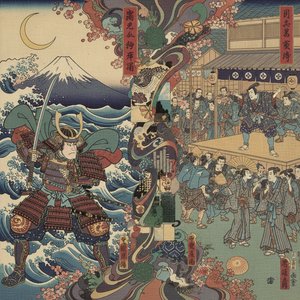
Utagawa Kuniyoshi: A Master of Japanese Ukiyo-e – Narrative Innovation & the Fusion of Tradition with Popular Culture
Explore the captivating world of Utagawa Kuniyoshi, a master of Japanese ukiyo-e woodblock prints. Discover his innovative warrior scenes, vibrant landscapes & lasting legacy in 19th-century art history.