
 معاينة الحجم الواقعي
 إرسال
إرسال مشاركة
 عرض التفاصيل
 دليل الأعمال الفنية للطلاب

 تحميل
تحميل
 قطع مشابهة
 الأشعة السينية
 عرض شرائح متتابع
 الإحصائيات
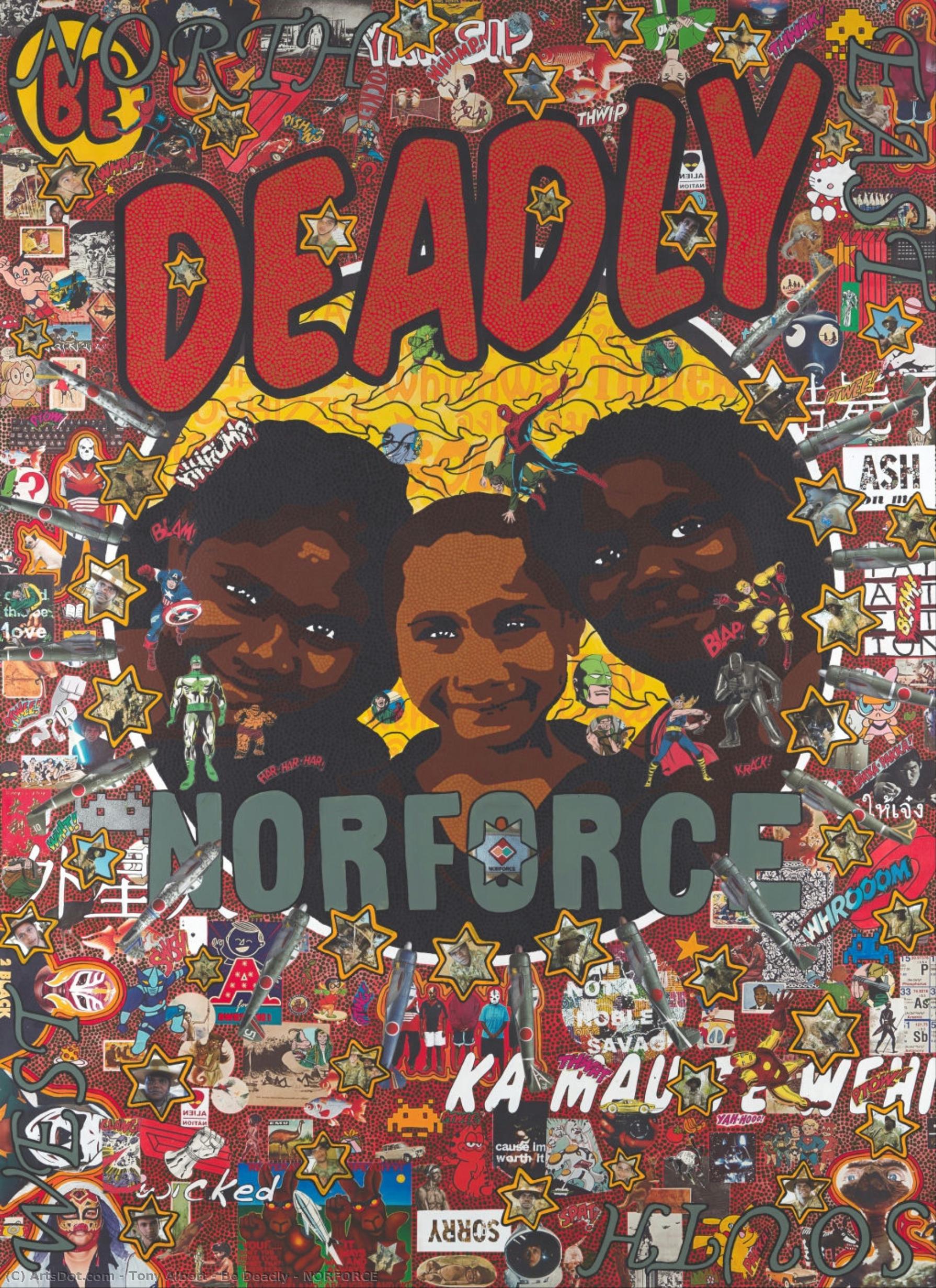
Be Deadly - NORFORCE
 Pop Art
 2013
2013 140.0 x 100.0 cm
 Australian War Memorial
 اقرأ المزيد
نسخة زيتية مصنوعة يدوياً
لوحة زيتية مرسومة يدوياً على الكانفاس بالمقاس والإطار الذي تفضله، تُنفذ حسب الطلب على أيدي فنانينا. ( التبديل إلى المطبوعات التحويل إلى الصورة الرقمية)




































اختر من بين أحجامنا المُعدّة مسبقاً والتي تتوافق مع النسب الأصلية للعمل الفني.

يمكنك إدخال أبعاد خاصة لتناسب إطاراً أو مساحة معينة. وفي حال عدم تطابق الحجم المختار مع نسب الصورة الأصلية، سنقوم إما بقص العمل الفني أو توسيع اللوحة عبر إضافة عناصر مرسومة يدوياً. وسيتم إرسال نموذج رقمي إليك للموافقة عليه قبل بدء عملية الإنتاج.
يرجى ملاحظة أن المعاينة على الشاشة لا تعكس عملية القص أو التوسيع الفعلية؛ إذ إن النموذج الرقمي هو الوحيد الذي يوضح التكوين النهائي بدقة.
وعلى الرغم من توفر أحجام مخصصة، إلا أننا نوصي باختيار أبعاد من القائمة المحددة مسبقاً للحفاظ على النسب الأصلية للعمل الفني.
بعد إتمام الطلب، سيرسل فريق OriginalUniqueArt.com بريداً إلكترونياً للعميل لطلب التعليمات وتزويده بمعاينة تجريبية (mockup).
توصيل عالمي إلى خلال 3 إلى 4 أسابيع بدلاً من المدة المعتادة البالغة 5 أسابيع. (26 سبتمبر). جودة لا تهاون فيها.

شحن سريع ومجاني لجميع أنحاء العالم

قماش كتان فاخر

تأمين شامل على الشحن

ضمان استرداد الرسوم الجمركية

ضمان دقة مطابقة الألوان

سياسة الإرجاع خلال 100 يوم (في حالات العيوب فقط)

ضمان استرداد نقدي بنسبة 100%

عرض خصم الكميات
 خيار الزجاج متاح فقط للمقاسات التي تقل عن 110 سم

Be Deadly - NORFORCE
وسيط إعادة الإنتاج
مقاس النسخة المطبوعة
-


إجمالي السعر
$ 325
نبذة عن الفنان
A Voice of Indigenous Resilience
Born in 1981 in the coastal landscape of Townsville, Australia, Tony Albert has emerged as a profoundly influential figure in contemporary art, wielding his practice to confront the heavy complexities of colonial history. As a descendant of the Girramay, Yidinji, and Kuku-Yalanji peoples, Albert’s work is deeply rooted in an interrogation of identity within Aboriginal Australian culture. His artistic journey was shaped by formal training at Griffith University's Queensland College of Art in Brisbane, where he refined his ability to translate historical trauma into a sophisticated visual language. Through a masterful command of painting, photography, and mixed media, Albert does not merely depict history; he actively deconstructs the narratives that have sought to define Indigenous existence.
The essence of Albert’s vision lies in his deliberate engagement with the contradictions of Australia’s past and present. He possesses a unique ability to blend the vibrant, high-energy aesthetics of Pop Art and Graffiti with traditional Aboriginal motifs, creating a jarring yet captivating juxtaposition. This stylistic tension serves as a mirror to the societal frictions he explores. One of his most poignant thematic preoccupations is the use of "Aboriginalia"—kitsch objects and stereotypical memorabilia that historically commodified Indigenous people for non-Indigenous consumption. By repurposing these items, such as plaster heads, Albert transforms symbols of dispossession and assimilation into powerful tools of critique, forcing the viewer to reckon with the dehumanizing nature of colonial gaze.
Technique, Texture, and Collective Identity
Albert’s technical execution is marked by a meticulous attention to detail and an evocative use of texture. He often employs striking elements like black velvet to provide a deep, tactile foundation for his compositions, allowing colors to resonate with heightened intensity. This mastery of palette and material allows him to navigate between the playful and the profound. His work frequently incorporates text, a technique shared with his contemporaries in the ProppaNOW Collective, which he helped found in 2004. Through this urban-based collective, Albert has contributed to a broader, vital dialogue regarding Indigenous experiences within modern, metropolitan environments, moving away from purely traditionalist interpretations of Aboriginal art.
The emotional weight of his work is often anchored in personal and ancestral history. He draws significant inspiration from the legacy of his grandfather, Eddie Albert, an Aboriginal serviceman who survived the hardships of World War II. This connection to the resilience of his kin informs much of his exploration into the political and historical layers of Australian identity. His ability to weave these intimate threads of lineage into large-scale installations and intricate paintings has secured his place in the global art discourse.
Legacy and Critical Recognition
The significance of Tony Albert’s contribution to the art world is reflected in his extensive list of achievements and the prestigious institutions that house his work. His career is marked by several landmark milestones:
- Official War Artist: In 2012, he achieved the distinction of becoming the first Aboriginal Australian official war artist, a role that allowed him to document the intersection of Indigenous identity and national service.
- Curatorial Leadership: His influence extends into curation, notably through his leadership in the 5th National Indigenous Art Triennial, titled After the rain, in 2025.
- Global Presence: With nine solo exhibitions and over fifty group presentations, his work has been featured in major galleries across Australia and internationally, securing positions in prominent public and private collections.
Ultimately, Tony Albert’s art serves as a site of resistance and reclamation. By navigating the space between kitsch and culture, he challenges the viewer to look past the superficial layers of history to find the enduring strength of Indigenous sovereignty. His work remains an essential, unflinching commentary on the ongoing struggle for recognition, representation, and the right to define one's own story in a post-colonial world.

Tony Albert
1981 - , Australia
لمحة سريعة
- Artistic Movement Or Style: Contemporary Indigenous Art
- Date Of Birth: 1981
- Full Name: Tony Albert
- Nationality: Australian
- Notable Artworks:
- Be Deadly - NORFORCE
- Once upon a time… (detail)
- Once upon a time
- Place Of Birth: Townsville, Australia
مقالات ذات صلة
Challenging Conventions: Pop Art's Origins, Evolution & Enduring Legacy
Explore the fascinating history of Pop Art, from its rebellious origins to its enduring influence on contemporary artists. Discover key figures like Warhol & Lichtenstein and learn about collecting this iconic movement.

The Pop Art Revolution: How a Vibrant Movement Redefined Modern Culture and the Aesthetic of Everyday Life
Explore the profound impact of the Pop Art Revolution on modern aesthetics. From Lichtenstein’s dots to Warhol’s icons, gain expert insights into how this vibrant movement redefined culture through consumerism and mass media. A definitive guide for art lovers and collectors.
Digital Collage Unleashed: How to Remix Reality into High-Impact Pop Art
Master the art of digital collage. Discover how to remix pop culture icons, glitch aesthetics, and vibrant textures into high-impact Pop Art for modern urban spaces. Elevate your collection with bold, trend-setting visual strategies from the experts in contemporary graphic art.

Aggressive Confrontational Pop: The Bold Rebellion of Modern Art and Its Impact on Contemporary Aesthetics
Explore the visceral power of Aggressive Confrontational Pop. From the rebellion of NO!art to Neo-Pop icons, discover how bold aesthetics and social critique redefined modern art for today's discerning collectors.

Geek-Chic Interiors: The Definitive Guide to Decorating with Sophisticated Pop Culture Art
Elevate your home with our expert guide to Geek-Chic interiors. Discover how to seamlessly integrate sophisticated pop culture art and hand-painted masterpieces into luxury decor for a refined, modern aesthetic.