
 مشاركة
 مشاركة
 التفاصيل

 تحميل الملف
 قطع مشابهة
 عرض شرائح
Aché Laboratory


 عرض المزيد
نسخة زيتية مصنوعة يدوياً
لوحة زيتية مرسومة يدوياً على الكانفاس بالمقاس والإطار الذي تفضله، تُنفذ حسب الطلب على أيدي فنانينا. ( اشترِ نسخة مطبوعة اشترِ الصورة)




































اختر من بين أحجامنا المُعدّة مسبقًا والتي تتطابق مع النسب الأصلية للعمل الفني.

يمكنك إدخال أبعادك الخاصة لتناسب إطارًا معينًا أو مساحة محددة. وإذا لم يتطابق الحجم الذي اخترته مع نسب الصورة الأصلية، فسنقوم إما بقص العمل الفني أو توسيع اللوحة بإضافة عناصر مرسومة يدويًا. سيتم إرسال نموذج رقمي إليك للموافقة عليه قبل بدء الإنتاج.
يرجى ملاحظة أن المعاينة على الشاشة لا تعكس عملية القص أو التوسيع الفعلية؛ حيث إن النموذج الرقمي وحده هو الذي سيوضح التكوين النهائي بدقة.
وعلى الرغم من توفر أحجام مخصصة، إلا أننا نوصي باختيار أبعاد من القائمة المحددة مسبقًا للحفاظ على النسب الأصلية للعمل الفني.
بعد إتمام الطلب، سيرسل فريق OriginalUniqueArt.com بريداً إلكترونياً للعميل لطلب التعليمات وتزويده بمعاينة تجريبية (mockup).
توصيل عالمي إلى خلال 3 إلى 4 أسابيع بدلاً من المدة المعتادة البالغة 5 أسابيع. (20 أغسطس). جودة لا تهاون فيها.

شحن سريع ومجاني لجميع أنحاء العالم

قماش كتان عالي الجودة

تأمين شحن شامل

ضمان استرداد الرسوم الجمركية

ضمان مطابقة الألوان الحقيقية

سياسة الإرجاع خلال 60 يومًا (في حالات العيوب فقط)

ضمان استرداد نقدي بنسبة 100%

خصم عند طلب عدة قطع
 خيار الزجاج متاح فقط للمقاسات التي تقل عن 110 سم

Aché Laboratory
خامة إعادة الإنتاج
مقاس النسخة المطبوعة
-


السعر الإجمالي النهائي
$ 300
وصف العمل الفني
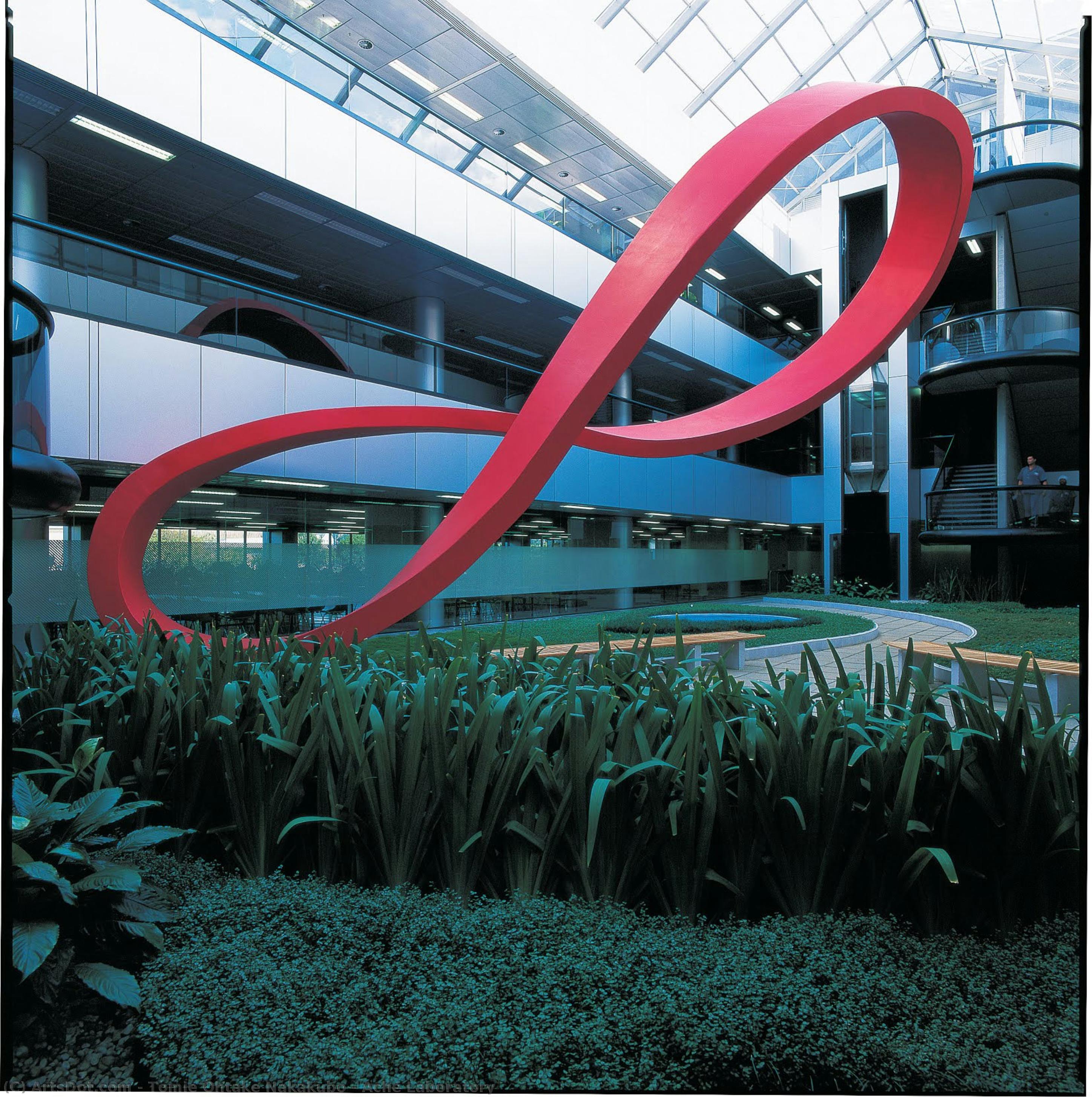
A Bold Statement in Steel: Tomie Ohtake’s *Aché Laboratory*
*Aché Laboratory*, created in 1997 by the celebrated Japanese-Brazilian artist Tomie Ohtake Nakakubo, is more than just a sculpture; it's an architectural intervention and a dynamic exploration of form and space. This monumental work, residing at Laboratório Aché in Guarulhos, Brazil, commands attention with its sweeping curves and vibrant red hue. Weighing 4.5 tons and constructed from steel sections painted with automotive paint, the sculpture measures an impressive 13 meters in length – a testament to Ohtake’s ambition and mastery of large-scale fabrication.Abstract Expression & Architectural Harmony
The style is distinctly modern, leaning towards minimalist abstraction. Ohtake eschews representational imagery, instead focusing on the pure emotive power of form. The looping structure appears to defy gravity, creating a sense of movement and energy within the otherwise structured environment of the pharmaceutical laboratory. It’s not merely *placed* within the space; it actively engages with the architecture, blurring the lines between art and building. Structural calculations were expertly handled by Aluísio Margarido, brought to life through Garra Metalúrgica, Edmundo Canado's team, and executed in collaboration with Método Engenharia, Jorge Utsunomiya, and Vera Fujisaki – a true collaborative effort showcasing Brazilian engineering prowess.Tomie Ohtake: A Life Bridging Cultures
Born in Kyoto, Japan, in 1913, Tomie Ohtake’s life took an unexpected turn when she traveled to Brazil in 1936 and was unable to return due to World War II. This displacement profoundly shaped her artistic vision, leading to a unique synthesis of Eastern aesthetics and Brazilian sensibilities. Ohtake became a pivotal figure in the development of abstract art in Brazil, participating in significant events like the São Paulo Biennale (1961), Venice Biennale (1972) and Tokyo Biennale (1978). Her work often explores themes of displacement, identity, and the human condition.Symbolism & Emotional Resonance
While abstract, *Aché Laboratory* evokes a sense of organic growth and fluidity. The looping form can be interpreted as representing the cyclical nature of life, research, or even the continuous process of innovation inherent in a laboratory setting. The bold red color is particularly striking – often associated with energy, passion, and vitality. It injects warmth into the modern space, creating a focal point that draws the eye and stimulates contemplation. The sculpture doesn’t explicitly *tell* a story; rather, it invites viewers to project their own interpretations onto its form.A Landmark for Interior Inspiration
For interior designers, *Aché Laboratory* serves as an inspiring example of how large-scale abstract art can transform a space. Its dynamic presence adds visual interest and sophistication, while its bold color palette creates a striking contrast against neutral backgrounds. A high-quality reproduction could serve as a statement piece in a modern office lobby, corporate headquarters, or even a contemporary home – bringing a touch of Brazilian artistic flair to any environment. The interplay between the sculpture’s form and natural light, as seen in photographs of its installation, highlights the importance of considering lighting when incorporating such pieces into an interior design scheme.مقالات ذات صلة

Bronze Sculptures That Defined Art History | OriginalUniqueArt
Journey through art history with our Top 10 bronze sculptures! Explore masterpieces by Rodin, Michelangelo & more. Discover stories behind iconic statues and find museum-quality reproductions for your home decor at OriginalUniqueArt.com.

The Enduring Form: Exploring Themes & Techniques in Sculpture Across Historical Periods
Explore the rich history of sculpture from ancient masterpieces to contemporary innovations. Discover key techniques, influential artists & investment potential for discerning art collectors.

Kandinsky's Masterpieces: 25 Paintings That Define Abstract Art | OriginalUniqueArt
Journey through Wassily Kandinsky's 25 most iconic abstract paintings. Explore his revolutionary use of color, form & spiritual expressionism. Find museum-quality Kandinsky reproductions and elevate your home decor with OriginalUniqueArt.com. Discover all masterpieces on OriginalUniqueArt.com!

أعلى 10 روائع تحدد الرمزية التعبيرية: رحلة في الفن الراقي و لوحات مميزة
اكتشف روائع الرمزية التعبيرية! استكشف 10 لوحات أيقونية مع جاكسون بولوك ومارك روثكو. قصص فنانين، تقنيات فريدة، وأعمال خالدة. احصل على لوحات مميزة لديكور منزلك الفاخر. تسوق الآن على OriginalUniqueArt.com!
The Enduring Form: Sculpture Across History, Technique & Emotional Resonance
Explore the rich history of sculpture with OriginalUniqueArt. Discover key techniques, influential artists & investment potential for discerning collectors. Expert insights into valuing and collecting timeless masterpieces.

