

 معاينة الحجم الحقيقي
 مشاركة
 مشاركة
 التفاصيل

 تحميل الملف
 قطع مشابهة
 الأشعة السينية
 عرض شرائح
Brick House

 عرض المزيد
طباعة جيلي / مطبوعات فنية
طباعة جيكلي أو كانفاس بجودة المتاحف، مع سرعة في التنفيذ وخيارات متنوعة للتشطيب. ( اشترِ لوحة مرسومة يدويًا اشترِ الصورة)




































اختر من بين أحجامنا المُعدّة مسبقًا والتي تتطابق مع النسب الأصلية للعمل الفني.

يمكنك إدخال أبعادك الخاصة لتناسب إطاراً أو مساحة معينة. وإذا لم يتطابق الحجم الذي اخترته مع نسب الصورة الأصلية، فسنقوم إما بقص العمل الفني أو تمديد الصورة باستخدام حافة معكوسة أو بلون مصمت. سيتم إرسال نموذج تجريبي رقمي لاعتمادك قبل بدء الإنتاج.
يرجى ملاحظة أن المعاينة على الشاشة لا تعكس عملية القص أو التمديد الفعلية؛ حيث سيوضح النموذج التجريبي فقط التكوين النهائي بدقة.
وعلى الرغم من توفر أحجام مخصصة، إلا أننا نوصي باختيار أبعاد من القائمة المحددة مسبقاً للحفاظ على النسب الأصلية.
توصيل عالمي إلى خلال أسبوعين بدلاً من المدة القياسية البالغة 4/5 أسابيع. 14 أغسطس

شحن سريع ومجاني لجميع أنحاء العالم

قماش كتان عالي الجودة

تأمين شحن شامل

ضمان استرداد الرسوم الجمركية

ضمان مطابقة الألوان الحقيقية

سياسة الإرجاع خلال 60 يومًا (في حالات العيوب فقط)

ضمان استرداد نقدي بنسبة 100%

خصم عند طلب عدة قطع
 خيار الزجاج متاح فقط للمقاسات التي تقل عن 110 سم

Brick House
طباعة جيلي / مطبوعات فنية
مقاس النسخة المطبوعة
-


السعر الإجمالي النهائي
$ 80
وصف القطعة الفنية
السيرة الذاتية للفنان
Tom Fruin: Architect of Light and Reclamation
Born in Los Angeles in 1974, Tom Fruin’s artistic journey is deeply rooted in a fascination with urban landscapes, architectural remnants, and the transformative power of materials. His work transcends simple sculpture; it's an intricate dialogue between structure, light, and community, reflecting a commitment to sustainability and public engagement. Fruin’s career has blossomed from early explorations of collage and assemblage to large-scale installations that dominate cityscapes, inviting viewers to reconsider their surroundings and contemplate the stories embedded within them.
Fruin's formal training at the University of California, Santa Barbara, provided a foundational understanding of design principles. However, it was his relocation to New York City in the late 1990s that truly ignited his artistic vision. The dense urban environment, with its layers of history and evolving architecture, became the primary source of inspiration for his work. He began experimenting with salvaged materials – primarily brightly colored plexiglass and steel – transforming discarded elements into monumental structures that playfully mimic familiar building forms: water towers, silos, even stylized houses. This deliberate choice speaks to a core tenet of his practice—a conscious effort to reclaim overlooked or forgotten aspects of the urban fabric.
The Language of Light and Structure
Fruin’s sculptures are not merely static objects; they are dynamic systems of light and color. The use of highly pigmented plexiglass, often arranged in intricate grids and layered patterns, creates a captivating interplay with natural and artificial illumination. His “Watertower” series, perhaps his most recognizable work, exemplifies this approach. These towering structures, installed on rooftops across New York City and beyond, become beacons of color against the skyline, transforming ordinary spaces into vibrant focal points. The scale is deliberately imposing, demanding attention and prompting a sense of wonder.
The structural elements – primarily steel – provide a grounding counterpoint to the ethereal quality of the colored panels. Fruin’s meticulous craftsmanship ensures that each piece is not only visually striking but also structurally sound, demonstrating a deep understanding of engineering principles combined with artistic vision. He often incorporates subtle references to architectural history, echoing the forms and proportions of classic buildings while simultaneously pushing them into new, contemporary expressions.
Public Engagement and Sustainable Practice
A defining characteristic of Fruin’s work is its commitment to public accessibility and environmental sustainability. Unlike many large-scale installations that remain confined to private galleries or exclusive locations, Fruin actively seeks opportunities for his sculptures to be experienced by a broad audience. The Watertower series, in particular, has been strategically placed on rooftops accessible to the public, fostering a sense of shared ownership and civic pride.
Furthermore, Fruin’s use of reclaimed materials—primarily salvaged plexiglass – underscores his dedication to sustainable practices. He actively seeks out discarded or surplus materials, diverting them from landfills and transforming them into works of art. This commitment aligns with a broader movement within contemporary art towards environmental responsibility and a critical engagement with the impact of production and consumption.
Major Achievements and Continuing Influence
Tom Fruin’s career has been marked by a series of significant installations that have garnered both critical acclaim and public recognition. The Watertower series, now a landmark feature of several cityscapes, stands as his most ambitious project to date. His work has been exhibited in prestigious venues across the United States, Europe, and Asia, including the Museum of the City of New York, Long Beach Museum of Art, and Galerie Heiki Curtze.
Beyond individual installations, Fruin’s approach—combining monumental scale with a focus on public access and sustainable materials—has had a considerable influence on contemporary urban art practices. His work encourages a re-evaluation of the relationship between architecture, landscape, and community, prompting viewers to consider the potential for art to revitalize neglected spaces and foster a sense of connection within the urban environment. As he continues to explore new possibilities with light, color, and reclaimed materials, Tom Fruin remains a vital voice in shaping the future of public art.
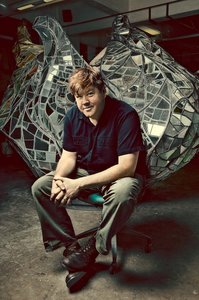
Tom Fruin
1974 - , United States of America
حقائق سريعة
- Artistic Movement Or Style: Public installations
- Artists Or Movements Influenced By This Artist: ['None specified']
- Artists Who Influenced This Artist: ['None specified']
- Date Of Birth: 1974 Los Angeles
- Full Name: Tom Fruin
- Nationality: American
- Notable Artworks:
- Watertower Series
- ICON series
- Place Of Birth: Los Angeles, USA

