- الرئيسية

- طباعة على كانفاس
- tlingit
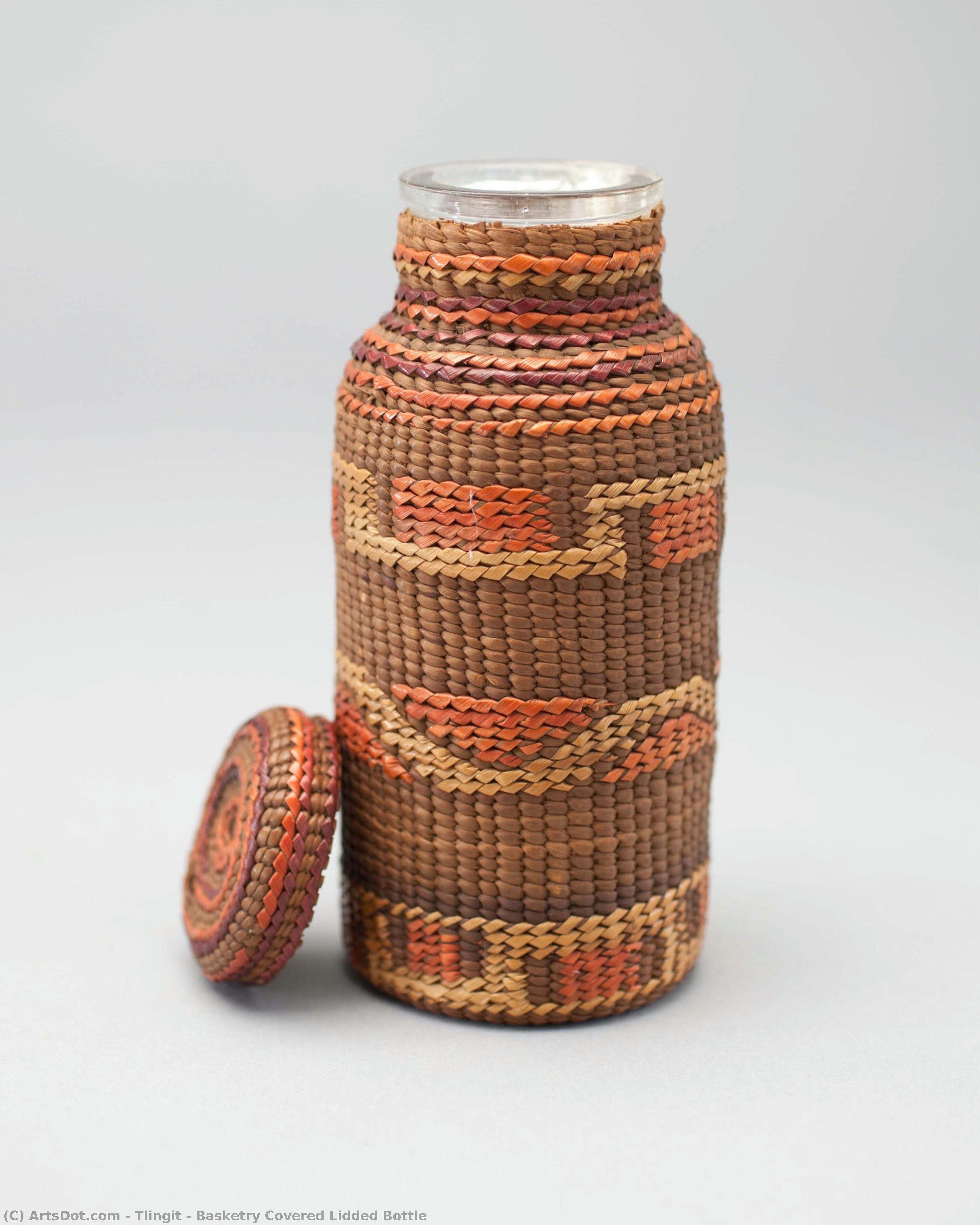
- Basketry Covered Lidded Bottle
 اطلب نسخة مرسومة يدوياً شراء الصورة بدقة عالية
 مشاركة
 مشاركة
 التفاصيل
 أضف إلى المفضلة

 تحميل الملف
 قطع مشابهة
 الأشعة السينية
 عرض شرائح
Basketry Covered Lidded Bottle


 عرض المزيد
طباعة جيلي / مطبوعات فنية
طباعة جيكلي أو كانفاس بجودة المتاحف، مع سرعة في التنفيذ وخيارات متنوعة للتشطيب.




































اختر من بين أحجامنا المُعدّة مسبقًا والتي تتطابق مع النسب الأصلية للعمل الفني.

يمكنك إدخال أبعادك الخاصة لتناسب إطاراً أو مساحة معينة. وإذا لم يتطابق الحجم الذي اخترته مع نسب الصورة الأصلية، فسنقوم إما بقص العمل الفني أو تمديد الصورة باستخدام حافة معكوسة أو بلون مصمت. سيتم إرسال نموذج تجريبي رقمي لاعتمادك قبل بدء الإنتاج.
يرجى ملاحظة أن المعاينة على الشاشة لا تعكس عملية القص أو التمديد الفعلية؛ حيث سيوضح النموذج التجريبي فقط التكوين النهائي بدقة.
وعلى الرغم من توفر أحجام مخصصة، إلا أننا نوصي باختيار أبعاد من القائمة المحددة مسبقاً للحفاظ على النسب الأصلية.
توصيل عالمي إلى خلال أسبوعين بدلاً من المدة القياسية البالغة 4/5 أسابيع. 21 يوليو

شحن سريع ومجاني لجميع أنحاء العالم

قماش كتان عالي الجودة

تأمين شحن شامل

ضمان استرداد الرسوم الجمركية

ضمان مطابقة الألوان الحقيقية

سياسة الإرجاع خلال 60 يومًا (في حالات العيوب فقط)

ضمان استرداد نقدي بنسبة 100%

خصم عند طلب عدة قطع
 خيار الزجاج متاح فقط للمقاسات التي تقل عن 110 سم

Basketry Covered Lidded Bottle
طباعة جيلي / مطبوعات فنية
مقاس النسخة المطبوعة
-


السعر الإجمالي النهائي
-
السيرة الذاتية للفنان
Tlingit Art: A Legacy of Symbolism and Skill
The Tlingit people, inhabiting the southeastern Alaska coast and Alexander Archipelago, possess a rich artistic tradition deeply rooted in their matrilineal society and connection to the natural world. Their art—primarily wood carving and weaving—serves as a powerful medium for storytelling, conveying clan histories, spiritual beliefs, and social status. This legacy continues today, blending traditional techniques with contemporary expressions of cultural identity.Origins and Cultural Context
The Tlingit language belongs to the Na-Dene family, reflecting broader connections across North America. Their culture emphasizes kinship ties and reciprocal obligations—a framework that profoundly shapes artistic production. Clan crests, representing animals, plants, celestial bodies, or supernatural beings, are central to Tlingit identity and adorn ceremonial objects like masks and robes. These crests aren’t merely decorative; they encode genealogical information and symbolize the clan's role in maintaining harmony with the environment. Oral traditions passed down through generations ensure that these stories and symbols endure, informing artistic practice even now.Wood Carving: Mastering Form and Narrative
Tlingit wood carving is renowned for its intricate detail and expressive dynamism. Skilled artisans transform cedar logs into monumental sculptures—totem poles—that narrate clan histories and commemorate important events. The process involves meticulous planning, precise shaping using adzes and chisels, and painstaking application of pigment to bring the crests to life. Each pole embodies a complex visual language, conveying information about lineage, social hierarchy, and spiritual significance. Artists strive to capture movement and emotion, reflecting the spirit of the animal or ancestor depicted—a testament to their mastery of form and technique.Basketry: Weaving Tradition and Ecological Awareness
Alongside wood carving, Tlingit basket weaving represents another cornerstone of their artistic heritage. Using pliable roots, grasses, and bark fibers, weavers create stunning baskets that serve both practical and ceremonial purposes. The patterns woven into these baskets often depict stylized animals or plants—symbols mirroring those found on totem poles—demonstrating a deep understanding of the natural environment. Basket weaving techniques have evolved over centuries, adapting to seasonal availability of materials and reflecting changing social needs. These baskets are more than just containers; they embody cultural memory and represent an enduring connection to ancestral lands.Contemporary Expressions of Tlingit Art
Despite facing challenges posed by colonization and assimilation, Tlingit artists continue to innovate while honoring tradition. Contemporary sculptors utilize new materials—metal and acrylic—to explore themes of resilience and cultural revitalization. Textile artists experiment with vibrant colors and patterns, blending traditional motifs with modern aesthetics. Artists like Garfield George are actively documenting Tlingit language and culture, ensuring that these traditions thrive for future generations. Their work serves as a powerful reminder that the spirit of Tlingit art—characterized by meticulous craftsmanship, symbolic storytelling, and unwavering respect for the natural world—remains vibrant today.Notable Achievements and Legacy
The enduring influence of Tlingit art extends beyond Alaska and Canada. Artists like Jennie Thlunaut gained international recognition for their depictions of Alaskan landscapes and Native American life. Their work helped to raise awareness about Indigenous cultures and fostered dialogue between communities worldwide. Furthermore, the Chilkat Indian Village’s weaving traditions—particularly the monumental Chilkat robes—are celebrated as masterpieces of textile art, showcasing unparalleled skill and artistic vision. These achievements underscore the importance of preserving Tlingit heritage and supporting artists who strive to communicate their cultural values through creative expression. The legacy of Tlingit art continues to inspire artists globally, reaffirming its significance as a conduit for storytelling, spiritual reflection, and cultural continuity.
tlingit
United States of America
حقائق سريعة
- Artistic Movement Or Style: Indigenous Art
- Full Name: tlingit
- Nationality: American
- Notable Artworks:
- Basketry Covered Bottle
- Rattle-top Lidded Basket
- Place Of Birth: United States of America

