Romanticism · 1905
Venice (توماس موران, 1905)
أبدع توماس موران (1837–1926) في Venice. يعود تاريخها إلى 1905. تنتمي إلى حركة Romanticism. صُنعت من Oil On Canvas.
- 1905
- Oil On Canvas

 معاينة الحجم الواقعي

 لوحة زيتية مرسومة يدوياً
 مشاركة
 مشاركة
 ورقة الحقائق


 تحميل الملف
 قطع مشابهة
 الأشعة السينية
 عرض شرائح
 الأسئلة والأجوبة

 الإحصائيات
Venice باختصار
- العنوان
- Venice
- الفنان
- توماس موران (1837–1926)
- تاريخ ميلاد الفنان
- بولتن, المملكة المتحدة
- التاريخ
- 1905
- الوسيط الفني
- Oil On Canvas
- الحركة
- Romanticism
- الحقبة
- 19th Century
- الموضوع
- venetian landscape, sunset reflections, gondola scene, bell tower view, golden light effect, coastal italy art
ماذا يصور Venice؟
Identification of the Artwork and Artist
This work, titled Venice, was painted by Thomas Moran in 1905. It offers a quiet glimpse into the Venetian landscape, capturing a specific moment of light and activity along the waterways. The artist, who was born in Bolton, United Kingdom, on February 12, 1837, brought a unique perspective to this European setting, moving away from the rugged terrains of his earlier career to focus on the atmosphere of the Italian coast. He remained active in his craft until his death in 1926.
Moran’s presence in the art world was marked by a transition from the meticulous precision of wood-engraving to a more fluid, emotive application of oil. In this particular piece, his ability to handle color and light is central to the work's character. The scene focuses on the interaction between the architecture of the city and the movement of the water, rendered with a sensitivity to the shifting qualities of the sky and its reflections.
The Composition and Visual Elements
The scene unfolds through a broadly horizontal composition, emphasizing the quiet expanse of the Venetian waterway. In the foreground, a sandy bank provides a grounded entry point to the work, where several individuals are gathered. These figures appear engaged in quiet, everyday tasks, perhaps collecting shells or fishing, which lends a sense of lived-in reality to the setting. The water itself is tranquil, reflecting the soft, golden light of a sunset that bathes the entire landscape in warm hues.
Moving into the middle ground, several gondolas drift across the surface, their dark forms cutting through the shimmering reflections. These boats, occupied by various figures, add a rhythmic movement to the water without disturbing its inherent peace. The architecture of the city lines the edges of the canal, providing a structured boundary to the liquid path. In the distance, a prominent campanile rises above the rooftops, anchoring the composition and providing a sense of vertical depth against the low horizon.
The arrangement of elements creates a deep perspective, drawing the eye from the active shoreline toward the softer, hazy details of the distant cityscape. The interplay of light and shadow is central here, as the setting sun casts long shadows and illuminates the textures of the water and stone. It is a study of atmosphere and the quietude of Venetian life at dusk.
Technique and Artistic Style
The work is executed in oil, utilizing a technique that leans toward Romanticism. Moran employs loose brushwork to define the movement of the water and the soft edges of the distant architecture. These fluid and expressive lines allow the forms of the gondolas and the buildings to merge subtly with the surrounding atmosphere. There is a palpable sense of air and light, achieved through a sophisticated use of atmospheric perspective that recedes into the distance.
The lighting is central to the composition, casting a strong sunset glow across the scene. This warmth illuminates the water's surface and the sandy bank in the foreground, creating long shadows that anchor the figures and boats within the landscape. The interplay of this golden light with the organic shapes of the canal creates a quiet, luminous presence. The texture of the paint is visible, lending a physical depth to the depiction of the Venetian waterway.
Related Works by Thomas Moran
Moran’s fascination with the Venetian landscape is evident through several other studies of the city. He captured the movement of the canals in The Gate of Venice in 1895, a work that focuses on the rhythm of gondolas and the activity of people within the waterways. His interest in the city's atmosphere also led him to explore its nocturnal character. In 1898, he produced Moonlight in Venice, which examines the interplay between light and shadow under a lunar glow, and he also painted Venice during that same year.
The artist continued to return to these maritime settings, later producing Grand Canal, Venice in 1906. These various iterations show a persistent preoccupation with how light settles upon the liquid surfaces and the stone architecture of the Adriatic. His approach to the subject matter shifted between the lively, active scenes of the canals and more quiet, contemplative studies of the water and its reflections.
صور عالية الدقة لـ Venice
توماس موران, Venice (1905). ملك عام
أسئلة وإجابات حول Venice
في أي عام أُبدع العمل "Venice" للفنان توماس موران؟
تاريخ إبداع "Venice" للفنان توماس موران يعود إلى عام 1905.
ما هي التقنية المستخدمة في صنع "Venice"؟
نُفذت لوحة "Venice" باستخدام Oil On Canvas.
ماذا يصور "Venice"؟
تتضمن الموضوعات المتضمنة في "Venice" للفنان توماس موران كلاً من venetian landscape, sunset reflections, gondola scene, bell tower view, golden light effect, coastal italy art, romantic venice، والتي تلخص مجتمعةً فحوى العمل الفني.
هل "Venice" للفنان توماس موران ضمن الملكية العامة؟
حالة حقوق الطبع والنشر لـ "Venice" للفنان توماس موران: العمل يقع ضمن ملك عام - انتهت مدة حماية حقوق الطبع والنشر الخاصة به، وهو ما يحدد مدى إمكانية إعادة إنتاج الصورة بحرية.
من أبدع "Venice"؟
تم إبداع "Venice" بواسطة توماس موران. وتصف المعلومات الواردة في هذه الصفحة العمل الأصلي لـ توماس موران.
إلى أي أسلوب ينتمي "Venice"؟
تنتمي "Venice" للفنان توماس موران إلى حركة Romanticism، التي تمنح العمل سياقه الأسلوبي.
إلى أي مرحلة من مراحل تطور توماس موران ينتمي العمل "Venice"؟
ينتمي العمل "Venice" إلى الفترة Mature Period من مسيرة توماس موران المهنية، مما يربط هذا العمل بمراحل تطور الفنان الفني.
كم كان عمر توماس موران عند إبداع "Venice"؟
عندما أُبدع العمل "Venice" في عام 1905، كان عمر الفنان توماس موران - المولود في 1837 - هو 68 عاماً.
هل العمل "Venice" للفنان توماس موران ضمن الملكية العامة، ولماذا؟
تُعد لوحة "Venice" للفنان توماس موران من الأعمال التي تندرج ضمن ملك عام - انتهت مدة حماية حقوق الطبع والنشر الخاصة به؛ حيث تُحتسب مدة حقوق الطبع والنشر بدءاً من تاريخ وفاة الفنان، وقد توفي توماس موران في عام 1926.
عن الفنان، توماس موران

1837–1926, المملكة المتحدة
توماس موران
الحياة المبكرة، العائلة والتدريب الفني في مدينة بولتون بمقاطعة لانكشاير الإنجليزية، بدأت فصول قصة حياة توماس موران، الذي أبصر النور في الثاني عشر من فبراير عام 1837، ليكون ابناً لكل من توماس موران الأب وماري هيغسون. ومع ذلك، لم تدم الاستقرار العائلي طويلاً، إذ شهد عام 1844 تحولاً جذرياً في مسار حياته؛ ففي السابعة من عمره، غادر موران مسقط رأسه متوجهاً نحو الولايات المتحدة، باحثاً عن حياة جديدة ومختلفة عبر المحيط الأطلسي. قادت هذه الرحلة نحو الحياة الأمريكية موران إلى مدينة فيلادلفيا، حيث بدأت ملامح فنه تتشكل. وفي عام 1853، دخل موران، الذي كان لا يزال مراهقاً، مرحلة التلمذة المهنية لدى شركة "سكاترغود وتيلفر" للنقش على الخشب.
وأيضاً لـ توماس موران
 سلسلة جبال تيتون1897
 East Moriches1900
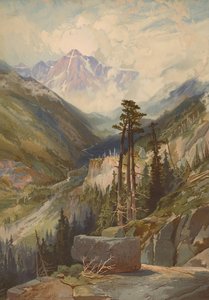 The Mountain of the Holy Cross, Colorado1876
 Fingal's Cave, Island of Staffa, Scotland1884
مقالات حول Venice
 Masterpieces of the Dutch Golden Age: Top 25 Jan van Goyen ArtworksExplore 25 iconic Jan van Goyen masterpieces of the Dutch Golden Age. Discover the beauty of tonal landscapes on OriginalUniqueArt.com.
 Reflections of Venice: The Mastery of Canal Scene Painting from Canaletto to ImpressionismTrace the evolution of Venetian canal scenes from Canaletto to Monet. Explore this masterclass in art history now.
 20th century British paintersIconic 20th century British art from David Hockney to Henry Moore. Explore the full collection online at OriginalUniqueArt.com.