American Realism · 1892
Home Ranch (توماس إيكنز, 1892)
أبدع توماس إيكنز (1844–1916) في Home Ranch. يعود تاريخها إلى 1892. تنتمي إلى حركة American Realism. صُنعت من Oil On Canvas. تُحفظ في متحف فيلادلفيا للفنون في فيلادلفيا, الولايات المتحدة الأمريكية.
- 1892
- Oil On Canvas
- متحف فيلادلفيا للفنون

 معاينة الحجم الواقعي

 لوحة زيتية مرسومة يدوياً
 مشاركة
 مشاركة
 ورقة الحقائق


 تحميل الملف
 قطع مشابهة
 الأشعة السينية
 عرض شرائح
 الأسئلة والأجوبة

 الإحصائيات
Home Ranch باختصار
- العنوان
- Home Ranch
- الفنان
- توماس إيكنز (1844–1916)
- تاريخ ميلاد الفنان
- فيلادلفيا, الولايات المتحدة
- التاريخ
- 1892
- الوسيط الفني
- Oil On Canvas
- أين يمكن مشاهدتها
- متحف فيلادلفيا للفنون, فيلادلفيا, الولايات المتحدة الأمريكية
- الحركة
- American Realism
- الموضوع
- guitar, music, conversation, ranch, gathering, leisure
ماذا يصور Home Ranch؟
The Quiet Drama of Everyday Life
Thomas Eakins’s “Home Ranch,” painted in 1892 and now residing within the Philadelphia Museum of Art, isn't a grand historical tableau or a dramatic portrait; instead, it offers a remarkably intimate glimpse into the domestic sphere of late 19th-century America. It’s a scene seemingly devoid of overt narrative – a man playing the guitar, two figures observing him, a table laden with books – yet within this simplicity lies a profound exploration of human connection, observation, and the subtle nuances of social interaction. Eakins, a master of realism, eschewed romanticism or idealized representations in favor of an unflinching honesty that captured the essence of his subjects’ lives as he witnessed them.
The painting immediately draws the eye to the central figure, a man absorbed in his music. His posture is relaxed yet focused, his expression hinting at both contentment and perhaps a touch of melancholy. He's not performing for an audience; rather, he seems lost within his own world, creating a private moment of enjoyment. The other figures – a woman and a younger man – are rendered with equal care, their gazes directed towards the musician with varying degrees of interest and contemplation. Eakins’s skill lies in conveying these unspoken exchanges—the shared experience of music, the quiet observation, the subtle dynamics of relationships—without resorting to explicit gestures or dialogue.
A Masterclass in Composition and Light
Eakins's compositional choices are meticulously considered. The room itself is rendered with a remarkable sense of depth and spatial awareness. The placement of the furniture – the dining table, chairs, and books – establishes a comfortable, lived-in atmosphere. Notice how the light, soft and warm, filters through the windows, casting gentle shadows that define the forms and create a sense of intimacy. This use of light isn’t merely decorative; it's integral to the painting’s mood, contributing significantly to the relaxed and casual ambiance.
The artist’s attention to detail is astonishing. The texture of the clothing, the sheen of the guitar strings, the worn surfaces of the furniture – all are rendered with painstaking accuracy. Eakins was a student of anatomy and observation, and this dedication to realism extends beyond mere representation; it reflects a deep understanding of how light interacts with form and how materials possess unique qualities. The subtle variations in tone and color create a sense of visual richness that invites close examination.
The Context of American Realism
"Home Ranch" is firmly rooted within the context of American realism, a movement that emerged in the late 19th century as a reaction against romanticism and idealization. Artists like Eakins sought to depict everyday life with honesty and objectivity, often focusing on working-class subjects and urban environments. Philadelphia, where Eakins spent much of his career, provided a rich source of inspiration—a city of factories, row houses, and diverse communities.
Eakins’s work challenged conventional notions of portraiture by eschewing traditional formal poses and idealized representations. Instead, he captured his subjects in candid moments, revealing their personalities and experiences. “Home Ranch” exemplifies this approach, offering a glimpse into the private lives of ordinary people—a testament to Eakins's belief that beauty and significance could be found in the most unassuming scenes.
Owning a Piece of History
Hand-painted reproductions of "Home Ranch" by Thomas Eakins offer art enthusiasts a unique opportunity to bring this iconic work into their homes. These meticulously crafted reproductions capture the painting’s rich detail, vibrant colors, and evocative atmosphere with remarkable fidelity. Whether displayed in a formal living room or a more casual space, “Home Ranch” will undoubtedly serve as a captivating conversation piece—a window into the world of American realism and a celebration of Eakins's artistic genius.
أي متحف يضم Home Ranch؟
متحف فيلادلفيا للفنون
فيلادلفيا, الولايات المتحدة الأمريكية
تاريخ متحف فيلادلفيا للفنون يُعد متحف فيلادلفيا للفنون أحد أعرق المتاحف الفنية في الولايات المتحدة الأمريكية، حيث ترتبط جذوره العميقة بالرؤية الطموحة التي رافقت معرض مئوية عام 1876. وفي بداياته الأولى، لم يكن المتحف سوى منبر للفنون التطبيقية والعلوم، إلا أن هذه النواة المتواضعة سمحت له بالتحول والنمو، لينتقل من كونه احتفاءً بالصناعة والابتكار إلى مؤسسة ثقافية شاملة مكرسة للحفاظ على الإبداع الفني من شتى بقاع الأرض. تختزل المجموعات الفنية في أروقة المتحف 4,000 عام من الإبداع البشري المتدفق؛ ومع استمرار تطور المتحف لمواكبة المتطلبات المتغيرة للعصر، فإنه يظل متمسكاً بجذوره التاريخية الراسخة.

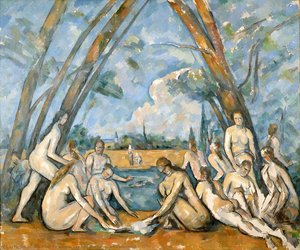

صور عالية الدقة لـ Home Ranch

توماس إيكنز, Home Ranch (1892), متحف فيلادلفيا للفنون. ملك عام
أسئلة وإجابات حول Home Ranch
في أي متحف يُعرض العمل الأصلي "Home Ranch"؟
تُعرض لوحة "Home Ranch" للفنان توماس إيكنز في متحف فيلادلفيا للفنون, فيلادلفيا, الولايات المتحدة الأمريكية. ويشير وصف المتحف إلى العمل الأصلي، وليس إلى النسخ المطبوعة.
في أي عام أُنجز "Home Ranch"؟
تاريخ إبداع "Home Ranch" للفنان توماس إيكنز يعود إلى عام 1892.
ما هي التقنية المستخدمة في تنفيذ "Home Ranch" للفنان توماس إيكنز؟
نُفذت لوحة "Home Ranch" باستخدام Oil On Canvas.
ماذا يصور "Home Ranch"؟
تُصور "Home Ranch" للفنان توماس إيكنز: guitar, music, conversation, ranch, gathering, leisure, eakins.
هل "Home Ranch" للفنان توماس إيكنز ضمن الملكية العامة؟
أما بخصوص حقوق الطبع والنشر، فإن "Home Ranch" تندرج ضمن ملك عام - انتهت مدة حماية حقوق الطبع والنشر الخاصة به.
من أبدع "Home Ranch"؟
الفنان الذي أبدع عمل "Home Ranch" هو توماس إيكنز، والعمل مُدرج تحت اسم توماس إيكنز.
إلى أي حركة فنية ينتمي العمل "Home Ranch" للفنان توماس إيكنز؟
تنتمي لوحة "Home Ranch" للفنان توماس إيكنز إلى حركة American Realism الفنية، ويضع هذا التصنيف العمل ضمن سياق مجموعة من الفنانين والأعمال الفنية ذات الصلة.
إلى أي مرحلة من مسيرة توماس إيكنز الفنية ينتمي العمل "Home Ranch"؟
ينتمي العمل "Home Ranch" إلى الفترة Mature Period من مسيرة توماس إيكنز المهنية، مما يربط هذا العمل بمراحل تطور الفنان الفني.
كم كان عمر توماس إيكنز عند إبداع "Home Ranch" في عام 1892؟
عندما أُبدع العمل "Home Ranch" في عام 1892، كان عمر الفنان توماس إيكنز - المولود في 1844 - هو 48 عاماً.
عن الفنان، توماس إيكنز

1844–1916, الولايات المتحدة
توماس إيكنز
حياة توماس إيكينز وُلد توماس إيكينز في مدينة فيلادلفيا بولاية بنسلفانيا في الخامس والعشرين من يوليو عام 1844، ليعيش حياةً متجذرة بعمق في مدينة ميلاده. كان رجلاً متعدد المواهب والاهتمامات، حيث عمل رساماً، ومصوراً فوتوغرافياً، ونحاتاً، ومعلماً للفنون الجميلة. ورغم أن شغفه بالمعرفة كان يقوده غالباً إلى السفر والدراسة في الخارج، إلا أن جغرافيا وجوده ظلت متمحورة إلى حد كبير حول فيلادلفيا؛ حيث تنقل عبر الدوائر الفكرية والاجتماعية للمدينة، مراقباً الناس والحقائق المادية التي رسمت ملامح المشهد المحلي. اتسمت مسيرته المهنية بالتزام راسخ بكل ما هو ملموس وحقيقي؛ فبينما كان يجسد الملامح بالزيت أو يوثق لحظة عابرة عبر عدسة الكاميرا، ظل تركيزه منصباً على الحقيقة البنيوية لموضوعاته.
وأيضاً لـ توماس إيكنز
 العيادة الكبيرة1875
 السباحة1885
 ماكس شميت في قارب تجديف فردي1871
 Portrait of Samuel Murray1889
مقالات حول Home Ranch
 Thomas Eakins: Realism, Anatomy & the American Spirit – A Comprehensive Exploration of Life and LegacyExplore the life & legacy of Thomas Eakins, a pivotal American Realist painter. Discover his groundbreaking techniques, anatomical precisio…
 25 Masterpieces by William H. Johnson: The Soul of the Harlem RenaissanceImmerse yourself in the vibrant soul of the Harlem Renaissance. Explore 25 iconic masterpieces by William H. Johnson, from bold expressioni…
 Curating Calm: The Connoisseur’s Guide to Selecting Masterpiece Artworks for a Harmonious HomeDiscover the art of serene living with our expert guide to curating masterpieces for a harmonious home. Learn to select fine oil reproducti…