معاينة الحجم الواقعي
 إرسال
إرسال مشاركة
 عرض التفاصيل
 دليل الأعمال الفنية للطلاب

 تحميل
تحميل
 قطع مشابهة
 الأشعة السينية
 عرض شرائح متتابع
 الإحصائيات
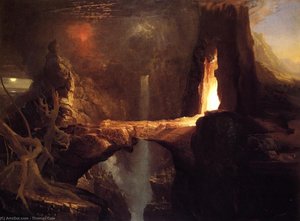
The Titan's Goblet
 ألوان زيتية
- لوحات جدارية
- Hudson River School
 1833
1833 49.0 x 41.0 cm
 المتحف المتروبوليتاني للفنون
 اقرأ المزيد
طباعة جيلي / مطبوعات فنية
طباعة جيكلي أو كانفاس بجودة المتاحف، مع سرعة في التنفيذ وخيارات متنوعة للتشطيب. ( اطلب نسخة مرسومة يدويًا التحويل إلى الصورة الرقمية)




P118B E£10

P118H E£10

P118W E£10

P438Z E£10

P508JH E£12

P508YH E£12

P805H E£10

P805Z E£10

P919BZ E£10

P919G E£10

P919XJ E£10

P959ZH E£10

P968JZ E£12

W106C E£8

W218G E£10

W218JH E£8

W218Y E£10

W307PJ E£10

W316G E£10

W316PJ E£8

W316Y E£10

W398PJ E£8

W4111J E£10

W500HY E£15

W500JH E£15

W692G E£12

W849H E£8

W940BG E£15

W953PJ E£8




اختر من بين أحجامنا المُعدّة مسبقاً والتي تتوافق مع النسب الأصلية للعمل الفني.

أدخل العرض والارتفاع اللذين تحتاجهما، ليتناسب مع إطارك أو جدارك. يمكن قص المطبوعة فقط، ولا يمكن أبداً جعلها أكبر من الصورة الأصلية، لذا فإن أي مقاس بشكل مختلف سيؤدي إلى فقدان جزء من الصورة. سنرسل لك نموذجاً رقمياً تجريبياً لاعتماده قبل البدء في عملية الطباعة. الصورة المعروضة في هذه الصفحة لا توضح القص الفعلي — النموذج التجريبي فقط هو ما يظهر ذلك.
توصيل عالمي إلى خلال أسبوعين بدلاً من المدة القياسية البالغة 4/5 أسابيع. (25 أكتوبر)

شحن سريع ومجاني لجميع أنحاء العالم

قماش كتان فاخر

تأمين شامل على الشحن

ضمان استرداد الرسوم الجمركية

ضمان دقة مطابقة الألوان

سياسة الإرجاع خلال 100 يوم (في حالات العيوب فقط)

ضمان استرداد نقدي بنسبة 100%

عرض خصم الكميات
 خيار الزجاج متاح فقط للمقاسات التي تقل عن 110 سم

The Titan's Goblet
طباعة جيلي / مطبوعات فنية
مقاس النسخة المطبوعة
-


إجمالي السعر
E£ 4140
The Titan’s Goblet: A Landscape of Myth and Time
Thomas Cole's "The Titan’s Goblet," painted in 1833, is not merely a landscape; it’s an immersive allegory, a visual poem steeped in the Romantic tradition yet profoundly rooted in American identity. This monumental oil painting, now housed at the Metropolitan Museum of Art, immediately captivates with its sheer scale and dramatic composition – a vast bowl or vase dominating a rugged mountainscape. Yet, beyond the immediate spectacle lies a complex layering of meaning, inviting viewers to contemplate themes of creation, time, civilization, and the relationship between humanity and nature.
Cole’s artistic journey is crucial to understanding this enigmatic work. Born in England but deeply influenced by European Romanticism, he arrived in America with a desire to forge a distinctly American art—one that moved beyond the historical narratives favored in Europe and instead focused on the sublime beauty of the American wilderness. “The Titan’s Goblet” exemplifies this shift; it's not a depiction of a specific place but rather an imagined realm, a constructed landscape brimming with symbolic weight. The painting’s genesis is intertwined with Cole’s own artistic struggles and his relationship with his patron, Luman Reed, who initially requested a series of paintings depicting the course of empire. The difficulties he encountered in completing this ambitious project—and his subsequent decision to paint a single, self-contained landscape—contributed significantly to the painting's open-ended interpretation.
A World Within a World
The immediate visual impact is striking: a colossal golden bowl, seemingly carved from stone, rests precariously on a mountain’s edge. Water cascades dramatically over its rim, feeding a lush, verdant landscape below – a miniature world teeming with tiny buildings reminiscent of Greek temples and Italian palaces. Scattered throughout this idyllic scene are figures engaged in leisurely activities—boating, strolling, and seemingly oblivious to the grandeur surrounding them. This internal world is juxtaposed against the stark, rocky terrain of the mountain itself, creating a powerful visual dichotomy.
However, Cole doesn’t simply present a picturesque vista. The water flowing from the goblet acts as a transformative agent. It nourishes the land below, fostering a civilization that appears both idyllic and somewhat fragile. The contrast between the cultivated world within the bowl and the desolate mountainside suggests a commentary on the impact of human activity upon nature—a subtle critique of unchecked expansion and the potential for environmental degradation. The placement of the two small buildings is particularly significant; they represent the ambition of civilization, attempting to impose order onto the untamed wilderness.
Symbolism and Interpretation
The painting’s enduring mystery stems from Cole's deliberate refusal to offer a definitive explanation. He famously refrained from providing any accompanying text, leaving the interpretation entirely open to the viewer. Over time, various theories have emerged, ranging from interpretations rooted in Norse mythology—linking the goblet to Yggdrasil, the world tree—to comparisons with Bosch’s *Garden of Earthly Delights*, suggesting a parallel creation narrative. Cole himself alluded to the idea of a “picture within a picture,” and some scholars believe he drew inspiration from J.M.W. Turner's *Ulysses Deriding Polyphemus*, reflecting his own complex relationship with the British painter’s dynamic style.
Interestingly, Cole’s initial sketches for the painting reveal a deeper engagement with the concept of time and its passage. The presence of a setting sun evokes a sense of twilight and the inevitable decline of empires—a theme that resonates throughout his “Course of Empire” series. The small figure in the foreground, often interpreted as Cole himself, gazing out over the scene, adds another layer of introspection, inviting us to contemplate our own place within this vast and timeless landscape.
A Reproduction for Your Space
OriginalUniqueArt offers meticulously crafted hand-painted reproductions of Thomas Cole’s “The Titan’s Goblet,” capturing the painting's rich detail, atmospheric depth, and evocative symbolism. Each reproduction is created by skilled artists using traditional oil painting techniques, ensuring a faithful representation of Cole’s original vision. Whether you seek to add a touch of Romantic grandeur to your living room, study, or gallery space, our reproductions provide an authentic and captivating way to experience this iconic American masterpiece. The scale of the original is faithfully replicated, allowing you to fully appreciate the painting's monumental scope and immersive quality. Bring the mystery and beauty of “The Titan’s Goblet” into your home – a timeless testament to Cole’s artistic genius.
الأسئلة والأجوبة
ما هي لوحة الألوان واللون الطاغي الذي يميز "The Titan's Goblet"؟
تستخدم لوحة "The Titan's Goblet" للفنان تومس كول مجموعة ألوان ألوان ترابية، حيث يبرز اللون رمادي (#95847c) كلون مهيمن.
ما هي الأسماء المستعارة أو الأسماء الأخرى التي يُعرف بها تومس كول؟
يظهر تومس كول تحت أسماء بديلة هي تومس كول البورتريست، تومس كول البونتريست.
هل يمكنني طلب نسخة زيتية مرسومة يدوياً من "The Titan's Goblet"؟
تتوفر النسخ المرسومة يدوياً من "The Titan's Goblet" للفنان تومس كول للبيع عبر هذا الموقع: نسخة زيتية مرسومة يدوياً على قماش الكتان، ويمكن طلبها من خلال صفحة نسخة زيتية مرسومة يدوياً.
نبذة عن الفنان
رائد رسم المناظر الطبيعية الأمريكية
يبرز توماس كول كشخصية محورية في فن الرسم خلال القرن التاسلد عشر، وهو الاسم الذي أصبح مرادفاً لميلاد فن أمريكي خالص ومتميز. ولد في بولتون لي مورز بمقاطعة لانكشاير الإنجليزية عام 1801، ولم تكن بدايات حياته تشي بذلك التأثير العميق الذي سيحدثه لاحقاً في المشهد الفني. ومع هجرته إلى الولايات المتحدة مع عائلته في عام 1818 واستقراره في أوهايو، بدأت رحلة كول في اكتشاف الذات واليقظة الفنية؛ فبعد أن عمل في البداية كرسام بورتريه متنقل — وهي مهنة كانت شائعة في ذلك الوقت — وجد نفسه سريعاً منجذباً إلى الجمال الجامح للبرية الأمريكية. لم يكن هذا التحول مجرد تغيير في الموضوعات المرسومة، بل مثل انحرافاً جوهرياً عن التقاليد الفنية الأوروبية التي كانت تركز غالباً على السرديات التاريخية أو الأسطورية. فلم تكن مناظر كول الطبيعية مجرد تصوير للمشاهد، بل كانت مشبعة بعمق روحي ورمزي لامس وجدان أمة تصيغ هويتها الخاصة. وقد شكل انتقاله إلى كاتسكيل بنيويورك عام 1825 نقطة تحول فارقة، حيث منحه الإلهام والقاعدة الدائمة لاستكشاف وادي نهر هدسون المحيط به — تلك المنطقة التي ستصبح مرتبطة ارتباطاً وثيقاً بإرثه الفني.مدرسة نهر هدسون والمثل الرومانسية
يُعتبر كول، وبحق، مؤسس مدرسة نهر هدسون، وهي حركة فنية تميزت بتصويرها الرومانسي للمناظر الطبيعية الأمريكية. ومع ذلك، فإن وصفه بمجرد "رسام مناظر طبيعية" يبدو غير كافٍ؛ إذ تجاوز عمله مجرد التمثيل البصري ليكون عملاً فلسفياً عميقاً، يستكشف غالباً موضوعات علاقة الإنسان بالطبيعة، ومرور الزمن، وصعود وسقوط الحضارات. ومن خلال تأثره بالرومانسية الأوروبية — ولا سيما أعمال كلود لورين وجي إم دبليو تيرنر — طوع كول هذه الأحاسيس لتناسب السياق الأمريكي؛ فبينما كان الرومانسيون الأوروبيون يصورون غالباً مناظر طبيعية درامية ومهيبة كانعكاس للاضطرابات الداخلية، كانت لوحات كول تنقل في كثير من الأحيان شعوراً بالتفاؤل والحضور الإلهي داخل العالم الطبيعي. لقد رأى في اتساع البرية الأمريكية رمزاً للإمكانات الوطنية والتجدد الروحي. وتجسد لوحته The Oxbow (1836)، التي ربما تكون أشهر أعماله على الإطلاق، هذا المفهوم ببراعة، حيث تعرض مشهداً بانورامياً يباين بين وادي النهر البري غير المروض والأراضي الزراعية المستصلحة، ممثلاً بذلك الوعود والتحديات التي صاحبت التوسع نحو الغرب.الرمزية وسلسلة مسار الإمبراطورية
رغم الاحتفاء به لتصويراته الواقعية للطبيعة، إلا أن طموح كول الفني امتد إلى ما هو أبعد من رسم المناظر الطبيعية الصرفة، حيث استخدم الرمزية بشكل متكرر لإيصال أفكار أخلاقية وفلسفية معقدة. ويتجلى ذلك بأقوى صوره في سلسلته الملحمية مسار الإمبراطورية (The Course of Empire)، التي أبدعها بين عامي 1833 و1836. وتتكون هذه السلسلة من خمس لوحات — "الحالة البدائية"، "الحالة الرعوية"، "الحالة الأركادية"، "الذروة"، و"الدمار" — لتتبع التاريخ الدوري لحضارة ما، من أصولها البكر إلى انحدارها الحتمي. إن هذه اللوحات ليست مجرد سرد تاريخي، بل هي بمثابة قصص تحذيرية حول مخاطر الطموح غير المنضبط وهشاشة الإنجاز البشري. وقد لاقت سلسلة مسار الإمبراطورية صدى عميقاً لدى الجمهور المعاصر، حيث عكست المخاوف من التصنيع السريع والتوسع الغربي الذي كان يغير وجه المناظر الطبيعية الأمريكية، مما رسخ مكانة كول كفنان رؤيوي قادر على معالجة القضايا المجتمعية العميقة من خلال فنه.الإرث والتأثير الخالد
شكلت وفاة توماس كول المفاجئة عام 1848 عن عمر ناهز 47 عاماً خسارة كبيرة لعالم الفن الأمريكي، ومع ذلك، استمر تأثيره يتردد صداه عبر أجيال من الفنانين. فقد كان معلماً مباشراً لفريدريك إدوين تشيرش، الذي أصبح أحد الشخصيات الرائدة في الجيل الثاني من رسامي مدرسة نهر هدسون. إن تركيزه على الملاحظة المستمدة من الطبيعة، مقترناً بنهج شخصي ورمزي عميق في رسم المناظر الطبيعية، وضع حجر الأساس لتقليد فني أمريكي متميز.- • تستمر أعمال كول في العرض في المتاحف الكبرى عبر الولايات المتحدة، بما في ذلك الجمعية التاريخية لنيويورك، والمعرض الوطني للفنون في واشنطن العاصمة، ومتحف سميثسونيان للفن الأمريكي.
- • ليست لوحاته مجرد قطع أثرية تاريخية؛ بل تظل مثيرة للمشاعر وذات صلة وثيقة بالواقع اليوم، مما يدفع المشاهدين للتأمل في علاقتهم الخاصة بالطبيعة والأسئلة الأزلية حول مكانة الإنسان في هذا العالم.
- • يحافظ موقع توماس كول التاريخي الوطني في كاتسكيل بنيويورك على منزله ومرسمه، مما يتيح للزوار إلقاء نظرة خاطفة على حياة وأعمال هذا الفنان الاستثنائي.

تومس كول
1801 - 1848 , المملكة المتحدة
لمحة سريعة
- Artistic Movement Or Style: مدرسة هودسون النهر
- Artists Who Influenced This Artist: ['إيشر بي دوراند']
- Date Of Birth: فبراير 1، 1801
- Full Name: تومس كول
- Nationality: أمريكي
- Notable Artworks:
- الرحلة من الجبل إتنا
- المسار الإمبراطوري
- منظر نهر أوكسبو
- Place Of Birth: بولتون، إنجلترا
مقالات ذات صلة
The Sublime Landscape: Exploring the Hudson River School Movement
Explore the captivating world of the Hudson River School! Discover the history, artists, and defining characteristics of this iconic American art movement. Learn about Romanticism's influence & find inspiration for your collection.
Epic Landscapes & Wild Nature: The Power of the Hudson River School's Sublime Artistry
Explore the breathtaking power of the Hudson River School. Journey through epic American landscapes, from Thomas Cole's sublime vistas to Luminist light, and discover how these timeless masterpieces continue to inspire modern collectors and art lovers worldwide.

Echoes of Arcadia: Nostalgia & Transformation in Vintage Landscape Art
Explore the evocative world of vintage landscape art! Discover the history, artists & emotional power behind masterpieces from the Hudson River School & beyond. Expert insights for collectors & enthusiasts.
أعلى 10 روائع تحدد مدرسة نهر هدسون: رحلة في الفن الراقي وجمال الطبيعة
اكتشف روائع مدرسة نهر هدسون! استكشف 10 لوحات فنية خالدة لـ Thomas Cole و Frederic Church وغيرهم. فن أمريكي رومانسي، مناظر طبيعية خلابة وألوان ترابية ساحرة. احصل على أعمال فنية راقية لديكور منزلك على OriginalUniqueArt.com

Robert Spencer: Luminism, Narrative & the American Landscape Tradition
Explore the captivating world of Luminism & the Hudson River School with our expert analysis. Discover the history, artists, and enduring beauty of 19th-century American landscape painting. Find museum-quality reproductions at OriginalUniqueArt.