Hudson River School · 1847
Prometheus Bound (توماس كول, 1847)
أبدع توماس كول (1801–1848) في Prometheus Bound. يعود تاريخها إلى 1847. تنتمي إلى حركة Hudson River School. صُنعت من Oil. تُحفظ في متاحف الفنون الجميلة في سان فرانسيسكو في سان فرانسيسكو, الولايات المتحدة الأمريكية. أبعادها 162 × 243 cm
- 1847
- Oil
- 162 × 243 cm
- متاحف الفنون الجميلة في سان فرانسيسكو

 معاينة الحجم الواقعي

 لوحة زيتية مرسومة يدوياً
 مشاركة
 مشاركة
 ورقة الحقائق


 تحميل الملف
 قطع مشابهة
 الأشعة السينية
 عرض شرائح
 الأسئلة والأجوبة

 الإحصائيات
Prometheus Bound باختصار
- العنوان
- Prometheus Bound
- الفنان
- توماس كول (1801–1848)
- تاريخ ميلاد الفنان
- بولتن, المملكة المتحدة
- التاريخ
- 1847
- الوسيط الفني
- Oil
- الأبعاد
- 162 × 243 cm
- أين يمكن مشاهدتها
- متاحف الفنون الجميلة في سان فرانسيسكو, سان فرانسيسكو, الولايات المتحدة الأمريكية
- الحركة
- Hudson River School
- الموضوع
- landscape, prometheus, mythology, mountains, allegory, romanticism
ماذا يصور Prometheus Bound؟
The Weight of Myth: Thomas Cole’s “Prometheus Bound”
Thomas Cole's "Prometheus Bound," painted in 1847, isn’t merely a landscape; it’s a profound meditation on defiance, punishment, and the enduring human spirit. This monumental canvas, now residing within the Fine Arts Museums of San Francisco, transcends its subject matter to become a powerful allegory for the struggles inherent in challenging authority and forging one's own destiny. Cole, a pivotal figure in the Hudson River School movement, masterfully blends Romanticism with an underlying moral urgency, creating an image that continues to resonate deeply with viewers today.
The scene depicts Prometheus, chained to a towering rock formation amidst a desolate, snow-laden mountainscape. The composition is strikingly dramatic – a vast expanse of jagged peaks dominates the background, dwarfing the solitary figure of the Titan and emphasizing his isolation and vulnerability. A vulture circles overhead, a constant reminder of Zeus’s relentless retribution, while a subtle hint of Jupiter, the Roman equivalent of Zeus, watches from above, embodying the cold indifference of divine power. Cole's use of light is particularly masterful; a diffused, almost ethereal glow illuminates the scene, casting long shadows and creating an atmosphere of both grandeur and despair. The color palette—primarily cool blues, grays, and whites—reinforces this sense of bleakness, punctuated by the fiery red underpaint used to render the snow-covered mountains – a deliberate choice that subtly hints at Prometheus’s stolen fire.
A Myth Made Manifest: Exploring the Narrative
The painting draws directly from Aeschylus's Greek tragedy, “Prometheus Bound,” a story of rebellion against the gods. Prometheus, in this narrative, is not simply a titan but a symbol of humanity’s relentless pursuit of knowledge and progress. He steals fire from Mount Olympus, gifting it to mankind – an act of defiance that ultimately earns him eternal torment at the hands of Zeus. Cole doesn't shy away from the brutality of the punishment; the stark depiction of Prometheus’s chains and the looming threat of the vulture vividly convey the weight of his transgression. However, within this scene of suffering, there is also a palpable sense of resilience. Prometheus’s gaze, fixed upon the viewer, exudes an almost defiant serenity—a refusal to succumb to despair.
The inclusion of the chorus, comprised of figures emerging from the depths of the mountains, adds another layer of complexity to the narrative. They represent the forces of nature, witnesses to Prometheus's plight, and perhaps even a subtle acknowledgment of his heroic struggle. Their hesitant approach, marked by curiosity and apprehension, suggests that even those seemingly untouched by divine wrath recognize the significance of Prometheus’s actions.
The Hudson River School: A New American Vision
“Prometheus Bound” is a quintessential example of the Hudson River School's artistic philosophy. Unlike earlier European landscape paintings that often focused on idyllic pastoral scenes, Cole sought to capture the raw power and sublime beauty of the American wilderness. He employed a technique known as “atmospheric perspective,” subtly blurring distant elements to create a sense of depth and vastness. This approach wasn’t simply about replicating reality; it was about conveying an emotional response—a feeling of awe and reverence for nature's grandeur.
Cole’s work also reflects the burgeoning American identity of the mid-19th century, grappling with themes of independence, self-reliance, and the relationship between humanity and the natural world. The painting can be interpreted as a metaphor for America’s own struggle to assert its sovereignty against established powers – a sentiment particularly relevant in the context of westward expansion and the nation's growing tensions with European empires.
A Timeless Masterpiece: Reproduction & Beyond
Reproductions of “Prometheus Bound” offer an exceptional opportunity to bring this powerful image into any setting. The meticulous detail, evocative atmosphere, and profound symbolism ensure that a high-quality reproduction will serve as both a beautiful work of art and a compelling conversation piece. Consider framing the artwork in a manner that complements its dramatic scale and reinforces its thematic resonance – perhaps within a contemporary interior space to juxtapose the ancient myth with modern life.
For those seeking an authentic experience, exploring the original painting at the Fine Arts Museums of San Francisco is highly recommended. It’s a truly immersive encounter with one of America's most significant artistic achievements—a testament to Thomas Cole’s genius and a timeless exploration of human courage in the face of overwhelming adversity.
أي متحف يضم Prometheus Bound؟
متاحف الفنون الجميلة في سان فرانسيسكو
سان فرانسيسكو, الولايات المتحدة الأمريكية
تاريخ متاحف الفنون الجميلة في سان فرانسيسكو بدأت رحلة متاحف الفنون الجميلة في سان فرانسيسكو منذ تأسيسها في عام 1871، حيث نمت هذه المؤسسة العريقة وتطورت مع افتتاح متحف دي يونغ في عام 1895، يليه متحف "ليجيون أوف honor" في عام 1924. وقد عمل هذان الكيانان المنفصلان بشكل مستقل لعدة عقود، قبل أن يتم دمجهما رسميًا في عام 1972 تحت قيادة إيان ماككيبين وايت، ليتوحدا في مسيرة فنية واحدة. واليوم، تبرز هذه المؤسسة كأكبر صرح فني عام في سان فرانسيسكو، حيث تحافظ على حضور طاغٍ في المشهد الثقافي الأمريكي، محتلةً المرتبة الخامسة بين أكثر المؤسسات الفنية زيارةً في الولايات المتحدة.


صور عالية الدقة لـ Prometheus Bound

توماس كول, Prometheus Bound (1847), متاحف الفنون الجميلة في سان فرانسيسكو. ملك عام
أسئلة وإجابات حول Prometheus Bound
أين يمكنني مشاهدة العمل الأصلي "Prometheus Bound" للفنان توماس كول؟
تُحفظ النسخة الأصلية من "Prometheus Bound" للفنان توماس كول في متاحف الفنون الجميلة في سان فرانسيسكو, سان فرانسيسكو, الولايات المتحدة الأمريكية، بينما تتيح لك هذه النسخة المطبوعة عرض العمل الفني في منزلك.
في أي عام أُبدعت "Prometheus Bound" للفنان توماس كول؟
تاريخ إبداع "Prometheus Bound" للفنان توماس كول يعود إلى عام 1847.
ما هي التقنية المستخدمة في صنع "Prometheus Bound"؟
استخدم توماس كول تقنية Oil في عمل "Prometheus Bound"، وهي التقنية التي تحدد الطبيعة المادية للعمل الأصلي.
ما هي أبعاد العمل الأصلي "Prometheus Bound" للفنان توماس كول؟
تبلغ أبعاد العمل الأصلي "Prometheus Bound" للفنان توماس كول 243 x 162 cm.
ماذا يصور "Prometheus Bound" للفنان توماس كول؟
تتمثل موضوعات "Prometheus Bound" في landscape, prometheus, mythology, mountains, allegory, romanticism, wilderness.
هل "Prometheus Bound" للفنان توماس كول ضمن الملكية العامة؟
أما بخصوص حقوق الطبع والنشر، فإن "Prometheus Bound" تندرج ضمن ملك عام - انتهت مدة حماية حقوق الطبع والنشر الخاصة به.
من هو الفنان الذي يُنسب إليه العمل "Prometheus Bound"؟
الفنان الذي أبدع عمل "Prometheus Bound" هو توماس كول، والعمل مُدرج تحت اسم توماس كول.
إلى أي تيار فني تنتمي "Prometheus Bound" للفنان توماس كول؟
تنتمي "Prometheus Bound" للفنان توماس كول إلى حركة Hudson River School، التي تمنح العمل سياقه الأسلوبي.
إلى أي مرحلة من مراحل تطور توماس كول ينتمي العمل "Prometheus Bound"؟
تندرج لوحة "Prometheus Bound" ضمن مرحلة Late Period من مسيرة توماس كول المهنية، وهي مرحلة تتيح مقارنة هذا العمل بأعمال الفنان الأخرى.
عن الفنان، توماس كول

1801–1848, المملكة المتحدة
توماس كول
حياة وفن تومس كول وُلد تومس كول في الأول من فبراير عام 1801، في بولتون لي مورز بمقاطعة لانكشاير الإنجليزية، لتبدأ رحلة حياة بدأت بعيداً كل البعد عن تلك المناظر الطبيعية التي ستصبح لاحقاً رمزاً لاسمه. وفي عام 1818، هاجرت عائلته إلى الولايات المتحدة، بحثاً عن فجر جديد في أرض شاسعة لم تكن خرائطها قد رُسمت بعد. خلال تلك السنوات الأولى، كان تومس رجلاً متعدد المهن؛ حيث عمل في البداية كرسام نقش، ثم وجد لنفسه مساراً مستقراً كرسام بورتريه بدءاً من عام 1822. لقد كان فناناً عصامياً إلى حد كبير، صقل رؤيته الفنية من خلال التأمل العميق ودراسة الكتب بدلاً من تلقي التدريب الأكاديمي الرسمي، وهذا الاستقلال في الروح هو ما سمح له بالنظر إلى البرية الأمريكية من منظور فريد وخاص به تماماً.
وأيضاً لـ توماس كول
 منظر نهر أوكسبو
 حلم المهندس المعماري1840
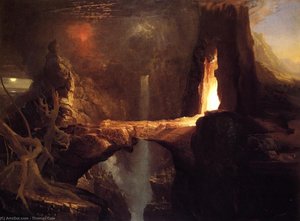 الطرد. ضوء القمر واللهب1828
 منظر فلورنسا من سان مينياتو1837

مقالات حول Prometheus Bound
 Masterpieces of Light: The Top 25 Artworks by Duccio di BuoninsegnaJourney through the Sienese brilliance of Duccio di Buoninsegna. Explore 25 iconic masterpieces, from the Rucellai Madonna to the Maestà, f…
 Nature's Nation: The Hudson River School and the Art of the American SublimeExplore the spiritual depth of the Hudson River School through its masters. Discover the power of the American Sublime today.
 أعلى 10 روائع رسمت عصر النهضة العليا: تحف فنية لتزيين منزلكاكتشف روائع عصر النهضة العليا! استكشف 10 لوحات فنية خالدة لدافنشي، رافايلو، مايكل أنجلو وغيرهم. قصص الفنانين، تقنيات الرسم، وألوان تحكي تار…