Romanticism · 1830
Niagara Falls (توماس كول, 1830)
أبدع توماس كول (1801–1848) في Niagara Falls. يعود تاريخها إلى 1830. تنتمي إلى حركة Romanticism. صُنعت من Oil On Canvas.
- 1830
- Oil On Canvas

 معاينة الحجم الواقعي

 لوحة زيتية مرسومة يدوياً
 مشاركة
 مشاركة
 بطاقة المعلومات


 تحميل الملف
 قطع مشابهة
 الأشعة السينية
 عرض شرائح
 الأسئلة والأجوبة

 الإحصائيات
Niagara Falls باختصار
- العنوان
- Niagara Falls
- الفنان
- توماس كول (1801–1848)
- تاريخ ميلاد الفنان
- بولتن, المملكة المتحدة
- التاريخ
- 1830
- الوسيط الفني
- Oil On Canvas
- الحركة
- Romanticism
- الحقبة الزمنية
- 19th Century
- الموضوع
- waterfall, people, trees, rocks, river, mist
ماذا يصور Niagara Falls؟
Identification of Niagara Falls by Thomas Cole
Niagara Falls is an oil painting created by Thomas Cole in 1830. The work focuses on the American wilderness and the depiction of natural power. It captures a large body of water falling from a great height, creating a scene of cascading water and rising mist. The landscape includes several trees and rocky terrain surrounding the falls.
The composition includes a man standing on a rock in the foreground. Two other individuals are visible within the scene: one person stands closer to the left side, while another is positioned further back on the right side. These figures provide a sense of scale against the massive movement of the water. The environment is characterized by lush, forested cliffs and a sky filled with clouds and mist.
The Composition and Visual Elements
The composition is centered on a large body of water falling from a great height, creating a vertical movement that dominates the scene. This cascading water descends into a lower river area, surrounded by several trees that frame the landscape. A man is positioned on a rock in the foreground, facing the falls. His presence provides a sense of scale against the massive volume of the water.
Two other people are visible within the landscape, distributed to create depth. One individual stands closer to the left side of the composition, while another person is located further back on the right side. These figures are placed amidst the natural terrain, which includes rocky outcrops and dense foliage. The arrangement of the trees and the placement of the figures guide the eye from the immediate foreground toward the distant, falling water.
Technique and Artistic Style
This oil painting is a primary example of the Romantic landscape style. As a foundational work of the Hudson River School, it utilizes a composition that emphasizes the scale of the natural world. The artist employs a specific technique of layering oil to render the textures of the cascading water and the surrounding rock formations. The application of paint allows for a depiction of mist rising from the base of the falls, creating a sense of atmospheric depth against the sky.
The artist relies heavily on the interplay of light and shadow to establish the environment. Light appears to catch the spray of the water and the edges of the foliage, while deep shadows are placed within the crevices of the cliffs and the dense areas of the forest. This contrast defines the physical volume of the landscape. The brushwork captures the movement of the water and the varied textures of the trees, grounding the scene in a tangible, physical reality.
Related Works by Thomas Cole
The artist's exploration of the American wilderness includes several significant compositions from different periods of his career. In 1826, he produced Kaaterskill Falls. This work focused on the vertical energy of the landscape. Later, in 1836, he completed The Oxbow. This painting juxtaposes a river valley against cultivated farmland. During that same year, he also finished The Course of Empire, a five-part series tracing the rise and fall of civilizations.
Cole continued to develop his approach to landscape and allegory in his later years. In 1842, he created The Voyage of Life, an allegorical series depicting the various stages of an individual's existence. These works demonstrate his ongoing interest in the relationship between the natural environment and human presence. His output moved from the study of specific waterfalls to broader, more complex thematic sequences.
صور عالية الدقة لـ Niagara Falls

توماس كول, Niagara Falls (1830). ملك عام
أسئلة وإجابات حول Niagara Falls
في أي عام أُبدعت "Niagara Falls" للفنان توماس كول؟
أُبدع العمل الفني "Niagara Falls" للفنان توماس كول في عام 1830.
ما هي التقنية المستخدمة في "Niagara Falls" للفنان توماس كول؟
استخدم توماس كول تقنية Oil On Canvas في عمل "Niagara Falls"، وهي التقنية التي تحدد الطبيعة المادية للعمل الأصلي.
ما هي الموضوعات التي يتناولها "Niagara Falls" للفنان توماس كول؟
تُصور "Niagara Falls" للفنان توماس كول: waterfall, people, trees, rocks, river, mist, clouds.
هل يمكن إعادة إنتاج صورة "Niagara Falls" للفنان توماس كول بحرية؟
تندرج لوحة "Niagara Falls" للفنان توماس كول ضمن نطاق ملك عام - انتهت مدة حماية حقوق الطبع والنشر الخاصة به، وتحدد هذه الحالة الشروط التي يمكن بموجبها إعادة إنتاج صورة العمل الفني.
من أبدع "Niagara Falls"؟
تم إبداع "Niagara Falls" بواسطة توماس كول. وتصف المعلومات الواردة في هذه الصفحة العمل الأصلي لـ توماس كول.
إلى أي حركة فنية ينتمي العمل "Niagara Falls" للفنان توماس كول؟
ينتمي العمل "Niagara Falls" إلى مدرسة Romanticism، وهي المدرسة التي تمثل التقليد الفني الذي يندرج ضمنه هذا العمل.
إلى أي مرحلة من مسيرة توماس كول الفنية تنتمي لوحة "Niagara Falls"؟
تُمثل "Niagara Falls" الحقبة الإبداعية لـ توماس كول خلال فترة Mature Period.
كم كان عمر توماس كول عند إبداع العمل "Niagara Falls"؟
عندما أُبدع العمل "Niagara Falls" في عام 1830، كان عمر الفنان توماس كول - المولود في 1801 - هو 29 عاماً.
هل العمل "Niagara Falls" للفنان توماس كول ضمن الملكية العامة، ولماذا؟
تعتمد حالة حقوق الطبع والنشر لـ "Niagara Falls" - ملك عام - انتهت مدة حماية حقوق الطبع والنشر الخاصة به - على تاريخ وفاة الفنان في 1848.
عن الفنان، توماس كول

1801–1848, المملكة المتحدة
توماس كول
حياة وفن تومس كول وُلد تومس كول في الأول من فبراير عام 1801، في بولتون لي مورز بمقاطعة لانكشاير الإنجليزية، لتبدأ رحلة حياة بدأت بعيداً كل البعد عن تلك المناظر الطبيعية التي ستصبح لاحقاً رمزاً لاسمه. وفي عام 1818، هاجرت عائلته إلى الولايات المتحدة، بحثاً عن فجر جديد في أرض شاسعة لم تكن خرائطها قد رُسمت بعد. خلال تلك السنوات الأولى، كان تومس رجلاً متعدد المهن؛ حيث عمل في البداية كرسام نقش، ثم وجد لنفسه مساراً مستقراً كرسام بورتريه بدءاً من عام 1822. لقد كان فناناً عصامياً إلى حد كبير، صقل رؤيته الفنية من خلال التأمل العميق ودراسة الكتب بدلاً من تلقي التدريب الأكاديمي الرسمي، وهذا الاستقلال في الروح هو ما سمح له بالنظر إلى البرية الأمريكية من منظور فريد وخاص به تماماً.
أعمال أخرى لـ توماس كول
 منظر نهر أوكسبو
 حلم المهندس المعماري1840
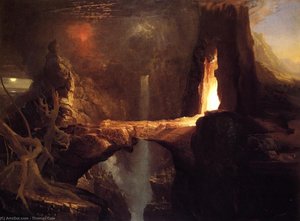 الطرد. ضوء القمر واللهب1828
 منظر فلورنسا من سان مينياتو1837

مقالات حول Niagara Falls
 French artworks of the 1880sFrench Impressionist masterpieces by Claude Monet, Pierre-Auguste Renoir, and Georges Seurat. Find museum-quality reproductions on Original…
 Barbizon School vs. Hudson River School: Two Visions of the Natural WorldDiscover the key differences between Barbizon and Hudson River School landscapes. Master art history with our expert comparison guide.
 The Sublime Cascade: Examining the Tradition of Waterfall Landscapes in Art HistoryExplore the evolution of waterfall landscapes from the Northern Renaissance to the Hudson River School. Trace this epic art history now.