
 معاينة الحجم الحقيقي
 مشاركة
 مشاركة
 التفاصيل

 تحميل الملف
 قطع مشابهة
 الأشعة السينية
 عرض شرائح
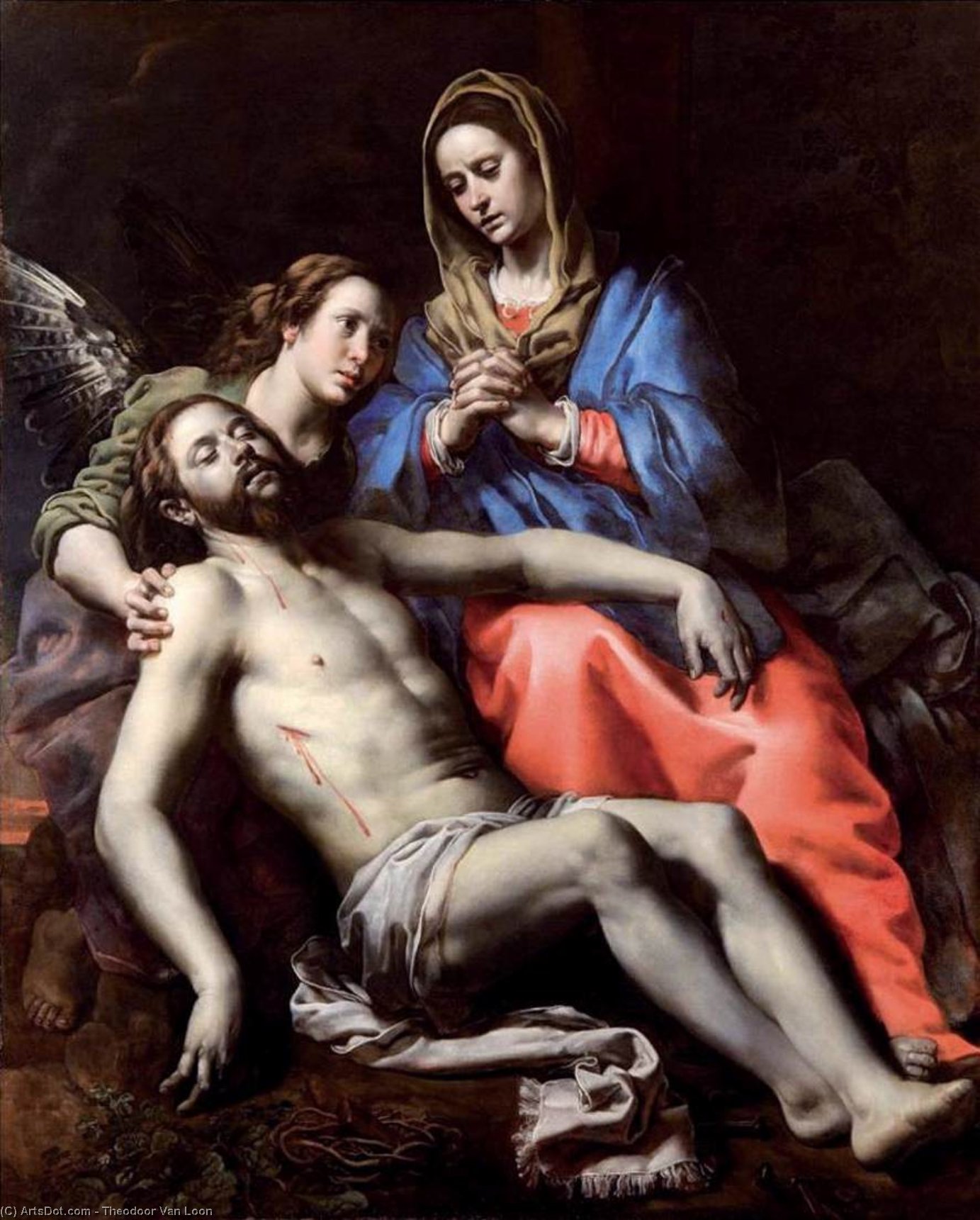
Lamentation
 Oil On Canvas
- WallArt
- Baroque
 1623
1623- Early Modern
 152.0 x 124.0 cm
 كنيسة الحجاج
 عرض المزيد
احصل على صورة رقمية عالية الدقة ومعزّنة، بجودة تفوق بكثير المعاينة عبر الإنترنت.
يتم إعداد كل ملف بعناية فائقة من قبل متخصصينا الداخليين باستخدام أدوات متقدمة ولمسات يدوية خبيرة. نضمن أن تتمتع كل صورة بوضوح استثنائي، ودقة لونية متناهية، وتفاصيل دقيقة.
يتم تسليم الملف النهائي عبر البريد الإلكتروني في غضون 72 ساعة، وهو مُحسَّن للاستخدام الفوري في المجالات المهنية والتحريرية ومجالات الطباعة. هذه هي ذات الجودة التي تعتمد عليها كبرى استوديوهات التصميم ودور النشر والمعارض الفنية المرموقة.
صورة رقمية
حمّل ملفاً عالي الدقة للعرض الشخصي، والطباعة، والمشاريع الإبداعية. ( التحويل للنسخة المطبوعة التحويل إلى لوحة مرسومة يدوياً)
مزايا مُضمّنة في كل طلب صورة رقمية
تسليم رقمي احترافي، مضمون
عندما تختار OriginalUniqueArt.com، فأنت لا تحصل على مجرد صورة فحسب، بل ستحصل على عمل فني رقمي مُحسّن باحترافية، صُمم بدقة متناهية ومصحوب بضمان الرضا. إليك كل ما يتضمنه طلبك تلقائياً:

تسليم سريع عبر البريد الإلكتروني
ستصلك ملفات صورك الرقمية عالية الدقة عبر البريد الإلكتروني في غضون 72 ساعة من إتمام الطلب - لتكون جاهزة للاستخدام الفوري.

ملف رقمي مُحسّن بالذكاء الاصطناعي
يتم تحسين عملك الفني باحترافية باستخدام أدوات الذكاء الاصطناعي المتقدمة والتحرير اليدوي، لضمان أقصى درجات التفاصيل والوضوح ودقة الألوان.

إعادة إرسال مجانية مدى الحياة
هل حذفت ملفك أو فقدته عن طريق الخطأ؟ لا تقلق - سنعيد إرساله إليك في أي وقت، ومجاناً.

بدون رسوم استيراد - على الإطلاق
استمتع بأعمالك الفنية فوراً دون أي رسوم جمركية أو ضرائب أو مصاريف شحن - فالتحميلات الرقمية دائماً ما تكون معفاة من الضرائب.

ضمان دقة الألوان
نحن نضمن أن تعكس صورتك الرقمية الألوان الأصلية بأقصى قدر ممكن من الدقة، وذلك باستخدام أدوات احترافية وتقنيات إدارة الألوان.

ضمان الرضا لمدة 60 يومًا
إذا لم تكن راضياً عن صورتك الرقمية، فسنقوم بتعديلها أو استرداد 100% من قيمتها خلال 60 يوماً - دون أي أسئلة.

ضمان استعادة الأموال بنسبة % 100
لم تكن راضياً؟ احصل على استرداد كامل المبلغ خلال 60 يومًا من استلام ملفك الرقمي - دون أي أسئلة.

خصومات الطلبات الكبيرة
اشتري 3 صور، ووفر 10% - اشتري 5، ووفر 15% - اشتري +10، ووفر 20%. مثالية للمشاريع الإبداعية، والمعارض، والوكالات.
وصف المقتنى الفني
A Masterpiece of Sorrow and Light
In the profound stillness of Theodoor van Loon’s Lamentation, we are invited into a moment of unparalleled human and divine tragedy. Painted in 1623, this evocative work captures the heavy, breathless atmosphere following the Crucifixion. At the heart of the composition lies the broken form of Jesus, his lifeless body serving as the emotional anchor for a scene defined by grief. Surrounding him, the figures of Mary Magdalene and other mourners are rendered with such visceral intimacy that their weeping feels almost audible. The painting does not merely depict a religious event; it captures the very essence of mourning, inviting the viewer to stand amidst the shadows of the tomb and feel the weight of loss.
The brilliance of this piece lies in its masterful use of tenebrism, a technique Van Loon perfected through his deep connection to the Caravaggesque tradition. By plunging much of the background into impenetrable darkness, the artist forces our gaze onto the illuminated faces of the grieving. This dramatic interplay between light and shadow—the stark contrast of brilliant highlights against deep, velvety blacks—creates a sculptural quality in the figures. Every fold of fabric, every tear-streaked cheek, and the pale, wounded skin of Christ is sculpted by light, lending the scene a three-dimensional presence that commands the room.
Symbolism and the Baroque Spirit
Beyond its immediate emotional impact, the Lamentation is rich with symbolic layers that speak to the spiritual fervor of the Flemish Baroque era. The presence of celestial beings, such as the angels hovering near the earthly sorrow, bridges the gap between the mortal and the divine. Even a subtle detail, like a bird caught in flight above the scene, serves as a poignant metaphor for the soul or the fleeting nature of life amidst the permanence of death. Van Loon utilizes these elements to transform a historical narrative into a universal meditation on mortality and hope.
For the discerning collector or interior designer, this artwork offers more than just visual beauty; it provides a profound focal point for sophisticated spaces. The dramatic scale of 152 x 124 cm allows the painting to dominate a room with its quiet intensity. Whether placed in a gallery-style library or as a centerpiece in a classically styled salon, a high-quality reproduction of this work brings an air of historical prestige and contemplative depth. It is a piece that does not merely decorate a wall but enriches the very soul of a home, offering a timeless window into one of art history's most moving dramatic traditions.
السيرة الذاتية للفنان
The Shadow and the Light: The Legacy of Theodoor van Loon
In the grand, sweeping narrative of the Flemish Baroque, where the opulent brushstrokes of Peter Paul Rubens often command the spotlight, there exists a more intimate, profound voice that speaks through the interplay of deep shadow and piercing light. This is the voice of Theodoor van Loon, an artist whose work serves as a bridge between the revolutionary naturalism of Italy and the spiritual devotion of the Habsburg Netherlands. Born in Eilersen, Germany, around 1581, Van Loon’s life was defined by a profound artistic pilgrimage that would forever alter his aesthetic sensibilities. His journey was not merely one of geographical movement, but an emotional and technical evolution shaped by the dramatic currents of the seventeenth century.
The soul of Van Loon’s artistry lies in his deep-seated connection to the Caravaggisti movement. During his formative expeditions to Italy between 1602 and 1608, and later during a second sojourn from 1628 to 1629, he breathed in the atmosphere of Rome, absorbing the radical innovations of Caravaggio. This exposure instilled in him a mastery of tenebrism—the technique of using extreme contrasts between light and dark to create a sense of volume and psychological depth. Unlike the more decorative or idealized styles prevalent in his homeland, Van Loon sought a grounded, almost tactile reality. He approached his subjects with a meticulous morphological exactness, rendering human figures with a sculptural weight that made the divine feel tangibly present within the earthly realm.
A Devotion to Form and Faith
Van Loon’s technical prowess was never an end in itself; rather, it was a vessel for profound religious expression. His compositions were designed to evoke a visceral response from the viewer, pulling them into the sacred narratives of the Bible through a lens of stark naturalism. While his contemporaries might have reached for the celestial and the ethereal, Van Loon found the divine in the grit and gravity of the human condition. This approach is most evident in his significant ecclesiastical commissions throughout Flanders, where his ability to manipulate light served to illuminate the spiritual weight of his subjects.
One of his most enduring achievements remains the monumental altarpiece created for the Basilica of Our Lady of Scherpenheuvel between 1623 and 1628. In this work, one can witness the full maturation of his style: the dramatic interplay of light that carves figures out of the darkness, and a refined execution that honors both the physical form and the spiritual essence of the scene. His ability to secure such prestigious commissions was further bolstered by his collaborations with notable figures like Wenzel Coebergher, working under the patronage of Archduke Albert VII and Isabella Clara Eugenia of Spain. These high-profile connections placed him at the very heart of the artistic and political life of the Southern Netherlands.
Historical Significance and Artistic Resonance
Though history has occasionally relegated Van Loon to the periphery of the great Baroque masters, his significance remains undeniable for those who study the nuances of seventeenth-century naturalism. He represents a vital link in the transmission of Italian stylistic revolutions into the Flemish tradition, offering an alternative to the more flamboyant Baroque styles with a vision that was both disciplined and emotionally charged. His work stands as a testament to a period of intense religious fervor and artistic experimentation.
To study the works of Theodoor van Loon is to witness a master at work with the very elements of sight and darkness. His legacy is found in:
- The mastery of Tenebrism: Utilizing light as a narrative tool to direct the viewer's eye and heighten emotional tension.
- Naturalistic Precision: A commitment to rendering the human form with anatomical accuracy and sculptural presence.
- Ecclesiastical Impact: Contributing to the visual landscape of Flemish devotion through monumental altarpieces and sacred art.
- Cultural Synthesis: Blending the dramatic intensity of the Italian Baroque with the refined sensibilities of the Flemish tradition.

Theodoor van Loon
1581 - 1667 , Germany
لمحة سريعة
- Artistic Movement Or Style: Baroque
- Artists Or Movements Influenced By This Artist: ['Rubens']
- Artists Who Influenced This Artist: ['Caravaggio']
- Date Of Birth: 1581 or 1582
- Date Of Death: February 1649
- Full Name: Theodoor van Loon
- Nationality: Flemish
- Notable Artworks:
- Adoration of Shepherds
- The Magi painting
- Place Of Birth: Eilersen, Germany

