De Stijl · 1930
Simultaneous Counter Composition. (تيو فان دوسبورخ, 1930)
أبدع تيو فان دوسبورخ (1883–1931) في Simultaneous Counter Composition.. يعود تاريخها إلى 1930. تنتمي إلى حركة De Stijl. صُنعت من Painting. تُحفظ في متحف الفن الحديث (MoMA) في مدينة نيويورك, الولايات المتحدة الأمريكية. أبعادها 50 × 49 cm
- 1930
- Painting
- 50 × 49 cm
- متحف الفن الحديث (MoMA), مدينة نيويورك

 معاينة الحجم الواقعي

 لوحة زيتية مرسومة يدوياً
 مشاركة
 مشاركة
 ورقة الحقائق


 تحميل الملف
 قطع مشابهة
 الأشعة السينية
 عرض شرائح
 الأسئلة والأجوبة

 الإحصائيات
Simultaneous Counter Composition. باختصار
- العنوان
- Simultaneous Counter Composition.
- الفنان
- تيو فان دوسبورخ (1883–1931)
- تاريخ ميلاد الفنان
- أترخت, هولندا
- التاريخ
- 1930
- الوسيط الفني
- Painting
- الأبعاد
- 50 × 49 cm
- أين يمكن مشاهدتها
- متحف الفن الحديث (MoMA), مدينة نيويورك, الولايات المتحدة الأمريكية
- الحركة
- De Stijl
- الموضوع
- abstract art, geometric shapes, primary colors, compositional study, modernism, de stijl
ماذا يصور Simultaneous Counter Composition.؟
The Geometry of Inner Harmony: Exploring Theo van Doesburg's Abstraction
To stand before Theo van Doesburg’s Simultaneous Counter Composition is not merely to observe paint on canvas; it is to step into a meticulously constructed intellectual space where color and form engage in a vibrant, calculated dialogue. This piece, dating from 1930, stands as a powerful testament to the revolutionary spirit of De Stijl, the movement that sought to purify art down to its most essential geometric truths. Van Doesburg, an architect of abstraction, believed that true reality could be found not in the messy chaos of visible nature, but in the underlying harmony of pure lines and primary colors. The painting immediately envelops the viewer in a field of structured energy, inviting the eye to wander across its carefully balanced quadrants.
A Masterclass in Primary Structure
The composition itself is breathtaking in its deliberate organization. Divided into distinct yet interconnected sections—left, center, and right—the canvas pulses with a controlled chromatic symphony. We see the bold interplay of red, yellow, blue, black, and white, colors that carry immense symbolic weight within modernist thought. These hues are not simply placed side-by-side; they interact, their adjacency creating optical vibrations. The varying sizes and shapes of the squares suggest a dynamic tension, as if opposing forces—structure versus fluidity, chaos versus order—are locked in a perfect, silent negotiation. It is an exercise in visual equilibrium, where every seemingly arbitrary block contributes to the whole.
Historical Echoes: De Stijl's Vision
Understanding this work requires acknowledging its historical cradle: the fervor of Neoplasticism. Van Doesburg was instrumental in guiding art away from mere representation and toward a universal language built on abstraction. This painting embodies that quest for universal harmony, echoing the philosophical underpinnings of the early 20th century desire to rebuild culture after periods of immense upheaval. The rigid geometry is not a limitation, but rather an assertion of underlying cosmic order—a belief that even in the most abstract arrangement, there exists profound, discernible beauty and balance.
Bringing Geometric Vibrancy Home
For the collector or designer seeking to infuse a space with intellectual depth and vibrant energy, Simultaneous Counter Composition offers unparalleled impact. Its bold, graphic nature means it functions as both a striking piece of art and a powerful architectural accent. Reproducing this work allows one to bring the disciplined passion of early modernism into contemporary living. Imagine its clean lines juxtaposed against soft furnishings or rich wood tones; the painting acts as a brilliant focal point, demanding contemplation while simultaneously providing visual rest through its inherent balance.
Emotional Resonance and Technique
The emotional impact of this piece is one of exhilarating clarity. It feels both rigorously intellectual and deeply soulful. The technique, characterized by flat planes of color meeting at sharp, decisive edges, celebrates the purity of the painted surface. When considering a reproduction, note how the vibrancy of these primary colors—the way they seem to vibrate against each other—is crucial. Owning this piece is owning a conversation between structure and spirit, a vibrant reminder that even in apparent complexity, perfect harmony can be found.
أي متحف يضم Simultaneous Counter Composition.؟
متحف الفن الحديث (MoMA)
مدينة نيويورك, الولايات المتحدة الأمريكية
أصول وتاريخ متحف الفن الحديث (MoMA) وُضعت اللبنات الأولى لـ متحف الفن الحديث (MoMA) في عام 1929، حيث انبثقت هذه المؤسسة من رؤية مشتركة لكل من آبي ألدريتش روكفلر، وليلي ب. بليس، وماري كوين سوليفان، لتظهر في خضم فترة من التحولات العالمية العميقة. ومع افتتاح أبوابه للجمهور في السابع من نوفمبر عام 1929، نجح المتحف في إرساء دعائم مساحة مخصصة لكل ما هو راديكالي وتجريبي، مما جعل توقيت تأسيسه يضعه في قلب المشهد الثقافي المتغير، ليصبح ملاذاً للأعمال الفنية التي تجرأت على تحدي اللغة البصرية السائدة في ذلك العصر.
 ليلة مرصعة بالنجوم (نيويورك، متحف الفن الحديث)فنسنت فان خوخ, 1889
 Witness Picasso’s revolutionary 'Young Ladies of Avignon'! Explore Cubism’s birth in this monumental 1907 masterpiece – a raw, unsettling & historically significant artwork.
The Young Ladies of Avignon
artworks_database
/en/art/pablo-picasso-the-young-بابلو بيكاسو, 1907
 علب حساء كامبلأندي وارهول, 1962
صور عالية الدقة لـ Simultaneous Counter Composition.

تيو فان دوسبورخ, Simultaneous Counter Composition. (1930), متحف الفن الحديث (MoMA). ملك عام
أسئلة وإجابات حول Simultaneous Counter Composition.
أين يمكنني مشاهدة العمل الأصلي "Simultaneous Counter Composition." للفنان تيو فان دوسبورخ؟
تُعرض لوحة "Simultaneous Counter Composition." للفنان تيو فان دوسبورخ في متحف الفن الحديث (MoMA), مدينة نيويورك, الولايات المتحدة الأمريكية. ويشير وصف المتحف إلى العمل الأصلي، وليس إلى النسخ المطبوعة.
في أي عام أُبدع العمل "Simultaneous Counter Composition." للفنان تيو فان دوسبورخ؟
يعود تاريخ "Simultaneous Counter Composition." إلى عام 1930، وهو ما يضع العمل ضمن المسيرة المهنية لـ تيو فان دوسبورخ وفي سياق حقبته الزمنية.
ما هي التقنية المستخدمة في "Simultaneous Counter Composition." للفنان تيو فان دوسبورخ؟
نُفذت لوحة "Simultaneous Counter Composition." باستخدام Painting.
ما هي أبعاد "Simultaneous Counter Composition." للفنان تيو فان دوسبورخ في الواقع؟
أبعاد العمل الفني المسجلة لـ "Simultaneous Counter Composition." للفنان تيو فان دوسبورخ هي 50 x 49 cm. يمكن طلب نسخ مطابقة بأحجام أخرى مع الحفاظ على نفس النسب.
ماذا يصور "Simultaneous Counter Composition." للفنان تيو فان دوسبورخ؟
تتمثل موضوعات "Simultaneous Counter Composition." في abstract art, geometric shapes, primary colors, compositional study, modernism, de stijl.
هل "Simultaneous Counter Composition." للفنان تيو فان دوسبورخ ضمن الملكية العامة؟
أما بخصوص حقوق الطبع والنشر، فإن "Simultaneous Counter Composition." تندرج ضمن ملك عام - انتهت مدة حماية حقوق الطبع والنشر الخاصة به.
من هو الفنان الذي يُنسب إليه العمل "Simultaneous Counter Composition."؟
يُنسب العمل "Simultaneous Counter Composition." إلى تيو فان دوسبورخ.
إلى أي أسلوب ينتمي "Simultaneous Counter Composition."؟
تنتمي "Simultaneous Counter Composition." للفنان تيو فان دوسبورخ إلى حركة De Stijl، التي تمنح العمل سياقه الأسلوبي.
إلى أي مرحلة من مسيرة تيو فان دوسبورخ الفنية ينتمي العمل "Simultaneous Counter Composition."؟
تُمثل "Simultaneous Counter Composition." الحقبة الإبداعية لـ تيو فان دوسبورخ خلال فترة Neoplasticism Period.
عن الفنان، تيو فان دوسبورخ

1883–1931, هولندا
تيو فان دوسبورخ
مهندس التجريد: حياة في تناغم هندسي ثيو فان دوسبرغ، وُلد كريستيان إميل ماري كوبر عام 1883 في أوتريخت بهولندا، لم يكن مجرد رسام؛ بل كان قوة ثورية أعادت تشكيل الأسس العميقة للفن الحديث. بدأت رحلته وسط أصداء الانطباعية وما بعد الانطباعية المترددة، عاكسًا في البداية أنماطًا تذكر بفينسنت فان جوخ – سواء من حيث الموضوع أو الشدة العاطفية. ومع ذلك، كانت هذه المرحلة المبكرة بمثابة تمهيد حاسم، خطوة ضرورية نحو التحول الجذري الذي سيعرّف إرثه الدائم. جاءت لحظة محورية في عام 1913 مع لقائه بكتابات فاسيلي كاندينسكي *Rückblicke*.
وأيضاً لـ تيو فان دوسبورخ
 Counter composition XV1925
 Rhythm of a Russian Dance
 Troelstra1910
 Study for Composition VIII (The Cow)1918

مقالات حول Simultaneous Counter Composition.
 Beyond Color: Why Monochromatic Art is the Ultimate High-Impact Trend for Modern InteriorsDiscover why monochromatic art is the ultimate high-impact trend for modern spaces. Explore how bold textures and minimalist aesthetics cre…
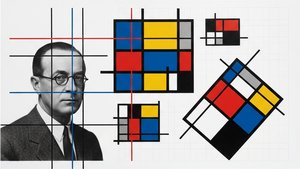 Theo van Doesburg: Pioneering De Stijl & the Evolution of Neo-PlasticismExplore the revolutionary De Stijl movement & Neo-Plasticism with our expert guide. Discover Piet Mondrian, Theo van Doesburg, and the last…
 ثلاثية الرؤى الفنية: استكشاف الاستجابة العاطفية للتفسيرات المتعددة لمفهوم واحداكتشف قوة الفن في إثارة المشاعر! نقدم لوحات فاخرة، رسومات مخصصة، واستشارات فنية احترافية. جودة عالية، أسعار مميزة، وشحن عالمي. OriginalUniq…