
 معاينة الحجم الحقيقي
 مشاركة
 مشاركة
 التفاصيل

 تحميل الملف
 قطع مشابهة
 الأشعة السينية
 عرض شرائح
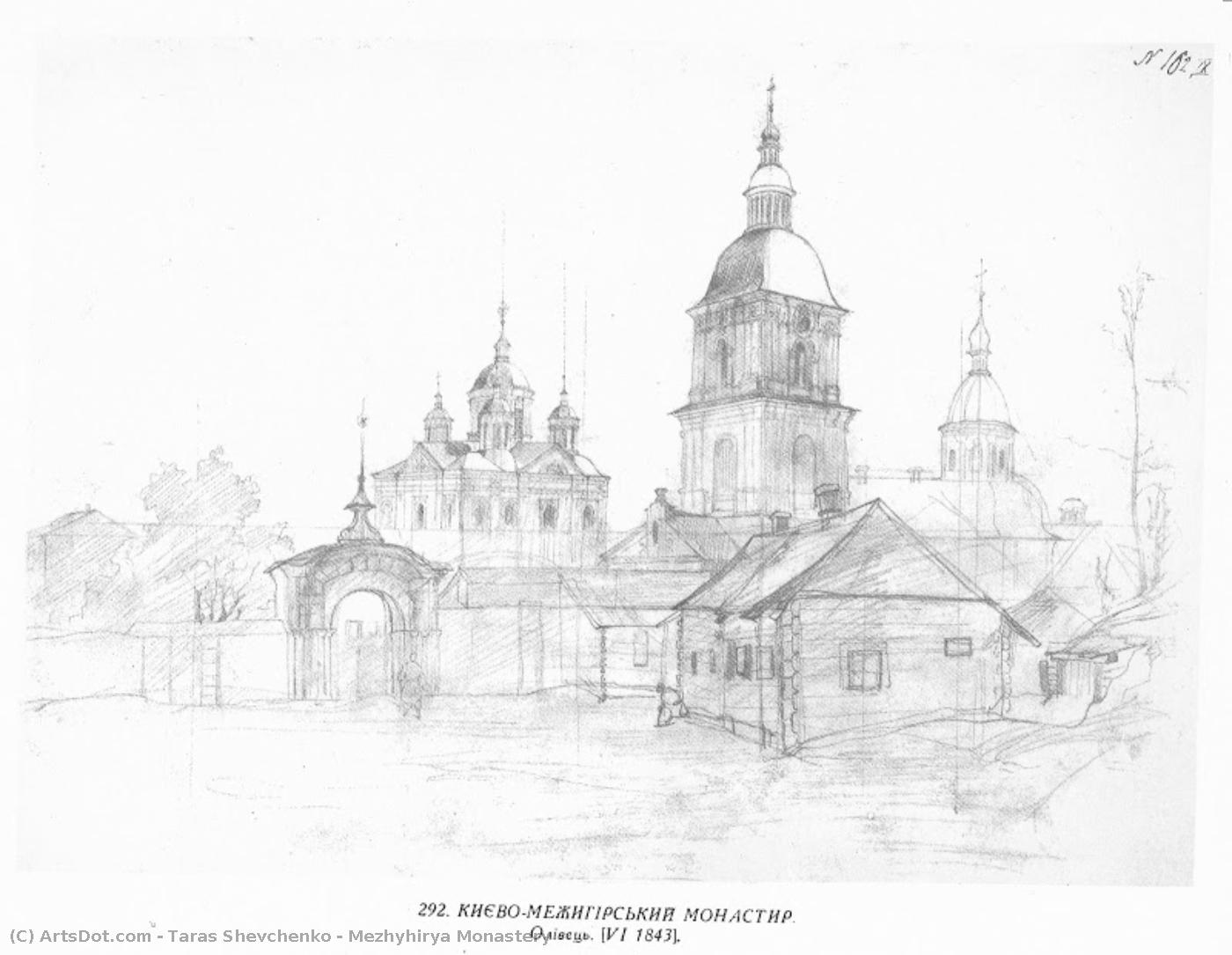
Mezhyhirya Monastery


 عرض المزيد
طباعة جيلي / مطبوعات فنية
طباعة جيكلي أو كانفاس بجودة المتاحف، مع سرعة في التنفيذ وخيارات متنوعة للتشطيب. ( اشترِ لوحة مرسومة يدويًا اشترِ الصورة)




































اختر من بين أحجامنا المُعدّة مسبقًا والتي تتطابق مع النسب الأصلية للعمل الفني.

يمكنك إدخال أبعادك الخاصة لتناسب إطاراً أو مساحة معينة. وإذا لم يتطابق الحجم الذي اخترته مع نسب الصورة الأصلية، فسنقوم إما بقص العمل الفني أو تمديد الصورة باستخدام حافة معكوسة أو بلون مصمت. سيتم إرسال نموذج تجريبي رقمي لاعتمادك قبل بدء الإنتاج.
يرجى ملاحظة أن المعاينة على الشاشة لا تعكس عملية القص أو التمديد الفعلية؛ حيث سيوضح النموذج التجريبي فقط التكوين النهائي بدقة.
وعلى الرغم من توفر أحجام مخصصة، إلا أننا نوصي باختيار أبعاد من القائمة المحددة مسبقاً للحفاظ على النسب الأصلية.
توصيل عالمي إلى خلال أسبوعين بدلاً من المدة القياسية البالغة 4/5 أسابيع. 16 أغسطس

شحن سريع ومجاني لجميع أنحاء العالم

قماش كتان عالي الجودة

تأمين شحن شامل

ضمان استرداد الرسوم الجمركية

ضمان مطابقة الألوان الحقيقية

سياسة الإرجاع خلال 60 يومًا (في حالات العيوب فقط)

ضمان استرداد نقدي بنسبة 100%

خصم عند طلب عدة قطع
 خيار الزجاج متاح فقط للمقاسات التي تقل عن 110 سم

Mezhyhirya Monastery
طباعة جيلي / مطبوعات فنية
مقاس النسخة المطبوعة
-


السعر الإجمالي النهائي
$ 80
السيرة الذاتية للفنان
A Life Etched in Poetry and Paint: The World of Taras Shevchenko
Taras Hryhorovych Shevchenko, a name synonymous with Ukrainian identity and resilience, was more than just an artist or a poet—he was the embodiment of a nation’s yearning for freedom. Born into serfdom in 1814 in the humble village of Moryntsi, Ukraine, his early life was steeped in hardship, yet illuminated by an innate artistic talent that would ultimately transcend his circumstances and ignite a cultural awakening. The weight of oppression bore down on young Taras; he lost his mother at seven and his father eight years later, experiences that indelibly marked his sensibility and fueled the poignant social commentary woven throughout his life’s work. His initial exposure to art came through apprenticeships with local icon painters, laying the foundation for a technical skill that would blossom under formal training. This early period wasn't merely about mastering technique; it was an immersion into Ukrainian folklore, religious imagery, and the visual language of his people—elements that would become cornerstones of his artistic expression.From Serfdom to St. Petersburg: The Flowering of a Genius
Shevchenko’s path took a pivotal turn when he was sent to Kyiv for education, first at the Grammar School and then the Theological Seminary. However, these institutions proved ill-suited to his artistic spirit. Fate intervened through the patronage of several individuals who recognized his exceptional talent. This led to his liberation from serfdom in 1838—a watershed moment achieved through a lottery where the prize was a portrait by Karl Bryullov. This freedom unlocked access to the prestigious Imperial Academy of Arts in St. Petersburg, where he studied under Karl Brück. Here, Shevchenko wasn’t simply absorbing artistic techniques; he was engaging with the broader European art scene, encountering Romanticism and Realism, styles that would subtly influence his own developing aesthetic. His work began to blend traditional Ukrainian themes with a modern sensibility, foreshadowing the unique voice he would soon project through both brushstrokes and verse. During this period, he honed his skills in painting, etching, and drawing, demonstrating a remarkable versatility that set him apart.The Poet of Ukraine: *Kobzar* and the Voice of a Nation
While Shevchenko excelled as an artist, it was through poetry that he truly captured the soul of Ukraine. The publication of *Kobzar* in 1840 marked a turning point not only in his career but also in Ukrainian literature itself. This collection wasn’t merely a compilation of poems; it was a declaration of national identity, a lament for past injustices, and a call for future liberation. The verses resonated deeply with the Ukrainian peasantry, articulating their struggles under serfdom and igniting a sense of collective consciousness. *Kobzar* became a symbol of resistance and hope, circulating widely despite censorship attempts by the Tsarist regime. Beyond *Kobzar*, Shevchenko’s artistic output continued to reflect his deep connection to Ukraine—paintings depicting rural life, historical events, and portraits that captured the spirit of his people. Works like “Architectural project of private house. Main facade” and "Cathedral of the Annunciation in Nizhny Novgorod" demonstrate a range beyond purely nationalistic themes, showcasing his architectural interests and technical skill. His monochrome illustration, “The Death of Bohdan Khmelnytsky,” stands as a powerful example of his mastery of realism and etching, depicting a pivotal moment in Ukrainian history with profound emotional depth.Exile, Resilience, and Enduring Legacy
Shevchenko’s outspoken criticism of the Tsarist regime and involvement with the Petrashevsky Circle—a group advocating for political reform—led to his arrest in 1847 and a decade-long exile to Central Asia. This period was marked by immense hardship; he was forbidden from writing or painting, subjected to harsh conditions, and constantly monitored. Yet, even in the face of such oppression, Shevchenko’s spirit remained unbroken. He continued to sketch secretly, documenting his surroundings and preserving his artistic vision. His exile became a symbol of Ukrainian suffering under Russian rule, further solidifying his status as a national hero. Upon his premature release due to failing health, he returned to St. Petersburg only to succumb to illness in 1861 at the age of 47. His death was mourned throughout Ukraine and beyond. Today, Taras Shevchenko is revered as a foundational figure in Ukrainian literature and art. Numerous museums and memorials—including the Taras Shevchenko National Museum in Kyiv and the Tereshchenko Museum—are dedicated to preserving his legacy. His works continue to inspire generations of artists, writers, and activists, ensuring that his voice—a voice forged in hardship and fueled by a deep love for Ukraine—will resonate for centuries to come. The recent creation of a Taras Shevchenko AI chatbot is a testament to the enduring power of his ideas and the ongoing commitment to sharing his work with new audiences.
Taras Hryhorovych Shevchenko
1814 - 1861 , Ukraine
حقائق سريعة
- Artistic Movement Or Style: Romanticism
- Artists Or Movements Influenced By This Artist:
- Ukrainian literature
- Modern Ukrainian language
- Artists Who Influenced This Artist: ['Karl Brück']
- Date Of Birth: March 9, 1814
- Date Of Death: March 10, 1861
- Full Name: Taras Hryhorovych Shevchenko
- Nationality: Ukrainian
- Notable Artworks:
- The Death of Bohdan Khmelnytsky
- Architectural project...
- Cathedral of the Annunciation
- Place Of Birth: Moryntsi, Ukraine

