- الرئيسية

- طباعة على كانفاس
- swing painter
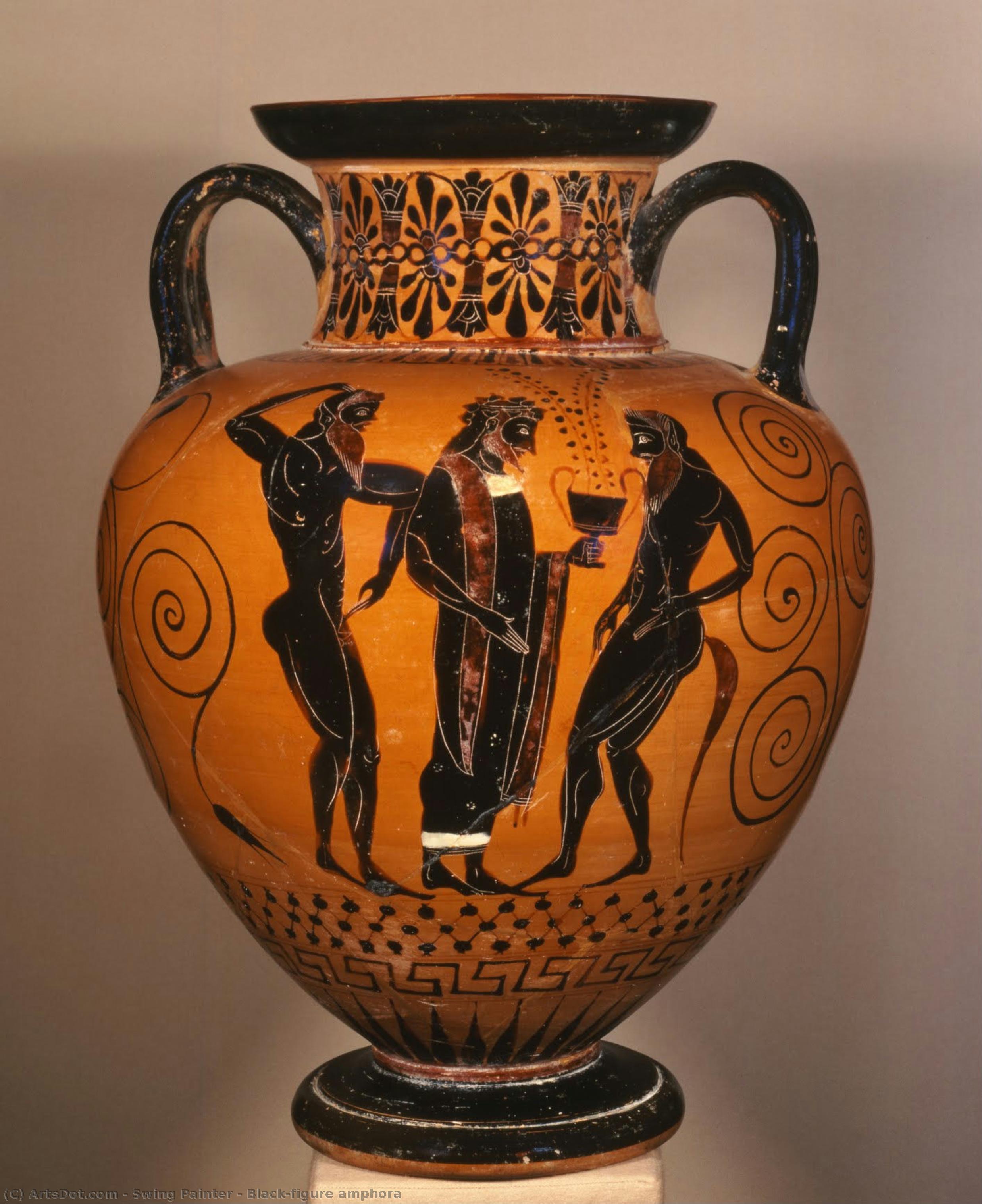
- Black-figure amphora
 اطلب نسخة مرسومة يدوياً شراء الصورة بدقة عالية
 مشاركة
 مشاركة
 التفاصيل
 أضف إلى المفضلة

 تحميل الملف
 قطع مشابهة
 الأشعة السينية
 عرض شرائح
Black-figure amphora
 18.0 x 40.0 cm
 Museum of Cycladic Art
 عرض المزيد
طباعة جيلي / مطبوعات فنية
طباعة جيكلي أو كانفاس بجودة المتاحف، مع سرعة في التنفيذ وخيارات متنوعة للتشطيب.




































اختر من بين أحجامنا المُعدّة مسبقًا والتي تتطابق مع النسب الأصلية للعمل الفني.

يمكنك إدخال أبعادك الخاصة لتناسب إطاراً أو مساحة معينة. وإذا لم يتطابق الحجم الذي اخترته مع نسب الصورة الأصلية، فسنقوم إما بقص العمل الفني أو تمديد الصورة باستخدام حافة معكوسة أو بلون مصمت. سيتم إرسال نموذج تجريبي رقمي لاعتمادك قبل بدء الإنتاج.
يرجى ملاحظة أن المعاينة على الشاشة لا تعكس عملية القص أو التمديد الفعلية؛ حيث سيوضح النموذج التجريبي فقط التكوين النهائي بدقة.
وعلى الرغم من توفر أحجام مخصصة، إلا أننا نوصي باختيار أبعاد من القائمة المحددة مسبقاً للحفاظ على النسب الأصلية.
توصيل عالمي إلى خلال أسبوعين بدلاً من المدة القياسية البالغة 4/5 أسابيع. 20 يوليو

شحن سريع ومجاني لجميع أنحاء العالم

قماش كتان عالي الجودة

تأمين شحن شامل

ضمان استرداد الرسوم الجمركية

ضمان مطابقة الألوان الحقيقية

سياسة الإرجاع خلال 60 يومًا (في حالات العيوب فقط)

ضمان استرداد نقدي بنسبة 100%

خصم عند طلب عدة قطع
 خيار الزجاج متاح فقط للمقاسات التي تقل عن 110 سم

Black-figure amphora
طباعة جيلي / مطبوعات فنية
مقاس النسخة المطبوعة
-


السعر الإجمالي النهائي
-
وصف القطعة الفنية
السيرة الذاتية للفنان
Swing Painter: An Unassuming Voice in Attic Black-Figure Pottery
Swing Painter remains an enigmatic figure within the annals of ancient Greek art, largely obscured by the brilliance of his contemporaries. Identified solely from a vase bearing his name – specifically a Panathenaic prize amphora – scholars have painstakingly reconstructed his life and artistic output based on fragmentary evidence. Born sometime before 550 BC in Athens, he flourished during the third quarter of the sixth century BC, coinciding with the peak activity of Group E, a prominent Athenian vase painting workshop. Despite producing an astonishing number of vases—estimated to be over fifty—his style is remarkably understated and lacks the grandeur often associated with artistic innovation. John Boardman aptly describes Swing Painter’s technique as “cursory,” suggesting a deliberate lack of meticulousness that paradoxically contributes to his enduring fascination. Unlike many artists of his era who adhered rigidly to established conventions, Swing Painter embraced experimentation, notably incorporating additional colors beyond the traditional black and red palette to create striking patterns on clothing—a bold move for its time. This willingness to deviate from accepted norms distinguishes him as an artist who prioritized originality over adherence to stylistic trends. His artistic repertoire encompassed both mythological narratives and depictions of everyday life. Among his most notable works are representations of Herakles and Busiris, scenes that stand apart due to their unique visual interpretation. Furthermore, he captured moments of Athenian daily existence—such as men on stilts and domestic motifs—demonstrating a keen observation of the human condition. The vase featuring a swing is particularly significant, serving as both his namesake and a testament to his artistic sensibility. Swing Painter’s influence extends beyond individual pieces; he played a crucial role in shaping the aesthetic landscape of Attic pottery during his formative years. His distinctive style—characterized by oversized heads with clenched fists and striking noses—elicits an unintentional humor that resonates across centuries, prompting modern viewers to reconsider perceptions of ancient Greek art. While not considered among the foremost artists of his time, Swing Painter’s legacy persists as a symbol of artistic courage and a reminder that beauty can reside in simplicity and unexpected detail.- Notable Works: Herakles and Busiris Amphorae; Men on Stilts Vase; Panathenaic Prize Amphora
- Style Characteristics: Cursory Technique; Bold Use of Color; Distinctive Head Portrayals
- Historical Significance: Represents a Counterpoint to Established Conventions; Embodies Athenian Artistic Spirit
Technique and Innovation
Swing Painter’s artistic approach was marked by a deliberate departure from prevailing stylistic norms. Unlike many of his peers who meticulously followed established conventions, he prioritized originality and experimentation. This is evident in his use of color—particularly the incorporation of hues beyond the standard black and red palette—to create vibrant patterns on clothing. Boardman noted that this technique demonstrated “a boldness” uncommon among his contemporaries. His vase paintings are characterized by a remarkable level of detail despite their apparent carelessness. The oversized heads of his figures, with their clenched fists and striking noses, possess an unintentional comedic quality that continues to captivate audiences today. This stylistic quirk underscores Swing Painter’s ability to infuse humor into seemingly solemn subjects—a characteristic that distinguishes him from many other artists of the period.
swing painter
Greece
حقائق سريعة
- Artistic Movement Or Style: Black-figure vase painting
- Date Of Death: Living
- Full Name: Swing Painter
- Nationality: Greek
- Notable Artworks:
- Herakles and Busiris
- Panathenaic prize amphora
- Place Of Birth: Greece

