Neo-Romantic Landscape · 1944
Ardrossan (ستيفن بون, 1944)
أبدع ستيفن بون (1904–1958) في Ardrossan. يعود تاريخها إلى 1944. تنتمي إلى حركة Neo-Romantic Landscape. صُنعت من Oil On Canvas. تُحفظ في Walker Art Gallery في ليفربول, المملكة المتحدة. أبعادها 51 × 61 cm
- 1944
- Oil On Canvas
- 51 × 61 cm
- Walker Art Gallery, ليفربول

 معاينة الحجم الواقعي

 لوحة زيتية مرسومة يدوياً
 مشاركة
 مشاركة
 ورقة الحقائق


 تحميل الملف
 قطع مشابهة
 الأشعة السينية
 عرض شرائح
 الأسئلة والأجوبة

 الإحصائيات
Ardrossan باختصار
- العنوان
- Ardrossan
- الفنان
- ستيفن بون (1904–1958)
- تاريخ ميلاد الفنان
- تشيسوك, المملكة المتحدة
- التاريخ
- 1944
- الوسيط الفني
- Oil On Canvas
- الأبعاد
- 51 × 61 cm
- أين يمكن مشاهدتها
- Walker Art Gallery, ليفربول, المملكة المتحدة
- الحركة
- Neo-Romantic Landscape
- الموضوع
- coastal townscape, monochrome, harbor, shipbuilding, nostalgia, 1940s
ماذا يصور Ardrossan؟
A Moment Frozen in Time: The Essence of Ardrossan
Stephen Bone’s Ardrossan isn't merely a depiction of a coastal town; it’s a carefully constructed evocation of memory, atmosphere, and the quiet dignity of a bygone era. Painted in 1944, during the tumultuous years of World War II, the canvas captures a specific moment – a fleeting glimpse of a bustling harbor scene rendered with a deliberate restraint that speaks volumes about the artist's sensibility. The painting immediately draws the viewer into its monochrome world, a carefully calibrated palette of grays and blacks that feels both familiar and profoundly melancholic. It’s a visual poem to the resilience of place and the enduring power of observation.
- Historical Context: Bone's work during this period is deeply intertwined with his role as an Admiralty war artist, documenting naval activities and coastal defenses. This experience undoubtedly informed his approach to capturing the essence of Ardrossan – a town vital to maritime trade and strategically positioned along the Firth of Clyde.
- The Artist’s Vision: Bone was known for his ability to distill complex landscapes into their most essential elements, prioritizing mood and atmosphere over photographic realism. He sought not just to represent Ardrossan, but to convey a feeling – a sense of timelessness and quiet contemplation.
The Language of Line and Tone
Bone’s masterful use of line is immediately striking. Strong, confident strokes delineate the buildings lining the waterfront, creating a sense of solidity and permanence despite the cloudy sky above. These lines aren't rigid or geometric; they possess a subtle fluidity, suggesting movement and life within the town. The boats in the harbor are rendered with varying degrees of detail, their forms subtly suggested through carefully placed lines, contributing to the overall depth and spatial awareness of the composition. Crucially, the artist employs a sophisticated understanding of tonal variation – light and shadow are used not just for visual interest but also to create a palpable sense of atmosphere. The darker tones in the foreground anchor the scene, while the lighter shades receding into the distance evoke a feeling of atmospheric perspective, drawing the eye deeper into the image.
The painting’s monochromatic palette is particularly effective in conveying a mood of nostalgia and understated drama. It's reminiscent of vintage photographs, lending the work an almost documentary quality while simultaneously elevating it to the realm of art.Symbolism and Emotional Resonance
Beyond its technical merits, Ardrossan is rich in symbolic resonance. The cloudy sky, a dominant feature of the composition, can be interpreted as a metaphor for uncertainty and hardship – reflecting the anxieties of wartime Britain. The harbor itself, with its bustling activity, represents both connection and isolation, highlighting the town’s role as a vital link between land and sea. The presence of the boats suggests trade, industry, and perhaps even a longing for distant horizons. There's an underlying sense of quiet dignity in the scene, a suggestion that life continues despite the challenges of the time.
The painting’s emotional impact is profoundly subtle yet undeniably powerful – it invites contemplation and evokes a feeling of wistful remembrance.A Window into the Past: Technical Details
Painted in oil on canvas, Ardrossan demonstrates Bone's mastery of layering and blending techniques. The visible brushstrokes add texture and depth to the scene, creating a sense of immediacy and authenticity. The careful attention to detail – from the reflections shimmering on the water to the subtle variations in tone – speaks to the artist’s meticulous approach. The dimensions of 51 x 61 cm suggest a scale that is intimate yet expansive, allowing for both detailed observation and a broader appreciation of the scene.
أي متحف يضم Ardrossan؟
Walker Art Gallery
ليفربول, المملكة المتحدة
تاريخ Walker Art Gallery تعود جذور هذه المجموعة الفنية العريقة إلى عام 1819، حين استحوذت مؤسسة ليفربول الملكية على 37 لوحة فنية، لتشكل هذه الاقتناءات الأولى حجر الزاوية لمجموعة فنية نمت وتطورت بثبات عبر العقود التالية. وتُعد Walker Art Gallery مؤسسة ذات أهمية تاريخية ومعمارية رفيعة، حيث تم إدراجها ضمن الفئة الثانية (Grade II*)، وهي اليوم فخرٌ ينتمي إلى مجموعة National Museums Liverpool. وقد شهدت أروقة المعرض افتتاحها الرسمي في السادس من سبتمبر عام 1877، على يد إدوارد هنري ستانلي، الكونت الخامس عشر لـ Derby.


صور عالية الدقة لـ Ardrossan

Protected by copyright: these files are for personal reference, not a licence to republish.
ستيفن بون, Ardrossan (1944), Walker Art Gallery.
أسئلة وإجابات حول Ardrossan
أين تُعرض "Ardrossan" للفنان ستيفن بون اليوم؟
تُحفظ النسخة الأصلية من "Ardrossan" للفنان ستيفن بون في Walker Art Gallery, ليفربول, المملكة المتحدة، بينما تتيح لك هذه النسخة المطبوعة عرض العمل الفني في منزلك.
في أي عام أُبدعت "Ardrossan" للفنان ستيفن بون؟
ما هي التقنية المستخدمة في صنع "Ardrossan"؟
ما هي أبعاد "Ardrossan" للفنان ستيفن بون في الواقع؟
تبلغ أبعاد "Ardrossan" في شكلها الأصلي 51 x 61 cm. وتُعد الأبعاد الأصلية مرجعاً مفيداً عند اختيار حجم النسخة المطبوعة.
ماذا يصور "Ardrossan"؟
هل العمل "Ardrossan" ضمن الملكية العامة؟
من هو الفنان الذي أبدع "Ardrossan"؟
إلى أي أسلوب ينتمي "Ardrossan"؟
عن الفنان، ستيفن بون

1904–1958, المملكة المتحدة
ستيفن بون
ستيفن بون: حياة وفن البدايات والنشأة التعليمية الميلاد: تشيسويك، المملكة المتحدة (1904) الوفاة: 1958 ولد ستيفن بون في كنف عائلة فنية عريقة، فهو ابن الفنان الشهير السير مويرهيد بون والكاتبة جيرترود هيلينا دود، وقد ترك هذا الإرث العائلي أثراً عميقاً في تشكيل وجدانه الفني منذ نعومة أظفاره. تلقى تعليمه في مدرسة بيدالز قبل أن يلتحق بمدرسة سلايد للفنون الجميلة في عام 1922، إلا أنه سرعان ما شعر بنوع من عدم الرضا تجاه المنهج الأكاديمي الصارم في "سلايد"، مما دفعه لمغادرة المدرسة في عام 1924 ليتفرغ لشغفه في مجال رسوم الكتب التوضيحية. المسيرة المهنية المبكرة والتطور الفني حقق بون نجاحاً لافتاً في بداياته كمصور ومصمم للحفر على الخشب، حيث أبدع أعمالاً مخصصة لوالدته ولعدد من الكتاب الآخرين، وتوج هذا الإبداع بفوزه بالميدالية الذهبية لفن الحفر على الخشب في المعرض الدولي بباريس عام 1925. وفي عام 1926، شهدت مسيرته محطة فارقة حين شارك في معرض جماعي مع رودني جوزيف بيرن وروبن غوثري في معرض جوبيل، مما عزز من مكانته الفنية.
وأيضاً لـ ستيفن بون
 Bow Gun, HMS 'Southern Star'1943
 Stormy Evening1926
 Arisaig1940
 Royal Air Force Air Sea Rescue Launches, Stornoway The Fish Quay Beyond1943
مقالات حول Ardrossan
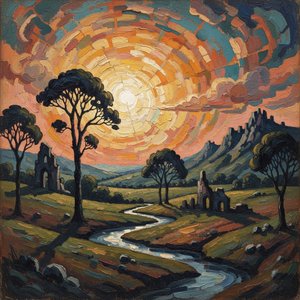 Stephen Bone: A Reassessment of Colour, Form & the British Neo-Romantic Landscape TraditionExplore the vibrant world of Stephen Bone (1904-1958), a key figure in British Neo-Romanticism. Discover his captivating landscapes, impact…
 The Language of Light and Form: Emotional Resonance in Abstract LandscapesExplore the emotional depth of abstract landscapes through Kandinsky and Gauguin. Discover the power of color and form today.
 Spontaneity and Matter: Distinguishing CoBrA from Art InformelMaster the differences between CoBrA and Art Informel with our expert guide. Learn to identify these post-war movements today.