
 معاينة الحجم الحقيقي
 مشاركة
 مشاركة
 التفاصيل

 تحميل الملف
 قطع مشابهة
 الأشعة السينية
 عرض شرائح
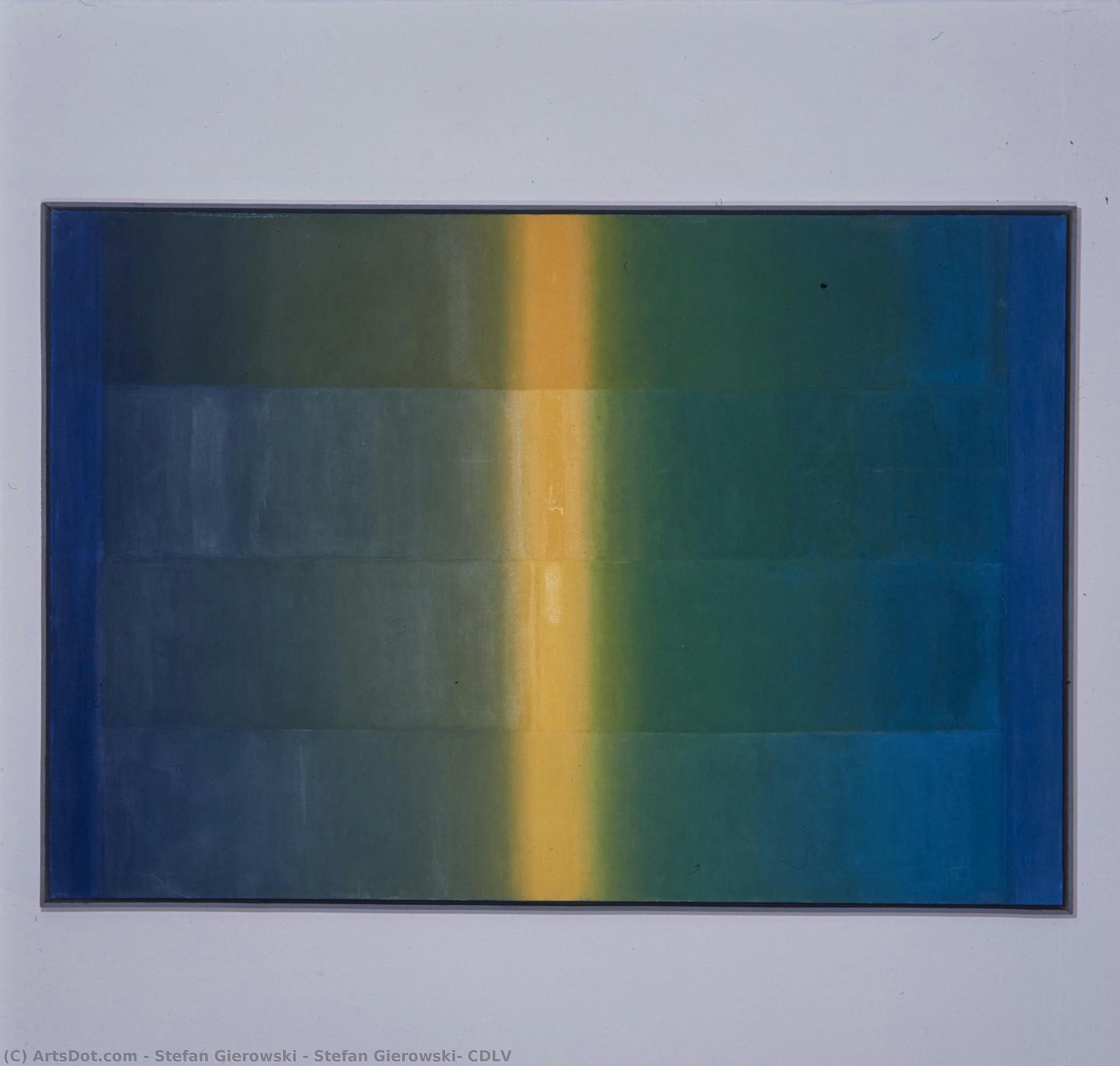
Stefan Gierowski, CDLV
 1980
1980 200.0 x 138.0 cm
 Ujazdowski Castle Centre for Contemporary Art
 عرض المزيد
طباعة جيلي / مطبوعات فنية
طباعة جيكلي أو كانفاس بجودة المتاحف، مع سرعة في التنفيذ وخيارات متنوعة للتشطيب. ( اشترِ لوحة مرسومة يدويًا اشترِ الصورة)




































اختر من بين أحجامنا المُعدّة مسبقًا والتي تتطابق مع النسب الأصلية للعمل الفني.

يمكنك إدخال أبعادك الخاصة لتناسب إطاراً أو مساحة معينة. وإذا لم يتطابق الحجم الذي اخترته مع نسب الصورة الأصلية، فسنقوم إما بقص العمل الفني أو تمديد الصورة باستخدام حافة معكوسة أو بلون مصمت. سيتم إرسال نموذج تجريبي رقمي لاعتمادك قبل بدء الإنتاج.
يرجى ملاحظة أن المعاينة على الشاشة لا تعكس عملية القص أو التمديد الفعلية؛ حيث سيوضح النموذج التجريبي فقط التكوين النهائي بدقة.
وعلى الرغم من توفر أحجام مخصصة، إلا أننا نوصي باختيار أبعاد من القائمة المحددة مسبقاً للحفاظ على النسب الأصلية.
توصيل عالمي إلى خلال أسبوعين بدلاً من المدة القياسية البالغة 4/5 أسابيع. 12 أغسطس

شحن سريع ومجاني لجميع أنحاء العالم

قماش كتان عالي الجودة

تأمين شحن شامل

ضمان استرداد الرسوم الجمركية

ضمان مطابقة الألوان الحقيقية

سياسة الإرجاع خلال 60 يومًا (في حالات العيوب فقط)

ضمان استرداد نقدي بنسبة 100%

خصم عند طلب عدة قطع
 خيار الزجاج متاح فقط للمقاسات التي تقل عن 110 سم

Stefan Gierowski, CDLV
طباعة جيلي / مطبوعات فنية
مقاس النسخة المطبوعة
-


السعر الإجمالي النهائي
$ 80
السيرة الذاتية للفنان
Stefan Gierowski: A Life Illuminated by Light and Shadow
The year is 1945. Poland, scarred by war and the iron grip of Soviet influence, emerges from devastation into a landscape both familiar and profoundly altered. Amidst this turbulent backdrop, a young artist named Stefan Gierowski begins his artistic journey, driven by an innate curiosity and a deep-seated belief in the power of visual expression. Born in Częstochowa in 1925, Gierowski’s early life was steeped in intellectual tradition – his father, a physician, fostered a love for art within him, while family connections to a nineteenth-century painter provided a tangible link to Poland's artistic past. This foundation, coupled with the exigencies of wartime resistance and clandestine artistic education, shaped his formative years and ultimately informed his distinctive approach to abstraction.
Gierowski’s early studies at the Academy of Fine Arts in Kraków exposed him to both the legacy of Young Poland and the burgeoning avant-garde movements. He found himself navigating a complex political landscape, where Socialist Realism was imposed as the dominant artistic ideology. This restrictive environment forced Gierowski, along with many other artists, into the shadows, fueling a quiet rebellion against conformity. It was during this period that he encountered Władysław Strzemiński’s theories on “Unism,” a concept emphasizing the inherent qualities of materials and colors – an idea that would profoundly influence his later work. His time in Warsaw, marked by clandestine meetings and artistic collaborations, solidified his commitment to exploring the fundamental elements of art, independent of political dictates.
The Abandonment of Representation: A Journey into Abstraction
Around 1957, a pivotal shift occurred in Gierowski’s artistic practice. He deliberately abandoned representational and realist painting, embarking on a path toward pure abstraction. This wasn't a rejection of art itself, but rather a radical exploration of the inherent qualities of materials – color, light, texture – and their interaction within the confines of the canvas. As he himself described it, his primary fascination lay in “the dual nature of light,” how it’s simultaneously contained *within* a painting and yet seems to escape its boundaries. This concept became central to his artistic vision.
His early abstract works, marked by a series of paintings numbered I through XX, are often described as ‘informel,’ reflecting the broader European movement that emphasized spontaneous gesture and emotional expression. However, Gierowski’s approach went beyond mere gestural abstraction; he meticulously investigated the physical laws governing light, color, and space. He moved away from assigning literary titles to his paintings, instead relying on a numerical system – a deliberate choice signifying a detachment from narrative and an emphasis on the artwork's intrinsic qualities. The use of silver and grey canvases in the late 1950s further aligned him with Strzemiński’s theories, suggesting a focus on the fundamental properties of materials rather than their visual representation.
The Language of Color and Light
Gierowski's later work demonstrated a growing geometric structuring of his paintings. He gradually reduced the emotional intensity of his earlier pieces, streamlining his language and refining his palette. He began to prioritize clarity and precision, exploring the interplay of color and light with an almost scientific rigor. This evolution wasn’t about abandoning emotion; rather, it was a shift in how that emotion was conveyed – through subtle nuances of hue, texture, and spatial relationships.
His 1960 painting, *Painting XCVII*, exemplifies this period. The canvas is dominated by a carefully orchestrated composition of color blocks, suggesting a complex interplay of light and shadow. The work speaks to the artist’s deep understanding of optics and his ability to translate abstract concepts into tangible visual experiences. It's a testament to his belief that each painting possesses an inherent structure based on physical laws – a framework that exists independently of the viewer’s interpretation, only revealing its meaning once it leaves the studio.
Legacy and Recognition
Throughout his long career, Stefan Gierowski’s paintings have been exhibited in major galleries across Europe and the United States. His work is characterized by an enigmatic quality – inviting viewers to engage with the artwork on a deeply personal level, drawing upon their own emotional responses and intellectual curiosity. His commitment to exploring the fundamental elements of art, coupled with his masterful manipulation of color and light, has established him as a significant figure in Polish avant-garde history.
Gierowski’s influence extends beyond the realm of painting; he was also a respected educator at the Academy of Fine Arts in Warsaw for many years. His legacy continues to inspire artists today, reminding us of the power of art to challenge conventions and explore the mysteries of perception. He passed away in August 2022, leaving behind a body of work that remains both profoundly personal and universally resonant.

stefan gierowski
1925 - 2022 , Poland
حقائق سريعة
- Artistic Movement Or Style: Abstract/Optical Effects
- Artists Or Movements Influenced By This Artist:
- Unism
- Informel
- Artists Who Influenced This Artist:
- Władysław Strzemiński
- Karol Frycz
- Date Of Birth: May 21, 1925
- Date Of Death: August 14, 2022
- Full Name: Stefan Gierowski
- Nationality: Polish
- Notable Artworks:
- Painting XCVII
- Obraz nr I
- Place Of Birth: Częstochowa, Poland

