

 معاينة الحجم الواقعي
 إرسال
إرسال مشاركة
 عرض التفاصيل
 دليل الأعمال الفنية للطلاب

 تحميل
تحميل
 قطع مشابهة
 الأشعة السينية
 عرض شرائح متتابع
 الإحصائيات
Vertical Lines, Not Touching


 اقرأ المزيد
إن العمل الفني المعروض في هذه الصفحة محمي بموجب قوانين حقوق الطبع والنشر، مما يعني أنه لا يحق لنا قانوناً إنشاء أو بيع نسخ مطابقة له. وتُطبق هذه الحماية بموجب الاتفاقيات الدولية مثل الـ اتفاقية برن ووفقاً للقوانين الوطنية، بما في ذلك تلك المنصوص عليها في قانون حقوق الطبع والنشر في الولايات المتحدة - الباب 17.
تتوافق هذه الطريقة تماماً مع لوائح حقوق النشر لأنها لا تتضمن نسخ أو تكرار العمل الفني المحمي، بل هي إعادة تفسير إبداعية؛ أي أنها لوحة جديدة مستوحاة من الأصل ولكنها ليست مطابقة له.
طباعة جيلي / مطبوعات فنية
طباعة جيكلي أو كانفاس بجودة المتاحف، مع سرعة في التنفيذ وخيارات متنوعة للتشطيب. ( اطلب نسخة مرسومة يدويًا التحويل إلى الصورة الرقمية)




P118B E£10

P118H E£10

P118W E£10

P438Z E£10

P508JH E£12

P508YH E£12

P805H E£10

P805Z E£10

P919BZ E£10

P919G E£10

P919XJ E£10

P959ZH E£10

P968JZ E£12

W106C E£8

W218G E£10

W218JH E£8

W218Y E£10

W307PJ E£10

W316G E£10

W316PJ E£8

W316Y E£10

W398PJ E£8

W4111J E£10

W500HY E£15

W500JH E£15

W692G E£12

W849H E£8

W940BG E£15

W953PJ E£8




اختر من بين أحجامنا المُعدّة مسبقاً والتي تتوافق مع النسب الأصلية للعمل الفني.

أدخل العرض والارتفاع اللذين تحتاجهما، ليتناسب مع إطارك أو جدارك. يمكن قص المطبوعة فقط، ولا يمكن أبداً جعلها أكبر من الصورة الأصلية، لذا فإن أي مقاس بشكل مختلف سيؤدي إلى فقدان جزء من الصورة. سنرسل لك نموذجاً رقمياً تجريبياً لاعتماده قبل البدء في عملية الطباعة. الصورة المعروضة في هذه الصفحة لا توضح القص الفعلي — النموذج التجريبي فقط هو ما يظهر ذلك.
توصيل عالمي إلى خلال أسبوعين بدلاً من المدة القياسية البالغة 4/5 أسابيع. (21 أكتوبر)

شحن سريع ومجاني لجميع أنحاء العالم

قماش كتان فاخر

تأمين شامل على الشحن

ضمان استرداد الرسوم الجمركية

ضمان دقة مطابقة الألوان

سياسة الإرجاع خلال 100 يوم (في حالات العيوب فقط)

ضمان استرداد نقدي بنسبة 100%

عرض خصم الكميات
 خيار الزجاج متاح فقط للمقاسات التي تقل عن 110 سم

Vertical Lines, Not Touching
طباعة جيلي / مطبوعات فنية
مقاس النسخة المطبوعة
-


إجمالي السعر
E£ 4131
Sol LeWitt’s “Vertical Lines, Not Touching” – A Study in Order and Minimalism
Solomon Lewitt's "Vertical Lines, Not Touching," created in 1970, isn’t merely a drawing; it’s an architectural meditation rendered in graphite on paper. This deceptively simple work embodies the core tenets of minimalism—a movement that sought to strip art down to its essential elements, prioritizing process and concept over ornamentation or representational imagery. The piece immediately commands attention not through vibrant color or dramatic form, but through a profound sense of order and contained energy. It’s an invitation to contemplate the beauty found within repetition and the quiet power of geometric precision.
The Geometry of Restraint
At first glance, “Vertical Lines, Not Touching” presents a starkly minimalist composition: a square defined by a grid of closely spaced vertical lines. The meticulous execution is key to its impact; each line is drawn with deliberate control, creating a surface that subtly suggests texture through the density of its markings. The choice of monochromatic gray reinforces this sense of austerity and focuses attention entirely on the structure itself. Lewitt’s approach was deeply rooted in mathematics and geometry – disciplines he studied extensively early in his career – reflecting a belief that art could be understood and appreciated through rational, logical systems. The title, “Vertical Lines, Not Touching,” isn't just descriptive; it’s a statement of principle, highlighting the fundamental constraint upon which the entire piece is built.
A Conceptual Foundation: Minimalism and Beyond
Created during a pivotal moment in art history – the late 1960s and early 70s – “Vertical Lines, Not Touching” aligns perfectly with the burgeoning minimalist movement. Artists like Donald Judd and Carl Andre were pushing against traditional notions of sculpture, favoring industrial materials and geometric forms. However, Lewitt’s approach differed subtly; he often employed a ‘wall drawing’ technique, creating works that could be executed by multiple assistants simultaneously, emphasizing the collaborative nature of art-making and blurring the lines between artist and participant. This concept – the idea that the process itself is as important as the finished product – became central to Lewitt's practice and profoundly influenced subsequent generations of conceptual artists.
Symbolism in Simplicity: Order, Repetition, and Contemplation
While seemingly devoid of overt symbolism, “Vertical Lines, Not Touching” invites a deeper interpretation. The strict grid evokes notions of order, control, and even confinement – perhaps reflecting the anxieties of a rapidly changing world. The repetition of the lines creates a hypnotic effect, drawing the viewer into a state of quiet contemplation. It’s a work that rewards patient observation, revealing subtle variations in tone and texture that suggest depth and complexity beneath its surface simplicity. The “not touching” aspect reinforces this sense of restraint, suggesting a deliberate avoidance of conflict or disruption – a powerful statement about harmony and balance.
A Legacy of Precision: Reproduction and Interior Design
Today, "Vertical Lines, Not Touching" remains a significant work in the canon of minimalist art. Its clean lines and understated elegance make it an ideal choice for contemporary interior design, adding a touch of sophisticated restraint to any space. High-quality reproductions capture the subtle nuances of Lewitt’s technique, allowing viewers to appreciate the meticulous detail that defines this iconic piece. When considering a reproduction, remember that the essence of the work lies not just in its visual appearance but also in the conceptual framework it represents – a testament to the power of simplicity and the enduring appeal of geometric abstraction.
Learn more about this piece at MoMA
الأسئلة والأجوبة
إلى أي حركة فنية ينتمي العمل "Vertical Lines, Not Touching" للفنان سول لوييت؟
إن الحركة الفنية المرتبطة بـ "Vertical Lines, Not Touching" للفنان سول لوييت هي Minimalist Sculpture. ويضع هذا التصنيف العمل ضمن مجموعة من الفنانين والأعمال الفنية ذات الصلة.
كيف يوازن "Vertical Lines, Not Touching" بين الضوء والظلال؟
تتميز لوحة "Vertical Lines, Not Touching" بدرجة سطوع إجمالية تبلغ brilliant، كما يبلغ مستوى الإضاءة فيها Luminous.
كيف يمكن استخدام "Vertical Lines, Not Touching" للفنان سول لوييت في ديكور المنزل؟
يُعد استخدام (Geometry) وتخصيص مساحة (Hotel Lobby) من أبرز التوصيات المقترحة لـ "Vertical Lines, Not Touching" للفنان سول لوييت.
نبذة عن الفنان
مهندس الأفكار: حياة وإرث سول لوييت
في المشهد الشاسع للحداثة في القرن العشرين، لم تترك شخصيات قليلة ظلاً طويلاً أو عميقاً فكرياً مثل سولومون لوييت. ولد في 9 سبتمبر 1928، في هارتفورد، كونيتيكت، لعائلة من المهاجرين اليهود من روسيا، وكانت رحلة لوييت مسيرةً حددها السعي وراء الفكر الخالص بدلاً من مجرد التنفيذ المادي. تشكلت سنواته الأولى بفضول تحليلي صارم، وهي سمة نمت من خلال دراساته في جامعة سيراكيوز بين عامي 1945 و1949. هذا الأساس الأكاديمي في الرياضيات والهندسة أصبح لاحقاً نبض لغته الفنية، مما سمح له بتجريد الفن التقليدي من الزخارف المفرطة للكشف عن الجمال الهيكلي للمنطق والبناء.
لم يكن تطور لوييت كفنان انقطاعاً مفاجئاً، بل كان هجرة متعمدة من الملموس إلى المفاهيمي. وبينما تضمنت استكشافاته المبكرة الطبيعة الحسية للرسم والتلوين، وجد نفسه سرعان ما ينجذب بشكل متزايد إلى الفكرة الكامنة وراء الأثر بدلاً من الأثر نفسه. ميز هذا التحول ولادة رائد جسّر الفجوة بين التبسيطية والفن المفاهيمي. بدأ ينظر إلى الفنان ليس كحرفي مقيد باليد، بل كمهندس للتعليمات. ومن خلال إعطاء الأولوية للمخطط الذهني على الكائن المكتمل، تحدى لوييت تعريف التأليف ذاته، مشيراً إلى أنه بمجرد تصور الفكرة، فإن تجليها المادي ليس سوى نتيجة ثانوية.
ثورة الرسومات الجدارية
شهدت أواخر الستينيات واحدة من أكثر التحولات جذرياً في الفن المعاصر مع ظهور رسومات لوييت الجدارية الأيقونية. برفضه لديمومة وثمن المنحوتات التقليدية، قدم "الهياكل" — وهو المصطلح الذي فضله على كلمة "منحوذات" للتأكيد على جوهرها الرياضي — وسلسلة من التعليمات التي يمكن تنفيذها من قبل أي شخص مدرب على اتباعها. لم تكن هذه الأعمال مجرد ديكورات، بل تجارب حية، تتكون غالً من أنماط هندسية دقيقة، وأقواس، وأشكال متداخلة بثت الحياة في المساحات المعمارية التي سكنتها.
إن مشاهدة رسم جداري للوييت هي رؤية للمنطق وهو يتحول إلى شعر. وسواء كان ذلك التكرار الإيقاعي الصارم الموجود في الأسود مع الخطوط البيضاء، الرأسية غير المتلامسة أو الطاقة النابضة بالحياة والمفعمة بالحيوية في الرسم الجداري رقم 1091: أقواس ودوائر وأحزمة، فقد استخدم عمله قوة الخط للسيطرة على الفضاء. اعتمدت هذه القطع غالباً على نظام من التعليمات المنطقية والرياضية التي توجه المساعدين أو القائمين على تركيب الأعمال في المتاحف أثناء إنتاجها. لقد جعل هذا الأسلوب عملية الإبداع ديمقراطية، بينما رفع في الوقت نفسه من أهمية المفهوم، مما ضمن وجود العمل الفني كشرارة فكرية جوهرية قبل أن يلمس الجدار أبداً.
بصمة خالدة على الحداثة
طوال مسيرته الحافلة، التي امتدت لعقود وشملت إتقاناً في الطباعة والتصوير والتركيب، ظل لوييت ثابتاً في التزامه بالوضوح والدقة. إن قدرته على إيجاد جمال عميق في أبسط الأشكال — مثل الهرم الأبيض المذهل أو الإيقاعات الملونة والمعقدة لأعماله الجدارية القائمة على أقلام التلوين — أعادت تعريف الحدود الجمالية لأواخر القرن العشرين. لقد أثبت أن الفن يمكن تجريده من الأنا والزينة، ومع ذلك يظل محتفظاً بروح تتردد أصداؤها بعمق مع الرغبة البشرية في النظام والاكتشاف.
لا يمكن المبالغة في الأهمية التاريخية لسول لوييت؛ فقد قدم المفردات لأجيال من الفنانين لاستكشاف الحدود بين الفكر والمادة. ويستمر إرثه في كل متحف ومعرض حيث تتلاشى الخطوط الفاصلة بين المبدع والمنفذ، وحيث يتم الاعتراف بقوة الفكرة كوسيط نهائي. وبينما ننظر إلى الوراء في حياته، من بداياته في هارتفورد إلى أيامه الأخيرة في مدينة نيويورك عام 2007، نرى رجلاً لم يصنع الفن فحسب، بل علمنا كيف نرى الهندسة العميقة للفكر نفسه.

سول لوييت
1928 - 2007 , الولايات المتحدة الأمريكية
لمحة سريعة
- Artistic Movement Or Style: الفن التجريدي والكونسيبتوال (المفاهيمي)
- Artists Or Movements Influenced By This Artist: ['التقليلية (Minimalism)']
- Artists Who Influenced This Artist: ['فرانك لويد رايت']
- Date Of Birth: 9 سبتمبر 1928
- Date Of Death: 8 أبريل 2007
- Full Name: سولومون لويت
- Nationality: أمريكي
- Notable Artworks:
- مكعبات مشوهة (Distorted Cubes)
- مشروع كالدور للفن العام 11: سول لويت 1998
- Place Of Birth: هارتفورد، الولايات المتحدة
مقالات ذات صلة

Cultivating Prestige: The Strategic Significance of Executive Desk Art as a High-Impact Recognition Gift
Discover the strategic power of executive desk art for impactful recognition gifting. Expert guidance on selecting luxury gifts that foster loyalty, strengthen relationships & elevate your brand. Learn more!
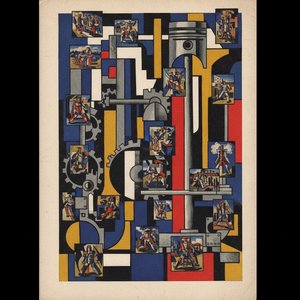
أعمال فيرناند ليجر الخالدة: 25 تحفة فنية تزين منزلك بلمسة عصرية
اكتشف 25 تحفة فنية لفيرناند ليجر، رائد الت تكعيبية والفن الحديث. استكشف قصص لوحاته الجريئة وألوانها المميزة وتأثيرها على عالم الديكور والتصميم الداخلي. احصل على نسخ عالية الجودة من أعمال ليجر الأصلية على OriginalUniqueArt.com.

The Canvas of Connection: Quantifying the ROI of Art-Based Gifting on Corporate Relationships and Brand Equity
Discover how strategic art gifting boosts brand loyalty & ROI. Expert insights on personalized gifts, employee recognition, & building lasting corporate relationships. Learn more!
Minimalist Masterpieces: 10 Artworks for Serene Home Decor | OriginalUniqueArt
Find serenity with 10 minimalist masterpieces! Explore Agnes Martin, Rothko & more. Discover the stories behind iconic abstract art, neutral palettes & calming designs. Museum-quality reproductions at OriginalUniqueArt.com – elevate your home decor today!

Simple Elegance: Transform Your New Home with the Timeless Beauty of Minimalist Art
Elevate your first home with stunning minimalist art from OriginalUniqueArt.com. From geometric abstracts to custom wedding portraits hand-painted on canvas, discover elegant decor designed to inspire. Transform your new space into a timeless sanctuary with our expert curation and bespoke beauty.