Pop Art/Conceptual art · 1962
Objectivity (سول لوييت, 1962)
أبدع سول لوييت (1928–2007) في Objectivity. يعود تاريخها إلى 1962. تنتمي إلى حركة Pop Art/Conceptual art. صُنعت من Mixed Media. أبعادها 128 × 128 cm
- 1962
- Mixed Media
- 128 × 128 cm

 معاينة الحجم الواقعي

 لوحة زيتية مرسومة يدوياً
 مشاركة
 مشاركة
 ورقة الحقائق


 تحميل الملف
 قطع مشابهة
 الأشعة السينية
 عرض شرائح
 الأسئلة والأجوبة

 الإحصائيات
Objectivity باختصار
- العنوان
- Objectivity
- الفنان
- سول لوييت (1928–2007)
- تاريخ ميلاد الفنان
- هارتفورد, الولايات المتحدة
- التاريخ
- 1962
- الوسيط الفني
- Mixed Media
- الأبعاد
- 128 × 128 cm
- الحركة
- Pop Art/Conceptual art
- الحقبة
- Modern
- الموضوع
- grid, text, minimalism, conceptual, repetition, objectivity
ماذا يصور Objectivity؟
Objectivity by Sol LeWitt: A Grid of Conceptual Precision
Sol LeWitt's "Objectivity," created in 1962, is a seminal work within the realms of Minimalism and Conceptual Art. This striking piece challenges traditional notions of artistic representation, prioritizing idea and system over subjective expression or illusionistic depiction. Measuring an impressive 128 x 128 cm, it commands attention with its rigorous structure and deliberate repetition.
Composition and Technique: A Three-Dimensional Grid
"Objectivity" presents as a square canvas meticulously divided into a three-dimensional grid of twenty-five squares. Each row contains five squares across and five down. The word "OBJECTIVITY," rendered in bold blue capital letters, is repeated five times across the rows. However, it's not simply a straightforward repetition. Each square displays two letters – “OB,” “JE,” “CT,” and “IV” – with the rightmost squares completing the word “ITY.” A key element of the work lies in its layering: the top row projects outward from the canvas surface, while subsequent rows recede further back, creating a subtle illusion of depth. The background color shifts progressively from orange in the upper row to increasingly darker shades of red as one descends, contributing to a sense of diminishing visibility and an overall darkening effect.
Style and Historical Context: Minimalism and Conceptualism
“Objectivity” emerged during a pivotal period in art history. The late 1950s and early 1960s witnessed the rise of Minimal Art, which rejected Abstract Expressionism’s emphasis on gesture and emotion, favoring instead geometric forms, industrial materials, and a reduction to essential elements. Simultaneously, Conceptual Art began to gain momentum, prioritizing the idea behind the artwork over its physical manifestation. LeWitt's work brilliantly embodies both movements. "Objectivity" exemplifies Minimalism through its grid structure, precise geometry, and serial repetition. It aligns with Conceptualism by foregrounding the underlying concept – in this case, a meditation on objectivity itself – and minimizing the artist’s hand in the final product. The systematic nature of the piece reflects LeWitt's interest in mathematical principles and logical systems.
Symbolism and Emotional Impact: Questioning Perception
The title "Objectivity" is inherently provocative, given the work's visual complexity and layered construction. By repeatedly presenting the word within a receding grid, LeWitt seems to question the very notion of objective truth or perception. The darkening effect as one descends suggests that objectivity becomes increasingly elusive, obscured by layers of interpretation and perspective. The rigid structure can evoke feelings of detachment, artificiality, and even a subtle unease. While seemingly impersonal, "Objectivity" invites viewers to contemplate the complexities of seeing and understanding, prompting reflection on how our perceptions are shaped by context and distance.
Materials and Legacy
LeWitt utilized mixed media in “Objectivity,” primarily employing cardboard or similar rigid material painted with acrylics. The choice of materials reinforces the work's industrial aesthetic and its rejection of traditional artistic techniques. "Objectivity" remains a significant piece within LeWitt’s oeuvre, demonstrating his pioneering approach to artmaking and solidifying his place as a key figure in 20th-century art. Its influence can be seen in subsequent generations of artists exploring conceptual frameworks and systematic processes.
صور عالية الدقة لـ Objectivity
Protected by copyright: these files are for personal reference, not a licence to republish.
سول لوييت, Objectivity (1962).
أسئلة وإجابات حول Objectivity
في أي عام أُبدعت "Objectivity" للفنان سول لوييت؟
يعود تاريخ "Objectivity" إلى عام 1962، وهو ما يضع العمل ضمن المسيرة المهنية لـ سول لوييت وفي سياق حقبته الزمنية.
ما هي التقنية المستخدمة في "Objectivity" للفنان سول لوييت؟
نُفذت لوحة "Objectivity" باستخدام Mixed Media.
ما هي أبعاد العمل الأصلي "Objectivity" للفنان سول لوييت؟
تبلغ أبعاد "Objectivity" في شكلها الأصلي 128 x 128 cm. وتُعد الأبعاد الأصلية مرجعاً مفيداً عند اختيار حجم النسخة المطبوعة.
ماذا يصور "Objectivity" للفنان سول لوييت؟
تُصور "Objectivity" للفنان سول لوييت: grid, text, minimalism, conceptual, repetition, objectivity, geometric.
هل يمكن إعادة إنتاج صورة "Objectivity" للفنان سول لوييت بحرية؟
تندرج لوحة "Objectivity" للفنان سول لوييت ضمن نطاق لا تزال محمية بموجب حقوق الطبع والنشر، وتحدد هذه الحالة الشروط التي يمكن بموجبها إعادة إنتاج صورة العمل الفني.
من هو الفنان الذي يُنسب إليه العمل "Objectivity"؟
الفنان الذي أبدع عمل "Objectivity" هو سول لوييت، والعمل مُدرج تحت اسم سول لوييت.
إلى أي حركة فنية ينتمي العمل "Objectivity" للفنان سول لوييت؟
تنتمي لوحة "Objectivity" للفنان سول لوييت إلى حركة Pop Art/Conceptual art الفنية، ويضع هذا التصنيف العمل ضمن سياق مجموعة من الفنانين والأعمال الفنية ذات الصلة.
إلى أي مرحلة من مسيرة سول لوييت الفنية تنتمي لوحة "Objectivity"؟
ينتمي العمل "Objectivity" إلى الفترة Mature Period من مسيرة سول لوييت المهنية، مما يربط هذا العمل بمراحل تطور الفنان الفني.
كم كان عمر سول لوييت عند إبداع العمل "Objectivity"؟
أبدع سول لوييت لوحة "Objectivity" وهو في سن 34. وُلد الفنان في 1928 ويعود تاريخ هذا العمل إلى 1962.
عن الفنان، سول لوييت

1928–2007, الولايات المتحدة
سول لوييت
مهندس الأفكار: حياة وإرث سول لوييت في المشهد الشاسع للحداثة في القرن العشرين، لم تترك شخصيات قليلة ظلاً طويلاً أو عميقاً فكرياً مثل سولومون لوييت. ولد في 9 سبتمبر 1928، في هارتفورد، كونيتيكت، لعائلة من المهاجرين اليهود من روسيا، وكانت رحلة لوييت مسيرةً حددها السعي وراء الفكر الخالص بدلاً من مجرد التنفيذ المادي. تشكلت سنواته الأولى بفضول تحليلي صارم، وهي سمة نمت من خلال دراساته في جامعة سيراكيوز بين عامي 1945 و1949. هذا الأساس الأكاديمي في الرياضيات والهندسة أصبح لاحقاً نبض لغته الفنية، مما سمح له بتجريد الفن التقليدي من الزخارف المفرطة للكشف عن الجمال الهيكلي للمنطق والبناء.
وأيضاً لـ سول لوييت
 Serial Project #1 ABCD1966
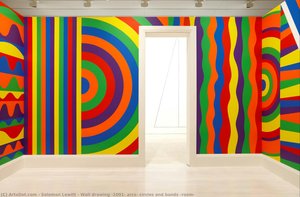 Wall drawing #1091: arcs, circles and bands (room)2003
 Distorted Cubes Bozuk Küpler
 Wall Drawing #3911983
مقالات حول Objectivity
 Geometry with Purpose: Distinguishing Suprematism from ConstructivismMaster the differences between Suprematism and Constructivism with our expert guide. Discover the soul of the Russian avant-garde now.
 Beyond the Object: Top 10 Masterpieces of Conceptual ArtExplore 10 iconic works of Conceptual Art by Duchamp and Ono. Discover the power of ideas on OriginalUniqueArt.com.
 Expressionism vs. New Objectivity: Emotion vs. Precision in German ArtMaster the tension between Expressionist emotion and New Objectivity precision. Explore the soul of German modern art now.