1915
Hamilton Sutton Smith (هاميلتون ساتون سميث, 1915)
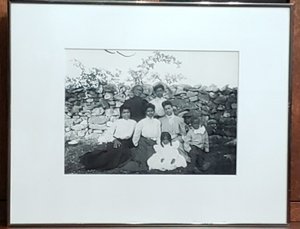
أبدع هاميلتون ساتون سميث (1857–1924) في Hamilton Sutton Smith. يعود تاريخها إلى 1915. صُنعت من Black and White Photography. تُحفظ في Museum of African American History في Boston, United States of America.
- 1915
- Black and White Photography
- Museum of African American History, Boston

 لوحة زيتية مرسومة يدوياً
 مشاركة
 مشاركة
 بطاقة المعلومات


 تحميل الملف
 قطع مشابهة
 عرض شرائح
 الأسئلة والأجوبة

 الإحصائيات
Hamilton Sutton Smith باختصار
- العنوان
- Hamilton Sutton Smith
- الفنان
- هاميلتون ساتون سميث (1857–1924)
- تاريخ ميلاد الفنان
- بوسطن, الولايات المتحدة الأمريكية
- التاريخ
- 1915
- الوسيط الفني
- Black and White Photography
- أماكن العرض
- Museum of African American History, Boston, United States of America
- الحقبة الزمنية
- Modern
- الموضوع
- man, portrait, suit, jacket, black and white
ماذا يصور Hamilton Sutton Smith؟
A Portrait of Hamilton Sutton Smith
This photographic print captures Hamilton Sutton Smith, a man who turned his gaze toward the lens to document the passing of time. Created by the artist Hamilton Sutton Smith, the image presents a formal study of the subject in a three-quarter pose. He is positioned with a quiet, upright confidence, his body angled away while his head turns back to meet the viewer's eye. The likeness is a steady one, fixed in a moment likely captured around 1915.
The subject wears a dark suit jacket that anchors his figure against a soft, indistinct background. There is a stillness in his posture, a sense of a man settled within his own skin. The photographic medium preserves the fine textures of his hair and the heavy weave of his clothing. He exists here not as a fleeting shadow, but as a documented presence, held within the silver and light of the print.
A sense of order defines this depiction of Hamilton Sutton Smith. The lines of his collar and shoulders provide a structural frame for the face. It is a quiet encounter with a man of his own making. The gaze is direct and unwavering.
Composition and Visual Elements
The figure of Smith occupies the center of the frame, though he is weighted slightly to the left. He faces toward the right, a directionality countered by his head, which turns back to meet the viewer's gaze. This torsion creates a quiet tension within the stillness of the pose. Behind him, the world dissolves into a blurred and indistinct void, stripping away the environment to leave only the man.
Structure emerges through a series of geometric intersections. Strong vertical lines define the upright posture of his body and the sharp edges of his suit jacket. These are met by the horizontal suggestions of his collar and shoulders. Within this framework, the composition relies on a vocabulary of fundamental shapes: the rectangle of the jacket, the oval of the face, and the cylindrical forms of the arms. The arrangement is orderly and disciplined.
The subject's presence is anchored by these intersecting planes. A sense of depth is achieved through selective focus, where the sharpness of the subject's features recedes into the soft obscurity of the background. The silhouette remains clear against the haze. It is a study of form and stillness.
Lighting and Tonal Qualities
The portrait exists within a strictly monochromatic realm. There is no color to distract the eye, only a measured scale of gray that spans from the deepest blacks of the shadows to the lightest whites of the highlights. This absence of hue focuses the gaze entirely on the interplay of light and shade across the subject's features. The lighting is soft and diffused, wrapping around the form without the harshness of direct sun. It settles gently, creating a quiet gradation of tone that defines the structure of the face and the weight of the clothing.
Subtle highlights catch the light on the forehead, the bridge of the nose, and the crisp edge of the collar. These small points of brightness provide the necessary relief against the darker tones of the suit. Depth is achieved through a selective focus, where the subject remains sharp while the background recedes into a soft, indistinct blur. This technique pulls the figure forward, isolating the man from the obscurity behind him. The light does not shout; it merely reveals.
Technique and Materials Used
The image exists as a photographic print, a physical manifestation of light captured through a camera. It relies on the traditional methods of black and white photography to translate a three-quarter pose into a permanent record. Every shade of gray is a result of the careful interplay between the subject and the light source, which descends from above to touch the forehead and the collar.
The creation of this portrait required a disciplined command of composition and lighting. To achieve the sharp focus on the face against the blurred, indistinct background, the artist utilized selective focus. This technical choice directs the eye toward the subject's gaze. The process moved from the initial exposure on photographic film to the controlled environment of the darkroom. There, the interaction of darkroom chemicals and printing paper transformed a fleeting moment into a structured, monochromatic form.
The textures of the suit fabric and the subtle lines of the hair are held within the silver grains of the print. It is a quiet alchemy of chemistry and light. The stillness remains.
Related Works by the Artist
The artist’s lens often turned toward the faces and figures that anchored his personal history. In a work titled John J. Smith, dating from about 1900, the subject emerges through the same careful attention to character seen in this portrait. This piece is held within the Museum of African American History, Boston. Another depiction of John J. Smith exists in the collection, capturing a different facet of the same lineage.
Beyond the intimate study of individuals, Smith’s vision extended to the public stone of the Prince Hall Monument. Created in 1915, this work is also part of the Museum of African American History, Boston. It remains a fixed point in the archive of his photographic and commemorative output. The shadows of the past find a permanent home in these documented subjects.
أي متحف يضم Hamilton Sutton Smith؟
Museum of African American History
Boston, United States of America
A Living Tapestry of Resilience and Remembrance In the heart of Boston, where the revolutionary spirit of the city meets the profound echoes of a shared human struggle, stands the Museum of African American History. It is not merely a repository for artifacts but a breathing narrative, an immersive journey through time that celebrates the enduring legacy and vibrant contributions of African Americans. To step into this institution is to enter a space where history is felt as much as it is seen.


صور عالية الدقة لـ Hamilton Sutton Smith

هاميلتون ساتون سميث, Hamilton Sutton Smith (1915), Museum of African American History. ملك عام
أسئلة وإجابات حول Hamilton Sutton Smith
في أي متحف يُعرض العمل الأصلي "Hamilton Sutton Smith"؟
يمكنكم مشاهدة العمل الأصلي "Hamilton Sutton Smith" في Museum of African American History, Boston, United States of America.
في أي عام أُنجز "Hamilton Sutton Smith"؟
تاريخ إبداع "Hamilton Sutton Smith" للفنان هاميلتون ساتون سميث يعود إلى عام 1915.
ما هي التقنية المستخدمة في صنع "Hamilton Sutton Smith"؟
استخدم هاميلتون ساتون سميث تقنية Black and White Photography في عمل "Hamilton Sutton Smith"، وهي التقنية التي تحدد الطبيعة المادية للعمل الأصلي.
ماذا يصور "Hamilton Sutton Smith"؟
تتمثل موضوعات "Hamilton Sutton Smith" في man, portrait, suit, jacket, black and white.
هل العمل "Hamilton Sutton Smith" ضمن الملكية العامة؟
أما بخصوص حقوق الطبع والنشر، فإن "Hamilton Sutton Smith" تندرج ضمن ملك عام - انتهت مدة حماية حقوق الطبع والنشر الخاصة به.
من هو الفنان الذي أبدع "Hamilton Sutton Smith"؟
يُنسب العمل "Hamilton Sutton Smith" إلى هاميلتون ساتون سميث.
إلى أي مرحلة من مسيرة هاميلتون ساتون سميث الفنية تنتمي لوحة "Hamilton Sutton Smith"؟
ينتمي العمل "Hamilton Sutton Smith" إلى الفترة Mature Period من مسيرة هاميلتون ساتون سميث المهنية، مما يربط هذا العمل بمراحل تطور الفنان الفني.
كم كان عمر هاميلتون ساتون سميث عند إبداع "Hamilton Sutton Smith"؟
عندما أُبدع العمل "Hamilton Sutton Smith" في عام 1915، كان عمر الفنان هاميلتون ساتون سميث - المولود في 1857 - هو 58 عاماً.
هل العمل "Hamilton Sutton Smith" للفنان هاميلتون ساتون سميث ضمن الملكية العامة، ولماذا؟
تعتمد حالة حقوق الطبع والنشر لـ "Hamilton Sutton Smith" - ملك عام - انتهت مدة حماية حقوق الطبع والنشر الخاصة به - على تاريخ وفاة الفنان في 1924.
عن الفنان، هاميلتون ساتون سميث
1857–1924, الولايات المتحدة الأمريكية
هاميلتون ساتون سميث
النشأة والتعليم بدأ هاميلتون ساتون سميث، الذي ولد في مدينة بوسطن بولاية ماساتشوستس عام 1857، مسيرة حياة عصية على التصنيف التقليدي. وباعتباره الابن الثالث من بين ستة أطفال، والابن الوحيد لجون جيه وجورجيانا سميث، لم تكن سنواته الأولى تشي بتلك المساعي الفنية التي ستصقل هويته لاحقاً. في البداية، سلك طريقاً تقليدياً، حيث تلقى تعليماً مكنه من العمل كمحامٍ وطبيب أسنان، إلا أن هذه المهن لم تستطع أبداً استحضار شغفه الكامل. ومع مرور الوقت، بدأ شغف متنامٍ بالتصوير الفوتوغرافي يتسلل إلى وجدانه، ليقوده في نهاية المطاف نحو مسار مكنه من تجميد اللحظات العابرة وحفظها للأجيال القادمة.
أعمال أخرى لـ هاميلتون ساتون سميث
 Elizabeth N. Smith1880
 33rd Degree Masons, Kansas City Group1897
 John J. Smith1900
 M Street High School Cadets1900

مقالات حول Hamilton Sutton Smith
 The Architecture of Contour: Uncovering the Structural Mystery of Profile PortraitureExplore the structural mastery of profile portraiture and silhouettes. Discover the profound geometry of the edge today.
 Mastering the Face of a Nation: The Top 25 Gilbert Stuart ArtworksExplore 25 iconic Gilbert Stuart masterpieces and Neoclassical portraits. Discover the full collection online at OriginalUniqueArt.com.
 American artworks of the 1810s1810s American art by Gilbert Stuart, John Trumbull, and Rembrandt Peale. Find museum-quality reproductions on OriginalUniqueArt.com.