

 معاينة الحجم الحقيقي
 مشاركة
 مشاركة
 التفاصيل
 الدليل

 تحميل الملف
 قطع مشابهة
 الأشعة السينية
 عرض شرائح
 الإحصائيات
Thomas Hamilton (1784–1858), RSA
 Oil On Canvas
- WallArt
- 19th-century British Portraiture
 76.0 x 63.0 cm
 الأكاديمية الملكية الاسكتلندية للفنون - العمارة
 عرض المزيد
طباعة جيلي / مطبوعات فنية
طباعة جيكلي أو كانفاس بجودة المتاحف، مع سرعة في التنفيذ وخيارات متنوعة للتشطيب. ( اشترِ لوحة مرسومة يدويًا الانتقال إلى الصورة الرقمية)




P118B $10

P118H $10

P118W $10

P438Z $10

P508JH $12

P508YH $12

P805H $10

P805Z $10

P919BZ $10

P919G $10

P919XJ $10

P959ZH $10

P968JZ $12

W106C $8

W218G $10

W218JH $8

W218Y $10

W307PJ $10

W316G $10

W316PJ $8

W316Y $10

W398PJ $8

W4111J $10

W500HY $15

W500JH $15

W692G $12

W849H $8

W940BG $15

W953PJ $8




اختر من بين أحجامنا المُعدّة مسبقًا والتي تتطابق مع النسب الأصلية للعمل الفني.

يمكنك إدخال أبعادك الخاصة لتناسب إطاراً أو مساحة معينة. وإذا لم يتطابق الحجم الذي اخترته مع نسب الصورة الأصلية، فسنقوم إما بقص العمل الفني أو تمديد الصورة باستخدام حافة معكوسة أو بلون مصمت. سيتم إرسال نموذج تجريبي رقمي لاعتمادك قبل بدء الإنتاج.
يرجى ملاحظة أن المعاينة على الشاشة لا تعكس عملية القص أو التمديد الفعلية؛ حيث سيوضح النموذج التجريبي فقط التكوين النهائي بدقة.
وعلى الرغم من توفر أحجام مخصصة، إلا أننا نوصي باختيار أبعاد من القائمة المحددة مسبقاً للحفاظ على النسب الأصلية.
توصيل عالمي إلى خلال أسبوعين بدلاً من المدة القياسية البالغة 4/5 أسابيع. 20 سبتمبر

شحن سريع ومجاني لجميع أنحاء العالم

قماش كتان عالي الجودة

تأمين شحن شامل

ضمان استرداد الرسوم الجمركية

ضمان مطابقة الألوان الحقيقية

سياسة الإرجاع خلال 100 يوم (في حالات العيوب فقط)

ضمان استرداد نقدي بنسبة 100%

خصم عند طلب عدة قطع
 خيار الزجاج متاح فقط للمقاسات التي تقل عن 110 سم

Thomas Hamilton (1784–1858), RSA
طباعة جيلي / مطبوعات فنية
مقاس النسخة المطبوعة
-


السعر الإجمالي النهائي
$ 80
Thomas Hamilton (1784–1858), RSA – A Portrait of Dignified Authority
Sir William Nicholson’s “Thomas Hamilton (1784–1858), RSA” is more than a mere likeness; it's a carefully constructed tableau of 19th-century British identity, imbued with the quiet strength and measured intellect of its subject. Painted in 1863, this three-quarter portrait captures Thomas Hamilton, a prominent figure in Scottish society – a judge, advocate, and respected member of the Royal Society of Edinburgh – presenting an image of established authority and understated elegance. Nicholson’s masterful handling of light, shadow, and texture elevates the painting beyond a simple representation, transforming it into a compelling study of character and social standing.
The composition immediately draws the eye to Hamilton's face, rendered with remarkable sensitivity. Nicholson skillfully employs subtle gradations of tone – from the warm flesh tones of his neck and hands to the darker hues of his hair and clothing – creating a sense of depth and volume that breathes life into the portrait. The arrangement is deliberately formal, echoing the conventions of official portraits of the era, yet infused with a touch of intimacy through the direct gaze exchanged with the viewer. The slightly off-center positioning subtly directs attention to Hamilton’s face while simultaneously providing context for his social role.
A Palette of Restraint and Distinction
Nicholson's color palette is deliberately restrained, dominated by deep browns, grays, and blacks – a hallmark of the mid-19th century British artistic tradition. These somber tones are expertly contrasted with the warmer hues of Hamilton’s skin and clothing, creating a visual harmony that speaks to both his status and his inherent dignity. The crisp white collar provides a striking focal point, acting as a beacon against the darker background and emphasizing the formality of the occasion. The careful layering of paint—evident in the smooth transitions between tones—demonstrates Nicholson’s refined technique and commitment to realism.
The use of lines is equally deliberate. Sharp outlines define Hamilton's features, clothing, and hair, lending a sense of structure and clarity to the composition. However, these lines are softened through subtle blending and shading, preventing the portrait from feeling overly rigid or artificial. The waistcoat’s structured form contrasts with the softer curves of his face and neck, creating an interesting interplay between order and organic form.
Historical Context and Artistic Influences
“Thomas Hamilton (1784–1858), RSA” is firmly rooted in the artistic conventions of Victorian Britain. Nicholson’s work reflects a broader trend towards realism and psychological depth, moving away from the idealized representations of earlier eras. The portrait draws inspiration from the works of Sir Joshua Reynolds, whose emphasis on capturing likeness and conveying character profoundly influenced Nicholson's approach. Furthermore, the painting aligns with the Royal Scottish Academy’s commitment to portraying prominent figures in Scottish society – a tradition that celebrated both individual achievement and national identity.
Interestingly, this portrait emerged during a period of significant social and political change in Britain. The Industrial Revolution was transforming the country's economy and society, leading to new forms of wealth and power. Hamilton’s position as a judge and advocate reflects the growing importance of law and order in this rapidly changing world. The painting can be interpreted as a visual testament to the enduring values of tradition, integrity, and social responsibility.
Symbolism and Emotional Resonance
While outwardly formal, “Thomas Hamilton (1784–1858), RSA” subtly conveys a sense of quiet confidence and intellectual depth. Hamilton’s composed expression – his direct gaze and slightly raised eyebrows – suggests both intelligence and authority. The portrait speaks to the dignity of his position and the weight of responsibility he carried as a judge and advocate. The painting's subdued palette and carefully controlled composition contribute to its overall sense of gravitas, inviting viewers to contemplate the complexities of Hamilton’s character and the broader social context in which he lived.
Ultimately, Nicholson’s portrait is not merely a depiction of a man; it’s an exploration of identity, status, and the enduring values of Victorian Britain. A high-quality reproduction captures this essence beautifully, offering a timeless glimpse into a pivotal moment in Scottish history and artistic achievement.
السيرة الذاتية للفنان
الحياة المبكرة وبدايات الفنان
ولد السير ويليام نيوزام براير نيكلسون في نيوارك أونت رنت عام 1872، ونشأ في بيئة جمعت بين البراغماتية الصناعية والحساسية الفنية. غرس والده، وهو مهندس ناجح وعضو محافظ في البرلمان، فيه روح الانضباط، بينما ربطته والدته بتقاليد أوكسفوردshire الجمالية. منذ صغره، أظهر نيكلسون موهبة فنية، تغذتها دروس من ويليام كابلي، رسام محلي تعود جذوره الفنية إلى السير جوشوا رينولدز. وضع هذا التعرض المبكر الأساس لمسيرة مهنية متنوعة الأبعاد والأساليب. كانت فترة قصيرة في مدرسة فنية لهوبرت فون هيركومر بمثابة نقطة تحول، ليس فقط لصقل مهاراته ولكن أيضًا لتقديمه إلى مابل برايد، التي ستصبح زوجته وشريكة أساسية في رحلته الفنية الناشئة. من خلال مابل، التقى بأخيها جيمس برايد، وهي شراكة كانت على وشك إحداث ثورة في عالم التصميم الجرافيكي.الـ Beggarstaffs وثورة فن الملصقات
مثلت تعاون ويليام نيكلسون وجيمس برايد، المعروف باسم “J. & W. Beggarstaff”، نقطة تحول في الثقافة البصرية البريطانية. رفضوا الجمالية المزخرفة السائدة في ملصقات العصر الفيكتوري، وتبنوا بساطة جريئة تتميز بالصور الظلية اللافتة للنظر، والمستويات اللونية المسطحة، ورفض متعمد للمنظور التقليدي. لم تكن تصميماتهم مجرد إعلانات؛ بل كانت بيانات—تركيبات رسومية قوية استحوذت على خيال الجمهور. أصبحت الملصقات لإنتاجات مثل دون كيشوت ومنشورات مثل Harper’s Magazine معروفة على الفور، مما أثر على جيل من الفنانين والمصممين. لم يكن هذا العصر يدور حول الفن التجاري فحسب؛ بل كان يتعلق بإعادة تعريف التواصل البصري نفسه. تحدى عمل الـ Beggarstaffs الأعراف، ومهد الطريق للتصميم الجرافيكي الحديث وأرسى سمعة نيكلسون كمبتكر. امتد تأثيرهم إلى ما هو أبعد من عالم الملصقات، مما أثر على الرسوم التوضيحية وحتى الرسم بتركيزه على الشكل القوي والتكوين المتعمد.من النقوش الخشبية إلى البورتريه: تطور الأسلوب
بعد حل شراكة Beggarstaffs، انطلق نيكلسون في فترة من الاستكشاف الأسلوبي. حول انتباهه إلى النقش على الخشب والنقش على الخشب، وهي تقنيات سمحت له بتحسين إتقانه للخط والشكل بشكل أكبر. بتشجيع من جيمس ماكنيل ويستلر المؤثر، تبنى هذه الأساليب، منتجًا مطبوعات معقدة ومثيرة تظهر نضجه الفني المتزايد. أظهرت هذه الأعمال قدرة رائعة على التقاط الجوهر بأقل التفاصيل، وهي جودة ستصبح علامة مميزة لأسلوبه. في الوقت نفسه، بدأ نيكلسون في ترسيخ مكانته كرسام بورتريه، وتلقى تكليفات من شخصيات بارزة في العصر. لم تكن صوره مجرد تشابهات؛ بل كانت دراسات ثاقبة للشخصية، تكشف عن الحياة الداخلية لموضوعاتها من خلال الفروق الدقيقة للتعبير والموقف. تجسد أعمال مثل *Lady in Furs, Mme. P.* هذه المهارة، حيث تلتقط ليس فقط المظهر الجسدي ولكن أيضًا إحساسًا بالشخصية والوضع الاجتماعي.الحياة الصامتة والمناظر الطبيعية والإرث الدائم
في المراحل اللاحقة من حياته المهنية، ركز نيكلسون بشكل متزايد على الرسم بالحياة الصامتة والرسم المناظر الطبيعية. تحتفل رسوماته بالحياة الصامتة، مثل *The Lowestoft Bowl*، باهتمامها الرائع بالتفاصيل ولوحات الألوان المتناغمة والشعور الهادئ بالحميمة. لقد غرس الأشياء اليومية بجودة شعرية، ورفعها إلى ما هو أبعد من مجرد التمثيل لتصبح رموزًا للجمال والتأمل. تكشف مناظره الطبيعية، غالبًا تصور مشاهد من رحلاته في إسبانيا وإيطاليا، عن حساسية للضوء والغلاف الجوي، والتقاط جوهر المكان بمهارة ملحوظة. طوال حياته، ظل نيكلسون فنانًا متعدد الاستخدامات، يجرب باستمرار تقنيات وأساليب جديدة. ألف كتبًا للأطفال وصمم للمسرح واستمر في إنتاج المطبوعات جنبًا إلى جنب مع لوحاته. يمتد تأثير السير ويليام نيكلسون إلى ما هو أبعد من إنتاجه الغزير؛ فقد ألهم أجيالاً من الفنانين بالتزامه بالحرفية وروحه الابتكارية وقدرته على إيجاد الجمال في العادي. لا يزال عمله بمثابة شهادة على قوة الفن لتنوير التجربة الإنسانية وتحويل تصورنا للعالم من حولنا. توفي عام 1949، تاركًا وراءه إرثًا فنيًا غنيًا يستمر في آسره وإلهامه اليوم.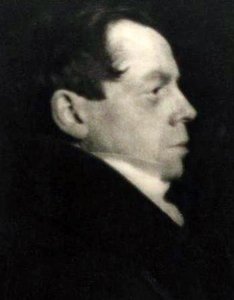
ويليام نيكولسون
1872 - 1949 , المملكة المتحدة
حقائق سريعة
- أعمال بارزة:
- سيدة بالفرو
- وعاء لوستوفت
- بلازا دي توروس
- الاسم الكامل: ويليام نيوزام براير نيكلسون
- الجنسية: بريطاني
- الحركة الفنية: الواقعية، البورتريه
- تاريخ الميلاد: 5 فبراير 1872
- تاريخ الوفاة: 16 مايو 1949
- فنانون مؤثرون:
- جيمس برايد
- ويسلر
- فنانون متأثرون: جيل من الفنانين والمصممين
- مكان الميلاد: نيوارك، المملكة المتحدة
مقالات ذات صلة
Thomas Hudson: A Study in 18th-Century Portraiture & British Artistic Identity
Explore the life & work of Thomas Hudson, a leading 18th-century British portraitist. Discover his mastery of the 'Grand Manner,' influential style, and lasting impact on British art. Learn about his notable portraits like Judge William Noel & Alexander Van Aken.
Thomas Barker of Bath: Landscape Painting & Societal Reflection in Early 19th-Century England
Explore the life & work of Thomas Barker of Bath, a key figure in 19th-century English Romanticism. Discover his Parisian success, iconic paintings like 'The Bride of Death', and lasting artistic legacy. Learn more at OriginalUniqueArt.
Thomas Daniell: Navigating Light, Landscape & Cultural Exchange in Early 19th-Century India
Explore the captivating landscapes of Thomas Daniell, a pioneering artist who documented India's beauty in the 19th century. Discover his 'Oriental Scenery,' aquatint technique & lasting legacy. Hand-painted reproductions available at OriginalUniqueArt.
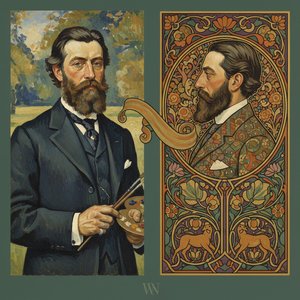
Sir William Nicholson: A Study in Post-Impressionist Portraiture & Decorative Modernism
Explore the life & work of Sir William Nicholson, a pivotal British Post-Impressionist painter. Discover his striking portraits, innovative woodcuts, and lasting influence on early 20th-century art. Expert insights for collectors.

19th Century Masterpieces: 10 Paintings That Defined an Era | OriginalUniqueArt
Journey through 19th century art with OriginalUniqueArt! Explore 10 iconic paintings – from Monet & Renoir to Courbet – and discover the stories behind Romanticism, Realism & Impressionism. Find museum-quality reproductions for your home decor. Explore the full collection online!
