

 معاينة الحجم الحقيقي
 مشاركة
 مشاركة
 التفاصيل

 تحميل الملف
 قطع مشابهة
 الأشعة السينية
 عرض شرائح
Monument to Charles James Fox


 عرض المزيد
نسخة زيتية مصنوعة يدوياً
لوحة زيتية مرسومة يدوياً على الكانفاس بالمقاس والإطار الذي تفضله، تُنفذ حسب الطلب على أيدي فنانينا. ( اشترِ نسخة مطبوعة اشترِ الصورة)




P118B $10

P118H $10

P118W $10

P438Z $10

P508JH $12

P508YH $12

P805H $10

P805Z $10

P919BZ $10

P919G $10

P919XJ $10

P959ZH $10

P968JZ $12

W106C $8

W218G $10

W218JH $8

W218Y $10

W307PJ $10

W316G $10

W316PJ $8

W316Y $10

W398PJ $8

W4111J $10

W500HY $15

W500JH $15

W692G $12

W849H $8

W940BG $15

W953PJ $8




اختر من بين أحجامنا المُعدّة مسبقًا والتي تتطابق مع النسب الأصلية للعمل الفني.

يمكنك إدخال أبعادك الخاصة لتناسب إطارًا معينًا أو مساحة محددة. وإذا لم يتطابق الحجم الذي اخترته مع نسب الصورة الأصلية، فسنقوم إما بقص العمل الفني أو توسيع اللوحة بإضافة عناصر مرسومة يدويًا. سيتم إرسال نموذج رقمي إليك للموافقة عليه قبل بدء الإنتاج.
يرجى ملاحظة أن المعاينة على الشاشة لا تعكس عملية القص أو التوسيع الفعلية؛ حيث إن النموذج الرقمي وحده هو الذي سيوضح التكوين النهائي بدقة.
وعلى الرغم من توفر أحجام مخصصة، إلا أننا نوصي باختيار أبعاد من القائمة المحددة مسبقًا للحفاظ على النسب الأصلية للعمل الفني.
بعد إتمام الطلب، سيرسل فريق OriginalUniqueArt.com بريداً إلكترونياً للعميل لطلب التعليمات وتزويده بمعاينة تجريبية (mockup).
توصيل عالمي إلى خلال 3 إلى 4 أسابيع بدلاً من المدة المعتادة البالغة 5 أسابيع. (22 أغسطس). جودة لا تهاون فيها.

شحن سريع ومجاني لجميع أنحاء العالم

قماش كتان عالي الجودة

تأمين شحن شامل

ضمان استرداد الرسوم الجمركية

ضمان مطابقة الألوان الحقيقية

سياسة الإرجاع خلال 60 يومًا (في حالات العيوب فقط)

ضمان استرداد نقدي بنسبة 100%

خصم عند طلب عدة قطع
 خيار الزجاج متاح فقط للمقاسات التي تقل عن 110 سم

Monument to Charles James Fox
خامة إعادة الإنتاج
مقاس النسخة المطبوعة
-


السعر الإجمالي النهائي
$ 300
وصف العمل الفني
A Monument to Legacy: Richard Westmacott’s ‘Monument to Charles James Fox’
Within the echoing grandeur of Westminster Abbey stands a testament to political prowess and enduring legacy – Richard Westmacott's monumental sculpture, “Monument to Charles James Fox.” Completed in 1816, this imposing marble figure isn’t merely a portrait; it’s an embodiment of a pivotal era in British history, capturing the essence of a man who profoundly shaped the nation’s trajectory. The statue immediately commands attention with its scale and meticulous detail, drawing viewers into a world of classical ideals interwoven with the realities of 18th-century politics.
Westmacott, a leading figure in British Neoclassical sculpture, approached this commission with an unwavering dedication to the principles championed by Johann Joachim Winckelmann – clarity, balance, and a profound respect for the human form. He sought not simply to replicate Fox’s likeness but to imbue it with the spirit of reason, virtue, and civic responsibility that defined the Neoclassical aesthetic. The choice of marble itself was deliberate; its cool, enduring quality mirrored the perceived solidity and integrity of Fox's character.
A Study in Classical Forms: Technique and Style
The sculpture’s power lies not only in its subject matter but also in Westmacott’s masterful execution. He employed a remarkably realistic style, meticulously rendering the folds of clothing, the texture of skin, and the subtle nuances of expression. The figures are sculpted with an almost photographic precision, yet they retain a distinctly idealized quality – a hallmark of Neoclassical art. Note the careful attention to anatomical accuracy, reflecting Westmacott’s rigorous training under Joseph Nollekens.
The composition itself is carefully balanced and harmonious. Fox is depicted in a seated pose, leaning slightly forward as if engaged in thoughtful contemplation. The allegorical figures of Liberty and Peace flank him, symbolizing the ideals for which he championed – freedom and stability. The use of contrapposto—a subtle shift in weight that creates a dynamic yet stable pose—adds to the sculpture’s sense of life and movement. The overall effect is one of dignified repose, suggesting a man who has earned his place among the great figures of British history.
Symbolism and Historical Context
The “Monument to Charles James Fox” transcends a simple commemoration; it's a complex statement about the political landscape of early 19th-century Britain. Fox, a brilliant orator and influential Whig politician, played a crucial role in shaping British policy during a period of significant social and political change. He advocated for parliamentary reform, supported the American colonies’ struggle for independence, and championed Catholic emancipation – all progressive causes that challenged the established order.
The inclusion of Liberty and Peace underscores Fox's commitment to these ideals. The reclining figure, often interpreted as representing Death or perhaps a symbolic representation of the consequences of political action, serves as a poignant reminder of the sacrifices made in pursuit of progress. Fox’s hand resting on a copy of Magna Carta further emphasizes his dedication to fundamental rights and liberties.
A Timeless Masterpiece: Reproduction and Legacy
Today, “Monument to Charles James Fox” remains a powerful symbol of British political history and artistic achievement. Its enduring appeal lies in its combination of classical beauty, historical significance, and emotional resonance. Reproductions offer an accessible way to experience the grandeur and artistry of this remarkable sculpture, bringing its timeless message into contemporary homes and spaces.
When selecting a reproduction, consider the level of detail and the quality of materials used. A faithful reproduction will capture the essence of Westmacott’s original work – the subtle nuances of expression, the meticulous rendering of texture, and the overall sense of dignified grandeur. This monument is more than just an image; it's a window into the past, a celebration of leadership, and a testament to the enduring power of art.
السيرة الذاتية للفنان
The Sculptor of Classical Ideals
Sir Richard Westmacott stands as a towering figure in the landscape of British Neoclassical sculpture, a master whose hands breathed life into Carrara marble to celebrate heroism and civic virtue. Born in London in 1775, amidst the intellectual ferment of the burgeoning Enlightenment, Westmacott’s artistic journey was defined by an unwavering devotion to classical principles. His aesthetic sensibilities were profoundly shaped by the theories of Johann Joachim Winckelmann, whose call for simplicity, clarity, and a profound respect for the human form became the guiding light of Westmacott’s career. He did not merely seek to replicate the ancient world; rather, he aimed to embody its spirit of rationality, balance, and moral grandeur within the heart of Victorian Britain.
The foundations of his mastery were laid through rigorous training and a lineage of excellence. Westmacott began his studies under the guidance of his father, also named Richard Westmacott, in a studio located in Mount Street, London. This early immersion in the craft provided him with a meticulous attention to detail and an understanding of anatomical accuracy that would become his hallmark. However, it was his journey to Rome in 1793 that truly transformed his artistic vision. Studying under the legendary Antonio Canova, the preeminent sculptor of the age, Westmacott absorbed the nuances of the Neoclassical style. His talent was recognized almost immediately on the international stage, as he secured the first prize for sculpture offered by the Florentine Academy of Arts, signaling the arrival of a formidable new talent in Europe.
A Legacy in Marble and Monument
Westmacott’s body of work is characterized by a remarkable clarity of form and a surface treatment that achieves an almost ethereal luminosity. He favored the use of fine marble, polishing it to a degree that captured both the strength of musculature and the delicate grace of drapery folds. His sculptures possess a serene dignity and a sense of repose, conveying power through restraint rather than overt drama. This preference for precision over Romantic fervor allowed him to navigate the complex social and political landscape of his era, securing prestigious commissions from the most influential figures of British society.
His achievements are etched into the very fabric of London’s architectural history. Among his most significant contributions are:
- The Monument to Charles James Fox: Located within the hallowed halls of Westminster Abbey, this 1816 masterpiece serves as a profound testament to political legacy, capturing the essence of a man who shaped the nation's trajectory through a lens of classical virtue.
- Public Works and Reliefs: His hand is visible in the monumental reliefs at Marble Arch, where he utilized classical motifs to celebrate national identity.
- Portraiture of Power: Westmacott demonstrated immense versatility by capturing the likenesses of the era's most prominent figures, including Queen Victoria, Prince Albert, and Benjamin Disraeli, imbuing these portraits with a sense of timeless nobility.
- Heroic Statuary: Works such as his Achilles statue exemplify his ability to blend mythological grandeur with the patriotic sentiments of 19th-century Britain.
Throughout his life, Westmacott remained deeply connected to the classical tradition, often noting that his true sympathies lay with the aesthetic purity of pagan art rather than Christian iconography. This dedication to the idealized human form ensured that his work remained a bridge between the ancient past and the modern British identity. As a leading member of the Royal Academy, he not only shaped the direction of sculpture but also established a dynastic influence on British art, leaving behind a legacy of stone that continues to command respect for its balance, beauty, and enduring historical significance.

sir richard westmacott
1775 - 1856 , United Kingdom
حقائق سريعة
- Artistic Movement Or Style: Neoclassical sculpture
- Date Of Birth: 1775
- Date Of Death: 1856
- Full Name: Sir Richard Westmacott
- Nationality: British
- Notable Artworks:
- Achilles statue
- Marble Arch reliefs
- Place Of Birth: United Kingdom
مقالات ذات صلة

The Enduring Allure of Marble in Art History: From Classical Sculpture to Modern Abstraction
Explore the captivating history of marble sculpture from ancient Greece to modern art. Discover renowned artists like Canova & Michelangelo, carving techniques, and investment insights at OriginalUniqueArt.

Bronze Sculptures That Defined Art History | OriginalUniqueArt
Journey through art history with our Top 10 bronze sculptures! Explore masterpieces by Rodin, Michelangelo & more. Discover stories behind iconic statues and find museum-quality reproductions for your home decor at OriginalUniqueArt.com.

Timeless Elegance: A Complete Guide to the Sublime Beauty and Artistry of Marble Sculpture
Discover the sublime beauty of marble art through an expert exploration of Renaissance and Neoclassical masterpieces. From the delicate textures of Carpeaux to the grandeur of Sansovino, immerse yourself in a guide to timeless elegance and sculptural perfection.

The Enduring Form: Exploring Themes & Techniques in Sculpture Across Historical Periods
Explore the rich history of sculpture from ancient masterpieces to contemporary innovations. Discover key techniques, influential artists & investment potential for discerning art collectors.
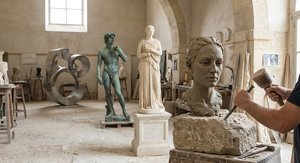
The Enduring Form: Sculpture Across History, Technique & Emotional Resonance
Explore the rich history of sculpture with OriginalUniqueArt. Discover key techniques, influential artists & investment potential for discerning collectors. Expert insights into valuing and collecting timeless masterpieces.

