معاينة الحجم الواقعي
 إرسال
إرسال مشاركة
 عرض التفاصيل
 دليل الأعمال الفنية للطلاب

 تحميل
تحميل
 قطع مشابهة
 الأشعة السينية
 عرض شرائح متتابع
 الإحصائيات
صورة نيكولاس دي ريسباين


 اقرأ المزيد
طباعة جيلي / مطبوعات فنية
طباعة جيكلي أو كانفاس بجودة المتاحف، مع سرعة في التنفيذ وخيارات متنوعة للتشطيب. ( اطلب نسخة مرسومة يدويًا التحويل إلى الصورة الرقمية)




P118B $10

P118H $10

P118W $10

P438Z $10

P508JH $12

P508YH $12

P805H $10

P805Z $10

P919BZ $10

P919G $10

P919XJ $10

P959ZH $10

P968JZ $12

W106C $8

W218G $10

W218JH $8

W218Y $10

W307PJ $10

W316G $10

W316PJ $8

W316Y $10

W398PJ $8

W4111J $10

W500HY $15

W500JH $15

W692G $12

W849H $8

W940BG $15

W953PJ $8




اختر من بين أحجامنا المُعدّة مسبقاً والتي تتوافق مع النسب الأصلية للعمل الفني.

يمكنك إدخال أبعاد خاصة لتناسب إطاراً أو مساحة معينة. وفي حال عدم تطابق الحجم المختار مع نسب الصورة الأصلية، سنقوم إما بقص العمل الفني أو تمديد الصورة باستخدام حافة معكوسة أو لون مصمت. وسيتم إرسال نموذج تجريبي رقمي لاعتمادك قبل بدء عملية الإنتاج.
يرجى ملاحظة أن المعاينة على الشاشة لا تعكس عملية القص أو التمديد الفعلية؛ حيث سيوضح النموذج التجريبي فقط التكوين النهائي بدقة.
وعلى الرغم من توفر أحجام مخصصة، إلا أننا نوصي باختيار أبعاد من القائمة المحددة مسبقاً للحفاظ على النسب الأصلية.
توصيل عالمي إلى خلال أسبوعين بدلاً من المدة القياسية البالغة 4/5 أسابيع. (27 سبتمبر)

شحن سريع ومجاني لجميع أنحاء العالم

قماش كتان فاخر

تأمين شامل على الشحن

ضمان استرداد الرسوم الجمركية

ضمان دقة مطابقة الألوان

سياسة الإرجاع خلال 100 يوم (في حالات العيوب فقط)

ضمان استرداد نقدي بنسبة 100%

عرض خصم الكميات
 خيار الزجاج متاح فقط للمقاسات التي تقل عن 110 سم

صورة نيكولاس دي ريسباين
طباعة جيلي / مطبوعات فنية
مقاس النسخة المطبوعة
-


إجمالي السعر
$ 80
صورة نيكولاس دي ريسباين
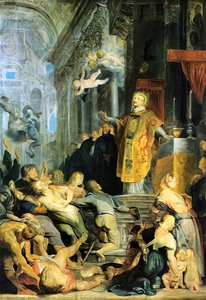
الصورة التي تصور نيكولاس دي ريسباين، والتي رسمها الفنان الفلمنكي الشهير بيتر بول روبنز عام 1618، هي حجر الزاوية في فن الباروك – وهي شهادة على قدرة روبنز غير المسبوقة على التقاط العظمة والعمق النفسي المميزة لهذه الحقبة. تتواجد هذه اللوحة الضخمة المرسومة بالزيت على القماش في متاحف ستاتليه كونسامبلينجن في كاسيل، ألمانيا، وتجسد إتقان روبنز للون والتكوين و"تشياروسكورو" – تقنيات ترفع البورتريه إلى ما هو أبعد من مجرد صورة طبق الأصل، لتصبح استكشافًا عميقًا لشخصية الإنسان.الموضوع والتكوين
يُصور نيكولاس دي ريسباين بوقار وثبات أمام خلفية جدار أو ستارة ذات ملمس خفيف. يرتدي قبعة حمراء زاهية – بيان بصري جريء يدل على السلطة والتقوى – بالإضافة إلى سترة برتقالية فاخرة مزينة بتطريز ذهبي لامع، يعكس ثروة ووضع سيدها. تتفوق عناية روبنز بالتفاصيل في ملامح الرجل: نظره مباشر، ويعبر عن الثقة والتأمل؛ وشعره يضيف إلى مظهره النبيل. من المثير للاهتمام أن شخصين يحيطان بريسباين من الجانبين – على الأرجح كرفقاء أو تمثيلات رمزية للفضيلة – مما يثري بشكل أكبر البعد السردي للوحة. يستخدم الفنان ببراعة تكوينًا هرميًا، يرشد بعيني المشاهد نحو مركز ريسباين مع إضفاء إحساس بالديناميكية والتوازن في الوقت نفسه.أسلوب وتقنية الفن وتأثيره
يعتبر أسلوب روبنز الباروكي المميز قابلاً للتمييز على الفور من خلال لونته النابضة بالحياة – التي تهيمن عليها الألوان الحمراء والبرتقالية والذهبية – واستخدامه الدرامي للضوء والظل ("تشياروسكورو"). تضفي هذه التقنية طابعًا أثيريًا على البورتريه، وتسلط الضوء على وجه ريسباين وملابسه مع إلقاء ظلال عميقة تساهم في الحالة العامة. يعتمد تأثير روبنز على ولائه الدؤوب للمعايير الكلاسيكية الممزوجة بسلاسة مع الرموز المسيحية. مثل أعمال مايكل أنجلو في سقف كنيسة سيستين، سعى روبنز إلى إيصال عظمة روحية وعواطف مكثفة – وهو ما يميز طموح فن الباروك لإلهام الدهشة والاحترام. أثرت أعماله بعمق على الاتجاهات الفنية في جميع أنحاء أوروبا خلال القرن السابع عشر، مما أرسى معيارًا جديدًا للبورتريه وألهم أجيالاً من الفنانين.أعمال أخرى لبيتر بول روبنز
كان روبنز فنانًا بشكل استثنائي الإنتاجية، حيث أنتج مجموعة مذهلة من المفاخر التي تغطي مجموعة واسعة من الأنواع – من التماثيل الدينية إلى المشاهد الأسطورية والمنظر الطبيعي. من بين أعماله الأكثر شهرة، هناك "المرأة المسنة" (Old Woman)، والتي توجد في Alte Pinakothek في ميونيخ، ألمانيا - وهي صورة مؤثرة لكبار السن والحكمة، و"تأبيد المسيح" (Lamentation of Christ)، وهي تكوين ضخم يعبر عن الحزن العميق والتعاطف. علاوة على ذلك، فإن تصوير روبنز لـ "ميثيوس" (Melchior)، ملك أشوري – أحد حكايات الموالدين – يوضح مهارته في التقاط القصص الكتابية بأسلوب درامي وواقعية نفسية. تؤكد هذه اللوحات على تنوع روبنز كفنان وتثبت إرثه كواحد من أبرز رواد فن الباروك في عصره.الخلاصة
تُعد "الصورة التي تصور نيكولاس دي ريسباين" تجسيدًا مذهلاً لإبداع روبنز الفني – وهي اندماج ساحر بين الإتقان التقني والرؤية العاطفية. تضفي ألوانه اللامعة وتكوينه الديناميكي وتقنيته "تشياروسكورو" إحساسًا بالتأمل في حياة الشخص الذي رسمه مع عكس العظمة والشغف الروحي المميزين لفن الباروك. باعتباره إضافة قيمة لمجموعات ستاتليه كونسامبلينجن في كاسيل، ألمانيا، تستمر هذه اللوحة في إلهام الإعجاب بجمالها وعمقها الفكري. بالنسبة لأولئك الذين يتوقون إلى استكشاف إنتاج روبنز الفني الأوسع أو الغوص في النسيج الغني لفن الباروك التاريخي، فكر في زيارة "المتحف Gemäldegalerie (Germany) - A Comprehensive Guide" على OriginalUniqueArt. للحصول على فهم أعمق لرحلة حياة روبنز الفنية ومسيرته الفنية، استشر "بيتر بول روبنز" على OriginalUniqueArt.نبذة عن الفنان
Sir Peter Paul Rubens: A Baroque Master!
Sir Peter Paul Rubens, a name that resonates with the very essence of Baroque dynamism, was far more than simply a painter. He was a diplomat, a scholar, and a cultural architect who fundamentally reshaped the artistic landscape of 17th-century Europe. Born in Siegen, Germany, in 1577, his early life was marked by displacement—a formative experience that would subtly permeate his later work with an undercurrent of drama and emotional depth. His father, Jan Rubens, a lawyer fleeing religious persecution for his Calvinist beliefs, uprooted the family from their native Antwerp, then under Spanish rule. This initial exile instilled in young Peter Paul a sense of resilience and adaptability, qualities that would serve him well throughout his multifaceted career. Following his father’s death in 1587, the family returned to Antwerp, where he received a humanist education before embarking on his artistic training around 1590, apprenticing under Tobias Verhaecht and Adam van Noort, honing foundational skills in drawing and painting techniques. However, it was his time with Otto van Veen that proved pivotal, exposing him to the rich legacy of Italian Renaissance art—a world he would soon embrace wholeheartedly.The Italian Awakening and Artistic Synthesis
In 1600, Rubens embarked on a transformative journey to Italy, a pilgrimage that irrevocably shaped his artistic vision. For eight years, he immersed himself in the masterpieces of Michelangelo, Raphael, and Titian, absorbing their mastery of form, color, and composition. The influence of these Renaissance giants is readily apparent in his early Italian works, characterized by classical themes and idealized figures. Yet, Rubens didn’t merely imitate; he synthesized these influences with his own innate talent, developing a distinctive style marked by vibrant hues, dynamic compositions, and a sensuous depiction of the human form. He studied anatomy meticulously, resulting in figures that possessed both physical realism and emotional power—robust bodies imbued with life and movement. This period wasn’t solely about artistic development; it was a profound intellectual awakening, fostering a deep appreciation for classical mythology and literature which would become recurring motifs throughout his oeuvre. Upon returning to Antwerp in 1608, Rubens swiftly established himself as the leading artist of his time, receiving a flood of commissions that testified to his burgeoning reputation and solidifying his position at the forefront of Flemish art.A Master of Many Forms: Painting Beyond Boundaries
Rubens’s artistic output was astonishingly diverse and prolific. He didn't confine himself to a single genre; instead, he excelled in history paintings, mythological scenes, portraits, landscapes, and religious works—a testament to his versatility and boundless creativity. His large-scale canvases, often intended for churches, palaces, and public spaces, were breathtaking displays of technical virtuosity and dramatic storytelling. The Descent from the Cross (c. 1616-1617) exemplifies his masterful use of light and shadow to create a scene of profound emotional intensity, drawing viewers into the heart of the narrative. The Raising of the Cross (1610-1611), with its swirling figures and dynamic composition, showcases his ability to convey movement and energy—a hallmark of his Baroque style. Even in seemingly static subjects like The Judgement of Paris (c. 1636), Rubens infused a sense of life and vitality through his vibrant color palette and sensual depiction of the human form. His technique was equally remarkable – a masterful command of oil painting, employing impasto to create texture and depth, alongside delicate glazing techniques to achieve luminous effects. He frequently employed allegorical figures and symbolic imagery, layering narratives with complex meanings that invited contemplation and interpretation.Diplomacy, Legacy, and Enduring Influence
Rubens’s influence extended far beyond the realm of art. His diplomatic skills were highly sought after by the Southern Netherlands (modern-day Belgium), and he undertook numerous missions to England, France, and Spain, negotiating treaties and fostering political alliances—a unique dual role that afforded him a nuanced perspective on European affairs and further enhanced his reputation as a man of intellect and influence. In 1630, he married Hélène Fourment, who became both his muse and frequent subject in his paintings – her youthful beauty gracing many of his later works, embodying the sensuality and vitality that characterized his style. He continued to paint prolifically until his death in Antwerp in 1640, leaving behind a vast legacy that continues to inspire awe and admiration. His impact on subsequent generations of artists is immeasurable; painters like Anthony van Dyck, Jacob Jordaens, and Eugène Delacroix all drew inspiration from his dynamic compositions, vibrant colors, and sensuous figures. Rubens didn’t just define the Baroque style—he elevated painting to a new level of prestige and influence, solidifying Antwerp as a major center of artistic production during the 17th century. He remains, centuries later, a towering figure in the history of art, a testament to the power of human creativity and the enduring allure of Baroque splendor. ## Key Characteristics of Rubens’s Style- Dynamic Composition: Rubens' paintings are known for their energetic and dramatic arrangements of figures.
- Vibrant Color Palette: He employed a rich, warm color scheme that brought his canvases to life.
- Sensuous Figures: His depictions of the human form were characterized by fullness, vitality, and often, overt sensuality.
- Masterful Use of Light and Shadow: Rubens skillfully manipulated light and shadow to create depth, drama, and emotional impact.
- Allegorical Symbolism: His works frequently incorporated allegorical figures and symbolic imagery, adding layers of meaning and complexity.

بيتر بول روبنز
1577 - 1640 , ألمانيا
لمحة سريعة
- Artistic Movement Or Style: باروكي
- Artists Or Movements Influenced By This Artist:
- أنتوني فان ديوك
- ياكو بوردجونس
- Artists Who Influenced This Artist:
- ميكائيل أنجيلوس
- رافائيل
- تيشان
- Date Of Birth: 28 يونيو 1577
- Date Of Death: 30 مايو 1640
- Full Name: بيتر بول روبنز
- Nationality: فلندي
- Notable Artworks:
- نزول المسيح من الصليب
- رفع الصلب
- Place Of Birth: زيغن، ألمانيا
مقالات ذات صلة

أعمال بول سيزان الخالدة: 25 تحفة فنية تزين منزلك بجمال الألوان والضوء
اكتشف 25 تحفة فنية لبول سيزان، رائد الانطباعية وما بعد الانطباعية. استكشف قصص لوحاته الزيتية الشهيرة وألوانه الجريئة وتقنياته الفريدة. احصل على إلهام لديكور منزلك الفاخر مع OriginalUniqueArt.com.

بول كلي: 25 تحفة فنية تعكس عبقرية اللون والشكل | OriginalUniqueArt
اكتشف 25 تحفة فنية لبول كلي، رائد الفن التجريدي والسريالي. استكشف قصص لوحاته الملونة وتقنياته الفريدة على OriginalUniqueArt.com. اشترِ إعادة إنتاج عالية الجودة وديكور منزلي فاخر.

أعلى 10 روائع باروكية رسمت مسار الفن وجمالية الديكور | OriginalUniqueArt
اكتشف روائع عصر الباروك! استكشف 10 لوحات فنية خالدة مع كارافاجيو، رامبرانت وغيرهم. تاريخ الفن، أسلوب باروكي مذهل، و ديكور منزلي فاخر. تسوق إعادة إنتاج فني عالي الجودة على OriginalUniqueArt.com

Peter Paul Rubens: A Baroque Master's Life, Legacy & Enduring Influence
Discover the life & art of Peter Paul Rubens, the most influential artist of the Flemish Baroque tradition. Explore his masterpieces, legacy, and impact on art history with OriginalUniqueArt.

أفضل 25 لوحة لفنانٍ عبقري: جوايا يلامس الروح بالفن والتاريخ
اكتشف 25 تحفة فنية لفنان العبقري جوايا! رحلة في عالم لوحاته المؤثرة، من الرومانسية إلى الواقعية. احصل على نسخ عالية الجودة لديكور منزلك الفاخر على OriginalUniqueArt.com