معاينة الحجم الواقعي
 إرسال
إرسال مشاركة
 عرض التفاصيل
 دليل الأعمال الفنية للطلاب

 تحميل
تحميل
 قطع مشابهة
 الأشعة السينية
 عرض شرائح متتابع
 الإحصائيات
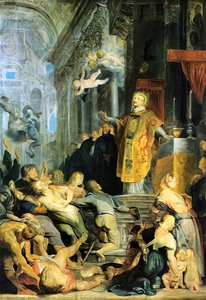
سقوط الملعونين
 زيت على قماش
- لوحات جدارية
- الفن الباروكي
 1620
1620 286.0 x 224.0 cm
 Alte Pinakothek
 اقرأ المزيد
طباعة جيلي / مطبوعات فنية
طباعة جيكلي أو كانفاس بجودة المتاحف، مع سرعة في التنفيذ وخيارات متنوعة للتشطيب. ( اطلب نسخة مرسومة يدويًا التحويل إلى الصورة الرقمية)




P118B E£10

P118H E£10

P118W E£10

P438Z E£10

P508JH E£12

P508YH E£12

P805H E£10

P805Z E£10

P919BZ E£10

P919G E£10

P919XJ E£10

P959ZH E£10

P968JZ E£12

W106C E£8

W218G E£10

W218JH E£8

W218Y E£10

W307PJ E£10

W316G E£10

W316PJ E£8

W316Y E£10

W398PJ E£8

W4111J E£10

W500HY E£15

W500JH E£15

W692G E£12

W849H E£8

W940BG E£15

W953PJ E£8




اختر من بين أحجامنا المُعدّة مسبقاً والتي تتوافق مع النسب الأصلية للعمل الفني.

أدخل العرض والارتفاع اللذين تحتاجهما، ليتناسب مع إطارك أو جدارك. يمكن قص المطبوعة فقط، ولا يمكن أبداً جعلها أكبر من الصورة الأصلية، لذا فإن أي مقاس بشكل مختلف سيؤدي إلى فقدان جزء من الصورة. سنرسل لك نموذجاً رقمياً تجريبياً لاعتماده قبل البدء في عملية الطباعة. الصورة المعروضة في هذه الصفحة لا توضح القص الفعلي — النموذج التجريبي فقط هو ما يظهر ذلك.
توصيل عالمي إلى خلال أسبوعين بدلاً من المدة القياسية البالغة 4/5 أسابيع. (23 أكتوبر)

شحن سريع ومجاني لجميع أنحاء العالم

قماش كتان فاخر

تأمين شامل على الشحن

ضمان استرداد الرسوم الجمركية

ضمان دقة مطابقة الألوان

سياسة الإرجاع خلال 100 يوم (في حالات العيوب فقط)

ضمان استرداد نقدي بنسبة 100%

عرض خصم الكميات
 خيار الزجاج متاح فقط للمقاسات التي تقل عن 110 سم

سقوط الملعونين
طباعة جيلي / مطبوعات فنية
مقاس النسخة المطبوعة
-


إجمالي السعر
E£ 4136
شهادة ضخمة للعدالة الإلهية
تُعد لوحة "سقوط المذنبين"، التي رسمها السير بيتر بول روبنز حوالي عام 1620، واحدة من أكثر الإنجازات إثارة وطموحاً في فترة الباروك. إنها تتجاوز مجرد تصوير سرد كتابي مقدس—وهو طرد لوسيفر وملائكته المتمردين من السماء—لتصبح تجربة غامرة للناظر، تنقله إلى العظمة المرعبة لغضب الإله.
عبقرية الفنان: روبنز وإتقان الباروك
بيتر بول روبنز (1577-1640)، الرسام الفلمنكي الذي عمل كفنان بلاط للملك فيليب الرابع ملك إسبانيا والملك تشارلز الأول لإنجلترا، أحدث ثورة في التعبير الفني بتكويناته الديناميكية واستخدامه المتقن للون. لم يكن اهتمامه يقتصر على تمثيل الواقع فحسب؛ بل سعى إلى نقل العاطفة—الخوف، واليأس، والتحدي—بشدة لا مثيل لها. إن تقنية روبنز – التي تتميز بالضربات الفرشاة الفضفاضة والأصباغ الزاهية والـ كياروسكورو الدرامي – تجسد تماماً الجمالية الباروكية: التباين المتعمد بين النور والظلام المصمم لتعزيز التأثير البصري.
سرد كتابي مقدس يبعث بالحياة
تُصور اللوحة لوسيفر وملائكته الساقطين وهم ينزلون إلى الجحيم بعد تمردهم الفاشل ضد الله. يلتقط روبنز بدقة الطاقة الفوضوية لهذه المعركة السماوية، مصوراً ميخائيل وجنوده الملائكيين وهم يرمون الأرواح الملعونة في ظلام سحيق. نُفذت الشخصيات بدقة تشريحية مذهلة—وهي سمة مميزة لأسلوب روبنز—لكنها مشبعة أيضاً بعاطفة ملموسة. كل ملاك منحوت برشاقة عضلية، ينقل العزيمة والغضب المقدس.
تحفة متحف "آلته بيناكوثيك" المحفوظة
تُعرض حالياً في متحف آلته بيناكوثيك بميونخ، وتحتل لوحة "سقوط المذنبين" مكانة مهمة في تاريخ الفن. بدأت رحلتها عام 1959 عندما تعرضت لأضرار بسبب هجوم حمضي—حادثة مأساوية أكدت هشاشة الأعمال الفنية التي لا تقدر بثمن. ولحسن الحظ، ضمنت جهود الترميم المضنية بقاءها للأجيال القادمة. إن التزام متحف آلته بيناكوثيك بالحفاظ على هذا العمل الضخم يتحدث كثيراً عن قيمته الفنية الخالدة.
إحضار رؤية روبنز إلى منزلك
في موقع OriginalUniqueArt.com، نقدم نسخاً استثنائية من "سقوط المذنبين"، مصنوعة بعناية فائقة على القماش باستخدام تقنيات الرسم الزيتي التقليدية. تلتقط هذه المطبوعات المصنوعة يدوياً كل فارق دقيق في تحفة روبنز الأصلية—الإضاءة الدرامية، والألوان النابضة بالحياة، وإيماءات الشخصيات المعبرة—مما يسمح لك بتجربة قوة الفن الباروكي في منزلك. استكشف مجموعتنا اليوم واكتشف قطعة مذهلة تكرم إرث أحد أعظم فناني التاريخ.
الأسئلة والأجوبة
ما مدى إشراق "سقوط الملعونين" بشكل عام؟
تتمتع لوحة "سقوط الملعونين" للفنان بيتر بول روبنز بسطوع ملحوظ يبلغ متوازن، مما يجعلها متناغمة مع الإضاءة في المساحة المخصصة لها.
أين يجب تعليق نسخة من "سقوط الملعونين" للفنان بيتر بول روبنز؟
تتمثل حقيقة التنسيق (رأسي) والمساحة الموصى بها (غرفة المعيشة) في المعلومات المسجلة لـ "سقوط الملعونين" للفنان بيتر بول روبنز.
ما هي المساحة التي تتناغم مع ألوان "سقوط الملعونين" للفنان بيتر بول روبنز؟
بفضل لوحة ألوانه التي تتميز بـ ألوان ترابية، يُنصح بوضع "سقوط الملعونين" للفنان بيتر بول روبنز في غرفة المعيشة؛ حيث تُعد الألوان أحد الأسباب وراء هذا الاقتراح.
نبذة عن الفنان
Sir Peter Paul Rubens: A Baroque Master!
Sir Peter Paul Rubens, a name that resonates with the very essence of Baroque dynamism, was far more than simply a painter. He was a diplomat, a scholar, and a cultural architect who fundamentally reshaped the artistic landscape of 17th-century Europe. Born in Siegen, Germany, in 1577, his early life was marked by displacement—a formative experience that would subtly permeate his later work with an undercurrent of drama and emotional depth. His father, Jan Rubens, a lawyer fleeing religious persecution for his Calvinist beliefs, uprooted the family from their native Antwerp, then under Spanish rule. This initial exile instilled in young Peter Paul a sense of resilience and adaptability, qualities that would serve him well throughout his multifaceted career. Following his father’s death in 1587, the family returned to Antwerp, where he received a humanist education before embarking on his artistic training around 1590, apprenticing under Tobias Verhaecht and Adam van Noort, honing foundational skills in drawing and painting techniques. However, it was his time with Otto van Veen that proved pivotal, exposing him to the rich legacy of Italian Renaissance art—a world he would soon embrace wholeheartedly.The Italian Awakening and Artistic Synthesis
In 1600, Rubens embarked on a transformative journey to Italy, a pilgrimage that irrevocably shaped his artistic vision. For eight years, he immersed himself in the masterpieces of Michelangelo, Raphael, and Titian, absorbing their mastery of form, color, and composition. The influence of these Renaissance giants is readily apparent in his early Italian works, characterized by classical themes and idealized figures. Yet, Rubens didn’t merely imitate; he synthesized these influences with his own innate talent, developing a distinctive style marked by vibrant hues, dynamic compositions, and a sensuous depiction of the human form. He studied anatomy meticulously, resulting in figures that possessed both physical realism and emotional power—robust bodies imbued with life and movement. This period wasn’t solely about artistic development; it was a profound intellectual awakening, fostering a deep appreciation for classical mythology and literature which would become recurring motifs throughout his oeuvre. Upon returning to Antwerp in 1608, Rubens swiftly established himself as the leading artist of his time, receiving a flood of commissions that testified to his burgeoning reputation and solidifying his position at the forefront of Flemish art.A Master of Many Forms: Painting Beyond Boundaries
Rubens’s artistic output was astonishingly diverse and prolific. He didn't confine himself to a single genre; instead, he excelled in history paintings, mythological scenes, portraits, landscapes, and religious works—a testament to his versatility and boundless creativity. His large-scale canvases, often intended for churches, palaces, and public spaces, were breathtaking displays of technical virtuosity and dramatic storytelling. The Descent from the Cross (c. 1616-1617) exemplifies his masterful use of light and shadow to create a scene of profound emotional intensity, drawing viewers into the heart of the narrative. The Raising of the Cross (1610-1611), with its swirling figures and dynamic composition, showcases his ability to convey movement and energy—a hallmark of his Baroque style. Even in seemingly static subjects like The Judgement of Paris (c. 1636), Rubens infused a sense of life and vitality through his vibrant color palette and sensual depiction of the human form. His technique was equally remarkable – a masterful command of oil painting, employing impasto to create texture and depth, alongside delicate glazing techniques to achieve luminous effects. He frequently employed allegorical figures and symbolic imagery, layering narratives with complex meanings that invited contemplation and interpretation.Diplomacy, Legacy, and Enduring Influence
Rubens’s influence extended far beyond the realm of art. His diplomatic skills were highly sought after by the Southern Netherlands (modern-day Belgium), and he undertook numerous missions to England, France, and Spain, negotiating treaties and fostering political alliances—a unique dual role that afforded him a nuanced perspective on European affairs and further enhanced his reputation as a man of intellect and influence. In 1630, he married Hélène Fourment, who became both his muse and frequent subject in his paintings – her youthful beauty gracing many of his later works, embodying the sensuality and vitality that characterized his style. He continued to paint prolifically until his death in Antwerp in 1640, leaving behind a vast legacy that continues to inspire awe and admiration. His impact on subsequent generations of artists is immeasurable; painters like Anthony van Dyck, Jacob Jordaens, and Eugène Delacroix all drew inspiration from his dynamic compositions, vibrant colors, and sensuous figures. Rubens didn’t just define the Baroque style—he elevated painting to a new level of prestige and influence, solidifying Antwerp as a major center of artistic production during the 17th century. He remains, centuries later, a towering figure in the history of art, a testament to the power of human creativity and the enduring allure of Baroque splendor. ## Key Characteristics of Rubens’s Style- Dynamic Composition: Rubens' paintings are known for their energetic and dramatic arrangements of figures.
- Vibrant Color Palette: He employed a rich, warm color scheme that brought his canvases to life.
- Sensuous Figures: His depictions of the human form were characterized by fullness, vitality, and often, overt sensuality.
- Masterful Use of Light and Shadow: Rubens skillfully manipulated light and shadow to create depth, drama, and emotional impact.
- Allegorical Symbolism: His works frequently incorporated allegorical figures and symbolic imagery, adding layers of meaning and complexity.

بيتر بول روبنز
1577 - 1640 , ألمانيا
لمحة سريعة
- Artistic Movement Or Style: باروكي
- Artists Or Movements Influenced By This Artist:
- أنتوني فان ديوك
- ياكو بوردجونس
- Artists Who Influenced This Artist:
- ميكائيل أنجيلوس
- رافائيل
- تيشان
- Date Of Birth: 28 يونيو 1577
- Date Of Death: 30 مايو 1640
- Full Name: بيتر بول روبنز
- Nationality: فلندي
- Notable Artworks:
- نزول المسيح من الصليب
- رفع الصلب
- Place Of Birth: زيغن، ألمانيا
مقالات ذات صلة

بول كلي: 25 تحفة فنية تعكس عبقرية اللون والشكل | OriginalUniqueArt
اكتشف 25 تحفة فنية لبول كلي، رائد الفن التجريدي والسريالي. استكشف قصص لوحاته الملونة وتقنياته الفريدة على OriginalUniqueArt.com. اشترِ إعادة إنتاج عالية الجودة وديكور منزلي فاخر.

Celestial Messengers: A Comprehensive Exploration of Angelic Representation in Art History
Explore the captivating history of angels in art! Discover symbolism, iconic Renaissance masterpieces & renowned artists. Expert insights for art lovers & collectors at OriginalUniqueArt.

Peter Paul Rubens: A Baroque Master's Life, Legacy & Enduring Influence
Discover the life & art of Peter Paul Rubens, the most influential artist of the Flemish Baroque tradition. Explore his masterpieces, legacy, and impact on art history with OriginalUniqueArt.

أعمال بول سيزان الخالدة: 25 تحفة فنية تزين منزلك بجمال الألوان والضوء
اكتشف 25 تحفة فنية لبول سيزان، رائد الانطباعية وما بعد الانطباعية. استكشف قصص لوحاته الزيتية الشهيرة وألوانه الجريئة وتقنياته الفريدة. احصل على إلهام لديكور منزلك الفاخر مع OriginalUniqueArt.com.

Celestial Messengers: Angels in Painting – A Historical & Artistic Exploration
Explore the captivating history of angels in painting! Discover symbolism, iconic Renaissance & Byzantine masterpieces, and renowned artists. Expert insights for art lovers & collectors at OriginalUniqueArt.