القائمة
استشارة فنية مجانية
معاينة الحجم الحقيقيمعاينة الحجم الحقيقي معاينة بالواقع المعززمعاينة بالواقع المعزز اشترِ نسخة مطبوعة اشترِ نسخة مطبوعةاشترِ الصورة اشترِ الصورة مشاركةمشاركة
التفاصيلالتفاصيل أضف إلى المفضلة أضف إلى المفضلة تحميل الملفتحميل الملف قطع مشابهةقطع مشابهة الأشعة السينيةالأشعة السينية عرض شرائحعرض شرائح

عشاء آخر

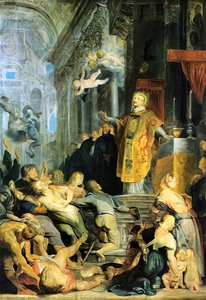
استكشفوا "عشاء آخر" المذهل لروبرتس! تحفة باروكية بتركيبة ديناميكية ورمزية غنية. اكتشفوا هذه اللوحة الزيتية عام 1631 في بيناكوتيتا دي بريرا.

بيتر بول روبنز: رسام باروكي هولندي شهير، اشتهر بلوحاته الديناميكية والألوان الزاهية مثل "النزول عن الصليب". أثر كبير في الفن الأوروبي وأحد أهم رموز عصر الباروك.

نسخة زيتية مصنوعة يدوياً

لوحة زيتية مرسومة يدوياً على الكانفاس بالمقاس والإطار الذي تفضله، تُنفذ حسب الطلب على أيدي فنانينا. (اشترِ نسخة مطبوعة اشترِ نسخة مطبوعةاشترِ الصورة اشترِ الصورة)

P118B $10
P118H $10
P118W $10
P438Z $10
P508JH $12
P508YH $12
P805H $10
P805Z $10
P919BZ $10
P919G $10
P919XJ $10
P959ZH $10
P968JZ $12
W106C $8
W218G $10
W218JH $8
W218Y $10
W307PJ $10
W316G $10
W316PJ $8
W316Y $10
W398PJ $8
W4111J $10
W500HY $15
W500JH $15
W692G $12
W849H $8
W940BG $15
W953PJ $8

Standard
custom
CM
INCH

اختر من بين أحجامنا المُعدّة مسبقًا والتي تتطابق مع النسب الأصلية للعمل الفني.

العرض
الارتفاع

يمكنك إدخال أبعادك الخاصة لتناسب إطارًا معينًا أو مساحة محددة. وإذا لم يتطابق الحجم الذي اخترته مع نسب الصورة الأصلية، فسنقوم إما بقص العمل الفني أو توسيع اللوحة بإضافة عناصر مرسومة يدويًا. سيتم إرسال نموذج رقمي إليك للموافقة عليه قبل بدء الإنتاج.
يرجى ملاحظة أن المعاينة على الشاشة لا تعكس عملية القص أو التوسيع الفعلية؛ حيث إن النموذج الرقمي وحده هو الذي سيوضح التكوين النهائي بدقة.
وعلى الرغم من توفر أحجام مخصصة، إلا أننا نوصي باختيار أبعاد من القائمة المحددة مسبقًا للحفاظ على النسب الأصلية للعمل الفني.

أمثلة على التعديلات الممكنة: استبدال الوجه بصورة العميل؛ إضافة حيوان أليف (مثل استبدال قطة بكلب)؛ تضمين رسالة مخفية في الخلفية؛ تغيير المناظر الطبيعية أو العناصر في الخلفية.
بعد إتمام الطلب، سيرسل فريق OriginalUniqueArt.com بريداً إلكترونياً للعميل لطلب التعليمات وتزويده بمعاينة تجريبية (mockup).

توصيل عالمي إلى خلال 3 إلى 4 أسابيع بدلاً من المدة المعتادة البالغة 5 أسابيع. (24 أغسطس). جودة لا تهاون فيها.

why_choose_icon
شحن سريع ومجاني لجميع أنحاء العالم
why_choose_icon
قماش كتان عالي الجودة
why_choose_icon
تأمين شحن شامل
why_choose_icon
ضمان استرداد الرسوم الجمركية
why_choose_icon
ضمان مطابقة الألوان الحقيقية
why_choose_icon
سياسة الإرجاع خلال 60 يومًا (في حالات العيوب فقط)
why_choose_icon
ضمان استرداد نقدي بنسبة 100%
why_choose_icon
خصم عند طلب عدة قطع

إجمالي السعر

$ 600

reproduction

عشاء آخر

خامة إعادة الإنتاج

مقاس النسخة المطبوعة

-

السعر الإجمالي النهائي

$ 600

معلومات سريعة

  • movement: Baroque
  • medium: Oil on Canvas
  • style: Baroque
  • year: 1631
  • artist: Peter Paul Rubens
  • notable elements: Dynamic composition, chiaroscuro, wine glasses, books
  • title: Last Supper

اختبار الفنون

يوجد إجابة صحيحة واحدة فقط لكل سؤال.

سؤال 1:
Peter Paul Rubens' 'Last Supper' was created in what year?
سؤال 2:
In which Italian city is Rubens’ ‘Last Supper’ currently housed?
سؤال 3:
What artistic technique does Rubens masterfully employ to create depth and emotional intensity in 'The Last Supper'?
سؤال 4:
Which earlier artist’s work significantly influenced Rubens’ depiction of ‘The Last Supper’?
سؤال 5:
What is a prominent element within the scene, suggesting the setting might be more than just a dining room?

وصف العمل الفني

متحفة باروكية: "آخرَ العشاء" الدرامي لروبرتس

تُعدّ إعادة الفنان بيتر بول روبنز عام 1631 من "آخرَ العشاء" تفسيرًا قويًا و ديناميكيًا لهذه المشهد الكتابي المحوري. بقياسه المذهل 304 × 250 سم، يقع اللوحة الزيتية على القماش حاليًا في معرض بيناكوتيتا دي بريرا بمدينة ميلانو بإيطاليا، مما يدهش المشاهد بطاقته الباروكية وعمقه العاطفي. هذه العمل ليست مجرد تصوير لحدث ديني؛ بل هي تجربة مسرحية حُيَّت بواسطة فرشاة ماهرة وفهم عميق للديناميكية الإنسانية.

التكوين والقصة

يهدر روبنز الهدوء السكوني الذي غالبًا ما يوجد في depictions لـ "آخرَ العشاء" في عصر النهضة، ويختار بدلًا من ذلك تكوينًا حيويًا وجذابًا. يسلم يسوع في المركز، لكنه لا يهيمن على المشهد ببرود؛ بل هو متفاعل بنشاط داخل المجموعة. يتجمّع الرسل حول المائدة، ويتفاعلون مع إعلان المسيح عن خيانته الوشيكة بمجموعة من المشاعر - عدم التصديق، الحزن، التساؤل، والشك. الموقع نفسه مثير للاهتمام – يشير إلى أنّه ليس مجرد غرفة طعام بسيطة بل ربما مكتبة أو دراسة، كما يتضح من الكتب المرئية في الخلفية، مما يضيف طبقة فكرية إلى المشهد. إن تضمين الكؤوس والنبيذ يؤكد علىIntimacy التجمُّع قبل المأساة الوشيكة.

التقنية والأسلوب الفني

يظهر أسلوب روبنز الباروك المميز هنا بشكل كامل. تتميز تقنيته بفرشاة جريئة، لوحة ألوان غنية وحيوية، واستخدام ماهر لـ *تشياروسكورو* – التفاعل الدرامي للضوء والظل. هذا ليس مجرد إنشاء تباين بصري؛ بل هو توجيه عين المشاهد إلى الشخصيات الرئيسية وتسليط الضوء على القوة العاطفية. إن تأثير الضوء على الوجوه والأقمشة يمنح المشهد واقعية ويزيد من الشعور بالدراما. مهارة روبنز في تصوير الأنسجة – من لمعان المائدة إلى طيات الملابس – مذهلة، وتُظهر براعته التقنية.

الرمزية والتفسير

بالإضافة إلى سحره البصري، فإن "آخرَ العشاء" غني بالرموز. الخبز والنبيذ، وهما العنصران المركزيان على المائدة، يمثلان القربانية – جسد ودم المسيح – ويشيران إلى التضحية الوشيكة. من الجدير بالذكر أن يسوع المسيح القيّم، الذي يجسده بشكل واضح ومميز، غالبًا ما يُعرف بوجهه المُظلَم ونظره الممتنع، مما يشير إلى الخيانة. الكلب الموجود في المشهد، وهو موضوع شائع في الفن الشمالي الأوروبي، يمكن تفسيره على أنه يمثل الولاء أو، بالمقابل، الجشع – ربما يشير إلى دوافع يسوع القيّم. يتقن روبنز دمج هذه العناصر الرمزية في القصة، مما يدعو المشاهدين للتأمل في المعنى اللاهوتي الأعمق لهذا الحدث.

السياق التاريخي والإرث

تم إنشاؤه خلال عصر الإصلاح المضاد – وهو الفترة التي سعى فيها الكنيسة الكاثوليكية إلى إعادة تأكيد مبادئها من خلال الفن، فقد لعب "آخرَ العشاء" لروبرتس دورًا مزدوجًا - كصورة دينية و كبيان قوي للإيمان. تأثر روبنز بشدة بالرسامين في عصر النهضة مثل ليوناردو دا فينشي (فRESCO الخاص به من "آخرَ العشاء" كان مصدر إلهام)، لكنه أضفى على عمله ساسية باروكية مميزة – مع التركيز على الحركة والمشاعر والتأثير الدرامي. تُظهر هذه اللوحة مكانة روبنز كواحد من أكثر الفنانين تأثيرًا في القرن السابع عشر، وشكل مسار الفن الأوروبي لعدة أجيال قادمة.

التفاصيل الرئيسية

  • الفنان: بيتر بول روبنز
  • العنوان: آخرَ العشاء
  • السنة: 1631
  • الوسيط: زيت على قماش
  • الأبعاد: 304 × 250 سم
  • الموقع: معرض بيناكوتيتا دي بريرا، ميلانو، إيطاليا
هذا التحفة الفنية هي شهادة على قدرة روبنز على التقاط الأبعاد الروحية والإنسانية لهذه اللحظة الحاسمة في التاريخ المسيحي. تسمح إعادة الإنتاج عالية الجودة لعشاق الفن والمجموعين على حد سواء بإحضار هذا التألق الباروك إلى مساحاتهم الخاصة. الحركة: باروكي المواضيع: آخرَ العشاء، مشهد الكتابي، فن ديني، لوحة روبنز، أسلوب الباروكي، يسوع المسيح القيّم، دراما إلهية، فن إيطالي النهضة الفترة الإبداعية: الفترة الناضجة سياق الجسم: تأثير دا فينشي، موضوعات الإصلاح المضاد، سرد القصص الدينية، سياق الرعاية الملكية، أسلوب التكوين الديناميكي، رؤية روبنز الدرامية، تحفة باروكية رئيسية، سلسلة من العذارى

السيرة الذاتية للفنان

Sir Peter Paul Rubens: A Baroque Master!

Sir Peter Paul Rubens, a name that resonates with the very essence of Baroque dynamism, was far more than simply a painter. He was a diplomat, a scholar, and a cultural architect who fundamentally reshaped the artistic landscape of 17th-century Europe. Born in Siegen, Germany, in 1577, his early life was marked by displacement—a formative experience that would subtly permeate his later work with an undercurrent of drama and emotional depth. His father, Jan Rubens, a lawyer fleeing religious persecution for his Calvinist beliefs, uprooted the family from their native Antwerp, then under Spanish rule. This initial exile instilled in young Peter Paul a sense of resilience and adaptability, qualities that would serve him well throughout his multifaceted career. Following his father’s death in 1587, the family returned to Antwerp, where he received a humanist education before embarking on his artistic training around 1590, apprenticing under Tobias Verhaecht and Adam van Noort, honing foundational skills in drawing and painting techniques. However, it was his time with Otto van Veen that proved pivotal, exposing him to the rich legacy of Italian Renaissance art—a world he would soon embrace wholeheartedly.

The Italian Awakening and Artistic Synthesis

In 1600, Rubens embarked on a transformative journey to Italy, a pilgrimage that irrevocably shaped his artistic vision. For eight years, he immersed himself in the masterpieces of Michelangelo, Raphael, and Titian, absorbing their mastery of form, color, and composition. The influence of these Renaissance giants is readily apparent in his early Italian works, characterized by classical themes and idealized figures. Yet, Rubens didn’t merely imitate; he synthesized these influences with his own innate talent, developing a distinctive style marked by vibrant hues, dynamic compositions, and a sensuous depiction of the human form. He studied anatomy meticulously, resulting in figures that possessed both physical realism and emotional power—robust bodies imbued with life and movement. This period wasn’t solely about artistic development; it was a profound intellectual awakening, fostering a deep appreciation for classical mythology and literature which would become recurring motifs throughout his oeuvre. Upon returning to Antwerp in 1608, Rubens swiftly established himself as the leading artist of his time, receiving a flood of commissions that testified to his burgeoning reputation and solidifying his position at the forefront of Flemish art.

A Master of Many Forms: Painting Beyond Boundaries

Rubens’s artistic output was astonishingly diverse and prolific. He didn't confine himself to a single genre; instead, he excelled in history paintings, mythological scenes, portraits, landscapes, and religious works—a testament to his versatility and boundless creativity. His large-scale canvases, often intended for churches, palaces, and public spaces, were breathtaking displays of technical virtuosity and dramatic storytelling. The Descent from the Cross (c. 1616-1617) exemplifies his masterful use of light and shadow to create a scene of profound emotional intensity, drawing viewers into the heart of the narrative. The Raising of the Cross (1610-1611), with its swirling figures and dynamic composition, showcases his ability to convey movement and energy—a hallmark of his Baroque style. Even in seemingly static subjects like The Judgement of Paris (c. 1636), Rubens infused a sense of life and vitality through his vibrant color palette and sensual depiction of the human form. His technique was equally remarkable – a masterful command of oil painting, employing impasto to create texture and depth, alongside delicate glazing techniques to achieve luminous effects. He frequently employed allegorical figures and symbolic imagery, layering narratives with complex meanings that invited contemplation and interpretation.

Diplomacy, Legacy, and Enduring Influence

Rubens’s influence extended far beyond the realm of art. His diplomatic skills were highly sought after by the Southern Netherlands (modern-day Belgium), and he undertook numerous missions to England, France, and Spain, negotiating treaties and fostering political alliances—a unique dual role that afforded him a nuanced perspective on European affairs and further enhanced his reputation as a man of intellect and influence. In 1630, he married Hélène Fourment, who became both his muse and frequent subject in his paintings – her youthful beauty gracing many of his later works, embodying the sensuality and vitality that characterized his style. He continued to paint prolifically until his death in Antwerp in 1640, leaving behind a vast legacy that continues to inspire awe and admiration. His impact on subsequent generations of artists is immeasurable; painters like Anthony van Dyck, Jacob Jordaens, and Eugène Delacroix all drew inspiration from his dynamic compositions, vibrant colors, and sensuous figures. Rubens didn’t just define the Baroque style—he elevated painting to a new level of prestige and influence, solidifying Antwerp as a major center of artistic production during the 17th century. He remains, centuries later, a towering figure in the history of art, a testament to the power of human creativity and the enduring allure of Baroque splendor. ## Key Characteristics of Rubens’s Style
  • Dynamic Composition: Rubens' paintings are known for their energetic and dramatic arrangements of figures.
  • Vibrant Color Palette: He employed a rich, warm color scheme that brought his canvases to life.
  • Sensuous Figures: His depictions of the human form were characterized by fullness, vitality, and often, overt sensuality.
  • Masterful Use of Light and Shadow: Rubens skillfully manipulated light and shadow to create depth, drama, and emotional impact.
  • Allegorical Symbolism: His works frequently incorporated allegorical figures and symbolic imagery, adding layers of meaning and complexity.
بيتر بول روبنز

بيتر بول روبنز

1577 - 1640 , ألمانيا

حقائق سريعة

  • Artistic Movement Or Style: باروكي
  • Artists Or Movements Influenced By This Artist:
    • أنتوني فان ديوك
    • ياكو بوردجونس
  • Artists Who Influenced This Artist:
    • ميكائيل أنجيلوس
    • رافائيل
    • تيشان
  • Date Of Birth: 28 يونيو 1577
  • Date Of Death: 30 مايو 1640
  • Full Name: بيتر بول روبنز
  • Nationality: فلندي
  • Notable Artworks:
    • نزول المسيح من الصليب
    • رفع الصلب
  • Place Of Birth: زيغن، ألمانيا
استكشف الأعمال الفنية المصنفة حسب الموضوعات والأنماط والخصائص.