معاينة الحجم الواقعي
 إرسال
إرسال مشاركة
 عرض التفاصيل
 دليل الأعمال الفنية للطلاب

 تحميل
تحميل
 قطع مشابهة
 الأشعة السينية
 عرض شرائح متتابع
 Q&A
Q&A الإحصائيات
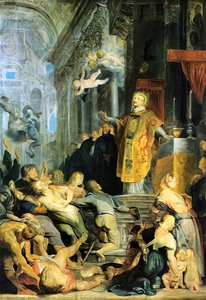
ميركوري وأرجوس
 زيت على لوح خشبي
- Baroque
 1638
1638 63.0 x 87.0 cm
 اقرأ المزيد
طباعة جيلي / مطبوعات فنية
طباعة جيكلي أو كانفاس بجودة المتاحف، مع سرعة في التنفيذ وخيارات متنوعة للتشطيب. ( اطلب نسخة مرسومة يدويًا التحويل إلى الصورة الرقمية)




P118B E£10

P118H E£10

P118W E£10

P438Z E£10

P508JH E£12

P508YH E£12

P805H E£10

P805Z E£10

P919BZ E£10

P919G E£10

P919XJ E£10

P959ZH E£10

P968JZ E£12

W106C E£8

W218G E£10

W218JH E£8

W218Y E£10

W307PJ E£10

W316G E£10

W316PJ E£8

W316Y E£10

W398PJ E£8

W4111J E£10

W500HY E£15

W500JH E£15

W692G E£12

W849H E£8

W940BG E£15

W953PJ E£8




اختر من بين أحجامنا المُعدّة مسبقاً والتي تتوافق مع النسب الأصلية للعمل الفني.

أدخل العرض والارتفاع اللذين تحتاجهما، ليتناسب مع إطارك أو جدارك. يمكن قص المطبوعة فقط، ولا يمكن أبداً جعلها أكبر من الصورة الأصلية، لذا فإن أي مقاس بشكل مختلف سيؤدي إلى فقدان جزء من الصورة. سنرسل لك نموذجاً رقمياً تجريبياً لاعتماده قبل البدء في عملية الطباعة. الصورة المعروضة في هذه الصفحة لا توضح القص الفعلي — النموذج التجريبي فقط هو ما يظهر ذلك.
توصيل عالمي إلى خلال أسبوعين بدلاً من المدة القياسية البالغة 4/5 أسابيع. (29 أكتوبر)

شحن سريع ومجاني لجميع أنحاء العالم

قماش كتان فاخر

تأمين شامل على الشحن

ضمان استرداد الرسوم الجمركية

ضمان دقة مطابقة الألوان

سياسة الإرجاع خلال 100 يوم (في حالات العيوب فقط)

ضمان استرداد نقدي بنسبة 100%

عرض خصم الكميات
 خيار الزجاج متاح فقط للمقاسات التي تقل عن 110 سم

ميركوري وأرجوس
طباعة جيلي / مطبوعات فنية
مقاس النسخة المطبوعة
-


إجمالي السعر
E£ 4158
الدراما بين ميركوري وأرجوس
لوحة "ميركوري وأرجوس" للرسام بيتر بول روبنز ليست مجرد لوحة؛ بل هي انغماس حيوي ومبهر في عالم الأساطير الكلاسيكية. تم إنشاؤها خلال فترة العصر الباروكي – تقريبًا بين عامي 1635 و 1638 – وتلتقط هذه اللوحة لحظة محورية من كتاب "التحولات" لأوفيد، حيث يواجه الإله المرسل السريع القدم ميركوري العملاق الوحشي أرجوس، الذي كان مكلفًا بحراسة الكاهنة إيو. لا يكتفي روبنز بتصوير القصة؛ بل ينفجر بها على اللوحة بطاقة شبه هائلة، مستخدمًا إتقانه المميز للألوان والحركة والإضاءة الدرامية لخلق مشهد يزخر بالإثارة والتأمل العميق في آن واحد.
التكوين نفسه هو رقص مُنظّم بعناية بين الشخصيات. ميركوري، الذي تم تصويره كشاب رياضي ينبض بالثقة، يهيمن على المقدمة. أجنحته – رمز قوي للسرعة الإلهية والتواصل – ممدودة على نطاق واسع، مما يشير إلى موقفه القادم. يحمل كمانًا، ليس مجرد آلة موسيقية بل أيضًا تمثيلًا للعقل والطلاقة، ما يوحي بالقوة التي يمكن أن يمتلكها الكلمات في التغلب على القوة الغاشمة. يقف مقابله أرجوس، وهو عملاق ضخم مغطى بالظلال، وعيناه المئة مُصوَّرتان بتفصيل مقلق، تجسد الانتباه والملاحقة المستمرة. أكمل المشهد خلفية من أشجار قديمة وجريدة (بقرة) هادئة – عناصر تبرز بشكل خفي أصول قصة إيو وتباينها بين العالم الطبيعي والتهديد المرعب الذي يمثله أرجوس.
بهاء الباروك: التقنية والأسلوب
يكمان عبقرية روبنز ليس فقط في موضوعاته، بل أيضًا في مهارته التقنية التي لا مثيل لها. تم تنفيذ اللوحة باستخدام الزيت على لوحة خشبية، وتُظهر "ميركوري وأرجوس" سيطرة مذهلة على تقنية *تشياريوسكو* – التفاعل الدرامي للضوء والظل الذي كان علامة مميزة لفن الباروك. يستخدم روبنز هذه التقنية ببراعة لتشكيل الشخصيات، مما يخلق إحساسًا بالبعد الثالث وجذب عين المشاهد إلى قلب المشهد. لاحظ كيف يمسك الضوء بشكله العضلي، مما يسلط الضوء على قوته وتزامه، وفي الوقت نفسه يُغرق أرجوس في الظلام، مما يؤكد طبيعته الوحشية.
تتميز اللوحة بتكوينها الديناميكي – التقاطعات القائمة على الزوايا تقطع اللوحة، مما يخلق إحساسًا بالحركة والاندفاع. ضربات فرشاة روبنز متحررة وتعبيرية، تساهم في الشعور العام بالطاقة والحيوية. يستخدم تقنية تُعرف باسم *إمباستو*، حيث يطبق طبقات سميكة من الطلاء لخلق الملمس واهتمام بصري. الألوان النابضة بالحياة – أحمر غني، أزرق عميق، ذهب لامع – تعزز بشكل أكبر التأثير الدرامي للوحة، مما يخلق تجربة غامرة للمشاهد.
تأثيرات أسطورية: الرمزية والتفسير
بالإضافة إلى تصويره الجذاب لقصة أسطورية، فإن "ميركوري وأرجوس" غنية بالمعاني الرمزية. يمثل ميركوري الذكاء والحكمة والدبلوماسية والتواصل – وهي صفات ضرورية للتغلب على العقبات وتحقيق النصر. انتصار ميركوري على أرجوس يرمز إلى انتصار العقل على القوة الغاشمة، والنظام على الفوضى. وجود إيو، الذي يظهر بشكل كبير، يشير إلى مواضيع الضعف والتحول والحماية الإلهية. الجريدة (البقرة)، وهي رمز متكرر في الأساطير اليونانية، غالبًا ما تمثل الإخصاب والوفرة – ربما تشير إلى استعادة وضع إيو بعد معاناتها.
إن اختيار روبنس لتصوير هذه الحادثة المحددة من كتاب "التحولات" لأوفيد يعكس اهتمامه بالموضوعات الكلاسيكية و قدرته على غمرها بعمق عاطفي. تدعو اللوحة المشاهدين إلى التأمل ليس فقط في القصة نفسها، ولكن أيضًا في آثارها الأوسع فيما يتعلق بالأخلاق والمصير والإنسانية. إنها شهادة على مهارة روبنس في تحويل الأساطير القديمة إلى أعمال فنية خالدة تستمر في صدى أصداءها لدى الجمهور اليوم.
جلب جمال الباروك إلى المنزل
OriginalUniqueArt تقدم إعادة إنتاجات يدوية مطلية بعناية لـ "ميركوري وأرجوس" بواسطة بيتر بول روبنز، مما يسمح لك بإحضار هذا التحفة الفنية إلى منزلك أو مكتبك. يقوم فنانونا المهرة بتكرار ألوان اللوحة النابضة بالحياة وتكوينها الديناميكي وتفاصيلها الرائعة بدقة لا مثيل لها. متوفرة بمجموعة متنوعة من الأحجام على قماش أو ورق أرشيفي عالي الجودة، توفر إعادة إنتاجاتنا تمثيلاً أصليًا لهذه الوظيفة الأيقونية مع الحفاظ على جمالها لجميع الأجيال.
لمزيد من الاستكشاف، اكتشف المزيد عن حياة بيتر بول روبنز وأعماله الرائعة الأخرى على OriginalUniqueArt.com. يمكنك أيضًا الغوص في الأعمال ذات الصلة مثل "الاحتفال بالمزرعة" أو "مذبحة الأبرياء" لتقدير نطاق وعمق إرث روبنس الفني.
الأسئلة والأجوبة
إلى أي مرحلة من مسيرة بيتر بول روبنز المهنية تنتمي لوحة "ميركوري وأرجوس"، بالنظر إلى تاريخ إنتاجها؟
يضع تاريخ 1638 لوحة "ميركوري وأرجوس" ضمن مرحلة الفترة الإبداعية: مرحلة ناضجة من مسيرة تطور بيتر بول روبنز.
ما هو اللون الطاغي على تكوين "ميركوري وأرجوس" للفنان بيتر بول روبنز؟
اللون السائد في "ميركوري وأرجوس" للفنان بيتر بول روبنز هو بني إسبريسو (#685944).
إلى أي فنان يُنسب العمل "ميركوري وأرجوس"؟
الفنان الذي أبدع عمل "ميركوري وأرجوس" هو بيتر بول روبنز. العمل مُدرج تحت اسم بيتر بول روبنز.
نبذة عن الفنان
Sir Peter Paul Rubens: A Baroque Master!
Sir Peter Paul Rubens, a name that resonates with the very essence of Baroque dynamism, was far more than simply a painter. He was a diplomat, a scholar, and a cultural architect who fundamentally reshaped the artistic landscape of 17th-century Europe. Born in Siegen, Germany, in 1577, his early life was marked by displacement—a formative experience that would subtly permeate his later work with an undercurrent of drama and emotional depth. His father, Jan Rubens, a lawyer fleeing religious persecution for his Calvinist beliefs, uprooted the family from their native Antwerp, then under Spanish rule. This initial exile instilled in young Peter Paul a sense of resilience and adaptability, qualities that would serve him well throughout his multifaceted career. Following his father’s death in 1587, the family returned to Antwerp, where he received a humanist education before embarking on his artistic training around 1590, apprenticing under Tobias Verhaecht and Adam van Noort, honing foundational skills in drawing and painting techniques. However, it was his time with Otto van Veen that proved pivotal, exposing him to the rich legacy of Italian Renaissance art—a world he would soon embrace wholeheartedly.The Italian Awakening and Artistic Synthesis
In 1600, Rubens embarked on a transformative journey to Italy, a pilgrimage that irrevocably shaped his artistic vision. For eight years, he immersed himself in the masterpieces of Michelangelo, Raphael, and Titian, absorbing their mastery of form, color, and composition. The influence of these Renaissance giants is readily apparent in his early Italian works, characterized by classical themes and idealized figures. Yet, Rubens didn’t merely imitate; he synthesized these influences with his own innate talent, developing a distinctive style marked by vibrant hues, dynamic compositions, and a sensuous depiction of the human form. He studied anatomy meticulously, resulting in figures that possessed both physical realism and emotional power—robust bodies imbued with life and movement. This period wasn’t solely about artistic development; it was a profound intellectual awakening, fostering a deep appreciation for classical mythology and literature which would become recurring motifs throughout his oeuvre. Upon returning to Antwerp in 1608, Rubens swiftly established himself as the leading artist of his time, receiving a flood of commissions that testified to his burgeoning reputation and solidifying his position at the forefront of Flemish art.A Master of Many Forms: Painting Beyond Boundaries
Rubens’s artistic output was astonishingly diverse and prolific. He didn't confine himself to a single genre; instead, he excelled in history paintings, mythological scenes, portraits, landscapes, and religious works—a testament to his versatility and boundless creativity. His large-scale canvases, often intended for churches, palaces, and public spaces, were breathtaking displays of technical virtuosity and dramatic storytelling. The Descent from the Cross (c. 1616-1617) exemplifies his masterful use of light and shadow to create a scene of profound emotional intensity, drawing viewers into the heart of the narrative. The Raising of the Cross (1610-1611), with its swirling figures and dynamic composition, showcases his ability to convey movement and energy—a hallmark of his Baroque style. Even in seemingly static subjects like The Judgement of Paris (c. 1636), Rubens infused a sense of life and vitality through his vibrant color palette and sensual depiction of the human form. His technique was equally remarkable – a masterful command of oil painting, employing impasto to create texture and depth, alongside delicate glazing techniques to achieve luminous effects. He frequently employed allegorical figures and symbolic imagery, layering narratives with complex meanings that invited contemplation and interpretation.Diplomacy, Legacy, and Enduring Influence
Rubens’s influence extended far beyond the realm of art. His diplomatic skills were highly sought after by the Southern Netherlands (modern-day Belgium), and he undertook numerous missions to England, France, and Spain, negotiating treaties and fostering political alliances—a unique dual role that afforded him a nuanced perspective on European affairs and further enhanced his reputation as a man of intellect and influence. In 1630, he married Hélène Fourment, who became both his muse and frequent subject in his paintings – her youthful beauty gracing many of his later works, embodying the sensuality and vitality that characterized his style. He continued to paint prolifically until his death in Antwerp in 1640, leaving behind a vast legacy that continues to inspire awe and admiration. His impact on subsequent generations of artists is immeasurable; painters like Anthony van Dyck, Jacob Jordaens, and Eugène Delacroix all drew inspiration from his dynamic compositions, vibrant colors, and sensuous figures. Rubens didn’t just define the Baroque style—he elevated painting to a new level of prestige and influence, solidifying Antwerp as a major center of artistic production during the 17th century. He remains, centuries later, a towering figure in the history of art, a testament to the power of human creativity and the enduring allure of Baroque splendor. ## Key Characteristics of Rubens’s Style- Dynamic Composition: Rubens' paintings are known for their energetic and dramatic arrangements of figures.
- Vibrant Color Palette: He employed a rich, warm color scheme that brought his canvases to life.
- Sensuous Figures: His depictions of the human form were characterized by fullness, vitality, and often, overt sensuality.
- Masterful Use of Light and Shadow: Rubens skillfully manipulated light and shadow to create depth, drama, and emotional impact.
- Allegorical Symbolism: His works frequently incorporated allegorical figures and symbolic imagery, adding layers of meaning and complexity.

بيتر بول روبنز
1577 - 1640 , ألمانيا
لمحة سريعة
- Artistic Movement Or Style: باروكي
- Artists Or Movements Influenced By This Artist:
- أنتوني فان ديوك
- ياكو بوردجونس
- Artists Who Influenced This Artist:
- ميكائيل أنجيلوس
- رافائيل
- تيشان
- Date Of Birth: 28 يونيو 1577
- Date Of Death: 30 مايو 1640
- Full Name: بيتر بول روبنز
- Nationality: فلندي
- Notable Artworks:
- نزول المسيح من الصليب
- رفع الصلب
- Place Of Birth: زيغن، ألمانيا
مقالات ذات صلة

Peter Paul Rubens: A Baroque Master's Life, Legacy & Enduring Influence
Discover the life & art of Peter Paul Rubens, the most influential artist of the Flemish Baroque tradition. Explore his masterpieces, legacy, and impact on art history with OriginalUniqueArt.

The Dramatic Flourish: Exploring the Baroque Movement's Enduring Legacy in Art History
Explore the dramatic world of Baroque art! Discover iconic artists like Caravaggio & Rubens, defining techniques, and its lasting impact on art history. Expert insights for collectors & enthusiasts at OriginalUniqueArt.

أعلى 10 روائع باروكية رسمت مسار الفن وجمالية الديكور | OriginalUniqueArt
اكتشف روائع عصر الباروك! استكشف 10 لوحات فنية خالدة مع كارافاجيو، رامبرانت وغيرهم. تاريخ الفن، أسلوب باروكي مذهل، و ديكور منزلي فاخر. تسوق إعادة إنتاج فني عالي الجودة على OriginalUniqueArt.com
Baroque Classicism: Reconciling Drama & Order in 17th-Century Art
Explore the captivating world of Baroque Classicism! Discover its history, key artists like Caravaggio & Rubens, and defining characteristics. Expert insights & high-quality reproductions at OriginalUniqueArt.

دراما الباروك: إحياء الفخامة والعاطفة في الدواخل المعاصرة
اكتشف سحر الباروك! دليل شامل حول الحركة الفنية، عناصرها الجمالية، وكيفية دمج فخامتها وعاطفتها في الدواخل المعاصرة. نصائح من خبراء OriginalUniqueArt لإضفاء لمسة باروكية على منزلك.