
 معاينة الحجم الواقعي
 مشاركة
 مشاركة
 التفاصيل
 دليل
دليل

 تحميل الملف
 قطع مشابهة
 الأشعة السينية
 عرض شرائح
 الأسئلة والأجوبة
 الإحصائيات
Self Portrait

- 76.0 x 64.0 cm


 عرض المزيد
احصل على ملف جاهز للطباعة يتجاوز بمراحل جودة المعاينة عبر الإنترنت؛ فكل صورة رقمية نبيعها مستمدة من نسخة أصلية عالية الدقة في قاعدة بياناتنا — يتراوح عرضها عادةً بين 5,000 إلى 15,000 بكسل — مما يتيح لك الطباعة بأحجام كبيرة، أو الاقتصاص بدقة، أو إعادة إنتاج التفاصيل الدقيقة بكل ثقة.
لا تخرج أي صورة من استوديو الخاص بنا دون أن تمر بعملية معالجة دقيقة؛ حيث يقوم خبير رقمي بمطابقة الألوان مع اللوحة الأصلية وتصحيحها عند الضرورة، ثم يعمل على تحسين الوضوح والتفاصيل باستخدام أدوات ترميم احترافية — مع الحفاظ دائماً على أمانة نقل ضربات فرشاة الفنان وأسلوبه. والنتيجة هي صورة تبدو كأنها اللوحة ذاتها، وليست مجرد مسح ضوئي خاضع للفلاتر.
تتم عملية الاعتماد قبل الإتمام النهائي: حيث يرسل خبيرنا الصورة عبر البريد الإلكتروني في غضون 72 ساعة لمراجعتها من قبلك. هل لم تنل النتيجة إعجابك؟ يمكنك طلب تحسينات أو تصحيحات، أو طلب استرداد الأموال إذا لم تكن الجودة بالمستوى المطلوب.
هذه هي الجودة التي يعتمد عليها الناشرون، واستوديوهات التصميم، والمعارض، والمطابع.
صورة رقمية
حمّل ملفاً عالي الدقة للعرض الشخصي، والطباعة، والمشاريع الإبداعية. ( التبديل إلى نسخة مطبوعة شراء لوحة مرسومة يدويًا)
مزايا مُضمّنة مع كل طلب صورة رقمية
تسليم رقمي احترافي ومضمون
عندما تختار OriginalUniqueArt.com، فأنت لا تحصل على مجرد صورة فحسب، بل ستحصل على عمل فني رقمي مُحسّن باحترافية، صُمم بدقة متناهية ومصحوب بضمان الرضا. إليك كل ما يتضمنه طلبك تلقائياً:

تسليم سريع عبر البريد الإلكتروني
ستصلك ملفات صورك الرقمية عالية الدقة عبر البريد الإلكتروني في غضون 72 ساعة من إتمام الطلب - لتكون جاهزة للاستخدام الفوري.

ملف رقمي مُعزز بالذكاء الاصطناعي
يتم تحسين عملك الفني باحترافية باستخدام أدوات الذكاء الاصطناعي المتقدمة والتحرير اليدوي، لضمان أقصى درجات التفاصيل والوضوح ودقة الألوان.

إعادة إرسال مجانية مدى الحياة
هل حذفت ملفك أو فقدته عن طريق الخطأ؟ لا تقلق - سنعيد إرساله إليك في أي وقت، مجاناً.

بدون رسوم استيراد - على الإطلاق
استمتع بأعمالك الفنية فوراً دون أي رسوم جمركية أو ضرائب أو مصاريف شحن - فالتحميلات الرقمية دائماً ما تكون معفاة من الضرائب.

ضمان دقة الألوان
نضمن لك دقة انعكاس الألوان الأصلية في صورتك الرقمية بأقصى قدر ممكن، وذلك باستخدام أدوات احترافية وتقنيات متطورة لإدارة الألوان.

ضمان الرضا لمدة 100 يوم
إذا لم تكن راضياً عن صورتك الرقمية، فسنقوم بتعديلها أو استرداد 100% من قيمتها خلال 100 يوم - دون طرح أي أسئلة.

ضمان استرداد نقدي بنسبة 100%
لم تكن راضياً؟ استرد كامل المبلغ خلال 100 يوم من استلام ملفك الرقمي - دون طرح أي أسئلة.

خصومات الطلبات الكبيرة
اشتري 3 صور، ووفر 10% - اشتري 5، ووفر 15% - اشتري +10، ووفر 20%. مثالية للمشاريع الإبداعية، والمعارض، والوكالات.
A Masterpiece of Neoclassical Restraint and Psychological Insight
Sir Joshua Reynolds' “Self Portrait,” completed around 1788, stands as a cornerstone of British portraiture during the High Georgian era—a period defined by intellectual fervor and aristocratic patronage. More than just a likeness, it’s an exquisitely crafted meditation on identity, ambition, and the artist’s own perception of his place within society.
- Subject Matter: Reynolds meticulously rendered himself in a pose embodying classical ideals—a deliberate choice reflecting the burgeoning influence of Greek sculpture and Roman portraiture on artistic sensibilities. The figure is positioned centrally, commanding attention with an unwavering gaze that speaks to both confidence and introspection.
- Style & Technique: Executed in oil paint on canvas using meticulous brushstrokes and shading techniques, Reynolds’ approach exemplifies Neoclassicism's commitment to realism combined with idealized form. He skillfully employs chiaroscuro—the dramatic interplay of light and shadow—to sculpt the contours of his face and drapery, creating a palpable sense of depth and volume.
Historical Context: The Enlightenment’s Embrace of Form and Reflection
Reynolds' oeuvre was deeply rooted in the intellectual currents of the Enlightenment. This era championed reason, observation, and an appreciation for classical antiquity as models for moral conduct and artistic excellence. “Self Portrait” embodies these values—a testament to Reynolds’ belief that art could elevate the human spirit and capture the essence of individual character.
- Social Significance: Portraits like this served not merely as visual records but also as statements of social status and ambition. Reynolds' self-portrait was commissioned by wealthy patrons eager to secure their legacy through artistic representation—a practice that underscored the importance of appearance and reputation within Georgian society.
- Reynolds’ Artistic Philosophy: Reynolds famously argued that an artist should strive to depict “the soul” rather than simply capturing a superficial likeness. This conviction is powerfully conveyed in “Self Portrait,” where Reynolds' gaze conveys both dignity and vulnerability—a subtle acknowledgment of the complexities inherent in human experience.
Decoding Symbolism: Light, Shadow, and Artistic Identity
The masterful use of light and shadow contributes significantly to the artwork’s symbolic resonance. The stark contrast between illuminated areas and darkened recesses emphasizes Reynolds' facial features—drawing attention to his eyes, which appear to hold a profound awareness. Furthermore, the dark background serves as a foil to the figure’s luminosity, reinforcing the idea that inner beauty transcends outward appearances.
- Classical Influence: Reynolds’ compositional choices align with established conventions of Neoclassical portraiture—drawing inspiration from sculptures by artists like Michelangelo and Bernini. These figures conveyed similar notions of idealized form and psychological depth.
- Artist's Self-Representation: Ultimately, “Self Portrait” is a profound exploration of artistic identity—a declaration that Reynolds recognized himself as both an individual and a conduit for conveying universal human truths. It remains a compelling reminder of the power of art to illuminate the complexities of the human condition.
A Legacy Enduring Through Reproduction
Today, high-quality reproductions of Sir Joshua Reynolds’ “Self Portrait” allow admirers worldwide to experience the artistry and intellectual spirit of this pivotal moment in British art history. OriginalUniqueArt offers exceptional prints that faithfully capture the nuances of Reynolds' technique and evoke the same sense of dignified contemplation.
الأسئلة والأجوبة
في أي عام أُبدع العمل "Self Portrait" للفنان جيوشوا رينولدز؟
أُبدع العمل الفني "Self Portrait" للفنان جيوشوا رينولدز في عام 1788.
في أي متحف يُعرض العمل الأصلي "Self Portrait"؟
تُحفظ النسخة الأصلية من "Self Portrait" للفنان جيوشوا رينولدز في English Heritage, لندن, المملكة المتحدة، بينما تتيح لك هذه النسخة المطبوعة عرض العمل الفني في منزلك.
ما مدى تناغم ألوان "Self Portrait" للفنان جيوشوا رينولدز؟
تتجلى في ألوان "Self Portrait" للفنان جيوشوا رينولدز تناغماً Strong Color Unity؛ حيث يصف هذا التناغم كيفية ترابط الألوان وتفاعلها مع بعضها البعض.
السيرة الذاتية للفنان
Sir Joshua Reynolds (1723 - 1792): Luminary of the Enlightenment
Sir Joshua Reynolds, born in Plymouth, Devon, England, on July 16, 1723, stands as one of the most influential figures in British art history—a true luminary of the Enlightenment. His father, Reverend Samuel Reynolds, instilled within him a profound appreciation for scholarship and intellectual pursuits, guiding young Joshua towards a path rooted in classical learning. Yet, an undeniable passion for artistic expression swiftly emerged, propelling him toward an apprenticeship with Thomas Hudson in London at the tender age of seventeen—a formative experience that would forge his mastery of portraiture, establishing it as his defining vocation. Hudson’s studio pulsed with the energy of aristocratic society, exposing Reynolds to the exacting standards and aspirations of wealthy patrons—influences that profoundly shaped not only his technique but also his understanding of the cultural landscape he sought to portray with unparalleled grace and sophistication.Early Life and Artistic Formation
Reynolds' upbringing nurtured a keen interest in humanist ideals and fostered a meticulous attention to detail—qualities that would serve him exceptionally well during his apprenticeship under Thomas Hudson. Hudson’s studio was more than just a workspace; it was a crucible of artistic innovation, where Reynolds absorbed the precepts of Venetian Baroque painting and honed his skills in capturing likeness with remarkable accuracy. He diligently studied the works of Rembrandt van Rijn and Anthony van Dyck—masters who championed dramatic composition and psychological insight—drawing inspiration from their stylistic choices and techniques. This early exposure to artistic excellence laid the groundwork for Reynolds’s subsequent explorations into classical art and humanist philosophy, shaping his worldview and informing his artistic vision.The Influence of Rome and the Grand Style
A pivotal moment in Reynolds' artistic development arrived in 1750 when he embarked on a transformative journey to Rome—a pilgrimage that would solidify his allegiance to the ‘Grand Style,’ an aesthetic championed by Raphael, Michelangelo, and Titian. This approach prioritized idealized beauty, harmonious proportions, and erudite allusions to mythology and history—reflecting the intellectual fervor of the era and elevating portraiture beyond mere representation into a realm of symbolic significance. Reynolds immersed himself in the artistic treasures of the Vatican Museums and engaged in spirited discussions with fellow artists—absorbing the lessons of antiquity and refining his technique under the tutelage of influential masters. The Roman experience instilled within him an unwavering belief that art should aspire to moral grandeur, mirroring the virtues of noble character and embodying the ideals of civilized society.Reynolds’s Artistic Legacy: Portraiture Elevated
Reynolds returned to England armed with a newfound conviction—a determination to revolutionize British portraiture by rejecting the prevailing sentimental conventions of his time. He rejected the saccharine depictions favored by earlier artists, insisting instead on portraying subjects with dignity and intellectual depth—capturing not just their physical appearance but also their inner life and social standing. This ambition demanded meticulous observation, astute psychological analysis, and masterful execution—skills that Reynolds honed relentlessly throughout his prolific career. His portraits are characterized by a remarkable blend of realism and idealism—a deliberate effort to convey both the outward form and the inward essence of his subjects. Notable among Reynolds’s masterpieces is *Peter Darnell Muilman*, Charles Crokatt and William Keable in a Landscape (National Gallery), which exemplifies his innovative use of atmospheric perspective and dramatic lighting—techniques that imbue the scene with palpable emotion and convey a sense of grandeur. Similarly, *Mr and Mrs William Lindow* showcases Reynolds’s ability to capture the subtleties of domestic life—revealing intimate details of character and conveying a profound understanding of human relationships. His portraits of prominent figures—including Duke of Devonshire, Lord Chesterfield, and Sir Thomas Lawrence—stand as enduring symbols of British aristocracy and intellectual achievement—testaments to his unparalleled skill in capturing likeness and embodying the spirit of an era. Reynolds’s influence extended far beyond his own canvases—inspiring generations of artists who embraced his vision for a dignified and intellectually stimulating form of portraiture. He remains, unequivocally, one of Britain's greatest artistic innovators—a figure whose legacy continues to resonate with audiences worldwide.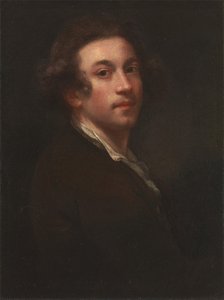
جيوشوا رينولدز
1723 - 1792 , المملكة المتحدة
لمحة سريعة
- Artistic Movement Or Style: الأسلوب الكبير
- Artists Or Movements Influenced By This Artist: ['تيوماس غاينسبرغ']
- Artists Who Influenced This Artist: ['تيوماس هودسون']
- Date Of Birth: 16 يوليو 1723م
- Date Of Death: 23 فبراير 1792م
- Full Name: Sir Joshua Reynolds
- Nationality: إنجليزية
- Notable Artworks:
- بيتر دارنيل مويلمان...
- السيد والسيدة ويليام ليندوو
- Place Of Birth: إيلمبتون، إنجلترا