معاينة الحجم الواقعي
 إرسال
إرسال مشاركة
 عرض التفاصيل
 دليل الأعمال الفنية للطلاب

 تحميل
تحميل
 قطع مشابهة
 الأشعة السينية
 عرض شرائح متتابع
 الإحصائيات
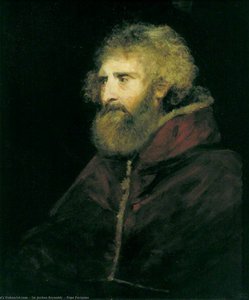
Piping Shepherd Boy
 Oil On Canvas
- WallArt
- Grand Style Portraiture
 94.0 x 64.0 cm
 National Trust
 اقرأ المزيد
طباعة جيلي / مطبوعات فنية
طباعة جيكلي أو كانفاس بجودة المتاحف، مع سرعة في التنفيذ وخيارات متنوعة للتشطيب. ( اطلب نسخة مرسومة يدويًا التحويل إلى الصورة الرقمية)




P118B $10

P118H $10

P118W $10

P438Z $10

P508JH $12

P508YH $12

P805H $10

P805Z $10

P919BZ $10

P919G $10

P919XJ $10

P959ZH $10

P968JZ $12

W106C $8

W218G $10

W218JH $8

W218Y $10

W307PJ $10

W316G $10

W316PJ $8

W316Y $10

W398PJ $8

W4111J $10

W500HY $15

W500JH $15

W692G $12

W849H $8

W940BG $15

W953PJ $8




اختر من بين أحجامنا المُعدّة مسبقاً والتي تتوافق مع النسب الأصلية للعمل الفني.

يمكنك إدخال أبعاد خاصة لتناسب إطاراً أو مساحة معينة. وفي حال عدم تطابق الحجم المختار مع نسب الصورة الأصلية، سنقوم إما بقص العمل الفني أو تمديد الصورة باستخدام حافة معكوسة أو لون مصمت. وسيتم إرسال نموذج تجريبي رقمي لاعتمادك قبل بدء عملية الإنتاج.
يرجى ملاحظة أن المعاينة على الشاشة لا تعكس عملية القص أو التمديد الفعلية؛ حيث سيوضح النموذج التجريبي فقط التكوين النهائي بدقة.
وعلى الرغم من توفر أحجام مخصصة، إلا أننا نوصي باختيار أبعاد من القائمة المحددة مسبقاً للحفاظ على النسب الأصلية.
توصيل عالمي إلى خلال أسبوعين بدلاً من المدة القياسية البالغة 4/5 أسابيع. (25 سبتمبر)

شحن سريع ومجاني لجميع أنحاء العالم

قماش كتان فاخر

تأمين شامل على الشحن

ضمان استرداد الرسوم الجمركية

ضمان دقة مطابقة الألوان

سياسة الإرجاع خلال 100 يوم (في حالات العيوب فقط)

ضمان استرداد نقدي بنسبة 100%

عرض خصم الكميات
 خيار الزجاج متاح فقط للمقاسات التي تقل عن 110 سم

Piping Shepherd Boy
طباعة جيلي / مطبوعات فنية
مقاس النسخة المطبوعة
-


إجمالي السعر
$ 80
A Shepherd’s Serenity: Sir Joshua Reynolds' "Piping Shepherd Boy"
Sir Joshua Reynolds’ “Piping Shepherd Boy,” painted circa 1743, isn’t merely a portrait; it’s a carefully constructed tableau of idyllic English life, imbued with the intellectual and aesthetic currents of the Enlightenment. This captivating work, now housed within the collections of the National Trust at Antony House in Cornwall, offers a glimpse into a world where rustic charm and aristocratic patronage intertwined seamlessly. Reynolds, a pivotal figure in shaping British art, masterfully employed his signature “Grand Style,” prioritizing elegance, idealized beauty, and a profound understanding of social dynamics – elements that resonate powerfully even today.
The scene unfolds with remarkable clarity: a young boy, no older than ten, stands bathed in the golden light of late afternoon. He’s completely absorbed in playing his pipe, his mouth open in a gesture of focused delight, while two loyal dogs attentively watch over him. The landscape behind is rendered with a subtle yet effective blend of atmospheric perspective – rolling hills and distant trees suggesting both vastness and intimacy. Notice the careful attention to detail; the boy’s simple brown coat, the texture of his hair, even the slight furrow in his brow all contribute to a sense of palpable realism, despite the idealized setting.
The Grand Style: Technique and Composition
Reynolds' “Grand Style” wasn’t simply about replicating reality; it was about elevating it. He meticulously studied classical art, particularly the works of Raphael and Poussin, adopting their techniques of balanced composition, harmonious color palettes, and a focus on capturing the essence of his subjects rather than merely their physical likeness. The painting's pyramidal structure – anchored by the boy and extending upwards towards the sky – creates a sense of stability and order. The use of soft brushstrokes and subtle gradations of light and shadow contributes to an overall feeling of warmth and serenity.
Technically, Reynolds employed a sophisticated stipple and etching technique, creating a delicate surface texture that adds depth and richness to the image. The browns and ochres dominate the palette, evoking the earthy tones of the countryside – a deliberate choice that reinforces the painting’s pastoral theme. The subtle variations in color create a sense of atmospheric perspective, drawing the viewer's eye into the distance.
Symbolism and Context: A Portrait of an Age
“Piping Shepherd Boy” is more than just a pretty picture; it’s a reflection of the social and intellectual climate of 18th-century England. The subject, a young shepherd boy, represents innocence, rural virtue, and the connection to nature – values that were highly prized during this period. The presence of the dogs symbolizes loyalty and companionship, further reinforcing the painting's themes of harmony and contentment.
Furthermore, the commission itself speaks volumes about the era’s social dynamics. Reynolds was a court painter, catering to the tastes of wealthy aristocrats who sought to surround themselves with images that celebrated their own status and reflected idealized notions of country life. The painting's popularity during its time underscores this connection between art and patronage.
Emotional Resonance: A Moment of Quiet Joy
Despite its historical context, “Piping Shepherd Boy” continues to resonate emotionally today. The boy’s expression – a mixture of concentration and pure joy – is utterly captivating. There's an undeniable sense of peace and tranquility emanating from the scene, inviting the viewer to step into this idyllic world and share in his simple pleasures. It’s a reminder of the enduring appeal of nature, innocence, and the beauty of everyday moments.
Reproductions of this iconic work offer a wonderful opportunity to bring this timeless image into your home or office. Whether you're drawn to its elegant composition, its rich color palette, or its evocative symbolism, “Piping Shepherd Boy” remains a testament to Sir Joshua Reynolds’ genius and a cherished symbol of the English countryside.
نبذة عن الفنان
Sir Joshua Reynolds (1723 - 1792): Luminary of the Enlightenment
Sir Joshua Reynolds, born in Plymouth, Devon, England, on July 16, 1723, stands as one of the most influential figures in British art history—a true luminary of the Enlightenment. His father, Reverend Samuel Reynolds, instilled within him a profound appreciation for scholarship and intellectual pursuits, guiding young Joshua towards a path rooted in classical learning. Yet, an undeniable passion for artistic expression swiftly emerged, propelling him toward an apprenticeship with Thomas Hudson in London at the tender age of seventeen—a formative experience that would forge his mastery of portraiture, establishing it as his defining vocation. Hudson’s studio pulsed with the energy of aristocratic society, exposing Reynolds to the exacting standards and aspirations of wealthy patrons—influences that profoundly shaped not only his technique but also his understanding of the cultural landscape he sought to portray with unparalleled grace and sophistication.Early Life and Artistic Formation
Reynolds' upbringing nurtured a keen interest in humanist ideals and fostered a meticulous attention to detail—qualities that would serve him exceptionally well during his apprenticeship under Thomas Hudson. Hudson’s studio was more than just a workspace; it was a crucible of artistic innovation, where Reynolds absorbed the precepts of Venetian Baroque painting and honed his skills in capturing likeness with remarkable accuracy. He diligently studied the works of Rembrandt van Rijn and Anthony van Dyck—masters who championed dramatic composition and psychological insight—drawing inspiration from their stylistic choices and techniques. This early exposure to artistic excellence laid the groundwork for Reynolds’s subsequent explorations into classical art and humanist philosophy, shaping his worldview and informing his artistic vision.The Influence of Rome and the Grand Style
A pivotal moment in Reynolds' artistic development arrived in 1750 when he embarked on a transformative journey to Rome—a pilgrimage that would solidify his allegiance to the ‘Grand Style,’ an aesthetic championed by Raphael, Michelangelo, and Titian. This approach prioritized idealized beauty, harmonious proportions, and erudite allusions to mythology and history—reflecting the intellectual fervor of the era and elevating portraiture beyond mere representation into a realm of symbolic significance. Reynolds immersed himself in the artistic treasures of the Vatican Museums and engaged in spirited discussions with fellow artists—absorbing the lessons of antiquity and refining his technique under the tutelage of influential masters. The Roman experience instilled within him an unwavering belief that art should aspire to moral grandeur, mirroring the virtues of noble character and embodying the ideals of civilized society.Reynolds’s Artistic Legacy: Portraiture Elevated
Reynolds returned to England armed with a newfound conviction—a determination to revolutionize British portraiture by rejecting the prevailing sentimental conventions of his time. He rejected the saccharine depictions favored by earlier artists, insisting instead on portraying subjects with dignity and intellectual depth—capturing not just their physical appearance but also their inner life and social standing. This ambition demanded meticulous observation, astute psychological analysis, and masterful execution—skills that Reynolds honed relentlessly throughout his prolific career. His portraits are characterized by a remarkable blend of realism and idealism—a deliberate effort to convey both the outward form and the inward essence of his subjects. Notable among Reynolds’s masterpieces is *Peter Darnell Muilman*, Charles Crokatt and William Keable in a Landscape (National Gallery), which exemplifies his innovative use of atmospheric perspective and dramatic lighting—techniques that imbue the scene with palpable emotion and convey a sense of grandeur. Similarly, *Mr and Mrs William Lindow* showcases Reynolds’s ability to capture the subtleties of domestic life—revealing intimate details of character and conveying a profound understanding of human relationships. His portraits of prominent figures—including Duke of Devonshire, Lord Chesterfield, and Sir Thomas Lawrence—stand as enduring symbols of British aristocracy and intellectual achievement—testaments to his unparalleled skill in capturing likeness and embodying the spirit of an era. Reynolds’s influence extended far beyond his own canvases—inspiring generations of artists who embraced his vision for a dignified and intellectually stimulating form of portraiture. He remains, unequivocally, one of Britain's greatest artistic innovators—a figure whose legacy continues to resonate with audiences worldwide.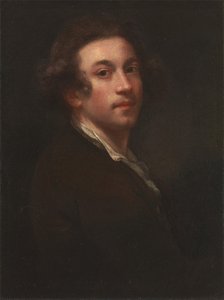
جيوشوا رينولدز
1723 - 1792 , المملكة المتحدة
لمحة سريعة
- Artistic Movement Or Style: الأسلوب الكبير
- Artists Or Movements Influenced By This Artist: ['تيوماس غاينسبرغ']
- Artists Who Influenced This Artist: ['تيوماس هودسون']
- Date Of Birth: 16 يوليو 1723م
- Date Of Death: 23 فبراير 1792م
- Full Name: Sir Joshua Reynolds
- Nationality: إنجليزية
- Notable Artworks:
- بيتر دارنيل مويلمان...
- السيد والسيدة ويليام ليندوو
- Place Of Birth: إيلمبتون، إنجلترا
مقالات ذات صلة
Sir Joshua Reynolds' Masterpieces: 25 Portraits of Power & Refinement | OriginalUniqueArt
Explore 25 captivating portraits by Sir Joshua Reynolds, a master of British art. Discover stories behind his iconic paintings, elegant style & historical influence. Find museum-quality reproductions and elevate your home decor on OriginalUniqueArt.com.
Mastering the Light: An Art Historian's Guide to the Grand Style of Sir Joshua Reynolds
Explore the luminous legacy of Sir Joshua Reynolds. Discover how the master of the 'Grand Style' used dramatic light and classical elegance to define 18th-century British portraiture in this expert art history guide for collectors and enthusiasts.
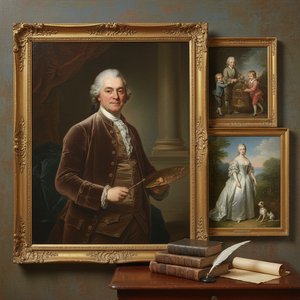
Sir Joshua Reynolds: Shaping British Art Through Grand Style & Societal Portraiture
Explore the life & work of Sir Joshua Reynolds, a master of British portraiture and founder of the Royal Academy. Discover his 'Grand Style,' techniques, and lasting influence on art history. Learn more at OriginalUniqueArt.
أروع 25 تحفة فنية في المتحف البريطاني بلندن: تاريخ، فن، وديكور فاخر
اكتشف أروع 25 تحفة فنية في المتحف البريطاني بلندن! قصص روائع رامبرانت، فان جوخ، وغيرهم. لوحات كلاسيكية، ديكور فاخر، ونسخ أصلية عالية الجودة على OriginalUniqueArt.com.

Thomas H. Shepherd: Capturing Victorian London's Essence Through Topographical Precision
Explore the exquisite topographical paintings of Thomas H. Shepherd, renowned for his detailed depictions of Victorian London and beyond. Discover his legacy & artistic techniques.