معاينة الحجم الواقعي
 إرسال
إرسال مشاركة
 عرض التفاصيل
 دليل الأعمال الفنية للطلاب

 تحميل
تحميل
 قطع مشابهة
 الأشعة السينية
 عرض شرائح متتابع
 Q&A
Q&A الإحصائيات
Self-Portrait
 Acrylic On Canvas
- WallArt
- Baroque Portraiture
 1632
1632 79.0 x 62.0 cm
 غاليريا أوفيزي
 اقرأ المزيد
طباعة جيلي / مطبوعات فنية
طباعة جيكلي أو كانفاس بجودة المتاحف، مع سرعة في التنفيذ وخيارات متنوعة للتشطيب. ( اطلب نسخة مرسومة يدويًا التحويل إلى الصورة الرقمية)




P118B E£10

P118H E£10

P118W E£10

P438Z E£10

P508JH E£12

P508YH E£12

P805H E£10

P805Z E£10

P919BZ E£10

P919G E£10

P919XJ E£10

P959ZH E£10

P968JZ E£12

W106C E£8

W218G E£10

W218JH E£8

W218Y E£10

W307PJ E£10

W316G E£10

W316PJ E£8

W316Y E£10

W398PJ E£8

W4111J E£10

W500HY E£15

W500JH E£15

W692G E£12

W849H E£8

W940BG E£15

W953PJ E£8




اختر من بين أحجامنا المُعدّة مسبقاً والتي تتوافق مع النسب الأصلية للعمل الفني.

أدخل العرض والارتفاع اللذين تحتاجهما، ليتناسب مع إطارك أو جدارك. يمكن قص المطبوعة فقط، ولا يمكن أبداً جعلها أكبر من الصورة الأصلية، لذا فإن أي مقاس بشكل مختلف سيؤدي إلى فقدان جزء من الصورة. سنرسل لك نموذجاً رقمياً تجريبياً لاعتماده قبل البدء في عملية الطباعة. الصورة المعروضة في هذه الصفحة لا توضح القص الفعلي — النموذج التجريبي فقط هو ما يظهر ذلك.
توصيل عالمي إلى خلال أسبوعين بدلاً من المدة القياسية البالغة 4/5 أسابيع. (31 أكتوبر)

شحن سريع ومجاني لجميع أنحاء العالم

قماش كتان فاخر

تأمين شامل على الشحن

ضمان استرداد الرسوم الجمركية

ضمان دقة مطابقة الألوان

سياسة الإرجاع خلال 100 يوم (في حالات العيوب فقط)

ضمان استرداد نقدي بنسبة 100%

عرض خصم الكميات
 خيار الزجاج متاح فقط للمقاسات التي تقل عن 110 سم

Self-Portrait
طباعة جيلي / مطبوعات فنية
مقاس النسخة المطبوعة
-


إجمالي السعر
E£ 4182
A Portrait of Power and Grace: Sir Anthony van Dyck’s Self-Portrait
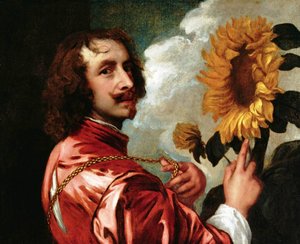
Sir Anthony van Dyck's 1632 self-portrait offers an intimate glimpse into the mind of one of the most celebrated portraitists of the Baroque era. More than a simple likeness, this painting is a carefully constructed statement about artistic identity, ambition, and the burgeoning confidence of a rising star. Measuring a modest 79 x 62 cm, it’s deceptively rich in detail – a testament to van Dyck's meticulous technique and his profound understanding of human form and expression. The blurred background immediately draws the eye to the central figure, emphasizing his presence and inviting us into a private moment.
Van Dyck, born in Antwerp in 1599, rapidly ascended through the ranks of Flemish art, initially apprenticed under Hendrick van Balen before finding his true voice under the tutelage of Peter Paul Rubens. This formative period instilled within him a deep appreciation for dynamic composition, vibrant color palettes, and masterful use of light – elements that would become hallmarks of his distinctive style. However, unlike Rubens’ often theatrical grandeur, Van Dyck cultivated an elegance and refinement, a subtle sophistication that quickly established him as the premier court painter in England.
The Anatomy of Confidence: Style and Technique
Painted during a pivotal period of his career – just before he secured his position at Charles I's court – this self-portrait reveals much about Van Dyck’s artistic approach. Note the remarkably realistic depiction of his features, achieved through careful observation and an understanding of anatomy gleaned from extensive study. The slightly turned head, with its direct gaze towards the viewer, conveys a sense of quiet authority and engagement. His meticulously rendered beard, a fashionable trend at the time, adds to the image’s dignified composure.
Van Dyck's mastery lies not just in his ability to capture likeness but also in his skillful manipulation of light and shadow. The soft, diffused lighting creates a sense of depth and volume, highlighting the contours of his face and clothing. The subtle gradations of tone – from the dark shadows beneath his chin to the highlights on his forehead – contribute significantly to the painting’s overall atmosphere of serenity and self-assuredness. He employed a technique known as *sfumato*, borrowed from Leonardo da Vinci, creating hazy outlines that soften edges and add an ethereal quality.
Symbolism and Context: A Royal Portraitist
The black shirt worn by Van Dyck is significant; it was the color of choice for court painters at the time, signifying their status and connection to royalty. The rope around his neck, a seemingly simple detail, could be interpreted as a subtle reference to mortality – a poignant reminder of the artist’s own fleeting existence. It's also possible that it represents the burdens and responsibilities associated with his prestigious position.
This self-portrait was created during a period of immense artistic and political change in England. Charles I, who commissioned many of Van Dyck’s portraits, sought to project an image of strength and stability – qualities reflected in the artist's carefully crafted depiction of himself. Van Dyck’s success at court solidified his reputation as a leading figure in English art, influencing generations of portrait painters to come. The painting stands as a powerful symbol of artistic ambition, personal identity, and the enduring legacy of one of the Baroque era’s greatest talents.
Bringing Van Dyck's Vision Home: A Hand-Painted Reproduction
OriginalUniqueArt offers exquisite, hand-painted reproductions of Sir Anthony van Dyck’s “Self-Portrait.” Each reproduction is meticulously crafted by skilled artists who have painstakingly studied the original, ensuring an unparalleled level of accuracy and detail. Unlike digital prints, our hand-painted reproductions capture the nuances of Van Dyck's technique – the subtle gradations of light, the delicate brushstrokes, and the overall atmosphere of elegance and grace. Whether you’re a seasoned art collector or simply seeking to add a touch of Baroque sophistication to your interior design, a OriginalUniqueArt reproduction of this iconic portrait is an investment in timeless beauty and artistic excellence.
Explore the full artwork details and order your hand-painted reproduction today: Click Here
الأسئلة والأجوبة
من هو مؤلف "Self-Portrait"، وفي أي مدرسة فنية؟
أبدع أنتوني فان دايك لوحة "Self-Portrait" ضمن حركة Baroque Portraiture.
عن ماذا يتحدث "Self-Portrait"؟
تُصور "Self-Portrait" للفنان أنتوني فان دايك: portraiture, baroque, dutch art, van dyck, england, nobleman, rope, mystery.
أين يجب تعليق نسخة من "Self-Portrait" للفنان أنتوني فان دايك؟
بفضل شكلها الـ Portrait، يُقترح وضع نسخة من "Self-Portrait" في Living Room.
نبذة عن الفنان
أنتوني فان دايك: رسام البلاط ورمز الأناقة في عصر الباروك
في قلب مدينة أنتويرب النابضة بالحياة، بزغ نجم أنتوني فان دايك عام 1599، ليصبح أحد أبرز فناني البورتريه في عصر الباروك. لم تكن حياته القصيرة، التي انتهت بشكل مأساوي عن عمر يناهز الخامسة والأربعين، مجرد سلسلة من الأعمال الفنية الرائعة، بل كانت رحلة استكشاف فني حافلة بالمهام النبيلة والتقاليد الراقية التي قادته من مسقط رأسه في فلاندرز إلى إيطاليا ثم إلى قلب بلاط الملك الإنجليزي. منذ نعومة أظفاره، أظهر فان دايك موهبة استثنائية، حيث دخل ورشة هنريك فان بالين كمتدرب شاب وسرعان ما امتص الأساليب السائدة في ذلك العصر. إلا أن ارتباطه ببطرس بولس روبنز – ليس كمجرد تلميذ فحسب، بل كشريك – هو الذي شكل حقًا الأساس الفني له. تعلم من روبنز التراكيب الديناميكية ولوحات الألوان الغنية والتعامل المتقن مع الضوء والظل، لكن فان دايك سرعان ما بدأ في رسم طريقه الخاص، يتميز بالأناقة والرقي اللذين سيصبحان علامة تجارية مميزة له.رحلة إلى إيطاليا: ولادة أسلوب فريد
أثبتت السنوات التي قضاها فان دايك في إيطاليا، بدءًا من عام 1621 تقريبًا، أنها حاسمة في تطوره الفني. استقر بشكل أساسي في جنوة، حيث نال استحسان عائلات النبلاء في المدينة. هنا بدأ في صقل الأسلوب المتطور الذي سيشتهر به – أسلوب يتسم بوضعية رشيدة وأقمشة فاخرة وإحساس ملموس بالنبل. على عكس الطاقة القوية التي غالبًا ما توجد في أعمال روبنز، تنضح صور فان دايك الإيطالية بهدوء مصقول، حيث تلتقط ليس فقط التشابه الجسدي ولكن أيضًا الشخصية الداخلية والمركز الاجتماعي لمرضاه. خلال هذه الفترة، انطلق أيضًا في *أيقونغرافيا* الخاصة به، وهي سلسلة من النقوش المرسومة بدقة تصور شخصيات بارزة من عصره – فنانين وعلماء وحكام على حد سواء. أظهر هذا المشروع مهاراته التقنية الاستثنائية وأرسى مكانته كصانع نقوش رائد. لم تكن هذه النقوش مجرد سجلات؛ بل كانت صورًا مصممة بعناية تهدف إلى إحياء الشخصيات ونقل مكانتها وذكائها.رسم الملك: فان دايك في إنجلترا
في عام 1632، تلقى فان دايك دعوة ستغير مسيرته المهنية إلى الأبد – دعوة من الملك تشارلز الأول ملك إنجلترا ليصبح رسام البلاط. شكل هذا التعيين نقطة تحول، ليس فقط لفان دايك ولكن أيضًا للرسم بالبورتريه الإنجليزي. وصل إلى لندن بسمعة طيبة وسرعان ما أصبح لا غنى عنه للملك، مكلفًا بإنشاء صور تنقل هالة من السلطة والمهابة والحق الإلهي. تعتبر صور تشارلز الأول التي رسمها فان دايك ذات أهمية خاصة؛ لقد ابتعد عن التمثيلات الجامدة والرسمية التي فضلها الفنانون السابقون، بل صور الملك كزعيم ديناميكي وكاريزمي. استخدم تقنيات مبتكرة – إضاءة درامية وإيماءات واسعة وخلفيات مختارة بعناية – لإنشاء صور كانت مذهلة بصريًا ومثيرة للإعجاب سياسيًا. امتد تأثيره إلى ما وراء العائلة المالكة، وشكل الثقافة المرئية للأرستقراطية الإنجليزية لأجيال قادمة. لم يكن يرسم ببساطة صورًا؛ بل كان يصنع صورة للملكية، مما أثر على كيفية تصور النبلاء لعدة قرون.إرث وتأثير دائم
لقد حرم الموت المبكر لفان دايك عام 1641 عالم الفن من موهبة عظيمة، لكن إرثه باقٍ حتى اليوم. تأثيره على الرسم بالبورتريه الإنجليزي لا يقدر بثمن؛ لقد وضع معيارًا للأناقة والرقي سيسعى الفنانون اللاحقون لتقليده.- ابتكار تقني: كان سيدًا في كل من الرسم الزيتي والنحت، ويتجرب باستمرار في تقنيات جديدة.
- تحسين الأسلوب: تتميز صورته بوضعية رشيدة وأقمشة فاخرة ورؤى نفسية دقيقة.
- تأثير البلاط: لقد حول صورة الملكية الإنجليزية، وخلق لغة بصرية للسلطة والبرستيج.
أنتوني فان دايك
1599 - 1641 , بلجيكا
لمحة سريعة
- الأعمال البارزة:
- بورتريه لامرأة وطفل
- صورة فارسية لشارل الأول
- اللورد جون ستيوارت وشقيقه
- الصدقة
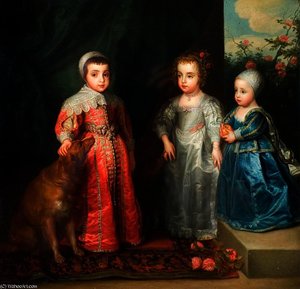
- شارل الأول في ثلاث وضعيات
- رينالد وأرميدا
- الاسم الكامل: السير أنتوني فان دايك
- الجنسية: بلجيكي
- الحركات الفنية المتأثرة: ['فن الرسم بالبورتريه الإنجليزي']
- الحركة الفنية: باروك
- الفنانون المؤثرون: ['بيتر بول روبنز']
- تاريخ الميلاد: 22 مارس 1599
- مكان الميلاد: أنتويرب، بلجيكا
مقالات ذات صلة

Flemish Baroque: The Ultimate Masterclass in Dramatic Light, Opulent Detail, and Visual Impact
Discover the breathtaking drama of Flemish Baroque art. Explore the mastery of Rubens and Van Dyck through an expert lens, focusing on chiaroscuro, opulent detail, and the emotional intensity that defines this legendary era of visual impact.

أعمال ريمبراند فان راين الخالدة: 25 تحفة فنية آسرة لديكور منزلك
اكتشف 25 تحفة فنية لريمبراند فان راين، رائد العصر الذهبي الهولندي. استكشف قصص لوحاته الشهيرة وتقنيات الرسم المذهلة. احصل على إعادة إنتاج عالية الجودة لديكور منزلك الفاخر على OriginalUniqueArt.com
Reflecting the Self: A History of Portraiture & Psychological Insight
Explore the fascinating history of self-portraiture from Renaissance masters like Dürer & Rembrandt to modern interpretations. Discover the psychological insights and artistic techniques behind these iconic works. Expert analysis for art enthusiasts.
The Grandeur of Baroque Portraiture: Power, Emotion & Artistic Innovation
Explore the grandeur of Baroque portraiture! Discover Rubens, Van Dyck & the masters of 17th-century art. Uncover symbolism, techniques & lasting influence. Expert insights for collectors and enthusiasts.
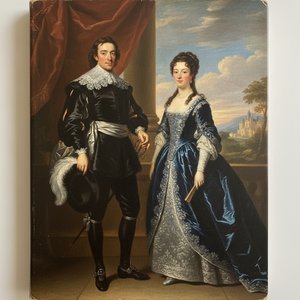
Sir Anthony van Dyck: Courtly Portraiture & the Shaping of Baroque Identity
Explore the life & legacy of Sir Anthony van Dyck, the leading court painter of his era. Discover his innovative portraiture, Baroque masterpieces, and investment potential for discerning collectors. Learn more at OriginalUniqueArt.