معاينة الحجم الواقعي
 إرسال
إرسال مشاركة
 عرض التفاصيل
 دليل الأعمال الفنية للطلاب

 تحميل
تحميل
 قطع مشابهة
 الأشعة السينية
 عرض شرائح متتابع
 الإحصائيات
Saint Sebastian
 Acrylic On Canvas
- WallArt
- Baroque
 189.0 x 144.0 cm
 Chrysler Museum of Art
 اقرأ المزيد
نسخة زيتية مصنوعة يدوياً
لوحة زيتية مرسومة يدوياً على الكانفاس بالمقاس والإطار الذي تفضله، تُنفذ حسب الطلب على أيدي فنانينا. ( التبديل إلى المطبوعات التحويل إلى الصورة الرقمية)




P118B E£10

P118H E£10

P118W E£10

P438Z E£10

P508JH E£12

P508YH E£12

P805H E£10

P805Z E£10

P919BZ E£10

P919G E£10

P919XJ E£10

P959ZH E£10

P968JZ E£12

W106C E£8

W218G E£10

W218JH E£8

W218Y E£10

W307PJ E£10

W316G E£10

W316PJ E£8

W316Y E£10

W398PJ E£8

W4111J E£10

W500HY E£15

W500JH E£15

W692G E£12

W849H E£8

W940BG E£15

W953PJ E£8




اختر من بين أحجامنا المُعدّة مسبقاً والتي تتوافق مع النسب الأصلية للعمل الفني.

أدخل العرض والارتفاع اللذين تحتاجهما، ليتناسب العمل مع إطارك أو جدارك. وبما أن هذه اللوحة مرسومة يدوياً، ففي حال اختيار مقاس بشكل مختلف، يمكن للفنان رسم مساحة إضافية حول الصورة أو تقليصها قليلاً — الخيار لك. سنرسل لك نموذجاً رقمياً تجريبياً لاعتماده قبل البدء في الرسم. علماً بأن الصورة المعروضة في هذه الصفحة لا تعكس النتيجة النهائية الحقيقية — فالنموذج التجريبي هو الوحيد الذي يوضح ذلك بدقة.
بعد إتمام الطلب، سيرسل فريق OriginalUniqueArt.com بريداً إلكترونياً للعميل لطلب التعليمات وتزويده بمعاينة تجريبية (mockup).
توصيل عالمي إلى خلال 3 إلى 4 أسابيع بدلاً من المدة المعتادة البالغة 5 أسابيع. (26 أكتوبر). جودة لا تهاون فيها.

شحن سريع ومجاني لجميع أنحاء العالم

قماش كتان فاخر

تأمين شامل على الشحن

ضمان استرداد الرسوم الجمركية

ضمان دقة مطابقة الألوان

سياسة الإرجاع خلال 100 يوم (في حالات العيوب فقط)

ضمان استرداد نقدي بنسبة 100%

عرض خصم الكميات
 خيار الزجاج متاح فقط للمقاسات التي تقل عن 110 سم

Saint Sebastian
وسيط إعادة الإنتاج
مقاس النسخة المطبوعة
-


إجمالي السعر
E£ 15513
The Silent Strength of Suffering
Sir Anthony van Dyck’s “Saint Sebastian,” painted circa 1627-32, isn't merely a depiction of a biblical martyr; it’s a profound meditation on endurance, faith, and the quiet dignity found within suffering. Van Dyck, already establishing his signature style – characterized by an almost ethereal beauty and a masterful command of light – chose to portray a pivotal moment in Sebastian’s legend: the preparation for his brutal execution. Rather than focusing on the violent act itself, he captures the saint's stoic composure as he awaits his fate, transforming a scene of impending death into one of remarkable serenity.
The composition immediately draws the eye to Sebastian himself – a figure of startling youth and almost unnerving beauty amidst the grim reality surrounding him. He’s bound tightly, his arms and legs secured with ropes, yet his gaze is fixed outward, not inward upon his wounds. This deliberate direction of his eyes creates an intimate connection with the viewer, inviting us into his inner world of unwavering faith. The palette is restrained – a muted range of browns, ochres, and subtle blues – contributing to the painting’s solemn atmosphere. Van Dyck's use of chiaroscuro—the dramatic contrast between light and shadow—further emphasizes Sebastian’s isolation and vulnerability, highlighting the stark beauty of his face and the textures of his clothing.
A Renaissance Echo: Symbolism and Context
To understand “Saint Sebastian,” it's crucial to consider the broader context of the early 17th century. The painting emerged during a period of intense religious fervor, following the Counter-Reformation, where depictions of martyrdom served as powerful tools for inspiring piety and reinforcing Catholic doctrine. However, Van Dyck’s portrayal transcends simple propaganda. He doesn't glorify violence; instead, he elevates Sebastian to an archetype of spiritual fortitude. The scene echoes Renaissance ideals of humanism – a focus on the dignity and potential of humanity—while simultaneously embracing the Christian narrative of sacrifice and redemption.
The inclusion of Saint Irene and her attendants, rendered in a softer, more luminous style, adds another layer of complexity to the composition. They represent divine compassion and offer a poignant contrast to Sebastian’s solitary strength. The figures are not actively intervening; rather, they provide a silent witness to his suffering, reinforcing the idea that faith is often found not in grand gestures but in quiet perseverance.
Technique and Van Dyck's Signature
Van Dyck’s technical mastery is evident throughout “Saint Sebastian.” His brushwork is remarkably smooth and refined, creating a sense of almost photographic realism. He skillfully renders the textures of Sebastian’s clothing – the rough weave of his tunic, the tautness of the ropes—and the subtle details of his face, capturing the delicate contours of his features with astonishing precision. The artist's use of black paint is particularly noteworthy; it’s not simply a color but a tool for creating depth and drama, emphasizing the shadows that engulf Sebastian and highlighting his luminous complexion.
Interestingly, Van Dyck frequently employed a technique known as *pentimento*, subtly altering details in the painting after completion. This is most evident in the feathered arrow piercing Sebastian’s torso – a small but significant adjustment that suggests the artist was continually refining his composition until he achieved the desired effect. This meticulous attention to detail speaks volumes about Van Dyck's dedication to his craft and his desire to capture not just an image, but a profound emotional truth.
A Legacy of Grace and Resilience
“Saint Sebastian” remains one of Van Dyck’s most compelling works, embodying the artist’s unique blend of elegance, sensitivity, and technical brilliance. It's a painting that invites contemplation—a reminder that true strength lies not in physical prowess but in unwavering faith and the ability to face adversity with grace and dignity. Today, reproductions of this iconic image continue to resonate with viewers, offering a timeless testament to the enduring power of human spirit.
الأسئلة والأجوبة
ما الأجواء التي سيضفيها اقتناء نسخة من "Saint Sebastian" للفنان أنتوني فان دايك على الغرفة؟
تتمتع لوحة "Saint Sebastian" للفنان أنتوني فان دايك بأجواء Elegant، ويُنصح بوضعها في Living Room. والمقصود بالحالة المزاجية هو ما يضفيه العمل الفني على المساحة المحيطة به.
هل بقيت "Saint Sebastian" في الموطن الأصلي لفنانها؟
لا - العمل الفني محفوظ خارج البلاد. تُعرض لوحة "Saint Sebastian" في الولايات المتحدة الأمريكية، بينما وُلد أنتوني فان دايك في بلجيكا.
هل ألوان "Saint Sebastian" للفنان أنتوني فان دايك مشبعة أم خافتة؟
تتميز ألوان "Saint Sebastian" للفنان أنتوني فان دايك بدرجة تشبع Muted. ويصف التشبع مدى حيوية الألوان أو خفوتها.
نبذة عن الفنان
أنتوني فان دايك: رسام البلاط ورمز الأناقة في عصر الباروك
في قلب مدينة أنتويرب النابضة بالحياة، بزغ نجم أنتوني فان دايك عام 1599، ليصبح أحد أبرز فناني البورتريه في عصر الباروك. لم تكن حياته القصيرة، التي انتهت بشكل مأساوي عن عمر يناهز الخامسة والأربعين، مجرد سلسلة من الأعمال الفنية الرائعة، بل كانت رحلة استكشاف فني حافلة بالمهام النبيلة والتقاليد الراقية التي قادته من مسقط رأسه في فلاندرز إلى إيطاليا ثم إلى قلب بلاط الملك الإنجليزي. منذ نعومة أظفاره، أظهر فان دايك موهبة استثنائية، حيث دخل ورشة هنريك فان بالين كمتدرب شاب وسرعان ما امتص الأساليب السائدة في ذلك العصر. إلا أن ارتباطه ببطرس بولس روبنز – ليس كمجرد تلميذ فحسب، بل كشريك – هو الذي شكل حقًا الأساس الفني له. تعلم من روبنز التراكيب الديناميكية ولوحات الألوان الغنية والتعامل المتقن مع الضوء والظل، لكن فان دايك سرعان ما بدأ في رسم طريقه الخاص، يتميز بالأناقة والرقي اللذين سيصبحان علامة تجارية مميزة له.رحلة إلى إيطاليا: ولادة أسلوب فريد
أثبتت السنوات التي قضاها فان دايك في إيطاليا، بدءًا من عام 1621 تقريبًا، أنها حاسمة في تطوره الفني. استقر بشكل أساسي في جنوة، حيث نال استحسان عائلات النبلاء في المدينة. هنا بدأ في صقل الأسلوب المتطور الذي سيشتهر به – أسلوب يتسم بوضعية رشيدة وأقمشة فاخرة وإحساس ملموس بالنبل. على عكس الطاقة القوية التي غالبًا ما توجد في أعمال روبنز، تنضح صور فان دايك الإيطالية بهدوء مصقول، حيث تلتقط ليس فقط التشابه الجسدي ولكن أيضًا الشخصية الداخلية والمركز الاجتماعي لمرضاه. خلال هذه الفترة، انطلق أيضًا في *أيقونغرافيا* الخاصة به، وهي سلسلة من النقوش المرسومة بدقة تصور شخصيات بارزة من عصره – فنانين وعلماء وحكام على حد سواء. أظهر هذا المشروع مهاراته التقنية الاستثنائية وأرسى مكانته كصانع نقوش رائد. لم تكن هذه النقوش مجرد سجلات؛ بل كانت صورًا مصممة بعناية تهدف إلى إحياء الشخصيات ونقل مكانتها وذكائها.رسم الملك: فان دايك في إنجلترا
في عام 1632، تلقى فان دايك دعوة ستغير مسيرته المهنية إلى الأبد – دعوة من الملك تشارلز الأول ملك إنجلترا ليصبح رسام البلاط. شكل هذا التعيين نقطة تحول، ليس فقط لفان دايك ولكن أيضًا للرسم بالبورتريه الإنجليزي. وصل إلى لندن بسمعة طيبة وسرعان ما أصبح لا غنى عنه للملك، مكلفًا بإنشاء صور تنقل هالة من السلطة والمهابة والحق الإلهي. تعتبر صور تشارلز الأول التي رسمها فان دايك ذات أهمية خاصة؛ لقد ابتعد عن التمثيلات الجامدة والرسمية التي فضلها الفنانون السابقون، بل صور الملك كزعيم ديناميكي وكاريزمي. استخدم تقنيات مبتكرة – إضاءة درامية وإيماءات واسعة وخلفيات مختارة بعناية – لإنشاء صور كانت مذهلة بصريًا ومثيرة للإعجاب سياسيًا. امتد تأثيره إلى ما وراء العائلة المالكة، وشكل الثقافة المرئية للأرستقراطية الإنجليزية لأجيال قادمة. لم يكن يرسم ببساطة صورًا؛ بل كان يصنع صورة للملكية، مما أثر على كيفية تصور النبلاء لعدة قرون.إرث وتأثير دائم
لقد حرم الموت المبكر لفان دايك عام 1641 عالم الفن من موهبة عظيمة، لكن إرثه باقٍ حتى اليوم. تأثيره على الرسم بالبورتريه الإنجليزي لا يقدر بثمن؛ لقد وضع معيارًا للأناقة والرقي سيسعى الفنانون اللاحقون لتقليده.- ابتكار تقني: كان سيدًا في كل من الرسم الزيتي والنحت، ويتجرب باستمرار في تقنيات جديدة.
- تحسين الأسلوب: تتميز صورته بوضعية رشيدة وأقمشة فاخرة ورؤى نفسية دقيقة.
- تأثير البلاط: لقد حول صورة الملكية الإنجليزية، وخلق لغة بصرية للسلطة والبرستيج.
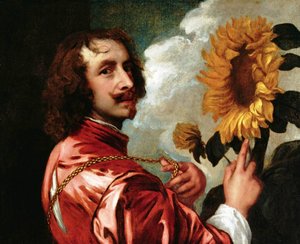
أنتوني فان دايك
1599 - 1641 , بلجيكا
لمحة سريعة
- الأعمال البارزة:
- بورتريه لامرأة وطفل
- صورة فارسية لشارل الأول
- اللورد جون ستيوارت وشقيقه
- الصدقة
- شارل الأول في ثلاث وضعيات
- رينالد وأرميدا
- الاسم الكامل: السير أنتوني فان دايك
- الجنسية: بلجيكي
- الحركات الفنية المتأثرة: ['فن الرسم بالبورتريه الإنجليزي']
- الحركة الفنية: باروك
- الفنانون المؤثرون: ['بيتر بول روبنز']
- تاريخ الميلاد: 22 مارس 1599
- مكان الميلاد: أنتويرب، بلجيكا
مقالات ذات صلة
The Grandeur of Baroque Portraiture: Power, Emotion & Artistic Innovation
Explore the grandeur of Baroque portraiture! Discover Rubens, Van Dyck & the masters of 17th-century art. Uncover symbolism, techniques & lasting influence. Expert insights for collectors and enthusiasts.

أعلى 10 روائع باروكية رسمت مسار الفن وجمالية الديكور | OriginalUniqueArt
اكتشف روائع عصر الباروك! استكشف 10 لوحات فنية خالدة مع كارافاجيو، رامبرانت وغيرهم. تاريخ الفن، أسلوب باروكي مذهل، و ديكور منزلي فاخر. تسوق إعادة إنتاج فني عالي الجودة على OriginalUniqueArt.com

أعمال ريمبراند فان راين الخالدة: 25 تحفة فنية آسرة لديكور منزلك
اكتشف 25 تحفة فنية لريمبراند فان راين، رائد العصر الذهبي الهولندي. استكشف قصص لوحاته الشهيرة وتقنيات الرسم المذهلة. احصل على إعادة إنتاج عالية الجودة لديكور منزلك الفاخر على OriginalUniqueArt.com

Charles-André van Loo: A Study in Rococo Portraiture & the French Court's Artistic Dynamics
Explore the elegant world of Charles-André van Loo, a master of Rococo portraiture at the French court. Discover his life, techniques, and enduring influence on 18th-century art. Hand-painted reproductions available.
Sir Anthony van Dyck: Courtly Portraiture & the Shaping of Baroque Identity
Explore the life & legacy of Sir Anthony van Dyck, the leading court painter of his era. Discover his innovative portraiture, Baroque masterpieces, and investment potential for discerning collectors. Learn more at OriginalUniqueArt.