
 إرسال
إرسال مشاركة
 عرض التفاصيل
 دليل الأعمال الفنية للطلاب

 تحميل
تحميل
 قطع مشابهة
 عرض شرائح متتابع
 الإحصائيات
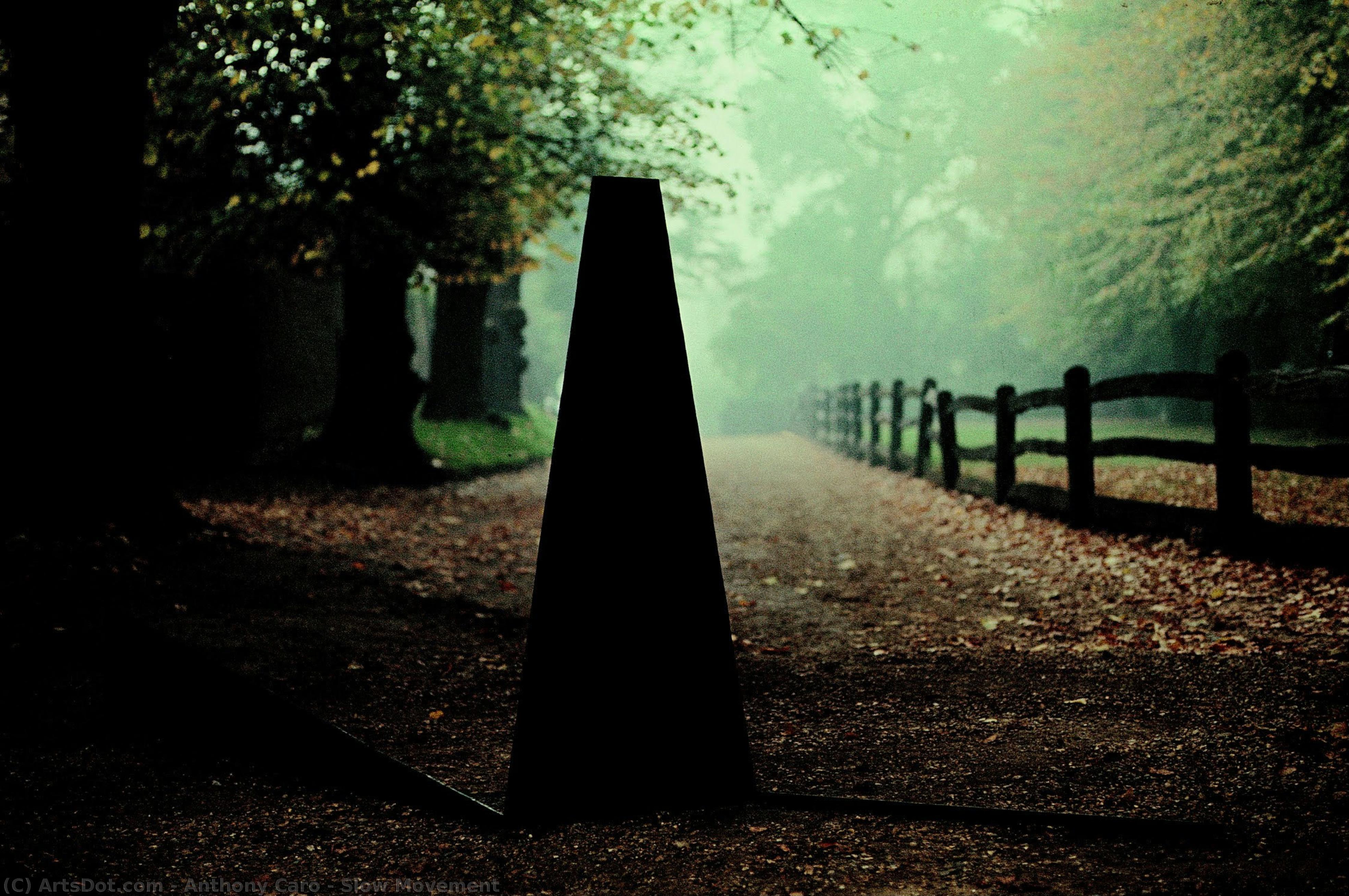
Slow Movement


 اقرأ المزيد
إن العمل الفني المعروض في هذه الصفحة محمي بموجب قوانين حقوق الطبع والنشر، مما يعني أنه لا يحق لنا قانوناً إنشاء أو بيع نسخ مطابقة له. وتُطبق هذه الحماية بموجب الاتفاقيات الدولية مثل الـ اتفاقية برن ووفقاً للقوانين الوطنية، بما في ذلك تلك المنصوص عليها في قانون حقوق الطبع والنشر في الولايات المتحدة - الباب 17.
تتوافق هذه الطريقة تماماً مع لوائح حقوق النشر لأنها لا تتضمن نسخ أو تكرار العمل الفني المحمي، بل هي إعادة تفسير إبداعية؛ أي أنها لوحة جديدة مستوحاة من الأصل ولكنها ليست مطابقة له.
طباعة جيلي / مطبوعات فنية
طباعة جيكلي أو كانفاس بجودة المتاحف، مع سرعة في التنفيذ وخيارات متنوعة للتشطيب. ( اطلب نسخة مرسومة يدويًا التحويل إلى الصورة الرقمية)




































اختر من بين أحجامنا المُعدّة مسبقاً والتي تتوافق مع النسب الأصلية للعمل الفني.

أدخل العرض والارتفاع اللذين تحتاجهما، ليتناسب مع إطارك أو جدارك. يمكن قص المطبوعة فقط، ولا يمكن أبداً جعلها أكبر من الصورة الأصلية، لذا فإن أي مقاس بشكل مختلف سيؤدي إلى فقدان جزء من الصورة. سنرسل لك نموذجاً رقمياً تجريبياً لاعتماده قبل البدء في عملية الطباعة. الصورة المعروضة في هذه الصفحة لا توضح القص الفعلي — النموذج التجريبي فقط هو ما يظهر ذلك.
توصيل عالمي إلى خلال أسبوعين بدلاً من المدة القياسية البالغة 4/5 أسابيع. (27 أكتوبر)

شحن سريع ومجاني لجميع أنحاء العالم

قماش كتان فاخر

تأمين شامل على الشحن

ضمان استرداد الرسوم الجمركية

ضمان دقة مطابقة الألوان

سياسة الإرجاع خلال 100 يوم (في حالات العيوب فقط)

ضمان استرداد نقدي بنسبة 100%

عرض خصم الكميات
 خيار الزجاج متاح فقط للمقاسات التي تقل عن 110 سم

Slow Movement
طباعة جيلي / مطبوعات فنية
مقاس النسخة المطبوعة
-


إجمالي السعر
E£ 4165
The Poetics of Form: Encountering Slow Movement
In the realm of modern abstraction, few works command the space with such quiet authority as Sir Anthony Caro’s Slow Movement. Created in 1965, this masterpiece serves as a profound testament to the evolution of British sculpture. At first glance, the work presents a striking geometric configuration—a deliberate arrangement of triangular planes and a singular bar, all unified by a deep, resonant blue that seems to vibrate against the eye. As noted by the critic Norbert Lynton, the sculpture possesses a rhythmic complexity; while it appears as a singular, cohesive entity, its structural components hint at a much more intricate architectural history. The interplay of these planes creates a deceptive sense of perspective, inviting the viewer to navigate a perceived depth that shifts and breathes as one moves around the piece.
The emotional resonance of Slow Movement lies in its ability to evoke motion through stillness. Despite being composed of rigid, industrial elements, the sculpture suggests a kinetic energy—a slow, deliberate unfolding of space. The deep blue coating does more than merely color the metal; it provides a soulful weight, transforming cold, industrial materials into something evocative and atmospheric. For the collector or the enthusiast of modernism, this work offers a meditative experience, pulling the observer into a dialogue between the physical presence of the steel and the ephemeral concept of movement through an unseen void.
A Revolution in Metal and Space
To understand the significance of Slow Movement, one must look to the radical shift in Caro’s artistic journey during the late 1950s. Moving away from the heavy, figurative traditions of his mentor Henry Moore, Caro underwent a metamorphosis following his transformative encounter with American Abstract Expressionism. Influenced by the bold, expansive works of David Smith and Kenneth Noland, he abandoned traditional modeling and the use of the pedestal. By placing his sculptures directly onto the floor, Caro dismantled the barrier between the artwork and the viewer’s reality. This technique brought the sculpture into a direct, unmediated relationship with the surrounding environment, making the ground itself an extension of the art.
In Slow Movement, this revolutionary approach is fully realized. The work does not sit atop a plinth, isolated from the world; instead, it occupies the floor as a participant in the room's architecture. This method allows the sculpture to interact with light, shadow, and the very air of the gallery or home. For interior designers and curators, this makes the piece an incredibly versatile element of spatial composition. It does not merely decorate a room; it redefines its boundaries, creating new focal points and directing the flow of visual energy throughout a sophisticated interior.
The Legacy of Industrial Elegance
The technique behind Slow Movement reflects Caro’s mastery over industrial materials. By manipulating steel and metal with the precision of an engineer—a nod to his early studies in engineering at Cambridge—he achieved a delicate balance between strength and lightness. The use of "found" or industrial components allowed him to strip away the ego of the sculptor's hand, focusing instead on the pure, sculptural truth of the material itself. This approach paved the way for a new era of assemblage art that would influence generations of artists worldwide.
For those seeking to bring the prestige of mid-century modernism into their private collections or professional spaces, a high-quality reproduction of Slow Movement offers an unparalleled opportunity. It serves as a sophisticated anchor for contemporary decor, embodying a timeless elegance that transcends fleeting trends. Whether placed in a sunlit studio or a minimalist corporate lobby, the sculpture’s deep blues and sharp geometries provide a sense of intellectual depth and aesthetic permanence, making it a truly captivating centerpiece for any discerning art lover.
الأسئلة والأجوبة
ما هو اتجاه لوحة "Slow Movement" للفنان Sir Anthony Alfred Caro؟
تُعد "Slow Movement" للفنان Sir Anthony Alfred Caro تكويناً Landscape. ويُنصح بمراجعة الأبعاد قبل اختيار حجم الطباعة.
هل يمكنني استخدام تقنية الواقع المعزز لرؤية "Slow Movement" للفنان Sir Anthony Alfred Caro في غرفتي؟
يمكنك معاينة "Slow Movement" للفنان Sir Anthony Alfred Caro على جدارك الخاص عبر صفحة معاينة الواقع المعزز الخاصة بالعمل الفني، وذلك باستخدام تقنية الواقع المعزز على جهاز متوافق.
ما هو حجم الطباعة المناسب للغرفة الموصى بها لعمل "Slow Movement" للفنان Sir Anthony Alfred Caro؟
بالنسبة لـ Hotel Lobby، فإن حجم الطباعة الموصى به لعمل "Slow Movement" للفنان Sir Anthony Alfred Caro هو Large.
نبذة عن الفنان
Sir Anthony Caro: A Pioneer of Modern Sculpture
Early Life and Education
- Born: March 8, 1924, in New Malden, Surrey, England.
- Family Background: Caro was the youngest of three children to a Jewish family.
- Education: He attended Charterhouse School, where he was introduced to sculpture through his housemaster and Charles Wheeler. Further studies included Farnham School of Art, Christ's College Cambridge (Engineering degree), Regent Street Polytechnic, and the Royal Academy Schools (1947-1952).
Artistic Development and Influences
- Early Influences: Initially influenced by Henry Moore, with whom he worked as a studio assistant from 1951-1953. This early association instilled in him an appreciation for modernist sculpture.
- Turning Point: A 1959 Ford Foundation scholarship led to a transformative trip to the United States, where he encountered American Abstract Expressionism and met key figures like Clement Greenberg, Kenneth Noland, and David Smith. The work of David Smith was particularly influential.
- Shift in Style: Inspired by his experiences in America, Caro abandoned figurative sculpture and began creating abstract assemblages using welded steel and found industrial objects.
Key Characteristics and Style
- Assemblage & Materials: Caro is renowned for his innovative use of materials – often ‘found’ or industrial components like I-beams, steel plates, and mesh.
- Removing the Plinth: A defining characteristic of his work is removing sculptures from their traditional plinths, allowing viewers to engage with them directly on the floor and experience them in a more immersive way. This challenged conventional sculptural presentation.
- Abstract Forms & Spatial Exploration: His sculptures are characterized by dynamic abstract forms that explore spatial relationships and create a sense of openness and movement.
Notable Works and Exhibitions
- Twenty Four Hours (1960): An early example of his abstract steel sculptures, now in the Tate Britain collection.
- Leaf Pool (1967): Showcased at Paintings in Hospitals, demonstrating his unique style and approach to form.
- After Olympia (1982-87): A large-scale narrative work inspired by the Temple of Zeus at Olympia, showcasing his ability to create monumental pieces with complex narratives.
- Exhibitions: Caro exhibited extensively internationally, including solo shows in Milan and New York, and participated in major group exhibitions.
Awards and Legacy
- Order of the British Empire (CBE): Awarded for his services to art.
- Triangle Arts Trust: Co-founded the Triangle Arts Trust in 1982, providing a space for artists to collaborate and experiment.
- Historical Significance: Caro is considered one of the most important British sculptors of his generation. His work revolutionized sculpture by challenging traditional conventions and exploring new materials and forms. He profoundly influenced subsequent generations of sculptors and continues to inspire artists today.
Artistic Movements
- Modernism: A core influence, breaking from traditional artistic norms.
- Abstract Expressionism: Impacted his shift towards abstraction and emphasis on form and material.
- Neoclassicism: Later work showed influences of classical Greek and Roman styles, particularly in narrative pieces like 'After Olympia'.

Sir Anthony Alfred Caro
1924 - 2013 , United Kingdom
لمحة سريعة
- Name: Sir Anthony Alfred Caro
- Movement:
- Modernism
- Abstract Expressionism
- Neoclassicism
- Birth Date: 1924-03-08
- Death Date: 2013-10-23
- Birth Place: New Malden, United Kingdom
- Nationality: British
- Date Of Birth: 1924
- Date Of Death: 2013
- Influenced By:
- Henry Moore
- Charles Wheeler
- David Smith
- Notable Works:
- Leaf Pool
- After Olympia
- Twenty Four Hours
- Place Of Birth: New Malden, United Kingdom
مقالات ذات صلة

Kandinsky's Masterpieces: 25 Paintings That Define Abstract Art | OriginalUniqueArt
Journey through Wassily Kandinsky's 25 most iconic abstract paintings. Explore his revolutionary use of color, form & spiritual expressionism. Find museum-quality Kandinsky reproductions and elevate your home decor with OriginalUniqueArt.com. Discover all masterpieces on OriginalUniqueArt.com!

Bronze Sculptures That Defined Art History | OriginalUniqueArt
Journey through art history with our Top 10 bronze sculptures! Explore masterpieces by Rodin, Michelangelo & more. Discover stories behind iconic statues and find museum-quality reproductions for your home decor at OriginalUniqueArt.com.

Slate Blue Masterpieces: 10 Iconic Paintings & Timeless Home Decor Ideas
Immerse yourself in the captivating world of slate blue! Explore 10 iconic paintings by Monet, Van Gogh & Renoir. Discover their stories, techniques & find museum-quality art reproductions for your home at .

Neo-Abstract Art: The High-Impact Evolution of Modern Visual Energy and Geometric Sophistication
Discover the power of Neo-Abstract art. Explore how bold geometric forms and high-impact visual energy are redefining modern design. Learn to curate sophisticated, high-energy spaces with the latest trends in contemporary abstraction and structural color.

أكثر 10 روائع فنية حدّدت حركة التجريد الهندسي | OriginalUniqueArt.com
اكتشف 10 روائع فنية غيرت مسار التجريد الهندسي! تعرف على بيكاسو، موندريان وماليفيتش وغيرهم. لوحات أصلية وإعادة إنتاج فاخرة لديكور عصري. استلهم منزلك مع OriginalUniqueArt.com