

 معاينة الحجم الواقعي
 إرسال
إرسال مشاركة
 عرض التفاصيل
 دليل الأعمال الفنية للطلاب

 تحميل
تحميل
 قطع مشابهة
 الأشعة السينية
 عرض شرائح متتابع
 الإحصائيات
Study at Horse Guards' Barracks
 Oil On Canvas
- WallArt
- Impressionistic Painting
 31.0 x 42.0 cm
 The Munnings Art Museum
 اقرأ المزيد
طباعة جيلي / مطبوعات فنية
طباعة جيكلي أو كانفاس بجودة المتاحف، مع سرعة في التنفيذ وخيارات متنوعة للتشطيب. ( اطلب نسخة مرسومة يدويًا التحويل إلى الصورة الرقمية)




P118B $10

P118H $10

P118W $10

P438Z $10

P508JH $12

P508YH $12

P805H $10

P805Z $10

P919BZ $10

P919G $10

P919XJ $10

P959ZH $10

P968JZ $12

W106C $8

W218G $10

W218JH $8

W218Y $10

W307PJ $10

W316G $10

W316PJ $8

W316Y $10

W398PJ $8

W4111J $10

W500HY $15

W500JH $15

W692G $12

W849H $8

W940BG $15

W953PJ $8




اختر من بين أحجامنا المُعدّة مسبقاً والتي تتوافق مع النسب الأصلية للعمل الفني.

يمكنك إدخال أبعاد خاصة لتناسب إطاراً أو مساحة معينة. وفي حال عدم تطابق الحجم المختار مع نسب الصورة الأصلية، سنقوم إما بقص العمل الفني أو تمديد الصورة باستخدام حافة معكوسة أو لون مصمت. وسيتم إرسال نموذج تجريبي رقمي لاعتمادك قبل بدء عملية الإنتاج.
يرجى ملاحظة أن المعاينة على الشاشة لا تعكس عملية القص أو التمديد الفعلية؛ حيث سيوضح النموذج التجريبي فقط التكوين النهائي بدقة.
وعلى الرغم من توفر أحجام مخصصة، إلا أننا نوصي باختيار أبعاد من القائمة المحددة مسبقاً للحفاظ على النسب الأصلية.
توصيل عالمي إلى خلال أسبوعين بدلاً من المدة القياسية البالغة 4/5 أسابيع. (25 سبتمبر)

شحن سريع ومجاني لجميع أنحاء العالم

قماش كتان فاخر

تأمين شامل على الشحن

ضمان استرداد الرسوم الجمركية

ضمان دقة مطابقة الألوان

سياسة الإرجاع خلال 100 يوم (في حالات العيوب فقط)

ضمان استرداد نقدي بنسبة 100%

عرض خصم الكميات
 خيار الزجاج متاح فقط للمقاسات التي تقل عن 110 سم

Study at Horse Guards' Barracks
طباعة جيلي / مطبوعات فنية
مقاس النسخة المطبوعة
-


إجمالي السعر
$ 80
A Study in Stone and Light: Munnings’s “Study at Horse Guards’ Barracks”
Sir Alfred James Munnings's "Study at Horse Guards’ Barracks" isn’t merely a depiction of an imposing archway; it’s a carefully constructed tableau brimming with the weight of history, tradition, and the quiet dignity of London’s ceremonial guard. Painted in 1922, this oil on canvas offers a glimpse into a vanishing world – the rigid formality of the British military establishment at a pivotal moment in its evolution. Munnings, renowned for his passionate portrayal of horses and rural England, here masterfully captures not just the physical structure but also the atmosphere surrounding Horse Guards’ Barracks, a landmark inextricably linked to the pomp and circumstance of royal life. The painting speaks volumes about the enduring power of institutions and the subtle shifts within them, all rendered with Munnings's signature loose brushwork and an almost palpable sense of light and shadow.Impressionistic Technique and the Capture of Atmosphere
Munnings’s approach to this subject is distinctly Impressionistic, a departure from the rigid academic styles prevalent at the time. He eschews precise detail in favor of capturing fleeting moments and conveying mood. Notice how he uses short, broken brushstrokes – particularly evident in the stonework – to suggest texture and depth rather than meticulously rendering every surface. The muted palette—a symphony of greys, browns, and subtle blues—further enhances this atmospheric effect. The diffused light, seemingly filtering through a cloudy sky, casts long shadows that accentuate the building’s solidity while simultaneously creating an air of contemplative stillness. This deliberate blurring of lines and colors is characteristic of Munnings's style, prioritizing feeling over photographic accuracy. He wasn’t aiming to create a perfect representation; he was striving to evoke a specific *impression* – the quiet grandeur and understated power of this historic location.A Window into a Changing Era
The painting’s historical context is crucial to understanding its deeper meaning. Horse Guards' Barracks, established in 1753, had long served as the headquarters for the King’s Guard, a role steeped in tradition and military prestige. However, by the early 20th century, the British Army was undergoing significant reforms, grappling with the realities of modern warfare and evolving social attitudes. Munnings's work subtly reflects this transition – the formality of the architecture juxtaposed with the slightly looser brushwork suggests a shift away from rigid adherence to tradition. The painting itself can be seen as a poignant reminder of a bygone era, capturing a moment before these traditions were irrevocably altered. It’s a visual testament to a world on the cusp of change, where ceremony and duty still held immense significance.Symbolism and Emotional Resonance
Beyond its architectural subject matter, “Study at Horse Guards’ Barracks” is rich in symbolic meaning. The imposing archway itself represents authority, stability, and the enduring legacy of the British monarchy. The muted colors contribute to a sense of solemnity and contemplation, inviting the viewer to reflect on the weight of history. The play of light and shadow creates an almost theatrical effect, as if the building is imbued with a quiet dignity. Furthermore, the painting’s composition—centered around the archway—draws the eye directly to this symbol of power, reinforcing its importance within the scene. The overall feeling isn't one of celebration or fanfare; rather, it’s a subtle appreciation for the enduring strength and understated beauty of an institution that has shaped British identity for centuries.A Reproduction Worth Cherishing
Today, OriginalUniqueArt offers exceptional reproductions of this captivating artwork, allowing you to bring its timeless elegance into your home or office. Unlike standard prints, our high-resolution digital images are meticulously enhanced using advanced AI tools and manual retouching, ensuring unparalleled clarity, color accuracy, and fine detail. The result is a reproduction that faithfully captures Munnings’s artistic vision while exceeding the quality of the original. Consider this artwork not just as a decorative piece but as a window into British history and a testament to the enduring power of art to capture both the grandeur and the quiet beauty of our world.نبذة عن الفنان
سير ألفريد جيمس مونيجز: رسام الخيول والريف الإنجليزي
ألفريد جيمس مونيجز، اسم يتردد صداه في عالم الفن البريطاني، ليس مجرد رسام؛ بل هو شاعر بصري للخيول والمناظر الريفية الإنجليزية. ولد عام 1878 في قلب ستافوردشاير، نشأ مونيجز محاطًا بجمال الطبيعة وحياة المزرعة الصاخبة، وهي البيئة التي شكلت رؤيته الفنية العميقة. لم يكن عمله مجرد تسجيل لما يراه، بل كان تجسيدًا لشعور، وأجواء، وعالم على شفا تحول جذري. لقد التقط طريقة حياة متلاشية، صورة حية لبريطانيا غارقة في التقاليد والصيد وإيقاعات الريف.
من بدايات ريفية إلى تطور فني
لم تبدأ رحلة مونيجز الفنية داخل جدران الأكاديميات الرسمية، بل في عالم العمل الواقعي لدار الطباعة في نورويتش. هذا التدريب صقل مهاراته في التصميم والملاحظة بينما سمح له في الوقت نفسه بمتابعة دراسته في مدرسة نورويتش للفنون. كانت فترة تشكيلية، زرعت فيه انضباطًا سيخدمه جيدًا وهو يتنقل في تحديات تأسيس نفسه كفنان. تأثرت بداياته بفنانين الهواء الطلق من مدرسة نيويلين في كورنوال، حيث تبنى التزامهم بالتقاط الضوء والغلاف الجوي مباشرة من الطبيعة. هذا الانغماس في التقنيات الانطباعية وضع الأساس لأسلوبه المميز - ضربات فرشاة فضفاضة، ولوحة ألوان نابضة بالحياة، وشعور ملموس بالحركة. غالبًا ما تصور أعماله المبكرة مشاهد ريفية، وخاصة تلك التي تتميز بالعرب والخيول التي تجوب الريف في ستافوردشاير، وهي الأعمال التي تنضح بحساسية رومانسية تعرض إتقانه المتزايد للألوان والضوء. لم تكن هذه اللوحات مجرد تمثيلات؛ بل كانت تعبيرات عن حب عميق للأرض وسكانها.
الحرب والتقدير والدفاع عن التقاليد
شكلت الحرب العالمية الأولى منظور مونيجز الفني وملفه العام بعمق. على الرغم من أنه لم يتم اعتباره لائقًا للخدمة الفعلية في القتال، فقد أرسل كفنان حرب مع فرقة سلاح الفرسان الكندية، حيث وثق الدور الحيوي الذي لعبته الخيول في الصراع. واجهت هذه التجربة حقيقة الحرب القاسية - المعاناة والخسارة والصلة الدائمة بين الإنسان والحيوان. لوحاته من تلك الفترة ليست تمجيدًا للقتال، بل تأملات مؤثرة في التضحية والمرونة، حيث تلتقط جمالًا قاتمًا وسط الدمار. شهدت سنوات ما بعد الحرب ارتفاعًا في شعبية مونيجز وأمنياته المالية. تدفقت عليه العديد من المفوضيات المرموقة، مما سمح له بشراء Castle House في Dedham, Essex - وهو عقار سيصبح كلًا من منزله ومرسمه لبقية حياته. أصبح رسام بورتريه مطلوبًا، حيث التقط صور شخصية لشخصيات بارزة من الأرستقراطية وعالم السباقات. قدرته على نقل ليس فقط التشابه الجسدي ولكن أيضًا الشخصية والروح عززت سمعته كواحد من أبرز فناني بريطانيا. ومع ذلك، كان مونيجز مدافعًا قويًا عن القيم الفنية التقليدية.
صوت مثير للجدل وإرث دائم
كانت فلسفة مونيجز الفنية متجذرة بعمق في التقاليد، وأصبح منتقدًا صريحًا للحركات الحديثة المتنامية التي كانت تتحدى المفاهيم التقليدية للفن. أثار خطابه الشهير - وغالبًا ما يكون مثيرًا للجدل - على إذاعة BBC عام 1949 غضب دعاة الفن الحديث، لكنه صدى أيضًا لدى أولئك الذين يقدرون الرسم التمثيلي وقوة الفن الدائمة. لم يكن يقاوم ببساطة التغيير من أجل ذاته؛ فقد آمن بأهمية الحفاظ على معايير الفنية والاحتفاء بالجمال في أشكاله التقليدية. تجسد هذا الإيمان بانتخابه رئيسًا للأكاديمية الملكية للفنون عام 1944، وهو منصب شغله حتى عام 1949، مما عزز مكانته داخل المؤسسة الفنية البريطانية. وقد مُنح لقب فارس في عام 1944 وعُين قائدًا لفرقة Royal Victorian Order في عام 1947، مما أقر بمساهماته في الحياة الثقافية للأمة.
الإنجازات الرئيسية
- رئيس الأكاديمية الملكية: انتخب رئيسًا للأكاديمية الملكية للفنون عام 1944، وشغل المنصب حتى عام 1949.
- التقديس: مُنح لقب فارس في عام 1944 وعُين قائدًا لفرقة Royal Victorian Order في عام 1947.
- مفوضيات فنان الحرب: تم الاعتراف به عن عمله الذي يوثق فرقة سلاح الفرسان الكندية خلال الحرب العالمية الأولى.
- العمل النحتي: أنشأ منحوتات، بما في ذلك تمثال حصاني لـ Edward Horner.
يستمر إرثه ليس فقط من خلال لوحاته المتقنة ولكن أيضًا كمدافع شغوف عن التقاليد الفنية في عالم يتغير بسرعة.
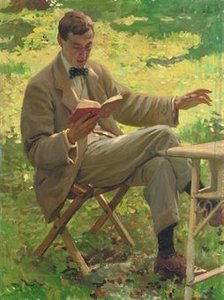
ألفريد جيمس مونينغز
1878 - 1959 , المملكة المتحدة
لمحة سريعة
- Artistic Movement Or Style: الطباعة الضوئية الحرّة
- Artists Or Movements Influenced By This Artist: ['الطباعة الضوئية الحرّة']
- Artists Who Influenced This Artist: ['مدرسة نيولين']
- Date Of Birth: 8 أكتوبر 1878
- Date Of Death: 17 يوليو 1959
- Full Name: Sir Alfred James Munnings
- Nationality: إنجليزية
- Notable Artworks:
- غروب الشمس فوق حقل الحصاد
- العارقة
- Place Of Birth: مندهم، إنجلترا
مقالات ذات صلة

Capturing Motion: The Timeless Beauty of Sir Alfred James Munnings' Equestrian Masterpieces
Discover the breathtaking equestrian mastery of Sir Alfred James Munnings. Explore an art-history journey through his impressionistic captures of motion, light, and rural elegance, perfect for the discerning classic art enthusiast and collector.
Timeless Elegance: A Visual Journey Through the Romance of Horse Carriage Artworks
Embark on a visual journey through the romantic world of horse carriage art. Discover the mastery of equestrian oil paintings, from Impressionist textures to classical realism, and learn how to bring timeless elegance into your home with museum-quality reproductions.

Sir Alfred Munnings' Masterpieces: 25 Paintings That Define Equine Art | OriginalUniqueArt
Explore 25 iconic Sir Alfred Munnings paintings! Discover the beauty of British Impressionism, equine art & rural England. Find museum-quality reproductions and elevate your home decor with OriginalUniqueArt. Explore the full collection online.
The Noble Steed on Canvas: A Historical & Artistic Exploration of Horse Painting Across Cultures
Explore the rich history of horse painting! Discover masterpieces from Stubbs to Munnings & learn about symbolism, techniques & artists. Find museum-quality reproductions at OriginalUniqueArt.

أعمال جيمس أبتون ماكنيل ويستلر الـ 25 الأكثر شهرة: تحف فنية لتزيين منزلك
اكتشف 25 تحفة فنية لجيمس أبتون ماكنيل ويستلر، رائد حركة التجميل. نوكتورن، بورتريهات أيقونية وأكثر! قصص ملهمة وتقنيات فنية رائعة لتزيين منزلك بأناقة. استكشف المجموعة الكاملة على OriginalUniqueArt.com


