معاينة الحجم الحقيقي
 مشاركة
 مشاركة
 التفاصيل

 تحميل الملف
 قطع مشابهة
 الأشعة السينية
 عرض شرائح
 Stats
StatsSaviour Blessing (detail)


 عرض المزيد
نسخة زيتية مصنوعة يدوياً
لوحة زيتية مرسومة يدوياً على الكانفاس بالمقاس والإطار الذي تفضله، تُنفذ حسب الطلب على أيدي فنانينا. ( Switch to Print Switch to Digital Image)




P118B $10

P118H $10

P118W $10

P438Z $10

P508JH $12

P508YH $12

P805H $10

P805Z $10

P919BZ $10

P919G $10

P919XJ $10

P959ZH $10

P968JZ $12

W106C $8

W218G $10

W218JH $8

W218Y $10

W307PJ $10

W316G $10

W316PJ $8

W316Y $10

W398PJ $8

W4111J $10

W500HY $15

W500JH $15

W692G $12

W849H $8

W940BG $15

W953PJ $8




اختر من بين أحجامنا المُعدّة مسبقًا والتي تتطابق مع النسب الأصلية للعمل الفني.

يمكنك إدخال أبعادك الخاصة لتناسب إطارًا معينًا أو مساحة محددة. وإذا لم يتطابق الحجم الذي اخترته مع نسب الصورة الأصلية، فسنقوم إما بقص العمل الفني أو توسيع اللوحة بإضافة عناصر مرسومة يدويًا. سيتم إرسال نموذج رقمي إليك للموافقة عليه قبل بدء الإنتاج.
يرجى ملاحظة أن المعاينة على الشاشة لا تعكس عملية القص أو التوسيع الفعلية؛ حيث إن النموذج الرقمي وحده هو الذي سيوضح التكوين النهائي بدقة.
وعلى الرغم من توفر أحجام مخصصة، إلا أننا نوصي باختيار أبعاد من القائمة المحددة مسبقًا للحفاظ على النسب الأصلية للعمل الفني.
بعد إتمام الطلب، سيرسل فريق OriginalUniqueArt.com بريداً إلكترونياً للعميل لطلب التعليمات وتزويده بمعاينة تجريبية (mockup).
توصيل عالمي إلى خلال 3 إلى 4 أسابيع بدلاً من المدة المعتادة البالغة 5 أسابيع. (8 سبتمبر). جودة لا تهاون فيها.

شحن سريع ومجاني لجميع أنحاء العالم

قماش كتان عالي الجودة

تأمين شحن شامل

ضمان استرداد الرسوم الجمركية

ضمان مطابقة الألوان الحقيقية

سياسة الإرجاع خلال 100 يوم (في حالات العيوب فقط)

ضمان استرداد نقدي بنسبة 100%

خصم عند طلب عدة قطع
 خيار الزجاج متاح فقط للمقاسات التي تقل عن 110 سم

Saviour Blessing (detail)
خامة إعادة الإنتاج
مقاس النسخة المطبوعة
-


السعر الإجمالي النهائي
$ 300
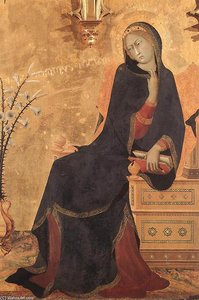
A Tender Moment Frozen in Time: Simone Martini’s “Saviour Blessing”
Simone Martini's "Saviour Blessing," painted in 1341, is more than just a depiction of religious iconography; it’s a profound meditation on love, grace, and the nascent promise of humanity. This exquisite detail from the larger panel—a work often associated with the Tournus Hours—captures a fleeting moment of serene intimacy between Jesus Christ and the infant John the Baptist. The painting immediately draws the viewer in with its astonishing level of craftsmanship, a testament to Martini’s mastery of Sienese artistic tradition. Notice first the meticulous rendering of textures – the heavy folds of Jesus' robe, the delicate softness of the baby’s skin, the intricate patterns adorning the background—all executed with a painstaking attention to detail that speaks volumes about the artist’s dedication and skill.
The Elegance of Sienese Style
Martini's style is deeply rooted in the flourishing artistic environment of Siena during the 14th century. He inherited a legacy of vibrant color, refined line, and an emphasis on elegance that distinguished his work from the more naturalistic approaches emerging elsewhere in Italy. Unlike Giotto’s early explorations of realism, Martini prioritized a stylized beauty, imbuing his figures with a courtly grace reminiscent of illuminated manuscripts. The influence of Duccio di Buoninsegna, a key figure in Sienese painting, is palpable – particularly in the use of gold leaf and the overall luminosity of the scene. However, Martini transcends mere imitation; he developed a distinctly personal style characterized by a heightened sense of movement and an almost dreamlike quality to his compositions.
- Color Palette: The painting utilizes a rich palette dominated by deep blues, reds, and golds – colors associated with royalty, divinity, and spiritual significance.
- Line Work: Martini’s signature is his incredibly precise line work, creating an illusion of depth and volume through subtle variations in contour.
- Gold Leaf: The extensive use of gold leaf not only adds to the painting's visual splendor but also symbolizes divine light and holiness.
Symbolism and Narrative Depth
Beyond its aesthetic beauty, “Saviour Blessing” is laden with symbolic meaning. Jesus’ posture—kneeling, cradling the infant—evokes images of protective guardianship and paternal love. The gesture of blessing, a traditional sign of grace and benediction, reinforces this message. John the Baptist, though small in scale, represents the future hope of salvation, foreshadowing Christ's mission. The background, filled with intricate geometric patterns and stylized architectural elements, is not merely decorative; it serves to elevate the central figures, creating a sense of sacred space. The inclusion of other figures, partially visible in the distance, suggests a larger narrative context—perhaps the presentation of the child to the Virgin Mary—adding layers of complexity to the scene.
A Window into Medieval Devotion
Painted during a period of intense religious fervor, “Saviour Blessing” reflects the profound piety that permeated medieval society. The image was likely intended for liturgical use, adorning the pages of a prayer book and serving as a visual aid for contemplation. It speaks to the deeply held beliefs about the Virgin Mary’s role in salvation history and the importance of fostering compassion and care for the vulnerable. The painting's exquisite detail and emotional resonance offer a rare glimpse into the spiritual world of 14th-century Europe, inviting viewers to connect with a timeless message of love and hope. OriginalUniqueArt offers meticulously crafted reproductions that faithfully capture the beauty and artistry of this remarkable masterpiece, allowing you to bring its serene grace into your home or studio.
السيرة الذاتية للفنان
Simone Martini: The Poet’s Muse and the Elegance of Gothic
Simone Martini (c. 1284 – July 1344) stands as a cornerstone of Tuscan Gothic art, an artist whose oeuvre embodies the refined sensibilities and meticulous craftsmanship that defined the era. Born in Siena—a city renowned for its vibrant artistic tradition—Martini’s life story is interwoven with tales of patronage, pilgrimage, and intellectual engagement, offering a glimpse into the cultural landscape of fourteenth-century Italy.
Early Life and Artistic Training
Precise biographical details surrounding Martini's birth remain elusive, shrouded in the uncertainties inherent to historical records. However, scholarly consensus suggests that he emerged from Siena sometime around 1284/85—likely the son of Martino Senese, a craftsman specializing in preparing plaster for frescoes.
His formative years were spent under the tutelage of Duccio di Buoninsegna, Siena’s foremost painter and arguably the most influential figure in Tuscan Gothic. Vasari recounts that Martini apprenticed himself to Giotto—a claim debated by modern art historians—yet Duccio undeniably instilled in him a profound understanding of stylistic principles rooted in Byzantine tradition.
Furthermore, Martini's exposure to Sienese goldsmithing workshops honed his technical skills and fostered an appreciation for decorative embellishment—a characteristic that would permeate his subsequent artistic endeavors. The influence of Memmo di Filippuccio—another prominent artist of Siena—extended beyond mere apprenticeship; their collaboration cemented Martini’s position within the city’s artistic milieu.
The Maestà: A Synthesis of Styles
Martini's magnum opus, the *Maestà* fresco commissioned for the Palazzo Pubblico in Siena (completed 1315), exemplifies his masterful synthesis of Gothic and Byzantine elements. The monumental panel depicts Mary enthroned with Christ Child—a composition that draws inspiration from Byzantine iconography while simultaneously incorporating Sienese decorative conventions.
The fresco’s shimmering gold leaf, meticulously applied by Martini's workshop, underscores the importance of materiality in conveying visual splendor. Moreover, Martini’s innovative use of perspective—particularly in the depiction of drapery folds—represents a significant advancement in artistic technique and foreshadows developments within Florentine painting.
The Maestà is not merely a technical achievement; it embodies Martini's aesthetic vision—a vision characterized by elegance, grace, and an unwavering commitment to capturing the spiritual essence of religious iconography. It stands as a testament to Martini’s ability to elevate artistic craftsmanship into a form of sublime beauty.
Beyond Siena: Patronage and Artistic Innovation
Martini’s artistic career extended beyond Siena's borders, encompassing commissions from papal courts in Avignon and Naples—a testament to his renown as an artist and the enduring appeal of his stylistic innovations. His patronage by Robert of Anjou—king of Naples—provided him with invaluable opportunities for experimentation and creative exploration.
Among Martini’s most celebrated works are the *Saint Louis Crowning Robert* (1317), executed for the royal court in Naples, and the *Saint Catherine Polyptych*, commissioned by Assisi Cathedral. These paintings showcase Martini's unparalleled command of color and form—demonstrating his mastery of both monumental fresco painting and intimate panel portraits.
His innovative approach to composition—particularly evident in the depiction of Christ before Pilate—challenged prevailing artistic conventions and signaled a decisive break from medieval stylistic norms. Martini’s legacy resides not only in his technical prowess but also in his contribution to shaping the aesthetic sensibilities of his time—a contribution that continues to inspire admiration and scholarly inquiry centuries later.
A Lasting Influence on Gothic Art
Simone Martini's influence reverberates throughout European art history, particularly within the realm of Gothic painting. His stylistic refinements—characterized by flowing lines, delicate ornamentation, and an unwavering pursuit of beauty—established a new standard for artistic excellence.
Artists across Europe emulated Martini’s techniques and compositional strategies—resulting in a widespread dissemination of his aesthetic vision. Martini's legacy transcends mere stylistic imitation; it embodies the enduring power of art to communicate spiritual values and elevate human experience—a testament to Simone Martini’s place as one of the most influential figures in the history of European painting.

سيمون مارتيني
1284 - 1344 , إيطاليا
حقائق سريعة
- Artistic Movement Or Style: الدييكو الكوني المعتبرة
- Artists Who Influenced This Artist: ['الدييكو دي بوينيسينا"، "جيوتو دي بوندو']
- Date Of Birth: ع. ١٢٨٤
- Date Of Death: ١٣٤٤
- Full Name: Simone Martini
- Nationality: إيطالي
- Notable Artworks: ['الم Maestà"، "القديس لويس من طولوزة"، "القديسة كاترين الأليكساندريا البوليبيتخ"، "الإنعاش مع القديسة ماريجوري والقداسة أنسانوس']
- Place Of Birth: سني، إيطاليا
مقالات ذات صلة

Simone Martini: Innovation, Spirituality & Courtly Refinement in Sienese Painting
Explore the captivating world of Simone Martini, a pivotal figure in Sienese painting & the International Gothic style. Discover his innovative techniques, spiritual depth, and lasting influence on early Renaissance art.
Late Medieval Masterpieces: 10 Artworks That Defined an Era | OriginalUniqueArt
Journey through 10 defining Late Medieval masterpieces – from Giotto's frescoes to Jan van Eyck’s realism. Explore the stories, techniques & vibrant colors of Gothic art. Find museum-quality reproductions and elevate your home decor with OriginalUniqueArt.com! Discover all masterpieces on OriginalUniqueArt.com
High Medieval Art: 10 Masterpieces That Shaped an Era | OriginalUniqueArt
Journey through High Medieval Art! Explore 10 iconic masterpieces – from Giotto's frescoes to stunning Gothic cathedrals. Discover the stories behind these timeless paintings, sculptures & illuminated manuscripts. Find museum-quality art reproductions at OriginalUniqueArt.com.

Divine Light & Golden Splendor: A Journey Through the Sacred Grandeur of High Medieval Art
Embark on a soulful journey through High Medieval art. Explore the divine light of Gothic cathedrals, Byzantine splendor, and sacred masterpieces that shaped Western history with our expert-led cultural reflections.
Timeless Elegance: How to Integrate High Medieval Art into Your Modern Interior Design
Discover how to infuse your modern home with the divine light of High Medieval art. From gilded illuminated manuscripts to Gothic-inspired textures, learn expert tips for integrating timeless elegance and historical grandeur into contemporary interior design.