- الرئيسية

- طباعة على كانفاس
- سيمون مارتيني
- Madonna and Child

 Preview
 اطلب نسخة مرسومة يدوياً شراء الصورة بدقة عالية
 مشاركة
 مشاركة
 التفاصيل
 أضف إلى المفضلة

 تحميل الملف
 قطع مشابهة
 الأشعة السينية
 عرض شرائح
Madonna and Child
 Acrylic On Canvas
- WallArt
- Late Medieval Gothic
 1320
1320 79.0 x 56.0 cm
 متحف فالراف ريتشارتس
 عرض المزيد
طباعة جيلي / مطبوعات فنية
طباعة جيكلي أو كانفاس بجودة المتاحف، مع سرعة في التنفيذ وخيارات متنوعة للتشطيب.




P118B $10

P118H $10

P118W $10

P438Z $10

P508JH $12

P508YH $12

P805H $10

P805Z $10

P919BZ $10

P919G $10

P919XJ $10

P959ZH $10

P968JZ $12

W106C $8

W218G $10

W218JH $8

W218Y $10

W307PJ $10

W316G $10

W316PJ $8

W316Y $10

W398PJ $8

W4111J $10

W500HY $15

W500JH $15

W692G $12

W849H $8

W940BG $15

W953PJ $8




اختر من بين أحجامنا المُعدّة مسبقًا والتي تتطابق مع النسب الأصلية للعمل الفني.

يمكنك إدخال أبعادك الخاصة لتناسب إطاراً أو مساحة معينة. وإذا لم يتطابق الحجم الذي اخترته مع نسب الصورة الأصلية، فسنقوم إما بقص العمل الفني أو تمديد الصورة باستخدام حافة معكوسة أو بلون مصمت. سيتم إرسال نموذج تجريبي رقمي لاعتمادك قبل بدء الإنتاج.
يرجى ملاحظة أن المعاينة على الشاشة لا تعكس عملية القص أو التمديد الفعلية؛ حيث سيوضح النموذج التجريبي فقط التكوين النهائي بدقة.
وعلى الرغم من توفر أحجام مخصصة، إلا أننا نوصي باختيار أبعاد من القائمة المحددة مسبقاً للحفاظ على النسب الأصلية.
توصيل عالمي إلى خلال أسبوعين بدلاً من المدة القياسية البالغة 4/5 أسابيع. 24 يوليو

شحن سريع ومجاني لجميع أنحاء العالم

قماش كتان عالي الجودة

تأمين شحن شامل

ضمان استرداد الرسوم الجمركية

ضمان مطابقة الألوان الحقيقية

سياسة الإرجاع خلال 60 يومًا (في حالات العيوب فقط)

ضمان استرداد نقدي بنسبة 100%

خصم عند طلب عدة قطع
 خيار الزجاج متاح فقط للمقاسات التي تقل عن 110 سم

Madonna and Child
طباعة جيلي / مطبوعات فنية
مقاس النسخة المطبوعة
-


السعر الإجمالي النهائي
-
وصف القطعة الفنية
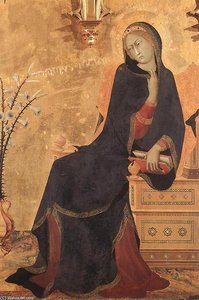
A Symphony of Grace: Simone Martini’s Madonna and Child
The year is 1320, and within the vibrant heart of Siena, Italy, Simone Martini was meticulously crafting a masterpiece – his “Madonna and Child.” This isn't merely a depiction of Mary cradling her infant son; it’s an immersion into a world where piety and elegance intertwine, revealing the burgeoning sophistication of Sienese art on the cusp of the Renaissance. The painting immediately draws the eye to its central figures: the Virgin Mary, rendered with a serene dignity that speaks volumes about her role as both mother and mediator between heaven and earth. Her crimson gown, a bold statement against the muted palette, isn’t simply decorative; it symbolizes royalty, divine grace, and perhaps even echoes of the rich fabrics favored by the Sienese aristocracy – a subtle nod to the worldly power of the city itself.
The Delicate Dance of Line and Color
Martini's technique is characterized by an exquisite attention to detail and a masterful manipulation of line. He employs a *grisaille* approach, utilizing shades of grey and brown to build up forms with remarkable precision before layering in the vibrant colors. This method creates a sense of depth and volume that was revolutionary for its time. Notice how the folds of Mary’s robe ripple with an almost sculptural quality, while the delicate details of the Christ Child's face – his tiny hands, perfectly formed features – are rendered with breathtaking realism. The use of gold leaf, particularly in the halos and decorative elements, adds a luminous quality to the painting, elevating it beyond the purely earthly realm. The overall effect is one of shimmering beauty, achieved through painstaking observation and an unparalleled command of color.
A Window into Siena’s Soul
Beyond the immediate depiction of the Madonna and Child, the painting offers a glimpse into the cultural landscape of 14th-century Siena. The presence of the secondary figures – two individuals on either side of the central scene – suggests a narrative context beyond the purely devotional. These figures, often interpreted as representing Joseph or perhaps members of Mary’s family, are rendered with a degree of formality and dignity that reflects the importance placed on lineage and social standing within Sienese society. The architectural elements subtly incorporated into the background—a stylized doorway or window—are characteristic of Siena's distinctive urban design, further anchoring the scene in its specific location.
Symbolism and Spiritual Resonance
The “Madonna and Child” is rich with symbolic meaning. The red dress, as previously mentioned, represents Mary’s role as Queen of Heaven. The halo surrounding Christ symbolizes his divinity and his connection to God the Father. The positioning of the figures – Mary holding her child close – evokes a sense of protection, nurturing, and unconditional love. It's a scene deeply rooted in Christian iconography, yet Martini imbues it with a uniquely Sienese sensibility—a blend of religious fervor and worldly refinement. The painting’s emotional impact is profound; it invites contemplation on themes of motherhood, faith, and the enduring power of divine grace.
- Size: 79 x 56 cm
- Date: 1320
- Artist: Simone Martini
- Medium: Tempera on Panel
OriginalUniqueArt.com offers meticulously crafted, hand-painted reproductions of this iconic masterpiece, allowing you to bring the beauty and serenity of Simone Martini’s “Madonna and Child” into your home or office. Each reproduction is created using traditional techniques and archival materials, ensuring its longevity and preserving the exquisite detail of the original painting. Explore our collection today and experience the timeless allure of this Sienese treasure.
السيرة الذاتية للفنان
Simone Martini: The Poet’s Muse and the Elegance of Gothic
Simone Martini (c. 1284 – July 1344) stands as a cornerstone of Tuscan Gothic art, an artist whose oeuvre embodies the refined sensibilities and meticulous craftsmanship that defined the era. Born in Siena—a city renowned for its vibrant artistic tradition—Martini’s life story is interwoven with tales of patronage, pilgrimage, and intellectual engagement, offering a glimpse into the cultural landscape of fourteenth-century Italy.
Early Life and Artistic Training
Precise biographical details surrounding Martini's birth remain elusive, shrouded in the uncertainties inherent to historical records. However, scholarly consensus suggests that he emerged from Siena sometime around 1284/85—likely the son of Martino Senese, a craftsman specializing in preparing plaster for frescoes.
His formative years were spent under the tutelage of Duccio di Buoninsegna, Siena’s foremost painter and arguably the most influential figure in Tuscan Gothic. Vasari recounts that Martini apprenticed himself to Giotto—a claim debated by modern art historians—yet Duccio undeniably instilled in him a profound understanding of stylistic principles rooted in Byzantine tradition.
Furthermore, Martini's exposure to Sienese goldsmithing workshops honed his technical skills and fostered an appreciation for decorative embellishment—a characteristic that would permeate his subsequent artistic endeavors. The influence of Memmo di Filippuccio—another prominent artist of Siena—extended beyond mere apprenticeship; their collaboration cemented Martini’s position within the city’s artistic milieu.
The Maestà: A Synthesis of Styles
Martini's magnum opus, the *Maestà* fresco commissioned for the Palazzo Pubblico in Siena (completed 1315), exemplifies his masterful synthesis of Gothic and Byzantine elements. The monumental panel depicts Mary enthroned with Christ Child—a composition that draws inspiration from Byzantine iconography while simultaneously incorporating Sienese decorative conventions.
The fresco’s shimmering gold leaf, meticulously applied by Martini's workshop, underscores the importance of materiality in conveying visual splendor. Moreover, Martini’s innovative use of perspective—particularly in the depiction of drapery folds—represents a significant advancement in artistic technique and foreshadows developments within Florentine painting.
The Maestà is not merely a technical achievement; it embodies Martini's aesthetic vision—a vision characterized by elegance, grace, and an unwavering commitment to capturing the spiritual essence of religious iconography. It stands as a testament to Martini’s ability to elevate artistic craftsmanship into a form of sublime beauty.
Beyond Siena: Patronage and Artistic Innovation
Martini’s artistic career extended beyond Siena's borders, encompassing commissions from papal courts in Avignon and Naples—a testament to his renown as an artist and the enduring appeal of his stylistic innovations. His patronage by Robert of Anjou—king of Naples—provided him with invaluable opportunities for experimentation and creative exploration.
Among Martini’s most celebrated works are the *Saint Louis Crowning Robert* (1317), executed for the royal court in Naples, and the *Saint Catherine Polyptych*, commissioned by Assisi Cathedral. These paintings showcase Martini's unparalleled command of color and form—demonstrating his mastery of both monumental fresco painting and intimate panel portraits.
His innovative approach to composition—particularly evident in the depiction of Christ before Pilate—challenged prevailing artistic conventions and signaled a decisive break from medieval stylistic norms. Martini’s legacy resides not only in his technical prowess but also in his contribution to shaping the aesthetic sensibilities of his time—a contribution that continues to inspire admiration and scholarly inquiry centuries later.
A Lasting Influence on Gothic Art
Simone Martini's influence reverberates throughout European art history, particularly within the realm of Gothic painting. His stylistic refinements—characterized by flowing lines, delicate ornamentation, and an unwavering pursuit of beauty—established a new standard for artistic excellence.
Artists across Europe emulated Martini’s techniques and compositional strategies—resulting in a widespread dissemination of his aesthetic vision. Martini's legacy transcends mere stylistic imitation; it embodies the enduring power of art to communicate spiritual values and elevate human experience—a testament to Simone Martini’s place as one of the most influential figures in the history of European painting.

سيمون مارتيني
1284 - 1344 , إيطاليا
حقائق سريعة
- Artistic Movement Or Style: الدييكو الكوني المعتبرة
- Artists Who Influenced This Artist: ['الدييكو دي بوينيسينا"، "جيوتو دي بوندو']
- Date Of Birth: ع. ١٢٨٤
- Date Of Death: ١٣٤٤
- Full Name: Simone Martini
- Nationality: إيطالي
- Notable Artworks: ['الم Maestà"، "القديس لويس من طولوزة"، "القديسة كاترين الأليكساندريا البوليبيتخ"، "الإنعاش مع القديسة ماريجوري والقداسة أنسانوس']
- Place Of Birth: سني، إيطاليا
مقالات ذات صلة
أروع 25 تحفة فنية في متحف المتروبوليتان: رحلة عبر العصور والجمال الخالد
اكتشف أروع 25 تحفة فنية في متحف المتروبوليتان، نيويورك! قصص ليوناردو دا فينشي وفان جوخ وبيكاسو وأكثر. لوحات كلاسيكية ومعاصرة لإلهام ديكور منزلك. تسوق إعادة إنتاج اللوحات عالية الجودة على OriginalUniqueArt.com.
أروع 25 تحفة فنية في معرض أوفيزي: رحلة عبر عصر النهضة الإيطالي | OriginalUniqueArt
اكتشف أروع 25 لوحة فنية في معرض أوفيزي بفلورنسا! رحلة آسرة عبر عصر النهضة مع أعمال ليوناردو دا فينشي، بوتيتشيلي، ورفائيل. احصل على نسخ فاخرة من هذه التحف الفنية لتزيين منزلك. اكتشف المجموعة الكاملة على OriginalUniqueArt.
أروع 25 تحفة فنية في معرض ناسيونال غاليري بواشنطن | لوحات شهيرة وديكور فاخر
اكتشف أروع 25 لوحة فنية في معرض ناسيونال غاليري بواشنطن! رحلة عبر روائع سيزان، ماتيس، وبيكاسو. قصص ملهمة وتقنيات فنية فريدة. احصل على نسخ عالية الجودة لديكور منزلك الفاخر على OriginalUniqueArt.com
أروع 25 لوحة لرافائيل: تحف فنية تزين منزلك بجمال عصر النهضة
اكتشف أروع 25 لوحة لرافائيل، فنان عصر النهضة العظيم. استمتع بقصص ملهمة وتقنيات فنية رائعة في عالم الفن الإيطالي الكلاسيكي. احصل على نسخ عالية الجودة من تحف رافائيل لتزيين منزلك بجمال لا يضاهى. اكتشف المجموعة الكاملة الآن على OriginalUniqueArt.com!

أروع 25 تحفة فنية في متحف ديترويت للفنون: إلهام وديكور لمنزلك
اكتشف أروع 25 تحفة فنية في متحف ديترويت للفنون! لوحات فان جوخ، مونيه، وأكثر. قصص الفنانين وتقنياتهم الخالدة. إلهام لديكور منزلك مع OriginalUniqueArt.com.