معاينة الحجم الواقعي
 إرسال
إرسال مشاركة
 عرض التفاصيل
 دليل الأعمال الفنية للطلاب

 تحميل
تحميل
 قطع مشابهة
 الأشعة السينية
 عرض شرائح متتابع
 الإحصائيات
Entombment
 Acrylic On Canvas
- WallArt
- International Gothic
 1335
1335 22.0 x 15.0 cm
 Staatliche Museen
 اقرأ المزيد
طباعة جيلي / مطبوعات فنية
طباعة جيكلي أو كانفاس بجودة المتاحف، مع سرعة في التنفيذ وخيارات متنوعة للتشطيب. ( اطلب نسخة مرسومة يدويًا التحويل إلى الصورة الرقمية)




P118B E£10

P118H E£10

P118W E£10

P438Z E£10

P508JH E£12

P508YH E£12

P805H E£10

P805Z E£10

P919BZ E£10

P919G E£10

P919XJ E£10

P959ZH E£10

P968JZ E£12

W106C E£8

W218G E£10

W218JH E£8

W218Y E£10

W307PJ E£10

W316G E£10

W316PJ E£8

W316Y E£10

W398PJ E£8

W4111J E£10

W500HY E£15

W500JH E£15

W692G E£12

W849H E£8

W940BG E£15

W953PJ E£8




اختر من بين أحجامنا المُعدّة مسبقاً والتي تتوافق مع النسب الأصلية للعمل الفني.

أدخل العرض والارتفاع اللذين تحتاجهما، ليتناسب مع إطارك أو جدارك. يمكن قص المطبوعة فقط، ولا يمكن أبداً جعلها أكبر من الصورة الأصلية، لذا فإن أي مقاس بشكل مختلف سيؤدي إلى فقدان جزء من الصورة. سنرسل لك نموذجاً رقمياً تجريبياً لاعتماده قبل البدء في عملية الطباعة. الصورة المعروضة في هذه الصفحة لا توضح القص الفعلي — النموذج التجريبي فقط هو ما يظهر ذلك.
توصيل عالمي إلى خلال أسبوعين بدلاً من المدة القياسية البالغة 4/5 أسابيع. (21 أكتوبر)

شحن سريع ومجاني لجميع أنحاء العالم

قماش كتان فاخر

تأمين شامل على الشحن

ضمان استرداد الرسوم الجمركية

ضمان دقة مطابقة الألوان

سياسة الإرجاع خلال 100 يوم (في حالات العيوب فقط)

ضمان استرداد نقدي بنسبة 100%

عرض خصم الكميات
 خيار الزجاج متاح فقط للمقاسات التي تقل عن 110 سم

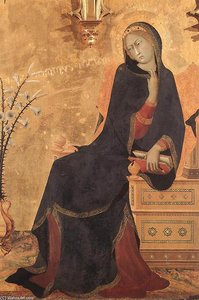
Entombment
طباعة جيلي / مطبوعات فنية
مقاس النسخة المطبوعة
-


إجمالي السعر
E£ 4131
A Moment Frozen in Time: Simone Martini’s Entombment
Simone Martini's *Entombment*, completed around 1335-44, transcends mere depiction; it embodies the spiritual fervor and artistic sophistication of Siena during its golden age. This tempera painting on wood—measuring a modest 22 x 15 cm—holds an unparalleled significance within the Early Italian Gothic tradition, securing its place as one of the most celebrated artworks of the period. Currently housed in the Staatliche Museen Berlin, it invites viewers to contemplate not just a biblical scene but also the profound artistic vision of Martini himself.The Scene Unfolds: Narrative and Composition
The painting portrays Jesus Christ being laid into his tomb by Mary Magdalene and Nicodemus—a pivotal moment recounted in Matthew 27:58-60. Martini meticulously captures the solemnity of the occasion, arranging figures within a carefully constructed space dominated by towering cypress trees that symbolize immortality and remembrance. The composition is deliberately balanced, guiding the eye across the scene with subtle diagonals and converging lines, creating an atmosphere of profound grief and reverence. Notice how Martini skillfully employs shading to sculpt the forms of Jesus’ body and the mourners, conveying both physicality and emotional depth—a hallmark of Martini's distinctive style.Technique and Artistic Innovation
Martini’s mastery lies in his meticulous application of tempera paint on wood – a technique favored by Sienese artists during this era. Tempera pigments bind to the surface without solvents, resulting in vibrant colors that retain their luminosity over centuries. Martini's painstaking layering of translucent glazes—particularly noticeable in Jesus’ face and hands—creates an ethereal quality, capturing the subtle nuances of light and shadow. This technique distinguishes Martini from his predecessors like Giotto di Bondone, who favored a more flattened perspective, elevating *Entombment* to a pinnacle of artistic innovation. The artist's attention to detail extends beyond mere representation; he imbues every element with symbolic significance.Symbolism: Trees of Remembrance and Spiritual Reflection
The cypress trees surrounding the tomb are laden with symbolism—representing eternal life and commemorating the deceased. Their upward reaching branches mirror Jesus’ ascension into heaven, reinforcing the overarching theme of resurrection and divine grace. Furthermore, Martini's depiction of Mary Magdalene and Nicodemus reflects the theological concerns of the time – specifically, the contemplation of Christ’s suffering and sacrifice for humanity’s salvation. The figures are rendered with exquisite realism, yet imbued with an aura of spiritual solemnity, prompting viewers to engage in introspection and contemplate the mysteries of faith.Emotional Resonance: A Window into Medieval Spirituality
*Entombment* resonates powerfully with audiences today due to its ability to evoke a deep sense of empathy and contemplation. Martini’s masterful use of color—primarily blues and reds—creates an emotionally charged atmosphere, mirroring the grief experienced by those present at Jesus' burial. The painting serves as a testament to the enduring power of religious art to communicate profound spiritual truths—a legacy that continues to inspire artists and collectors alike. Its serene beauty and meticulous craftsmanship offer a captivating glimpse into the artistic sensibilities of Siena during its illustrious medieval period.الأسئلة والأجوبة
ما هو اللون الطاغي الذي ينساب عبر "Entombment" للفنان سيمون مارتيني؟
تطغى على "Entombment" للفنان سيمون مارتيني مسحة من اللون Amber to Saffron.
كيف تُوصف لوحة ألوان "Entombment" للفنان سيمون مارتيني؟
تستخدم لوحة "Entombment" للفنان سيمون مارتيني مجموعة ألوان Earthy. وتلخص هذه المجموعة الطابع اللوني العام للعمل.
ما هي أبعاد "Entombment" للفنان سيمون مارتيني وحجمها؟
تأتي لوحة "Entombment" بتنسيق Portrait، وتصل أبعاد النسخة الأصلية إلى 22 x 15 cm؛ وكلاهما أمر مفيد عند التخطيط لعمل نسخة مطابقة.
نبذة عن الفنان
Simone Martini: The Poet’s Muse and the Elegance of Gothic
Simone Martini (c. 1284 – July 1344) stands as a cornerstone of Tuscan Gothic art, an artist whose oeuvre embodies the refined sensibilities and meticulous craftsmanship that defined the era. Born in Siena—a city renowned for its vibrant artistic tradition—Martini’s life story is interwoven with tales of patronage, pilgrimage, and intellectual engagement, offering a glimpse into the cultural landscape of fourteenth-century Italy.
Early Life and Artistic Training
Precise biographical details surrounding Martini's birth remain elusive, shrouded in the uncertainties inherent to historical records. However, scholarly consensus suggests that he emerged from Siena sometime around 1284/85—likely the son of Martino Senese, a craftsman specializing in preparing plaster for frescoes.
His formative years were spent under the tutelage of Duccio di Buoninsegna, Siena’s foremost painter and arguably the most influential figure in Tuscan Gothic. Vasari recounts that Martini apprenticed himself to Giotto—a claim debated by modern art historians—yet Duccio undeniably instilled in him a profound understanding of stylistic principles rooted in Byzantine tradition.
Furthermore, Martini's exposure to Sienese goldsmithing workshops honed his technical skills and fostered an appreciation for decorative embellishment—a characteristic that would permeate his subsequent artistic endeavors. The influence of Memmo di Filippuccio—another prominent artist of Siena—extended beyond mere apprenticeship; their collaboration cemented Martini’s position within the city’s artistic milieu.
The Maestà: A Synthesis of Styles
Martini's magnum opus, the *Maestà* fresco commissioned for the Palazzo Pubblico in Siena (completed 1315), exemplifies his masterful synthesis of Gothic and Byzantine elements. The monumental panel depicts Mary enthroned with Christ Child—a composition that draws inspiration from Byzantine iconography while simultaneously incorporating Sienese decorative conventions.
The fresco’s shimmering gold leaf, meticulously applied by Martini's workshop, underscores the importance of materiality in conveying visual splendor. Moreover, Martini’s innovative use of perspective—particularly in the depiction of drapery folds—represents a significant advancement in artistic technique and foreshadows developments within Florentine painting.
The Maestà is not merely a technical achievement; it embodies Martini's aesthetic vision—a vision characterized by elegance, grace, and an unwavering commitment to capturing the spiritual essence of religious iconography. It stands as a testament to Martini’s ability to elevate artistic craftsmanship into a form of sublime beauty.
Beyond Siena: Patronage and Artistic Innovation
Martini’s artistic career extended beyond Siena's borders, encompassing commissions from papal courts in Avignon and Naples—a testament to his renown as an artist and the enduring appeal of his stylistic innovations. His patronage by Robert of Anjou—king of Naples—provided him with invaluable opportunities for experimentation and creative exploration.
Among Martini’s most celebrated works are the *Saint Louis Crowning Robert* (1317), executed for the royal court in Naples, and the *Saint Catherine Polyptych*, commissioned by Assisi Cathedral. These paintings showcase Martini's unparalleled command of color and form—demonstrating his mastery of both monumental fresco painting and intimate panel portraits.
His innovative approach to composition—particularly evident in the depiction of Christ before Pilate—challenged prevailing artistic conventions and signaled a decisive break from medieval stylistic norms. Martini’s legacy resides not only in his technical prowess but also in his contribution to shaping the aesthetic sensibilities of his time—a contribution that continues to inspire admiration and scholarly inquiry centuries later.
A Lasting Influence on Gothic Art
Simone Martini's influence reverberates throughout European art history, particularly within the realm of Gothic painting. His stylistic refinements—characterized by flowing lines, delicate ornamentation, and an unwavering pursuit of beauty—established a new standard for artistic excellence.
Artists across Europe emulated Martini’s techniques and compositional strategies—resulting in a widespread dissemination of his aesthetic vision. Martini's legacy transcends mere stylistic imitation; it embodies the enduring power of art to communicate spiritual values and elevate human experience—a testament to Simone Martini’s place as one of the most influential figures in the history of European painting.

سيمون مارتيني
1284 - 1344 , إيطاليا
لمحة سريعة
- Artistic Movement Or Style: الدييكو الكوني المعتبرة
- Artists Who Influenced This Artist: ['الدييكو دي بوينيسينا"، "جيوتو دي بوندو']
- Date Of Birth: ع. ١٢٨٤
- Date Of Death: ١٣٤٤
- Full Name: Simone Martini
- Nationality: إيطالي
- Notable Artworks: ['الم Maestà"، "القديس لويس من طولوزة"، "القديسة كاترين الأليكساندريا البوليبيتخ"، "الإنعاش مع القديسة ماريجوري والقداسة أنسانوس']
- Place Of Birth: سني، إيطاليا
مقالات ذات صلة

Beyond Borders: The Spiritual & Stylistic Innovations of International Gothic Art
Explore the exquisite beauty & spiritual depth of International Gothic art. Discover key artists like Simone Martini & Pol de Limbourg, its origins, symbolism, and lasting influence on European painting. Expert insights at OriginalUniqueArt.
Shadows & Splendor: A Journey Through the Soul of Gothic Art and Architectural Grandeur
Embark on a profound journey through the spiritual intensity of Gothic art. Explore the architectural marvels, luminous stained glass, and sacred sculptures that define this era of grandeur and human devotion.

Gothic Vibes: From Dark Shadows to Bold Modern Edge | The Ultimate Trend Forecast
Explore the evolution of Gothic vibes, from historical shadows to bold modern edge. Discover how dark aesthetics, noir interiors, and contemporary subcultures are redefining modern design through a high-impact, trend-focused lens.

Simone Martini: Innovation, Spirituality & Courtly Refinement in Sienese Painting
Explore the captivating world of Simone Martini, a pivotal figure in Sienese painting & the International Gothic style. Discover his innovative techniques, spiritual depth, and lasting influence on early Renaissance art.
The Radiant Dusk of Medieval Vision: Exploring Late Gothic Art's Synthesis of Faith, Form & Emotionality (c. 1300-1500)
Explore the exquisite beauty & spiritual depth of Late Gothic art (c. 1300-1500). Discover key artists, symbolism, and its lasting influence on the Renaissance. Expert insights at OriginalUniqueArt.