معاينة الحجم الواقعي
 إرسال
إرسال مشاركة
 عرض التفاصيل
 دليل الأعمال الفنية للطلاب

 تحميل
تحميل
 قطع مشابهة
 الأشعة السينية
 عرض شرائح متتابع
 الإحصائيات
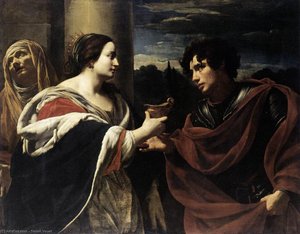
The Entombment
 Oil On Canvas
- WallArt
- Baroque Painting
 1638
1638 57.0 x 42.0 cm
 متحف فيتزويليام
 اقرأ المزيد
طباعة جيلي / مطبوعات فنية
طباعة جيكلي أو كانفاس بجودة المتاحف، مع سرعة في التنفيذ وخيارات متنوعة للتشطيب. ( اطلب نسخة مرسومة يدويًا التحويل إلى الصورة الرقمية)




P118B E£10

P118H E£10

P118W E£10

P438Z E£10

P508JH E£12

P508YH E£12

P805H E£10

P805Z E£10

P919BZ E£10

P919G E£10

P919XJ E£10

P959ZH E£10

P968JZ E£12

W106C E£8

W218G E£10

W218JH E£8

W218Y E£10

W307PJ E£10

W316G E£10

W316PJ E£8

W316Y E£10

W398PJ E£8

W4111J E£10

W500HY E£15

W500JH E£15

W692G E£12

W849H E£8

W940BG E£15

W953PJ E£8




اختر من بين أحجامنا المُعدّة مسبقاً والتي تتوافق مع النسب الأصلية للعمل الفني.

أدخل العرض والارتفاع اللذين تحتاجهما، ليتناسب مع إطارك أو جدارك. يمكن قص المطبوعة فقط، ولا يمكن أبداً جعلها أكبر من الصورة الأصلية، لذا فإن أي مقاس بشكل مختلف سيؤدي إلى فقدان جزء من الصورة. سنرسل لك نموذجاً رقمياً تجريبياً لاعتماده قبل البدء في عملية الطباعة. الصورة المعروضة في هذه الصفحة لا توضح القص الفعلي — النموذج التجريبي فقط هو ما يظهر ذلك.
توصيل عالمي إلى خلال أسبوعين بدلاً من المدة القياسية البالغة 4/5 أسابيع. (22 أكتوبر)

شحن سريع ومجاني لجميع أنحاء العالم

قماش كتان فاخر

تأمين شامل على الشحن

ضمان استرداد الرسوم الجمركية

ضمان دقة مطابقة الألوان

سياسة الإرجاع خلال 100 يوم (في حالات العيوب فقط)

ضمان استرداد نقدي بنسبة 100%

عرض خصم الكميات
 خيار الزجاج متاح فقط للمقاسات التي تقل عن 110 سم

The Entombment
طباعة جيلي / مطبوعات فنية
مقاس النسخة المطبوعة
-


إجمالي السعر
E£ 4113
The Weight of Sorrow: Simon Vouet’s “The Entombment”
Simon Vouet's "The Entombment," painted in 1635–1638, is not merely a depiction of a biblical scene; it’s an exquisitely rendered meditation on grief, faith, and the profound dignity of sacrifice. This monumental work, currently residing within the collection of the Fitzwilliam Museum in Cambridge, transcends its subject matter to become a powerful testament to the Baroque era's ability to evoke intense emotion through masterful technique and carefully considered symbolism. Vouet, a pivotal figure in bridging the gap between Mannerism and the burgeoning Baroque style in France, imbued this piece with the dramatic lighting and emotional depth that would define his career.
The painting immediately draws the viewer into a scene of palpable sorrow. Jesus Christ, recently taken from the cross, lies supine within a richly appointed tomb – a bed draped in luxurious fabrics, its details suggesting both earthly comfort and impending finality. The figures surrounding him are rendered with an almost sculptural quality, their bodies conveying a range of emotions: Mary Magdalene, her face etched with anguish, gently lays her head upon Christ’s chest; John the Evangelist kneels in prayer, his posture reflecting deep contemplation; while other mourners – including soldiers and attendants – stand as witnesses to this solemn event. Vouet's skill lies not just in capturing individual likenesses but in conveying the collective weight of grief that permeates the scene.
A Masterclass in Baroque Technique
Vouet’s mastery of technique is evident in every brushstroke. He employed a layered approach, building up the image through numerous glazes – a hallmark of his style and one that contributes to the painting's luminous quality. The use of *chiaroscuro*, or dramatic contrasts between light and shadow, is particularly striking. The soft, diffused light emanating from an unseen source illuminates Christ’s body and the faces of the mourners, while plunging the tomb into a deeper darkness, symbolizing death and the unknown. This interplay of light and shadow not only creates a sense of drama but also directs the viewer's eye to the most important elements of the composition.
Furthermore, Vouet’s attention to detail is remarkable. The textures of the fabrics – the velvet, linen, and wool – are rendered with astonishing realism, as are the folds of Christ’s garments and the expressions on the faces of the figures. The artist's meticulous observation of anatomy and drapery reflects his extensive training in Italy, where he had spent much of his early career studying the works of masters like Titian and Veronese. The composition itself is carefully balanced, with a clear sense of depth and perspective that draws the viewer into the scene.
Symbolism and Spiritual Resonance
Beyond its technical brilliance, “The Entombment” is rich in symbolic meaning. The tomb itself represents not just death but also resurrection – the promise of eternal life offered through Christ’s sacrifice. The presence of Mary Magdalene, traditionally depicted as a repentant sinner, underscores the theme of redemption and forgiveness. The soldiers guarding the tomb symbolize earthly authority and the limitations of human power to prevent divine destiny. The bird perched atop the tomb, often interpreted as an angel or dove, represents hope and the arrival of the Holy Spirit.
Moreover, the painting’s emotional intensity speaks to a broader spiritual concern – the universality of suffering and the importance of compassion. Vouet's depiction of grief is not merely sentimental; it is profoundly moving, inviting viewers to contemplate their own experiences of loss and mortality. The scene resonates with the viewer on a deeply human level, reminding us of the enduring power of faith and the significance of acts of kindness and empathy.
A Legacy of Elegance and Emotion
“The Entombment” stands as a quintessential example of Baroque art – a fusion of technical virtuosity, dramatic emotion, and profound symbolism. Simon Vouet’s ability to capture both the physical beauty of his subjects and the depth of their emotional experience is truly remarkable. Reproductions of this masterpiece offer an opportunity to bring its elegance and spiritual resonance into any setting, serving as a poignant reminder of humanity's shared journey through life and death.
الأسئلة والأجوبة
ما مدى تشبع وكثافة الألوان في "The Entombment" للفنان سيمون فوي؟
تتميز ألوان "The Entombment" بدرجة تشبع تبلغ Subtle Color وكثافة لونية تصل إلى Monochromatic.
ما هو حجم النسخة المطبوعة المقترح لـ "The Entombment" للفنان سيمون فوي؟
يُنصح بطباعة "The Entombment" بحجم Medium. تتوفر أحجام أخرى بنفس النسب.
إلى أي لون يميل "The Entombment"؟
اللون السائد في "The Entombment" للفنان سيمون فوي هو Ochre to Sepia. ويمثل هذا اللون النغمة الأساسية لمجموعة الألوان المستخدمة.
نبذة عن الفنان
سيمون فوييه: رائد الرسم الباروكي الفرنسي
- تاريخ الميلاد: 9 يناير 1590، باريس، فرنسا
- تاريخ الوفاة: 30 يونيو 1649، باريس، فرنسا
كان سيمون فوييه شخصية محورية في انتقال الرسم الفرنسي من أسلوب المانييريزم إلى الأسلوب الباروكي. وُلد فوييه لعائلة فنية؛ حيث كان والده لوران رسامًا، وأخوه أوبان يمارس الفن أيضًا؛ وتلقى تدريبًا مبكرًا وضع الأساس لنجاحه المستقبلي. وسيكمل حفيده، لودوفيكو دوريني، الإرث الفني للعائلة.
المسيرة المبكرة والتأثيرات الإيطالية (1608-1627)
- البورتريه المبكر: بدأ فوييه مسيرته كرسام للبورتريه، مُظهراً موهبة مبكرة.
- السفر إلى إنجلترا (1608): في سن الرابعة عشرة، سافر إلى إنجلترا لرسم بورتريه بتكليف، مما أظهر سمعته المتنامية.
- الإمبراطورية العثمانية والبندقية: في عام 1611، انضم فوييه إلى موكب البارون دي سانسي، السفير الفرنسي في الإمبراطورية العثمانية، مرة أخرى للعمل في مجال البورتريه. أخذته هذه الرحلة عبر القسطنطينية ثم إلى البندقية عام 1612.
- روما (1614-1627): أثبتت فترة إقامته في روما أنها كانت تحويلية. بقي هناك لثلاثة عشر عامًا، مغموراً في المشهد الفني النابض بالحياة لفترة الباروك المزدهرة.
خلال إقامته الإيطالية، استوعب فوييه مجموعة متنوعة من التأثيرات. فقد درس تقنيات الإضاءة الدرامية التي ابتكرها كارافاجيو، واحتضن عناصر المانييريزم الإيطالي، وحلل بدقة لوحات الألوان والمنظور di sotto in su (المنظور المُقاصَر) الذي استخدمه باولو فيرونيزي. كما استلهم من أعمال كاراتشي وغويرتشينو ولانفرانكو وغيدو ريني، مُركباً هذه الأساليب المتنوعة في رؤية فنية فريدة.
تطور أسلوب فوييه المميز
- الانتخاب في أكاديمية سان لوكا (1624): بلغت نجاحاته في روما ذروتها بتنصيبه رئيساً لأكاديمية سان لوكا المرموقة، وهو دليل على مهارته واعترافه في عالم الفن الإيطالي.
- توليف التأثيرات: تميز أسلوب فوييه بقدرته على استيعاب وتكثيف مختلف التأثيرات الفنية. لم يكتفِ بالنسخ؛ بل دمج هذه العناصر في جمالية باروكية متماسكة وذات طابع إيطالي واضح.
- تقديم الباروك إلى فرنسا: عند عودته إلى فرنسا عام 1627، لعب فوييه دوراً حاسماً في تقديم الأسلوب الباروكي الإيطالي للرسم الفرنسي، مما أثر بشكل كبير على المشهد الفني للبلاد.
الإنجازات والإرث العظيم
- الرسام الأول للملك: عُين فوييه Premier peintre du Roi (أول رسام للملك) – وهو منصب يحمل هيبة وتأثيراً كبيرين.
- الورشة المزدهرة: حافظ على ورشة عمل كبيرة ونشطة، حيث درّب العديد من الفنانين الذين شكلوا الجيل اللاحق من الرسامين الفرنسيين.
- التلاميذ البارزون: كان من بين تلاميذه الأكثر تأثيراً شارل لو برون (الذي نظّم لاحقاً جميع اللوحات الزخرفية في فرساي)، وفالنتين دي بولوني، وشارل ألفونس دو فريسنوي، وبيير ميغنار، ويستاش لو سويور، وكلود ميلان.
- التأثير على الفن الفرنسي: امتد تأثير فوييه إلى ما وراء أعماله الخاصة؛ فقد حمل تلاميذه أسلوبه وتقنياته في جميع أنحاء فرنسا، مؤسسين مدرسة رسم باروكية مميزة. ويتجلى تأثيره بشكل خاص في المخططات الزخرفية الكبرى التي كلف بها لويس الرابع عشر.
الأهمية التاريخية
يرتكز إرث سيمون فوييه على دوره المحوري كجسر بين الفن الإيطالي والفرنسي. فقد نجح في استيراد ديناميكية وعظمة الباروك الإيطالي، وحوّلها إلى أسلوب لاقى صدى لدى أذواق البلاط الأرستقراطي الفرنسي. إن تأثيره لا يمكن إنكاره في تطور الرسم الفرنسي خلال القرن السابع عشر، ولا تزال مساهماته محط تقدير مؤرخات الفن حتى يومنا هذا.

سيمون فوي
1590 - 1649 , فرنسا
لمحة سريعة
- Artistic Movement Or Style: اللوحة الباروكية
- Artists Or Movements Influenced By This Artist:
- شارل لو برون
- فالنتين دي بولوني
- اللوحة الباروكية الفرنسية
- Artists Who Influenced This Artist:
- كارافاجيو
- باولو فيرونيزي
- كاراكي
- غويرتشينو
- لانفرانكو
- غيدو ريني
- Date Of Birth: 9 يناير 1590
- Date Of Death: 30 يونيو 1649
- Full Name: سايمون فوييه
- Nationality: فرنسي
- Place Of Birth: باريس، فرنسا
مقالات ذات صلة

The Dramatic Flourish: Exploring the Baroque Movement's Enduring Legacy in Art History
Explore the dramatic world of Baroque art! Discover iconic artists like Caravaggio & Rubens, defining techniques, and its lasting impact on art history. Expert insights for collectors & enthusiasts at OriginalUniqueArt.
Simon Vouet: A Baroque Master's Journey from Italian Influence to French Classicism
Explore the life & art of Simon Vouet, a pivotal French Baroque painter who introduced Italian styles to France. Discover his masterpieces and lasting influence on 17th-century art.

دراما الباروك: إحياء الفخامة والعاطفة في الدواخل المعاصرة
اكتشف سحر الباروك! دليل شامل حول الحركة الفنية، عناصرها الجمالية، وكيفية دمج فخامتها وعاطفتها في الدواخل المعاصرة. نصائح من خبراء OriginalUniqueArt لإضفاء لمسة باروكية على منزلك.

The Visceral Stage: Exploring Dramatic Narratives & Emotional Intensity in Baroque Art
Explore the dramatic world of Baroque art! Discover iconic masters like Caravaggio & Rembrandt, their techniques, and the movement's lasting impact. Expert insights for collectors & enthusiasts at OriginalUniqueArt.

أعلى 10 روائع باروكية رسمت مسار الفن وجمالية الديكور | OriginalUniqueArt
اكتشف روائع عصر الباروك! استكشف 10 لوحات فنية خالدة مع كارافاجيو، رامبرانت وغيرهم. تاريخ الفن، أسلوب باروكي مذهل، و ديكور منزلي فاخر. تسوق إعادة إنتاج فني عالي الجودة على OriginalUniqueArt.com