معاينة الحجم الواقعي
 إرسال
إرسال مشاركة
 عرض التفاصيل
 دليل الأعمال الفنية للطلاب

 تحميل
تحميل
 قطع مشابهة
 الأشعة السينية
 عرض شرائح متتابع
 الإحصائيات
St Jerome and the Angel
 Oil On Canvas
- WallArt
- Baroque Painting
 1622
1622 145.0 x 180.0 cm
 المعرض الوطني للفنون
 اقرأ المزيد
نسخة زيتية مصنوعة يدوياً
لوحة زيتية مرسومة يدوياً على الكانفاس بالمقاس والإطار الذي تفضله، تُنفذ حسب الطلب على أيدي فنانينا. ( التبديل إلى المطبوعات التحويل إلى الصورة الرقمية)




P118B E£10

P118H E£10

P118W E£10

P438Z E£10

P508JH E£12

P508YH E£12

P805H E£10

P805Z E£10

P919BZ E£10

P919G E£10

P919XJ E£10

P959ZH E£10

P968JZ E£12

W106C E£8

W218G E£10

W218JH E£8

W218Y E£10

W307PJ E£10

W316G E£10

W316PJ E£8

W316Y E£10

W398PJ E£8

W4111J E£10

W500HY E£15

W500JH E£15

W692G E£12

W849H E£8

W940BG E£15

W953PJ E£8




اختر من بين أحجامنا المُعدّة مسبقاً والتي تتوافق مع النسب الأصلية للعمل الفني.

أدخل العرض والارتفاع اللذين تحتاجهما، ليتناسب العمل مع إطارك أو جدارك. وبما أن هذه اللوحة مرسومة يدوياً، ففي حال اختيار مقاس بشكل مختلف، يمكن للفنان رسم مساحة إضافية حول الصورة أو تقليصها قليلاً — الخيار لك. سنرسل لك نموذجاً رقمياً تجريبياً لاعتماده قبل البدء في الرسم. علماً بأن الصورة المعروضة في هذه الصفحة لا تعكس النتيجة النهائية الحقيقية — فالنموذج التجريبي هو الوحيد الذي يوضح ذلك بدقة.
بعد إتمام الطلب، سيرسل فريق OriginalUniqueArt.com بريداً إلكترونياً للعميل لطلب التعليمات وتزويده بمعاينة تجريبية (mockup).
توصيل عالمي إلى خلال 3 إلى 4 أسابيع بدلاً من المدة المعتادة البالغة 5 أسابيع. (23 أكتوبر). جودة لا تهاون فيها.

شحن سريع ومجاني لجميع أنحاء العالم

قماش كتان فاخر

تأمين شامل على الشحن

ضمان استرداد الرسوم الجمركية

ضمان دقة مطابقة الألوان

سياسة الإرجاع خلال 100 يوم (في حالات العيوب فقط)

ضمان استرداد نقدي بنسبة 100%

عرض خصم الكميات
 خيار الزجاج متاح فقط للمقاسات التي تقل عن 110 سم

St Jerome and the Angel
وسيط إعادة الإنتاج
مقاس النسخة المطبوعة
-


إجمالي السعر
E£ 15425
St Jerome and the Angel: A Dialogue of Faith and Light
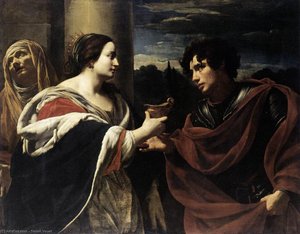
Simon Vouet’s “St. Jerome and the Angel,” painted in 1622, is more than just a depiction of a biblical scene; it's a carefully constructed meditation on divine guidance, spiritual contemplation, and the interplay between earthly and celestial realms. This masterful work, housed within the National Gallery of Art in Washington D.C., exemplifies the burgeoning Baroque style’s embrace of dramatic lighting, nuanced emotion, and a heightened sense of realism that distinguished it from the preceding Mannerism. The painting immediately draws the viewer into a scene brimming with quiet intensity – a moment of profound communication between the venerable Saint Jerome, known for his dedication to prayer and translation of the Bible, and the radiant angel who appears before him.
Vouet’s technical prowess is evident in every brushstroke. He skillfully employs *chiaroscuro*, a technique borrowed from Caravaggio, to create a dramatic contrast between light and shadow. The angel, bathed in an ethereal glow, stands in sharp relief against the darker, more muted tones of Jerome's robe and the shadowed background. This deliberate use of light isn’t merely aesthetic; it serves to emphasize the angel’s divine presence and the transformative nature of his message. The composition is carefully balanced – Jerome, a figure of venerable age and contemplative posture, occupies the lower portion of the canvas, while the dynamic angel dominates the upper register, creating a visual hierarchy that underscores their roles in the narrative.
A Renaissance Vision with Baroque Flair
Painted during Vouet’s extended sojourn in Rome, “St. Jerome and the Angel” reflects the profound influence of Italian art on French painting at the time. Vouet had immersed himself in the works of masters like Caravaggio, Paolo Veronese, and the Carracci brothers, absorbing their techniques and philosophies. However, he didn’t simply mimic these artists; instead, he synthesized their innovations with his own distinctive style, creating a uniquely French interpretation of the Baroque aesthetic. The painting showcases a move away from the stylized poses and flattened perspectives of Mannerism towards a more naturalistic approach to form and space – a hallmark of the emerging Baroque style.
The historical context is crucial to understanding the work’s significance. The early 17th century was a period of intense religious fervor in Europe, fueled by the Counter-Reformation. Paintings like this one were often commissioned by the Catholic Church as didactic tools – intended to inspire piety and reinforce orthodox doctrine. The scene of St. Jerome receiving divine guidance speaks directly to this purpose, offering a visual representation of faith, humility, and the promise of salvation.
Symbolism and Emotional Resonance
Beyond its religious subject matter, “St. Jerome and the Angel” is rich in symbolic detail. The book held by Jerome represents his life’s work – the translation of the Bible into Latin. The angel's outstretched hand and pointing finger symbolize divine instruction and revelation. The cup at the center of the image may represent the Holy Spirit or a symbol of spiritual nourishment. Notably, the angel is depicted not as a majestic, imposing figure but as a youthful, almost mischievous presence – suggesting that divine guidance can be both challenging and joyful.
The emotional impact of the painting is profound. The quiet intensity of Jerome’s expression, combined with the radiant beauty of the angel, evokes a sense of reverence and wonder. The scene invites viewers to contemplate their own relationship with faith and the possibility of receiving divine guidance in their lives. It's a moment suspended in time – a dialogue between man and God, rendered with exquisite skill and profound sensitivity.
A Legacy of Light and Shadow
Simon Vouet’s “St. Jerome and the Angel” stands as a testament to his artistic genius and his pivotal role in shaping the course of French painting. It exemplifies the transition from Mannerism to Baroque, showcasing the innovative techniques and stylistic choices that defined this transformative period. Today, reproductions of this captivating work continue to inspire artists and collectors alike, offering a glimpse into a world where faith, beauty, and light converge in a timeless tableau.
الأسئلة والأجوبة
في أي عمر أبدع سيمون فوي لوحة "St Jerome and the Angel"؟
عندما أُبدع العمل "St Jerome and the Angel" في عام 1622، كان عمر الفنان سيمون فوي - المولود في 1590 - هو 32 عاماً.
ما هو اتجاه لوحة "St Jerome and the Angel" للفنان سيمون فوي؟
تأتي لوحة "St Jerome and the Angel" بتنسيق Landscape، وهو أمر مفيد عند التخطيط لمكان وضع النسخة المطبعة.
كيف يلتقي الأسلوب الفني مع العصر في "St Jerome and the Angel" للفنان سيمون فوي؟
في "St Jerome and the Angel" للفنان سيمون فوي، تلتقي حركة Baroque Painting مع عصر العصر الحديث المبكر.
نبذة عن الفنان
سيمون فوييه: رائد الرسم الباروكي الفرنسي
- تاريخ الميلاد: 9 يناير 1590، باريس، فرنسا
- تاريخ الوفاة: 30 يونيو 1649، باريس، فرنسا
كان سيمون فوييه شخصية محورية في انتقال الرسم الفرنسي من أسلوب المانييريزم إلى الأسلوب الباروكي. وُلد فوييه لعائلة فنية؛ حيث كان والده لوران رسامًا، وأخوه أوبان يمارس الفن أيضًا؛ وتلقى تدريبًا مبكرًا وضع الأساس لنجاحه المستقبلي. وسيكمل حفيده، لودوفيكو دوريني، الإرث الفني للعائلة.
المسيرة المبكرة والتأثيرات الإيطالية (1608-1627)
- البورتريه المبكر: بدأ فوييه مسيرته كرسام للبورتريه، مُظهراً موهبة مبكرة.
- السفر إلى إنجلترا (1608): في سن الرابعة عشرة، سافر إلى إنجلترا لرسم بورتريه بتكليف، مما أظهر سمعته المتنامية.
- الإمبراطورية العثمانية والبندقية: في عام 1611، انضم فوييه إلى موكب البارون دي سانسي، السفير الفرنسي في الإمبراطورية العثمانية، مرة أخرى للعمل في مجال البورتريه. أخذته هذه الرحلة عبر القسطنطينية ثم إلى البندقية عام 1612.
- روما (1614-1627): أثبتت فترة إقامته في روما أنها كانت تحويلية. بقي هناك لثلاثة عشر عامًا، مغموراً في المشهد الفني النابض بالحياة لفترة الباروك المزدهرة.
خلال إقامته الإيطالية، استوعب فوييه مجموعة متنوعة من التأثيرات. فقد درس تقنيات الإضاءة الدرامية التي ابتكرها كارافاجيو، واحتضن عناصر المانييريزم الإيطالي، وحلل بدقة لوحات الألوان والمنظور di sotto in su (المنظور المُقاصَر) الذي استخدمه باولو فيرونيزي. كما استلهم من أعمال كاراتشي وغويرتشينو ولانفرانكو وغيدو ريني، مُركباً هذه الأساليب المتنوعة في رؤية فنية فريدة.
تطور أسلوب فوييه المميز
- الانتخاب في أكاديمية سان لوكا (1624): بلغت نجاحاته في روما ذروتها بتنصيبه رئيساً لأكاديمية سان لوكا المرموقة، وهو دليل على مهارته واعترافه في عالم الفن الإيطالي.
- توليف التأثيرات: تميز أسلوب فوييه بقدرته على استيعاب وتكثيف مختلف التأثيرات الفنية. لم يكتفِ بالنسخ؛ بل دمج هذه العناصر في جمالية باروكية متماسكة وذات طابع إيطالي واضح.
- تقديم الباروك إلى فرنسا: عند عودته إلى فرنسا عام 1627، لعب فوييه دوراً حاسماً في تقديم الأسلوب الباروكي الإيطالي للرسم الفرنسي، مما أثر بشكل كبير على المشهد الفني للبلاد.
الإنجازات والإرث العظيم
- الرسام الأول للملك: عُين فوييه Premier peintre du Roi (أول رسام للملك) – وهو منصب يحمل هيبة وتأثيراً كبيرين.
- الورشة المزدهرة: حافظ على ورشة عمل كبيرة ونشطة، حيث درّب العديد من الفنانين الذين شكلوا الجيل اللاحق من الرسامين الفرنسيين.
- التلاميذ البارزون: كان من بين تلاميذه الأكثر تأثيراً شارل لو برون (الذي نظّم لاحقاً جميع اللوحات الزخرفية في فرساي)، وفالنتين دي بولوني، وشارل ألفونس دو فريسنوي، وبيير ميغنار، ويستاش لو سويور، وكلود ميلان.
- التأثير على الفن الفرنسي: امتد تأثير فوييه إلى ما وراء أعماله الخاصة؛ فقد حمل تلاميذه أسلوبه وتقنياته في جميع أنحاء فرنسا، مؤسسين مدرسة رسم باروكية مميزة. ويتجلى تأثيره بشكل خاص في المخططات الزخرفية الكبرى التي كلف بها لويس الرابع عشر.
الأهمية التاريخية
يرتكز إرث سيمون فوييه على دوره المحوري كجسر بين الفن الإيطالي والفرنسي. فقد نجح في استيراد ديناميكية وعظمة الباروك الإيطالي، وحوّلها إلى أسلوب لاقى صدى لدى أذواق البلاط الأرستقراطي الفرنسي. إن تأثيره لا يمكن إنكاره في تطور الرسم الفرنسي خلال القرن السابع عشر، ولا تزال مساهماته محط تقدير مؤرخات الفن حتى يومنا هذا.

سيمون فوي
1590 - 1649 , فرنسا
لمحة سريعة
- Artistic Movement Or Style: اللوحة الباروكية
- Artists Or Movements Influenced By This Artist:
- شارل لو برون
- فالنتين دي بولوني
- اللوحة الباروكية الفرنسية
- Artists Who Influenced This Artist:
- كارافاجيو
- باولو فيرونيزي
- كاراكي
- غويرتشينو
- لانفرانكو
- غيدو ريني
- Date Of Birth: 9 يناير 1590
- Date Of Death: 30 يونيو 1649
- Full Name: سايمون فوييه
- Nationality: فرنسي
- Place Of Birth: باريس، فرنسا
مقالات ذات صلة

Celestial Messengers: A Comprehensive Exploration of Angelic Representation in Art History
Explore the captivating history of angels in art! Discover symbolism, iconic Renaissance masterpieces & renowned artists. Expert insights for art lovers & collectors at OriginalUniqueArt.
Simon Vouet: A Baroque Master's Journey from Italian Influence to French Classicism
Explore the life & art of Simon Vouet, a pivotal French Baroque painter who introduced Italian styles to France. Discover his masterpieces and lasting influence on 17th-century art.

دراما الباروك: إحياء الفخامة والعاطفة في الدواخل المعاصرة
اكتشف سحر الباروك! دليل شامل حول الحركة الفنية، عناصرها الجمالية، وكيفية دمج فخامتها وعاطفتها في الدواخل المعاصرة. نصائح من خبراء OriginalUniqueArt لإضفاء لمسة باروكية على منزلك.
Charles Le Brun: Master of French Baroque Classicism & His Enduring Legacy
Explore the life & art of Charles Le Brun, master of French Baroque Classicism. Discover his royal commissions, influence on Versailles, and enduring legacy through detailed analysis & stunning artworks.

Celestial Messengers: Angels in Painting – A Historical & Artistic Exploration
Explore the captivating history of angels in painting! Discover symbolism, iconic Renaissance & Byzantine masterpieces, and renowned artists. Expert insights for art lovers & collectors at OriginalUniqueArt.