

 معاينة الحجم الحقيقي
 مشاركة
 مشاركة
 التفاصيل

 تحميل الملف
 قطع مشابهة
 الأشعة السينية
 عرض شرائح
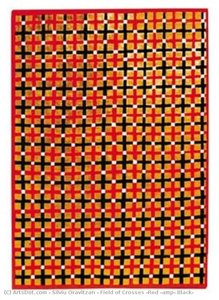
The Light
 Neo Orthodoxism
 1998
1998 300.0 x 300.0 cm
 عرض المزيد
نسخة زيتية مصنوعة يدوياً
لوحة زيتية مرسومة يدوياً على الكانفاس بالمقاس والإطار الذي تفضله، تُنفذ حسب الطلب على أيدي فنانينا. ( اشترِ نسخة مطبوعة اشترِ الصورة)




































اختر من بين أحجامنا المُعدّة مسبقًا والتي تتطابق مع النسب الأصلية للعمل الفني.

يمكنك إدخال أبعادك الخاصة لتناسب إطارًا معينًا أو مساحة محددة. وإذا لم يتطابق الحجم الذي اخترته مع نسب الصورة الأصلية، فسنقوم إما بقص العمل الفني أو توسيع اللوحة بإضافة عناصر مرسومة يدويًا. سيتم إرسال نموذج رقمي إليك للموافقة عليه قبل بدء الإنتاج.
يرجى ملاحظة أن المعاينة على الشاشة لا تعكس عملية القص أو التوسيع الفعلية؛ حيث إن النموذج الرقمي وحده هو الذي سيوضح التكوين النهائي بدقة.
وعلى الرغم من توفر أحجام مخصصة، إلا أننا نوصي باختيار أبعاد من القائمة المحددة مسبقًا للحفاظ على النسب الأصلية للعمل الفني.
بعد إتمام الطلب، سيرسل فريق OriginalUniqueArt.com بريداً إلكترونياً للعميل لطلب التعليمات وتزويده بمعاينة تجريبية (mockup).
توصيل عالمي إلى خلال 3 إلى 4 أسابيع بدلاً من المدة المعتادة البالغة 5 أسابيع. (27 أغسطس). جودة لا تهاون فيها.

شحن سريع ومجاني لجميع أنحاء العالم

قماش كتان عالي الجودة

تأمين شحن شامل

ضمان استرداد الرسوم الجمركية

ضمان مطابقة الألوان الحقيقية

سياسة الإرجاع خلال 60 يومًا (في حالات العيوب فقط)

ضمان استرداد نقدي بنسبة 100%

خصم عند طلب عدة قطع
 خيار الزجاج متاح فقط للمقاسات التي تقل عن 110 سم

The Light
خامة إعادة الإنتاج
مقاس النسخة المطبوعة
-


السعر الإجمالي النهائي
$ 300
السيرة الذاتية للفنان
The Luminous Geometry of Silviu Oravitzan
Born in the quiet village of Ciclova-Montană, Romania, in 1941, Silviu Oravitzan emerged as a profound and singular voice within the landscape of Romanian Neo-Orthodox art. His journey is not merely one of personal development but a spiritual odyssey that seeks to bridge the gap between the ancient traditions of the East and the avant-garde movements of the West. Growing up in the Caraș-Severin region, Oravical's early life was shaped by a deep connection to his cultural roots, yet his intellectual curiosity eventually led him far beyond the borders of his homeland. Through extensive travels across Greece, Italy, France, Germany, and Austria, he absorbed a diverse palette of European influences, which he would later distill into a highly personal language of geometric abstraction.
Oravitzan’s work is characterized by an intense preoccupation with what he calls the primordial light. This is not a mere fascination with luminosity in the physical sense, but a theological pursuit to capture the very essence of divine presence through pigment and form. His canvases often function as windows into a spiritual dimension, where intricate grids and rhythmic patterns serve as conduits for transcendence. By utilizing the visual vocabulary of Byzantine iconography—the structured, symbolic, and eternal—he translates the profound mysteries of Orthodox Christian spirituality into a modern, abstract dialect. In his hands, the rigid geometry of a square or a line becomes a vessel for the infinite, inviting the viewer to move past the material surface and encounter a sense of sacred stillness.
A Legacy of Artistic Integrity and Controversy
The trajectory of Oravitzan’s career was marked by both immense creative breakthroughs and significant social friction. He rose to prominence during a period of intense debate regarding the direction of Romanian art following the shifts of 1989, positioning himself as an uncompromising advocate for genuine expression against the tide of simplistic cultural interpretations. His commitment to his vision often placed him at odds with the established art circles of his time; most notably, his 1985 solo exhibition at the Dalles Hall in Bucharest became a flashpoint of controversy. The exhibition faced vehement opposition and subsequent closure, yet such setbacks only served to solidify his reputation as an artist who refused to sacrifice artistic integrity for social or political ease.
Beyond the canvas, Oravitzan’s contributions to the intellectual life of Romania were equally significant. His dedication to exploring the intersections of faith and culture led him to engage deeply with the Romanian Institute for Inter-Orthodox, Interconfessional and Interreligious Studies between 2005 and 2015. This period of scholarly and spiritual inquiry mirrored the themes found in his paintings, reinforcing the idea that his art was an extension of a much larger, lived philosophy. His life’s work remains a testament to the power of Neo-Orthodoxism—a movement that does not look backward with nostalgia, but forward, using the ancient echoes of the past to illuminate the complexities of the modern soul.
The enduring significance of Silviu Oravitzan can be summarized through several key pillars of his contribution to art history:
- Synthesis of Traditions: The seamless integration of Byzantine iconographic principles with contemporary geometric abstraction.
- Spiritual Innovation: The development of a unique aesthetic language designed to evoke the theological concept of divine light.
- Cultural Resilience: A career defined by the courage to maintain artistic autonomy amidst political and institutional pressure.
- Global Perspective: An enriched artistic vocabulary derived from a deep engagement with the diverse cultural landscapes of Europe.
Silviu Oravitzan
1941 - , Romania
حقائق سريعة
- Artistic Movement Or Style: Neo-Orthodoxism
- Artists Who Influenced This Artist:
- Horia Bernea
- Sorin Dumitrescu
- Date Of Birth: October 4, 1941
- Full Name: Silviu Oravitzan
- Nationality: Romanian
- Notable Artworks:
- Woven Light
- Field of Crosses (Red & Black)
- Place Of Birth: Ciclova-Montană, Romania

