
 معاينة الحجم الواقعي
 مشاركة
 مشاركة
 التفاصيل
 دليل
دليل

 تحميل الملف
 قطع مشابهة
 الأشعة السينية
 عرض شرائح
 الأسئلة والأجوبة
 الإحصائيات
La visita

- 31.0 x 60.0 cm


 عرض المزيد
طباعة جيلي / مطبوعات فنية
طباعة جيكلي أو كانفاس بجودة المتاحف، مع سرعة في التنفيذ وخيارات متنوعة للتشطيب. ( شراء لوحة مرسومة يدويًا الانتقال إلى الصورة الرقمية)




P118B E£10

P118H E£10

P118W E£10

P438Z E£10

P508JH E£12

P508YH E£12

P805H E£10

P805Z E£10

P919BZ E£10

P919G E£10

P919XJ E£10

P959ZH E£10

P968JZ E£12

W106C E£8

W218G E£10

W218JH E£8

W218Y E£10

W307PJ E£10

W316G E£10

W316PJ E£8

W316Y E£10

W398PJ E£8

W4111J E£10

W500HY E£15

W500JH E£15

W692G E£12

W849H E£8

W940BG E£15

W953PJ E£8




اختر من بين أحجامنا المُعدّة مسبقاً والتي تتوافق مع النسب الأصلية للعمل الفني.

أدخل العرض والارتفاع المطلوبين ليتناسب المقاس مع إطارك أو جدارك. يرجى الملاحظة أن المطبوعة يمكن قصها فقط ولا يمكن تكبيرها لتتجاوز أبعاد الصورة الأصلية، لذا فإن اختيار مقاس بأبعاد مختلفة سيؤدي إلى فقدان جزء من الصورة. سنرسل لك نموذجاً رقمياً تجريبياً لاعتماده قبل البدء في عملية الطباعة. الصورة المعروضة في هذه الصفحة لا توضح شكل القص الفعلي — النموذج التجريبي فقط هو ما يظهر ذلك بدقة.
توصيل عالمي إلى خلال أسبوعين بدلاً من المدة القياسية البالغة 4/5 أسابيع. (8 نوفمبر)

شحن سريع ومجاني لجميع أنحاء العالم

قماش كتان عالي الجودة

تأمين شامل على الشحن

ضمان استرداد الرسوم الجمركية

ضمان مطابقة الألوان الحقيقية

سياسة الإرجاع خلال 100 يوم (في حالات العيوب فقط)

ضمان استرداد نقدي بنسبة 100%

خصم عند طلب كميات
 خيار الزجاج متاح فقط للمقاسات التي تقل عن 110 سم

La visita
طباعة جيلي / مطبوعات فنية
مقاس النسخة المطبوعة
-


إجمالي السعر النهائي
E£ 4243
Silvestro Lega’s “La Visita”: A Snapshot of Florentine Social Life
Silvestro Lega's "La Visita," painted in 1868, isn’t merely a depiction of a street scene; it’s a meticulously observed study of human interaction—a fleeting moment captured with remarkable sensitivity and realism. This oil-on-canvas work, currently residing within the Galleria Nazionale d'Arte Moderna e Contemporanea in Rome, offers a fascinating glimpse into the social dynamics of late 19th-century Florence, revealing a world both familiar and subtly distant from our own.
The painting immediately draws the eye to its central composition: five individuals arranged on a modest street corner. Lega masterfully employs a balanced arrangement—a gentleman leaning against a wall, two figures engaged in animated conversation, and another pair positioned slightly further back—creating a sense of quiet activity and understated drama. A weathered bench provides a grounding element, while strategically placed potted plants introduce a touch of verdant life into the urban setting. It’s a scene that feels utterly ordinary yet possesses an undeniable charm, inviting the viewer to step into this intimate tableau.
Realism and the Macchiaioli Movement
Lega's artistic approach firmly aligns with the tenets of the Macchiaioli movement, a group of Italian painters who championed direct observation and rejection of academic conventions. The Macchiaioli sought to capture the essence of their subjects through bold brushstrokes and vibrant color patches—a technique known as “macchia,” meaning ‘spot’ or ‘dab.’ Lega's use of loose, expressive brushwork is characteristic of this style, lending a sense of immediacy and spontaneity to the scene. The colors are rich and earthy, reflecting the natural light filtering through the buildings and creating a warm, inviting atmosphere.
Furthermore, Lega’s training under Luigi Mussini instilled in him a deep appreciation for 15th-century Florentine art, particularly the work of Masaccio and Botticelli. This influence is evident in his careful attention to detail, his realistic portrayal of figures, and his skillful use of perspective. However, unlike the idealized forms often found in academic painting, Lega’s figures possess a palpable sense of humanity—their faces etched with subtle expressions of curiosity, amusement, or perhaps even quiet contemplation.
Symbolism and Social Commentary
Beyond its technical merits, “La Visita” is rich in symbolic meaning. The scene unfolds during a period of significant social change in Italy, marked by the unification of the country and the rise of industrialization. Lega’s painting captures a moment of casual interaction—a simple gathering that speaks volumes about the rhythms of daily life. The figures are not engaged in any grand or momentous event; they are simply enjoying each other's company, sharing a brief respite from the pressures of urban existence.
The gentleman leaning against the wall could be interpreted as a symbol of quiet observation—a detached witness to the unfolding drama of human interaction. The two figures engaged in conversation represent the vitality and dynamism of Florentine society. And the pair positioned further back suggest a sense of distance or anonymity, reminding us that we are merely observers of this fleeting moment in time.
A Window into 19th-Century Florence
“La Visita” is more than just a painting; it’s a valuable historical document—a window into the social and cultural landscape of 19th-century Florence. It offers insights into the daily lives, customs, and values of the Florentine people. The painting's enduring appeal lies in its ability to evoke a sense of nostalgia for a bygone era—a time when life moved at a slower pace and human connection was valued above all else.
Today, “La Visita” continues to captivate viewers with its understated beauty and profound emotional resonance. It’s a testament to Lega's artistic skill and his remarkable ability to capture the essence of human experience—a timeless masterpiece that speaks to our shared humanity.
الأسئلة والأجوبة
من هو الفنان الذي يُنسب إليه العمل "La visita"؟
تم إبداع "La visita" بواسطة سيلفيسترو ليغا. وتصف المعلومات الواردة في هذه الصفحة العمل الأصلي لـ سيلفيسترو ليغا.
ما مدى تشبع وكثافة الألوان في "La visita" للفنان سيلفيسترو ليغا؟
تتميز لوحة "La visita" للفنان سيلفيسترو ليغا بدرجة تشبع تبلغ Subtle Color وكثافة لونية تصل إلى Balanced.
كيف يمكنني مشاهدة "La visita" للفنان سيلفيسترو ليغا كعرض شرائح؟
يمكن عرض "La visita" للفنان سيلفيسترو ليغا كعرض شرائح في صفحة عرض شرائح الخاصة بالعمل الفني.
السيرة الذاتية للفنان
سيلفيسترو ليجا: حياة في قلب الواقعية الإيطالية
ولد سيلفيسترو ليجا في مودينيانا، إيطاليا عام 1826 وتوفي عام 1895، وكان شخصية بارزة في الفن الإيطالي في القرن التاسع عشر. يُعتبر أحد أبرز فناني حركة الماكيايولي، وتميزت أعماله بالتزامه بالواقعية وملاحظة الحياة اليومية، بالإضافة إلى مشاركته في التيارات السياسية في عصره. لم يكن ليجا مجرد رسام؛ بل كان مؤرخًا بصريًا لحقبة مضطربة، وفنانًا استطاع أن يجسد روح إيطاليا المتغيرة ببراعة وإحساس عميق.
النشأة والتعليم: بذرة الفنان
ينتمي ليجا إلى عائلة ثرية في مودينيانا بالقرب من فورلي. تلقى تعليمه الأولي في مدرسة بياريست، حيث ظهرت موهبته الفطرية في الرسم. التحق بأكاديمية بيليه آرتي في فلورنسا عام 1843 واستمر فيها حتى عام 1847، تحت إشراف بنديتو سيرفوليني وتومازو غازاريني للرسم، ثم درس لفترة وجيزة مع جوزيبي بيزولي. كان لتدريبه المستمر تحت قيادة لويجي موسيني تأثير كبير عليه، حيث أكد موسيني على مبادئ الرسم والبناء التي تعود إلى القرن الخامس عشر في فلورنسا. شكل هذا الأساس المتين نقطة انطلاق مهمة في مسيرته الفنية المبكرة.
لم يقتصر طموح ليجا على الاستوديو؛ فقد شارك كمتطوع في حملات الوحدة الإيطالية (1848-1849)، مما يدل على التزامه بالقضية الوطنية. بعد ذلك، واصل دراسته تحت إشراف أنطونيو تشيزري، مما أتاح له استكشاف آفاق فنية جديدة.
حركة الماكيايولي والتطور الفني: البحث عن الضوء واللون
في البداية، احتفظ ليجا بأسلوب أكاديمي تقليدي إلى حد ما، كما لاحظ معاصره دييجو مارتيلي الذي أشار إلى مشاركته النادرة في المناقشات الفنية الحيوية التي كانت تدور في كافيه ميشيل أنجلو، وهو مركز للرسامين الشباب. ومع ذلك، بحلول عام 1859، بدأ عمله يتحول نحو الواقعية، مبتعدًا عن النهج الصارم لموسيني. يتضح هذا التطور في اللوحات الجدارية التي رسمها لأوراتوريو مادونا ديل كانتوني في مودينيانا (1858-1863). انضم ليجا إلى زملائه من حركة الماكيايولي – أودواردو بوراني، وجوزيبي أباتي، وتيليماكو سيجنوريني، ورافاييللو سيرنيسي – في تبني الرسم في الهواء الطلق (en plein air)، ومراقبة الطبيعة مباشرةً والتقاط الفروق الدقيقة للمناظر الطبيعية.
شكلت فترة عائلة باتيلي (1861-1870) منعطفًا حاسمًا في حياة ليجا. أمضى هذه الفترة مع عائلة باتيلي بالقرب من نهر أفريكو، وأثر هذا الوقت بعمق على فنه، حيث صور أطفالهم والنساء في العديد من اللوحات، مما يعكس إحساسًا بالهدوء المنزلي والتناغم.
أعمال رئيسية وأسلوب فني: بين التقاليد والحداثة
تعتبر لوحة "نزهة في الحديقة" (1870) و "البرغولا" (المعروفة أيضًا باسم "بعد الظهر") (1864) و "بيت دون جيوفاني فيريتا" (1885) و "في الحديقة" (1883) و "حديقة في بيلا ريفا" (1884) من بين أشهر أعمال ليجا. يتميز أسلوبه بتوازن دقيق بين التكوين التقليدي والاستخدام المعاصر للألوان، المستمد من الملاحظة المباشرة. استخدم أشكالًا محددة بعناية وقدم الأجواء بشفافية الألوان. تظهر أعماله اللاحقة تأثيرًا انطباعيًا.
غالبًا ما تصور لوحاته مشاهد من الحياة الريفية، وتجمعات عائلية، وصور شخصية، مما يعكس التركيز على التجارب اليومية للناس العاديين. لم يكن ليجا يسعى إلى تصوير الواقع بشكل مثالي؛ بل كان يهدف إلى التقاط جوهره وعواطفه.
السنوات الأخيرة والإرث: فنان حتى النهاية
عانى ليجا من مأساة شخصية كبيرة بخسارة فيرجينيا باتيلي (شريكته) وثلاثة أشقاء، مما أدى إلى دخوله في حالة من الحزن والاكتئاب العميق عام 1870. أدت هذه الفترة إلى توقف دام أربع سنوات عن الرسم (1874-1878). على الرغم من صراعاته الشخصية، ظل ليجا منخرطًا في عالم الفن. أعجب بأعمال كاميل بيسارو وأنشأ معرضًا فنيًا في فلورنسا مع أودواردو بوراني، لكنه لم يدم طويلاً.
في سنواته الأخيرة، أصبح معلمًا لأبناء عائلة توماسي، ووجد استقرارًا جديدًا وإلهامًا فنيًا. تظهر أعماله النهائية، مثل "الجابارجيان"، التزامه المستمر بالواقعية على الرغم من تدهور بصره. يكمن مساهمة سيلفيسترو ليجا في قدرته على دمج التقنيات التركيبية التقليدية مع الجمالية الواقعية الناشئة لحركة الماكيايولي. لقد جسد جوهر الحياة الإيطالية بحساسية ومهارة، تاركًا وراءه مجموعة من الأعمال التي لا تزال تتردد صداها لدى الجمهور حتى اليوم. تركيزه على الموضوعات اليومية رفعها إلى أهمية فنية، مما ساهم في التحول الأوسع نحو الواقعية في الفن الأوروبي في القرن التاسع عشر.

سيلفيسترو ليغا
1826 - 1895 , إيطاليا
حقائق سريعة
- أعمال بارزة:
- المشي في الحديقة
- بيرغولاتو
- بيت دون جيوفاني
- الاسم الكامل: سيلفيسترو ليجا
- الجنسية: إيطالي
- الحركة الفنية: الواقعية، الماكيايولي
- تاريخ الميلاد: 1826
- تاريخ الوفاة: 1895
- حركات فنية متأثرة: ['الانطباعية']
- فنانون مؤثرون:
- لويجي موسيني
- أنطونيو تشيزري
- مكان الميلاد: موديغليانا، إيطاليا
مقالات ذات صلة

أروع 25 لوحة فنية في بينالي فينيسيا: تحف فنية تزين منزلك
اكتشف أروع 25 لوحة فنية في بينالي فينيسيا! رحلة عبر تاريخ الفن الإيطالي، روائع تجريدية وواقعية من أشهر الرسامين. ديكور فاخر ولوحات زيتية عالية الجودة على OriginalUniqueArt.com

Romantic Realism's Finest: 10 Masterpieces for Your Home | OriginalUniqueArt
Explore 10 defining masterpieces of Romantic Realism! Discover Courbet, Millet & Daumier's powerful paintings—capturing emotion and social realities. Find museum-quality reproductions for your home at OriginalUniqueArt.com.

Echoes of Society: Exploring Social Realism's Enduring Legacy in Art
Explore the powerful world of Social Realism art! Discover key artists, masterpieces & its profound social commentary. Expert insights into this influential movement's history and enduring legacy.
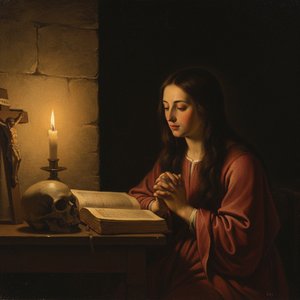
Georges de La Tour: Luminosity, Spirituality & Realism in Baroque Painting
Discover the captivating world of Georges de La Tour, a Baroque master renowned for his dramatic chiaroscuro & spiritual realism. Explore key works, influences, and his remarkable rediscovery. Learn more at OriginalUniqueArt.

Giovanni Fattori: Realism, Identity & the Tuscan Landscape – A Macchiaioli Master
Explore the life & art of Giovanni Fattori, a leading figure of the Macchiaioli movement. Discover his revolutionary realism, captivating Tuscan landscapes, and lasting impact on Italian painting. Learn more at OriginalUniqueArt.