

 معاينة الحجم الواقعي
 إرسال
إرسال مشاركة
 عرض التفاصيل
 دليل الأعمال الفنية للطلاب

 تحميل
تحميل
 قطع مشابهة
 الأشعة السينية
 عرض شرائح متتابع
 الإحصائيات
Grass and Insects


 اقرأ المزيد
نسخة زيتية مصنوعة يدوياً
لوحة زيتية مرسومة يدوياً على الكانفاس بالمقاس والإطار الذي تفضله، تُنفذ حسب الطلب على أيدي فنانينا. ( التبديل إلى المطبوعات التحويل إلى الصورة الرقمية)




P118B E£10

P118H E£10

P118W E£10

P438Z E£10

P508JH E£12

P508YH E£12

P805H E£10

P805Z E£10

P919BZ E£10

P919G E£10

P919XJ E£10

P959ZH E£10

P968JZ E£12

W106C E£8

W218G E£10

W218JH E£8

W218Y E£10

W307PJ E£10

W316G E£10

W316PJ E£8

W316Y E£10

W398PJ E£8

W4111J E£10

W500HY E£15

W500JH E£15

W692G E£12

W849H E£8

W940BG E£15

W953PJ E£8




اختر من بين أحجامنا المُعدّة مسبقاً والتي تتوافق مع النسب الأصلية للعمل الفني.

أدخل العرض والارتفاع اللذين تحتاجهما، ليتناسب العمل مع إطارك أو جدارك. وبما أن هذه اللوحة مرسومة يدوياً، ففي حال اختيار مقاس بشكل مختلف، يمكن للفنان رسم مساحة إضافية حول الصورة أو تقليصها قليلاً — الخيار لك. سنرسل لك نموذجاً رقمياً تجريبياً لاعتماده قبل البدء في الرسم. علماً بأن الصورة المعروضة في هذه الصفحة لا تعكس النتيجة النهائية الحقيقية — فالنموذج التجريبي هو الوحيد الذي يوضح ذلك بدقة.
بعد إتمام الطلب، سيرسل فريق OriginalUniqueArt.com بريداً إلكترونياً للعميل لطلب التعليمات وتزويده بمعاينة تجريبية (mockup).
توصيل عالمي إلى خلال 3 إلى 4 أسابيع بدلاً من المدة المعتادة البالغة 5 أسابيع. (25 أكتوبر). جودة لا تهاون فيها.

شحن سريع ومجاني لجميع أنحاء العالم

قماش كتان فاخر

تأمين شامل على الشحن

ضمان استرداد الرسوم الجمركية

ضمان دقة مطابقة الألوان

سياسة الإرجاع خلال 100 يوم (في حالات العيوب فقط)

ضمان استرداد نقدي بنسبة 100%

عرض خصم الكميات
 خيار الزجاج متاح فقط للمقاسات التي تقل عن 110 سم

Grass and Insects
وسيط إعادة الإنتاج
مقاس النسخة المطبوعة
-


إجمالي السعر
E£ 15526
Shin Saimdang’s “Grass and Insects”: A Symphony of Color and Quiet Observation
Shin Saimdang (1504–1551), a trailblazing female artist in Joseon dynasty Korea, stands as an emblem of intellectual curiosity and artistic prowess—a woman who defied societal constraints to pursue her passions for poetry, calligraphy, and painting. Her legacy resides not merely in the exquisite beauty of her artwork but also in its profound reflection of the era’s cultural values and philosophical ideals. This examination delves into “Grass and Insects,” one of her most celebrated panels from a monumental ten-panel folding screen—a masterpiece that encapsulates Saimdang's distinctive artistic vision and offers invaluable insight into Korean art history.A Window Into Joseon Aesthetic Principles
“Grass and Insects” exemplifies the dominant aesthetic sensibilities of the late 16th century, characterized by meticulous detail, harmonious color palettes, and a reverence for nature’s subtle grandeur. The screen embodies Neo-Confucian ideals—a belief system that prioritized moral cultivation alongside intellectual pursuits—reflected in Saimdang's careful composition and her masterful execution of brushstrokes. Unlike Western art traditions focused on dramatic narratives or idealized figures, Korean painting during this period favored contemplative scenes depicting landscapes and flora, intended to inspire serenity and contemplation. The screen’s overall design adheres to the principles of “Yonghwa,” meaning “harmonious beauty”—a concept central to Joseon artistic philosophy that sought to achieve balance between form and content.Technique and Material Considerations
Saimdang employed a technique rooted in meticulous observation and painstaking layering—a hallmark of Korean painting at the time. Using mineral pigments mixed with animal glue, she achieved remarkable luminosity and vibrancy, capturing the delicate textures of grass blades and the iridescent sheen of insects’ wings. The screen's surface is covered with thin layers of lacquer, providing protection while enhancing the colors and creating a tactile experience for the viewer. Furthermore, Saimdang skillfully utilized “Ma,” or negative space—a technique that deliberately leaves areas unfilled to create visual balance and emphasize the subject matter—demonstrating an understanding of compositional principles that transcended mere representation. The careful blending of pigments and meticulous brushwork contribute to the screen’s enduring beauty and artistic significance.Symbolism: Echoes of Confucian Thought
Beyond its technical brilliance, “Grass and Insects” resonates with deeper symbolic meanings rooted in Confucian cosmology—a worldview that viewed humanity as intrinsically linked to the natural world. The depiction of various insects—including beetles, dragonflies, cicadas, and moths—represents transformation and renewal—themes central to Confucian teachings concerning reincarnation and moral progress. Similarly, the inclusion of flowers like hibiscus, poppies, and lilies symbolizes purity and virtue—values upheld by Joseon society as markers of moral excellence. The meticulous rendering of grass blades underscores the importance of simplicity and humility—qualities considered essential for achieving inner harmony and cultivating compassion.Emotional Resonance: A Moment Frozen in Time
“Grass and Insects” transcends mere visual representation; it evokes a profound emotional response—a feeling of tranquility and appreciation for the beauty of the natural world. The screen’s muted color palette—dominated by greens, blues, and reds—creates an atmosphere of serenity and contemplation—inviting viewers to pause and reflect on the passage of time. Saimdang's masterful brushwork conveys a sense of quiet observation—capturing not just what is seen but also what is felt—a testament to her artistic sensitivity and her ability to communicate complex ideas through subtle visual cues. Viewing this artwork inspires contemplation about the interconnectedness of humanity and nature, reminding us of the enduring power of art to elevate our spirits and enrich our understanding of the human experience.Concluding Remarks: An Artistic Legacy Enduring Through Centuries
Shin Saimdang’s “Grass and Insects” remains a cornerstone of Korean art history—a testament to her artistic genius and her unwavering commitment to intellectual pursuits. Its harmonious composition, masterful technique, and evocative symbolism continue to captivate audiences today—serving as an enduring reminder of Joseon dynasty Korea's aesthetic ideals and its profound appreciation for the natural world. The screen’s legacy extends beyond its visual splendor; it embodies a spirit of contemplation and moral cultivation—values that resonate powerfully across cultures and generations—solidifying Saimdang’s place as one of Korea’s most celebrated artists and an inspiration to aspiring creatives everywhere.الأسئلة والأجوبة
ما مدى شهرة العمل الفني "Grass and Insects" للفنان شين سايمدانغ؟
مستوى الشهرة المسجل لـ "Grass and Insects" للفنان شين سايمدانغ هو Recognized.
في أي عام تم إبداع "Grass and Insects" للفنان شين سايمدانغ؟
أُبدع العمل الفني "Grass and Insects" للفنان شين سايمدانغ في عام 1500.
هل يمكن إعادة إنتاج صورة "Grass and Insects" للفنان شين سايمدانغ بحرية؟
تندرج لوحة "Grass and Insects" للفنان شين سايمدانغ ضمن ملك عام - انتهت مدة حماية حقوق الطبع والنشر الخاصة به. وتحدد هذه الحالة كيفية إعادة إنتاج صورة العمل الفني.
نبذة عن الفنان
فنانة رائدة في عصر جوسون بكوريا
شين سايمدانغ، تلك الفنانة متعددة المواهب من كوريا الجنوبية، عاشت خلال حقبة جوسون تاركةً بصمة لا تُمحى في تاريخ الفن الكوري. ولدت في 29 أكتوبر 1504 في غانغنون بمقاطعة غانغوون، ولم تكن مجرد رسامة فحسب، بل كانت أديبة وخطاطة وشاعرة مبدعة.البدايات المبكرة والنشأة الفنية
تجلت المواهب الفنية لـ شين سايمدانغ منذ نعومة أظفارها، ففي سن السابعة فقط، استطاعت محاكاة الأسلوب التصويري للفنان الكوري البارز آن غيون. ولا يزال منزل ولادتها "أوجوكهيون"، وهو أيضاً منزل عائلة والدتها، محفوظاً بعنايته حتى يومنا هذا ليشهد على تلك الجذور العريقة.الإسهامات الفنية والأسلوب الإبداعي
تتميز لوحات شين سايمدانغ بضربات فرشاة دقيقة وألوان حيوية، وهي تشكل جزءاً من شاشة طي مكونة من عشر لوحات. وتضم أعمالها، مثل لوحة الأعشاب والحشرات، مجموعة متنوعة من الموضوعات التي تشمل البطيخ، والباذنجان، وخشخاش، والكركديه، وأنواعاً مختلفة من الحشرات. ويمكن العثور على هذه اللوحات في المتحف الوطني الكوري (سيول، كوريا الجنوبية)، حيث لا تزال تلهم عشاق الفن عبر الأجيال.- شاهد أعمال شين سايمدانغ الفنية على OriginalUniqueArt: https://AllOriginalUniqueArt.com/@/shin-saimdang
- استكشف مجموعة المتحف الوطني الكوري: /en/art/show/national-museum-of-korea-seoul/
- اكتشف المزيد عن حركة فن عصر جوسون: حركة فن عصر جوسون
الإرث والأثر الخالد
يمتد إرث شين سايمدانغ إلى ما هو أبعد من أعمالها الفنية، فهي تُعرف أيضاً بكونها والدة يي إي، العالم والسياسي الشهير في عصر جوسون. إن حياتها وأعمالها تمثل مصدر إلهام للكثيرين، حيث تجسد جوهر الفن الكوري خلال فترة جوسون. أبرز أعمال شين سايمدانغ:- الأعشاب والحشرات (المتحف الوطني الكوري، سيول، كوريا الجنوبية)
- أعمال بارزة أخرى تتميز بضربات فرشاة دقيقة وألوان زاهية وواضحة، وهي جزء من شاشة طي مكونة من عشر لوحات.
- آن غيون، رسام كوري بارز آخر من أوائل عصر جوسون.

شين سايمدانغ
1504 - 1551 , كورييا الجنوبية
لمحة سريعة
- Artistic Movement Or Style: فن سلالة جوسون
- Artists Or Movements Influenced By This Artist: فن سلالة جوسون
- Artists Who Influenced This Artist: آن غيون
- Date Of Birth: 29 أكتوبر 1504
- Date Of Death: 1551
- Full Name: شين سايمدانغ
- Nationality: كورية
- Notable Artworks: ['الأعشاب والحشرات']
- Place Of Birth: غاننيونغ، كوريا الجنوبية
مقالات ذات صلة
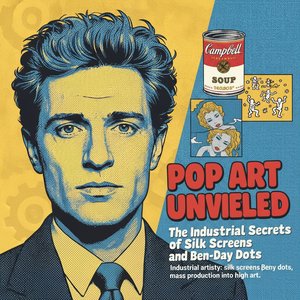
Pop Art Unveiled: The Industrial Secrets of Silk Screens and Ben-Day Dots
Explore the industrial artistry of Pop Art. Delve into the sophisticated history of Ben-Day dots and silk screen techniques that transformed mass media into high art, perfect for discerning collectors seeking deep historical insight and aesthetic excellence.
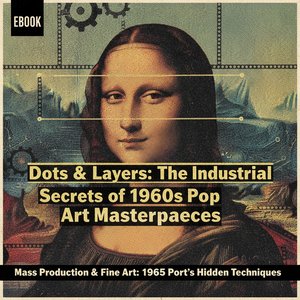
Dots & Screens: The Industrial Secrets Behind 1960s Pop Art Masterpieces
Explore the industrial secrets of 1960s Pop Art. Discover how Ben-Day dots and silk screening transformed mass media into masterpieces by Roy Lichtenstein. An in-depth look at the intersection of mechanical printing and fine art history for students and collectors.

Beyond the Screen: Transforming Personal Memories into Timeless AI-Driven Anime Masterpieces
Experience the magic of digital metamorphosis. Transform your cherished photos into stunning, hand-painted anime masterpieces using our proprietary AI technology and professional artists. Elevate your personal story with a timeless, high-quality oil painting on canvas.
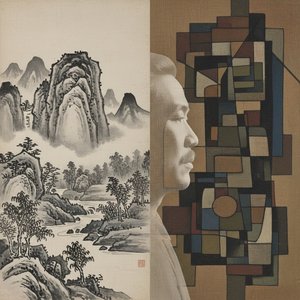
Yi Eungro: Bridging East & West in the Landscape of Korean Modernism
Explore the captivating world of Yi Eungro (Lee Ungno), a pivotal figure in Korean modernism. Discover his unique fusion of Eastern and Western artistic traditions, abstract masterpieces, and lasting legacy. A must-read for discerning art collectors.
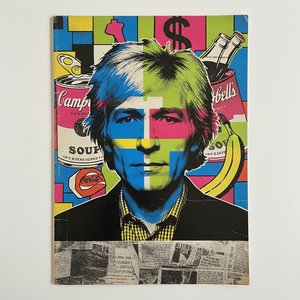
Andy Warhol: Deconstructing Pop Culture & Redefining Artistic Expression
Explore the revolutionary art of Andy Warhol & the Pop Art movement. Discover his iconic techniques, cultural impact, and investment potential. A guide for discerning collectors.