

 معاينة الحجم الحقيقي
 مشاركة
 مشاركة
 التفاصيل

 تحميل الملف
 قطع مشابهة
 الأشعة السينية
 عرض شرائح
 الإحصائيات
Death of Dido
 Oil On Canvas
- WallArt
- Baroque
 1637
1637 159.0 x 137.0 cm
 متحف الإرميتاج
 عرض المزيد
طباعة جيلي / مطبوعات فنية
طباعة جيكلي أو كانفاس بجودة المتاحف، مع سرعة في التنفيذ وخيارات متنوعة للتشطيب. ( اشترِ لوحة مرسومة يدويًا الانتقال إلى الصورة الرقمية)




P118B $10

P118H $10

P118W $10

P438Z $10

P508JH $12

P508YH $12

P805H $10

P805Z $10

P919BZ $10

P919G $10

P919XJ $10

P959ZH $10

P968JZ $12

W106C $8

W218G $10

W218JH $8

W218Y $10

W307PJ $10

W316G $10

W316PJ $8

W316Y $10

W398PJ $8

W4111J $10

W500HY $15

W500JH $15

W692G $12

W849H $8

W940BG $15

W953PJ $8




اختر من بين أحجامنا المُعدّة مسبقًا والتي تتطابق مع النسب الأصلية للعمل الفني.

يمكنك إدخال أبعادك الخاصة لتناسب إطاراً أو مساحة معينة. وإذا لم يتطابق الحجم الذي اخترته مع نسب الصورة الأصلية، فسنقوم إما بقص العمل الفني أو تمديد الصورة باستخدام حافة معكوسة أو بلون مصمت. سيتم إرسال نموذج تجريبي رقمي لاعتمادك قبل بدء الإنتاج.
يرجى ملاحظة أن المعاينة على الشاشة لا تعكس عملية القص أو التمديد الفعلية؛ حيث سيوضح النموذج التجريبي فقط التكوين النهائي بدقة.
وعلى الرغم من توفر أحجام مخصصة، إلا أننا نوصي باختيار أبعاد من القائمة المحددة مسبقاً للحفاظ على النسب الأصلية.
توصيل عالمي إلى خلال أسبوعين بدلاً من المدة القياسية البالغة 4/5 أسابيع. 17 سبتمبر

شحن سريع ومجاني لجميع أنحاء العالم

قماش كتان عالي الجودة

تأمين شحن شامل

ضمان استرداد الرسوم الجمركية

ضمان مطابقة الألوان الحقيقية

سياسة الإرجاع خلال 100 يوم (في حالات العيوب فقط)

ضمان استرداد نقدي بنسبة 100%

خصم عند طلب عدة قطع
 خيار الزجاج متاح فقط للمقاسات التي تقل عن 110 سم

Death of Dido
طباعة جيلي / مطبوعات فنية
مقاس النسخة المطبوعة
-


السعر الإجمالي النهائي
$ 80
The Tragic Beauty of "Death of Dido": A Baroque Masterpiece
Sébastien Bourdon’s “Death of Dido,” painted in 1637, is not merely a depiction of a legendary queen's demise; it’s a profound exploration of grief, betrayal, and the immutable power of fate. This monumental oil on canvas, measuring an impressive 159 x 137 cm, resides within the State Hermitage Museum in St. Petersburg, a testament to its enduring artistic merit. Bourdon, a pivotal figure in the Baroque movement, masterfully captures the raw emotion of this poignant scene drawn from Virgil’s epic poem, the Aeneid, transforming a classical narrative into a deeply resonant visual experience.
The composition immediately commands attention. Dido, draped in a flowing blue gown, lies supine on her bed, a sword poised delicately in her hand – an instrument of both destruction and liberation. Her face, etched with sorrow and defiance, is turned towards the departing ships of Aeneas, symbolizing the irrevocable loss of love and the end of her reign. Around her, a carefully orchestrated group of mourners—servants, women, and even a partially visible figure presumed to be her brother Acerbas – react with varying degrees of grief and shock. The scene is bathed in a dramatic chiaroscuro, characteristic of Bourdon’s style and deeply influenced by the Venetian masters he admired during his time in Rome. Light streams dramatically from an unseen source, highlighting Dido's form while casting deep shadows across the room, intensifying the sense of tragedy and despair.
A Story of Betrayal and Divine Intervention
The narrative itself is steeped in myth and heartbreak. Dido, a Phoenician princess, founded Carthage after fleeing persecution in Tyre. She fell passionately in love with Aeneas, a Trojan prince destined to found Rome. However, fate intervened – or so it seemed – as Aeneas was compelled by the gods to fulfill his destiny and leave her behind. The painting vividly portrays this moment of agonizing separation, capturing the devastating consequences of divine decree and human ambition. The inclusion of Mercury, the messenger god, subtly alluded to in the composition through a glimpse of his winged sandals amongst the departing ships, reinforces the notion that Dido’s fate was predetermined.
Bourdon's artistic choices are laden with symbolic meaning. The two vases positioned strategically within the scene – one on the left and another on the right – aren’t simply decorative elements; they likely represent offerings to the gods, acknowledging the role of divine forces in shaping Dido’s tragic end. The stark contrast between the vibrant colors of her gown and the muted tones of the surrounding figures further emphasizes her isolation and vulnerability. The overall effect is a powerful meditation on loss, duty, and the inescapable nature of destiny.
Bourdon's Baroque Vision
Sébastien Bourdon’s artistic journey was profoundly shaped by his time in Rome, where he encountered the revolutionary techniques of Caravaggio. Bourdon expertly employed *tenebrism*, a dramatic use of light and shadow, to create an atmosphere of intense emotionality. This technique, combined with his masterful rendering of textures – from the flowing fabric of Dido’s gown to the rough stone of the room – imbues the painting with remarkable realism and immediacy. His brushwork is loose and expressive, conveying a sense of urgency and movement that mirrors the drama unfolding within the scene.
Furthermore, Bourdon's understanding of classical composition—inherited from his training in France—is evident in the carefully balanced arrangement of figures and objects. The pyramidal structure of the composition draws the viewer’s eye towards Dido’s central form, while the diagonal lines created by the departing ships and her outstretched hand contribute to a dynamic sense of movement and instability. This masterful blend of classical principles and Baroque dynamism is what elevates “Death of Dido” beyond a simple historical depiction into a timeless work of art.
A Legacy of Dramatic Emotion
“Death of Dido” remains a compelling example of the emotional intensity that characterized the Baroque period. Bourdon’s ability to translate a complex mythological narrative into a visually arresting and emotionally resonant image is truly remarkable. The painting continues to captivate viewers with its depiction of profound sorrow, betrayal, and the enduring power of love—a testament to the artist's skill and the timelessness of the story he so powerfully portrays. Reproductions of this masterpiece offer an opportunity to experience the drama and beauty of Bourdon’s vision in a way that transcends time and space.
السيرة الذاتية للفنان
سيد الضوء والتنوع: حياة سيباستيان بوردون
سيباستيان بوردون (1616–1671) يظل أحد أكثر الشخصيات سحراً وتعدداً في جوانبها ضمن عصر الباروك الفرنسي في القرن السابع عشر. ولد في مونبلييه لعائلة من الفنانين البروتستانت، وتأثرت بدايات حياته بالتقاليد الفنية النابضة بالحياة، والمضطربة في كثير من الأحيان، لجنوب فرنسا. إن رحلته من متدرب شاب إلى عضو مؤسس في الأكاديمية الملكية للرسم والنحت هي شهادة على فكر عميق ومتقد، وقدرة لا تضاهى على استيعاب التيارات الأسلوبية في أوروبا. وبعد تدريباته الأولى في باريس، قادته مسارات بوردون عبر بوردو وتولوز قبل أن يصل إلى القلب الروحي والفني للقارة: روما. وفي إيطاليا، اشتعلت موهبته حقاً، حيث انغمس في أعمال أساتذة كبار مثل كارافاجيو، ونيكولا بوسان، وكلود لورين. وقد سمحت له هذه الفترة من الدراسة المكثفة بتطوير لغة بصرية فريدة، لغة يمكنها الانتقال بسلاسة من الواقعية الدرامية القاسية لمدرسة "الكارافاجيست" إلى الأناقة الكلاسيكية المضيئة للمدرسة البندقية.تطور الأسلوب والتقنية
إن ما يميز نتاج بوردون الفني حقاً هو سيولته الأسلوبية المذهلة، وهي صفة كانت تجذب أحياناً الإعجاب والنقد على حد سواء من معاصريه. وقد تميز تطوره بسلسلة من اللقاءات التحولية مع التقاليد الأوروبية المختلفة؛ فبعد زيارة محورية لمدينة البندقية، خضعت لوحة ألوانه لتحول عميق، حيث تراجعت التباينات الحادة التي ميزت تدريباته الأولى لتفسح المجال لاستخدام أغنى وأكثر جوية للألوان، مستلهماً ذلك من أساتذة البندقية. وقد سمح له هذا التطور بالتنقل ببراعة بين أنواع فنية متباينة؛ ففي فن البورتريه، غالباً ما تبنى أسلوباً روبنسياً أو فضل تكوينات حميمية تركز على نصف الجسد، لتلتقط العمق النفسي وأناقة موضوعاته، مثل النبيلة السويدية في لوحة الكونتيسة إيبا سباري. وعلى العكس من ذلك، استخدمت أعماله الدينية تقنية التضاد الضوئي (الكياروسكورو) الدرامية لإثارة الرهبة الروحية، ويتجلى ذلك بوضوح في تحفته الصرحية، صلب القديس بطرس، التي أبدعها لكاتدرائية نوتردام.الإرث والأهمية التاريخية
بعيداً عن لوحاته الفردية، لعب بوردون دوراً حاسماً في مأسسة الفن الفرنسي؛ فبصفته أحد المؤسسين المشاركين للأكاديمية الملكية عام 1648، ساعد في وضع معايير التميز التي ستحدد ملامح الرسم الفرنسي لأجيال متعاقبة. كما اتسمت مسيرته المهنية باتساع استثنائي في نطاق الخدمة؛ إذ قادته شهرته كرسام بورتريه بارز إلى بلاط الملكة كريستينا ملكة السويد، حيث عمل رساماً للبلاط، ناقلاً الجماليات الراقية لباريس وروما إلى ستوكهولم. وسواء كان يصور التوتر المروع في لوحة موسى والحية النحاسية أو العظمة الهادئة للمناظر الطبيعية الكلاسيكية، فإن أعمال بوردون تجسد الروح المزدوجة لعصر الباروك: الدراما العاطفية المكثفة للحالة الإنسانية، والسعي الفكري المتوازن نحو الجمال الكلاسيكي. إن قدرته على دمج التقاليد الطبيعية لفرنسا مع الأساليب الصرحية لإيطاليا تضمن له مكانة خالدة في سجل تاريخ الفن الأوروبي.
سيباستيان بوردون
1616 - 1671 , فرنسا
حقائق سريعة
- Artistic Movement Or Style: الباروك
- Artists Or Movements Influenced By This Artist: ['فن الباروك الفرنسي']
- Artists Who Influenced This Artist:
- نيكولا بوسان
- كلود لورين
- كارافاجيو
- Date Of Birth: 2 فبراير 1616
- Date Of Death: 8 مايو 1671
- Full Name: سيباستيان بوردون
- Nationality: فرنسي
- Notable Artworks:
- صلب القديس بطرس
- الإنزال
- Place Of Birth: مونبلييه، فرنسا
مقالات ذات صلة

Theatricality & Triumph: Baroque Drama in Painting & Sculpture
Explore the dramatic world of Baroque art! Discover its history, defining characteristics, & lasting influence on painting & sculpture. Expert insights into Caravaggio, Zurbarán, and Bernini – plus high-quality reproductions at OriginalUniqueArt.

The Visceral Stage: Exploring Dramatic Narratives & Emotional Intensity in Baroque Art
Explore the dramatic world of Baroque art! Discover iconic masters like Caravaggio & Rembrandt, their techniques, and the movement's lasting impact. Expert insights for collectors & enthusiasts at OriginalUniqueArt.

أعلى 10 روائع باروكية رسمت مسار الفن وجمالية الديكور | OriginalUniqueArt
اكتشف روائع عصر الباروك! استكشف 10 لوحات فنية خالدة مع كارافاجيو، رامبرانت وغيرهم. تاريخ الفن، أسلوب باروكي مذهل، و ديكور منزلي فاخر. تسوق إعادة إنتاج فني عالي الجودة على OriginalUniqueArt.com

The Dramatic Flourish: Exploring the Baroque Movement's Enduring Legacy in Art History
Explore the dramatic world of Baroque art! Discover iconic artists like Caravaggio & Rubens, defining techniques, and its lasting impact on art history. Expert insights for collectors & enthusiasts at OriginalUniqueArt.
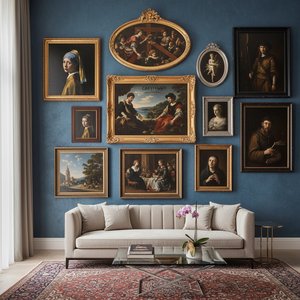
Baroque Painting's Greatest Hits: 10 Masterpieces for Your Home | OriginalUniqueArt
Journey through Baroque painting's glory! Explore 10 masterpieces by Caravaggio, Rembrandt & Vermeer. Discover dramatic lighting, rich colors & timeless stories. Find museum-quality art reproductions for your home at OriginalUniqueArt.com.