

 معاينة الحجم الواقعي
 إرسال
إرسال مشاركة
 عرض التفاصيل
 دليل الأعمال الفنية للطلاب

 تحميل
تحميل
 قطع مشابهة
 الأشعة السينية
 عرض شرائح متتابع
 Q&A
Q&A الإحصائيات
Self Portrait
 Oil On Canvas
- WallArt
- Baroque
 1704
1704 99.0 x 69.0 cm
 غاليريا أوفيزي
 اقرأ المزيد
طباعة جيلي / مطبوعات فنية
طباعة جيكلي أو كانفاس بجودة المتاحف، مع سرعة في التنفيذ وخيارات متنوعة للتشطيب. ( اطلب نسخة مرسومة يدويًا التحويل إلى الصورة الرقمية)




P118B E£10

P118H E£10

P118W E£10

P438Z E£10

P508JH E£12

P508YH E£12

P805H E£10

P805Z E£10

P919BZ E£10

P919G E£10

P919XJ E£10

P959ZH E£10

P968JZ E£12

W106C E£8

W218G E£10

W218JH E£8

W218Y E£10

W307PJ E£10

W316G E£10

W316PJ E£8

W316Y E£10

W398PJ E£8

W4111J E£10

W500HY E£15

W500JH E£15

W692G E£12

W849H E£8

W940BG E£15

W953PJ E£8




اختر من بين أحجامنا المُعدّة مسبقاً والتي تتوافق مع النسب الأصلية للعمل الفني.

أدخل العرض والارتفاع اللذين تحتاجهما، ليتناسب مع إطارك أو جدارك. يمكن قص المطبوعة فقط، ولا يمكن أبداً جعلها أكبر من الصورة الأصلية، لذا فإن أي مقاس بشكل مختلف سيؤدي إلى فقدان جزء من الصورة. سنرسل لك نموذجاً رقمياً تجريبياً لاعتماده قبل البدء في عملية الطباعة. الصورة المعروضة في هذه الصفحة لا توضح القص الفعلي — النموذج التجريبي فقط هو ما يظهر ذلك.
توصيل عالمي إلى خلال أسبوعين بدلاً من المدة القياسية البالغة 4/5 أسابيع. (31 أكتوبر)

شحن سريع ومجاني لجميع أنحاء العالم

قماش كتان فاخر

تأمين شامل على الشحن

ضمان استرداد الرسوم الجمركية

ضمان دقة مطابقة الألوان

سياسة الإرجاع خلال 100 يوم (في حالات العيوب فقط)

ضمان استرداد نقدي بنسبة 100%

عرض خصم الكميات
 خيار الزجاج متاح فقط للمقاسات التي تقل عن 110 سم

Self Portrait
طباعة جيلي / مطبوعات فنية
مقاس النسخة المطبوعة
-


إجمالي السعر
E£ 4182
The Enigmatic Gaze of a Venetian Gentleman
Sebastiano Ricci’s “Self-Portrait,” painted in 1704, is more than just a likeness; it's a carefully constructed tableau of status, introspection, and the burgeoning confidence of a rising star within the vibrant world of late Baroque Venice. The painting immediately commands attention with its dramatic lighting – a chiaroscuro technique borrowed from Caravaggio – that sculpts the subject’s face and clothing, creating an interplay of light and shadow that lends both depth and a sense of theatricality to the scene. The dark, textured wall behind him isn't merely a backdrop; it serves to heighten the impact of his figure, emphasizing his presence and drawing the viewer into his gaze.
Ricci’s style is distinctly Venetian, yet he transcends mere imitation, forging a unique voice within the established tradition. He leans heavily on the influence of earlier masters like Correggio and Giorgione, particularly in his use of color and atmospheric perspective. However, unlike many of his contemporaries, Ricci avoids the overly decorative tendencies that sometimes characterized Venetian painting at the time. Instead, he favors a more restrained elegance, prioritizing clarity of form and a subtle emotional resonance. The subject’s attire—a richly embroidered coat, a velvet waistcoat, and a meticulously styled wig— speaks volumes about his social standing and reflects the opulence of the era. The small dog beside him is not merely an accessory; it's a potent symbol of loyalty and companionship, adding a touch of warmth to the otherwise formal portrait.
A Window into the Artist’s World
Understanding Ricci requires placing his work within the context of 18th-century Venice. The city was experiencing a period of remarkable artistic ferment, fueled by international trade and a renewed interest in classical antiquity. Venetian painters were increasingly exposed to new ideas and influences from across Europe, leading to a fascinating synthesis of styles. Ricci himself was a cosmopolitan figure, traveling extensively throughout Italy and beyond, absorbing the techniques and aesthetics of various schools. His early life, marked by scandal and imprisonment, undoubtedly shaped his artistic sensibility, imbuing his work with a certain intensity and psychological depth.
The painting’s date – 1704 – is significant. It represents a pivotal moment in Ricci's career, as he was establishing himself as one of the leading portrait painters of Venice. This self-portrait offers a rare glimpse into the artist’s own perception of himself and his place within the artistic landscape. The confident expression on his face suggests a growing sense of self-assurance, while the subtle details—the carefully arranged dog, the meticulously rendered clothing—reveal a meticulous attention to detail and a desire to project an image of refinement and sophistication.
Technique and Materials: A Master’s Touch
Ricci's masterful use of oil paint is immediately apparent. The brushstrokes are visible yet controlled, creating a rich, layered surface that captures the nuances of light and shadow with remarkable precision. He employs impasto—thickly applied paint—to accentuate certain areas, such as the folds of his clothing and the contours of his face, adding texture and volume to the composition. The color palette is dominated by warm tones – browns, golds, and reds – which are contrasted with darker shades for the background and details, creating a sense of depth and drama. The painting’s overall effect is one of luminous intensity, achieved through careful attention to both technique and materials.
The canvas itself, likely stretched linen, provides an ideal surface for Ricci's expressive brushwork. He demonstrates a deep understanding of the medium, skillfully manipulating color, texture, and light to create a compelling portrait that transcends mere representation. The painting’s enduring appeal lies not only in its technical virtuosity but also in its ability to evoke a sense of intimacy and connection with the viewer.
الأسئلة والأجوبة
ما هو الشعور الذي يرتبط بـ "Self Portrait"؟
إن النبرة العاطفية المسجلة لـ "Self Portrait" للفنان سباستيانو ريتشي هي Melancholic، وهي تلخص الشعور الذي يعبّر عنه العمل.
ما هي التقنية المستخدمة في "Self Portrait"، ومتى تم إنجازها؟
تعتمد تقنية "Self Portrait" للفنان سباستيانو ريتشي على Oil On Canvas، ويعود تاريخ العمل إلى 1704.
ما مدى سطوع "Self Portrait" للفنان سباستيانو ريتشي؟
بشكل عام، تم تسجيل درجة السطوع لـ "Self Portrait" بـ shadow. ويصف السطوع المدرك مدى ظهور العمل الفني كضوء أو عتمة.
نبذة عن الفنان
نشأة وحياة سيباستيانو ريتشي: فنان الضوء والبهجة
ولد سيباستيانو ريتشي في مدينة بيلونو الإيطالية في الأول من أغسطس عام 1659، ورحل عن عالمنا في الخامس عشر من مايو عام 1734. كان ريتشي أحد أبرز فناني مدرسة الباروك الفينيسية المتأخرة، واشتهر بأسلوبه الفريد في الرسم الجداري الذي يجسد العظمة والروعة. لم تكن حياته مجرد مسيرة فنية حافلة بالإنجازات، بل كانت قصة مليئة بالشغف والتحديات والتحولات التي انعكست على أعماله الفنية المتميزة. بدأ ريتشي رحلته الفنية في سن مبكرة، حيث التحق بمرسم الفنان فيديريكو تشرفيلي في مدينة البندقية عام 1671. ومع ذلك، تشير بعض المصادر إلى أن معلمه الأول كان سيباستيانو ماتزوني. بغض النظر عن المعلم الأول، فقد كانت البندقية هي نقطة الانطلاق التي شكلت رؤيته الفنية ووجهته نحو آفاق جديدة من الإبداع والابتكار.التأثيرات الفنية وأوائل الأعمال
تأثر ريتشي بشكل كبير بأسلوب جيوفاني جوزيفو دال سول خلال فترة وجوده في بولونيا، وهو ما انعكس على أعماله المبكرة التي اتسمت بالديناميكية والحيوية. سرعان ما اكتسب ريتشي سمعة طيبة كفنان موهوب يتميز بقدرته على تجسيد المشاعر والأحاسيس من خلال الألوان الزاهية والخطوط الجريئة. من بين الأعمال البارزة في هذه الفترة لوحة باخوس وأريادني، والتي تعكس إتقانه لأسلوب الباروك ورؤيته الفنية الفريدة. كما قام ريتشي بتنفيذ العديد من اللوحات الدينية والتاريخية التي لاقت استحسان النقاد والجمهور على حد سواء.الروائع والطلبات الملكية
شهدت مسيرة ريتشي الفنية تطوراً ملحوظاً في أواخر القرن السابع عشر وأوائل القرن الثامن عشر، حيث قام بتنفيذ العديد من الأعمال الكبيرة والمهمة التي أكدت مكانته كواحد من أبرز فناني عصره. من بين هذه الروائع لوحة نصب تذكاري للأدميرال السير كلاوديسلي شوفيل، والتي تجسد قدرته على التقاط جوهر اللحظة وتعبيرها بأسلوب مؤثر ومؤثر. بالإضافة إلى ذلك، شارك ريتشي في تزيين مصلى مادونا ديل سيراجليو بالتعاون مع فرديناندو جالي-بيبينا، وحصل على مبلغ 4,482 ليرة مقابل هذا العمل الفني الكبير.أسلوب ريتشي و إرثه الخالد
تميز أسلوب ريتشي بالبهجة والضوء والحيوية، حيث استخدم الألوان الزاهية والخطوط الجريئة لخلق أعمال فنية آسرة ومؤثرة. كان ريتشي يتميز بقدرته على تجسيد المشاعر والأحاسيس من خلال تعابير الوجه وحركات الجسم، مما جعل لوحاته تنبض بالحياة والإنسانية. لم يقتصر تأثير ريتشي على عصره فحسب، بل امتد إلى الأجيال اللاحقة من الفنانين الذين استلهموا من أعماله وأسلوبه الفريد. ترك ريتشي إرثاً فنياً خالداً يعكس شغفه بالإبداع والتزامه بالجمال والروعة. وعلى الرغم من التحديات والصعوبات التي واجهها في حياته، إلا أنه تمكن من تحقيق النجاح والشهرة بفضل موهبته وإصراره وعزيمته القوية.- اكتشف المزيد عن أعمال سيباستيانو ريتشي على موقع OriginalUniqueArt.com
- استكشف مدرسة الباروك الفينيسية وتأثيراتها على موقع ويكيبيديا.
- تعرف على فنانين بارزين من نفس الفترة، مثل لويجي بونازا، على موقع OriginalUniqueArt.com

سباستيانو ريتشي
1659 - 1734 , إيطاليا
لمحة سريعة
- الأعمال البارزة:
- باخوس وأريادن
- فينوس تودع أدونيس
- الاسم الكامل: سباستيانو ريتشي
- الجنسية: إيطالي
- الحركة الفنية: باروك المتأخر
- الفنانون الذين تأثروا به: ['ماركو ريتشي']
- الفنانون المؤثرون: ['جيوفاني جيوزيفو دال سول']
- تاريخ الميلاد: 1 أغسطس 1659
- تاريخ الوفاة: 15 مايو 1734
- مكان الميلاد: بيلونو، إيطاليا
مقالات ذات صلة

دراما الباروك: إحياء الفخامة والعاطفة في الدواخل المعاصرة
اكتشف سحر الباروك! دليل شامل حول الحركة الفنية، عناصرها الجمالية، وكيفية دمج فخامتها وعاطفتها في الدواخل المعاصرة. نصائح من خبراء OriginalUniqueArt لإضفاء لمسة باروكية على منزلك.

The Golden Light of Innovation: Exploring the Venetian Renaissance Art Movement (1430–1580)
Explore the Golden Age of Venetian art (1430–1580). Discover Giorgione, Titian & Tintoretto's techniques, the 'colorito' revolution, and lasting influence. Expert insights for collectors & enthusiasts.
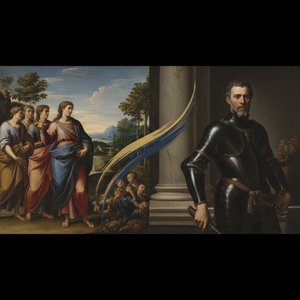
Sebastiano del Piombo: Bridging Venetian Colorism & Roman Grand Manner Portraiture
Explore the captivating art of Sebastiano del Piombo, a Renaissance master bridging Venetian colorism & Roman grandeur. Discover his iconic portraits and lasting influence on art history. Learn more at OriginalUniqueArt.
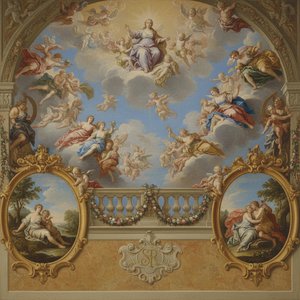
Sebastiano Ricci: Venetian Master of Baroque Illusionism & Rococo Grace
Explore the captivating world of Sebastiano Ricci, a leading Venetian Baroque painter renowned for his luminous frescoes & illusionistic masterpieces. Discover his life, techniques, and lasting influence on art history.

أعلى 10 روائع باروكية رسمت مسار الفن وجمالية الديكور | OriginalUniqueArt
اكتشف روائع عصر الباروك! استكشف 10 لوحات فنية خالدة مع كارافاجيو، رامبرانت وغيرهم. تاريخ الفن، أسلوب باروكي مذهل، و ديكور منزلي فاخر. تسوق إعادة إنتاج فني عالي الجودة على OriginalUniqueArt.com


