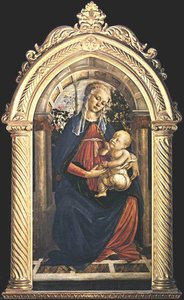
معاينة الحجم الحقيقي
 مشاركة
 مشاركة
 التفاصيل

 تحميل الملف
 قطع مشابهة
 الأشعة السينية
 عرض شرائح
Purgatory X
 Acrylic On Canvas
- WallArt
- Early Renaissance
 1490
1490 320.0 x 470.0 cm
 Staatliche Museen
 عرض المزيد
طباعة جيلي / مطبوعات فنية
طباعة جيكلي أو كانفاس بجودة المتاحف، مع سرعة في التنفيذ وخيارات متنوعة للتشطيب. ( اشترِ لوحة مرسومة يدويًا اشترِ الصورة)




P118B $10

P118H $10

P118W $10

P438Z $10

P508JH $12

P508YH $12

P805H $10

P805Z $10

P919BZ $10

P919G $10

P919XJ $10

P959ZH $10

P968JZ $12

W106C $8

W218G $10

W218JH $8

W218Y $10

W307PJ $10

W316G $10

W316PJ $8

W316Y $10

W398PJ $8

W4111J $10

W500HY $15

W500JH $15

W692G $12

W849H $8

W940BG $15

W953PJ $8




اختر من بين أحجامنا المُعدّة مسبقًا والتي تتطابق مع النسب الأصلية للعمل الفني.

يمكنك إدخال أبعادك الخاصة لتناسب إطاراً أو مساحة معينة. وإذا لم يتطابق الحجم الذي اخترته مع نسب الصورة الأصلية، فسنقوم إما بقص العمل الفني أو تمديد الصورة باستخدام حافة معكوسة أو بلون مصمت. سيتم إرسال نموذج تجريبي رقمي لاعتمادك قبل بدء الإنتاج.
يرجى ملاحظة أن المعاينة على الشاشة لا تعكس عملية القص أو التمديد الفعلية؛ حيث سيوضح النموذج التجريبي فقط التكوين النهائي بدقة.
وعلى الرغم من توفر أحجام مخصصة، إلا أننا نوصي باختيار أبعاد من القائمة المحددة مسبقاً للحفاظ على النسب الأصلية.
توصيل عالمي إلى خلال أسبوعين بدلاً من المدة القياسية البالغة 4/5 أسابيع. 5 سبتمبر

شحن سريع ومجاني لجميع أنحاء العالم

قماش كتان عالي الجودة

تأمين شحن شامل

ضمان استرداد الرسوم الجمركية

ضمان مطابقة الألوان الحقيقية

سياسة الإرجاع خلال 60 يومًا (في حالات العيوب فقط)

ضمان استرداد نقدي بنسبة 100%

خصم عند طلب عدة قطع
 خيار الزجاج متاح فقط للمقاسات التي تقل عن 110 سم

Purgatory X
طباعة جيلي / مطبوعات فنية
مقاس النسخة المطبوعة
-


السعر الإجمالي النهائي
$ 80
A Moment of Quiet Contemplation: Botticelli’s “Purgatory X”
Sandro Botticelli's "Purgatory X," painted in 1490, is not merely a depiction of a scene; it’s an invitation into the complex emotional landscape of the Early Renaissance. This remarkable work, now meticulously reproduced on canvas for OriginalUniqueArt.com, offers a rare glimpse into the artist’s evolving style and his engagement with themes of faith, mortality, and the human condition—all viewed through the lens of Florentine spirituality. The painting immediately draws the eye to a small group of figures gathered before a modest building, their gazes fixed upon a dog lying prone on the ground. A solitary bird circles overhead, adding an element of ethereal observation to this tableau of quiet contemplation.
Botticelli’s technique in “Purgatory X” is characterized by its delicate grace and refined detail, hallmarks of his mature style. He employs tempera on panel, a medium that lends itself beautifully to the luminous colors and subtle gradations of tone so characteristic of his work. Notice how he renders the figures with an almost sculpted quality – their forms are idealized yet possess a tangible humanity. The building behind them is rendered simply, almost abstractly, suggesting a place of transition rather than a specific earthly structure. The brushwork itself is remarkably controlled, creating a sense of stillness and serenity that belies the potentially weighty subject matter.
Symbolism Within Spiritual Doubt
The scene’s symbolism is layered and open to interpretation, reflecting the theological debates prevalent during Botticelli's time. “Purgatory,” as understood in the late 15th century, wasn’t a literal place of fire and torment but rather a state of purification before entering Heaven. The dog lying on the ground could represent earthly desires or attachments that must be shed to achieve spiritual enlightenment – a poignant image of letting go. The bird soaring above might symbolize divine grace or the soul's ascent towards God, offering a hopeful counterpoint to the scene’s grounded reality.
Crucially, “Purgatory X” is believed to have been created during a period when Botticelli himself was grappling with questions of faith and artistic direction. Some scholars suggest it reflects his own personal struggles with religious doubt, a sentiment increasingly common amongst artists and intellectuals of the era. The lack of overt religious iconography – no crosses, no saints – distinguishes this work from many of Botticelli’s earlier commissions for the Medici family, hinting at a shift towards a more introspective and psychologically driven approach to art.
Historical Context & Florentine Artistic Influence
Painted in Florence during the height of the Renaissance, “Purgatory X” is inextricably linked to the city's vibrant intellectual and artistic climate. Botticelli was deeply influenced by the humanist philosophy that emphasized human potential and classical learning – a spirit that permeated all aspects of Florentine culture. His training under Fra Filippo Lippi instilled in him a mastery of traditional techniques while simultaneously exposing him to the innovative ideas circulating within the Medici court, where patronage fueled artistic experimentation.
The painting’s composition echoes the conventions of Renaissance portraiture, yet it departs from established norms through its focus on a seemingly ordinary scene. This deliberate choice underscores Botticelli's desire to explore the inner lives of his subjects and convey complex emotions without resorting to explicit religious symbolism. It is this subtle complexity that makes “Purgatory X” such a compelling and enduring work of art.
A Timeless Reflection – Reproduction & Beyond
OriginalUniqueArt’s meticulous reproduction of “Purgatory X” captures the painting's luminous colors, delicate brushwork, and profound emotional depth with exceptional fidelity. Available in a range of sizes, this hand-painted reproduction offers an unparalleled opportunity to experience Botticelli’s masterpiece firsthand. Whether adorning a grand salon or a more intimate space, "Purgatory X" invites viewers to contemplate the mysteries of faith, mortality, and the enduring power of art to illuminate the human spirit.
Consider this artwork not just as a beautiful image but as a portal into the mind of one of the Renaissance’s most celebrated artists – a testament to Botticelli's genius and his profound understanding of the complexities of the human experience.
السيرة الذاتية للفنان
ساندرو بوتيتشيلي: شاعر الجمال في عصر النهضة
في قلب فلورنسا، تلك المدينة التي شهدت ولادة عصر النهضة، بزغ نجم ساندرو بوتيتشيلي، الفنان الذي أسر العالم بجماله الأثيري ورؤيته الشعرية. وُلد أليساندرو دي ماريانو فيليببي عام 1445، ليصبح لاحقًا "بوتيتشيلي" نسبةً إلى شقيقه الأصغر، وعاش حياة متجذرة في نسيج المدينة الفني والاجتماعي. لم يبتعد بوتيتشيلي عن حي أوغنيسانتي الذي ولد فيه، مما يعكس ارتباطه الوثيق بجذور عائلته وبيئته الإبداعية. نشأ الفنان في كنف والديه اللذين كانا يعملان في مجال الصباغة والزخرفة، مما أتاح له منذ صغره فرصة التعرف على فنون الحرف اليدوية والتفاصيل الدقيقة التي ستشكل لاحقًا أساس أسلوبه الفني.
تلقى بوتيتشيلي تعليمه الأول في ورشة عمل فنان الذهب ماسو فينغيريرا، قبل أن ينتقل إلى ورشة عمل فرا فيليبّو ليبي، أحد أبرز رسامي فلورنسا. هذه الفترة كانت حاسمة في تشكيل مسيرته الفنية، حيث اكتسب بوتيتشيلي مهارات تقنية أساسية وتعرض لأعمال فنانين بارزين. لم يقتصر تأثير ليبي على الجانب التقني فحسب، بل امتد ليشمل فهم بوتيتشيلي العميق للجماليات الفلورنسية، مما أتاح له تطوير أسلوبه الفريد الذي يميزه عن غيره.
أسلوب فني فريد: بين الخطوط المتدفقة والأساطير الكلاسيكية
يتميز أسلوب بوتيتشيلي بالخطوط المتدفقة والمنحنيات الرشيقة، واستخدامه الدقيق للألوان. لم يكن بوتيتشيلي مجرد فنان، بل كان شاعرًا يترجم الأحلام والأساطير إلى لوحات آسرة. جمع بين تقاليد العصر القوطي المتأخر وروح عصر النهضة الناشئة، مستوحيًا إلهامه من أعمال فنانين عظماء مثل فرا أنجليكو وباولو أوتشيللو. تجسد شخصياته في لوحاته هالة من الهدوء والجمال الأثيري، وغالبًا ما تصور بأبعاد متطاولة ووقفة رشيقة تعكس السكينة والتأمل. لم يقتصر بوتيتشيلي على تصوير المشاهد الدينية التقليدية، بل انغمس في عالم الأساطير الكلاسيكية، مستوحياً موضوعاته من قصص الحب والجمال الروحي التي شكلت جوهر الفكر الإنساني في عصر النهضة.
استخدم بوتيتشيلي تقنيات مبتكرة في عصره، مثل طريقة الرسم بالقلم الفضي تحت الطلاء، مما أضفى على أعماله إشراقًا ووضوحًا. كما استخدم طلاء التيمبرا الذي سمح له بتحقيق دقة فائقة في التفاصيل وألوان زاهية. في سنواته الأخيرة، جرب استخدام الألوان الزيتية التي وسعت نطاق تعبيره الفني.
أعمال خالدة: من "ولادة فينوس" إلى "ربيع"
تتربع لوحة "ولادة فينوس" على عرش أعمال بوتيتشيلي، فهي تجسيد حي للجمال الإنساني والانسجام. تصويره لإلهة الحب والجمال وهي تخرج من صدفة بحرية، يمثل قمة الفن في عصر النهضة. وبالمثل، فإن لوحة "ربيع" هي تحفة فنية معقدة وغامضة تحتفي بقدوم الربيع والحب، وتضم شخصيات رمزية مستوحاة من الأساطير الكلاسيكية. هذه الأعمال تعكس إتقان بوتيتشيلي للتركيب اللوني والقدرة على خلق عمق جوي وإبراز المشاعر الإنسانية.
شهدت مسيرة بوتيتشيلي الفنية مراحل متميزة، ففي سبعينيات القرن الخامس عشر ركز على تصوير الموضوعات الدينية، وطور مهاراته التقنية. أما الثمانينيات فقد كانت ذروة إبداعه، حيث أنتج أشهر أعماله الأسطورية. ومع ذلك، شهدت التسعينيات من القرن الخامس عشر تحولاً في أسلوبه، تأثرًا بوعظات جييرلامو سافونارولا المتشددة التي دعت إلى التوبة والتخلص من مظاهر البذخ والفساد.
إرث فني: من النسيان إلى إعادة الاكتشاف
بعد وفاة بوتيتشيلي عام 1510، تضاءل نجمه تدريجيًا، وظلت أعماله مهمشة لعدة قرون. ولكن في القرن التاسع عشر، شهدت أعماله نهضة فنية بفضل حركة ما قبل رافائيلية التي أعادت اكتشاف قيمته الفنية وأهميته التاريخية. أدرك الفنانون من هذه الحركة الجمال الفريد في لوحات بوتيتشيلي، وقدروا خطوطه الرشيقة وألوانه الزاهية وحساسيته الشعرية.
اليوم، يحتل ساندرو بوتيتشيلي مكانة مرموقة بين أعظم فناني عصر النهضة. تُعرض أعماله في أهم المتاحف حول العالم، وتستقطب عشاق الفن من جميع أنحاء العالم. يظل بوتيتشيلي رمزًا للإنجاز الفني الفلورنسي ودليلًا على قوة الإنسانية في إلهام الجمال والإبداع.
أهم الأعمال
- ولادة فينوس (حوالي 1486): تجسيد حي للجمال الإنساني.
- ربيع (حوالي 1482): لوحة أسطورية تحتفي بقدوم الربيع والحب.
- تجلّي السحرة (1475-1476): يظهر إتقان بوتيتشيلي للتركيب والمنظور.
- الولادة المقدسة (1501): تعكس تحولًا نحو الموضوعات الروحية في سنواته الأخيرة.
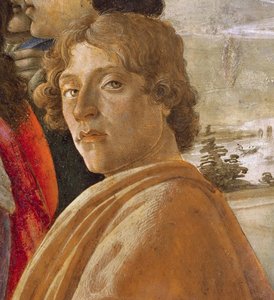
ساندرو بوتيتشيلي
1445 - 1510 , إيطاليا
حقائق سريعة
- Artistic Movement Or Style: الرينيسانس المبكر
- Artists Who Influenced This Artist: ['فرا فيليبو ليبي']
- Date Of Birth: مائة وأربعون وخمس وعشرون
- Date Of Death: خمس عشرة ومائة وعشرون
- Full Name: Alessandro di Mariano Filipepi
- Nationality: إيطالي
- Notable Artworks: ['فينوس ولُوث"، "الربيع"، "تمجيد المماليك']
- Place Of Birth: فلورنسا، إيطاليا
مقالات ذات صلة
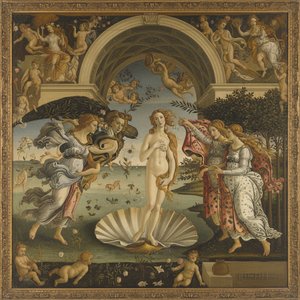
أروع 25 لوحة لساندرو بوتيتشيلي: تحف فنية تزين منزلك بجمال عصر النهضة
اكتشف أروع 25 لوحة لساندرو بوتيتشيلي، فنان عصر النهضة الإيطالي. استمتع بقصص التحف الفنية وألوان الباستيل الخالدة. طباعة لوحات عالية الجودة لديكور منزلك على OriginalUniqueArt.com
أروع 25 تحفة فنية في معرض أوفيزي: رحلة عبر عصر النهضة الإيطالي | OriginalUniqueArt
اكتشف أروع 25 لوحة فنية في معرض أوفيزي بفلورنسا! رحلة آسرة عبر عصر النهضة مع أعمال ليوناردو دا فينشي، بوتيتشيلي، ورفائيل. احصل على نسخ فاخرة من هذه التحف الفنية لتزيين منزلك. اكتشف المجموعة الكاملة على OriginalUniqueArt.
أفضل 10 روائع رسمت عصر النهضة المبكرة: تحف فنية لتزيين منزلك
اكتشف روائع عصر النهضة المبكرة! استكشف 10 تحف فنية خالدة مع ليوناردو و مايكل أنجلو. قصص الفنانين، تقنيات الرسم، وأكثر. احصل على لوحات زيتية عالية الجودة من OriginalUniqueArt.com وابدأ رحلتك الفنية الآن!
The Ethereal Beauty of Botticelli: A Journey Through the Grace and Symbolism of Italian Renaissance Masterpieces
Explore the ethereal beauty of Sandro Botticelli's masterpieces. Delve into the profound symbolism, mythological grace, and technical mastery that define the Italian Renaissance through an expert art-historical lens.
Civic Virtue and Artistic Rivalry: Patronage and Innovation in the Italian Renaissance Republics, 1400–1600
Explore the Italian Renaissance! Discover how competitive patronage & humanist ideals fueled artistic innovation in republics like Florence & Venice. Expert insights for art lovers and collectors.